下载App
资质规则
旅行
账户
Stay5386044****
Spent the Better Part of the Night in the Main Observatory
Mount Wilson Observatory的点评
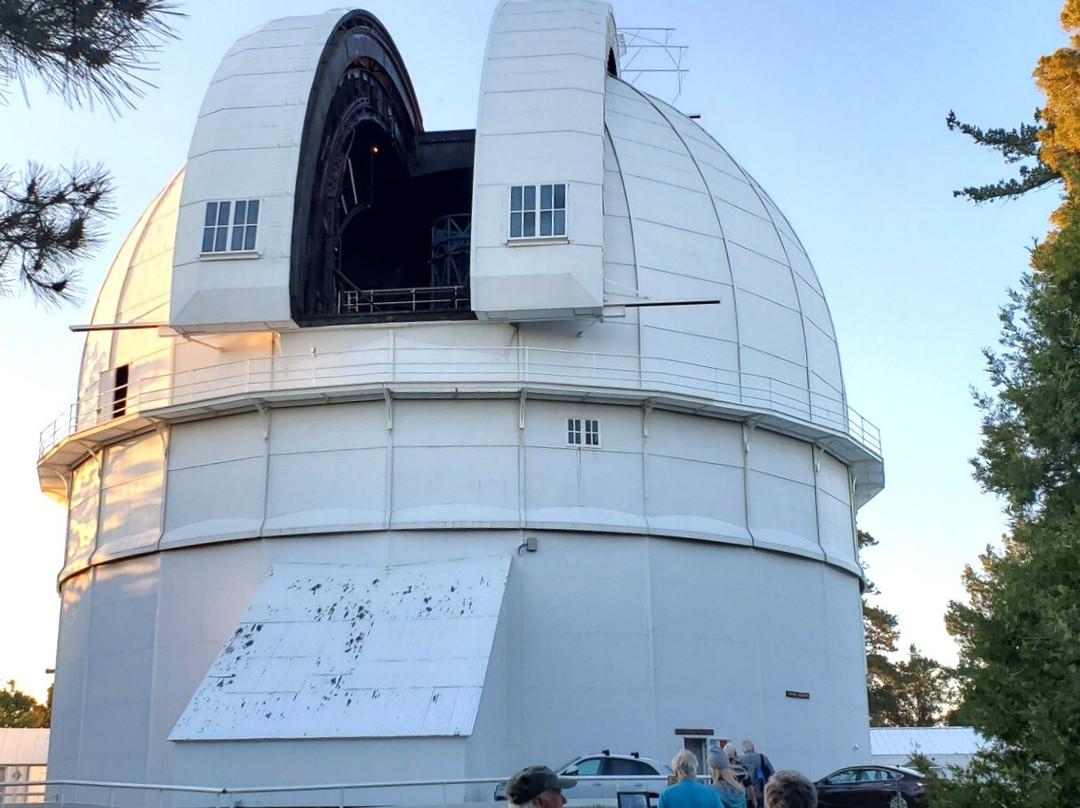
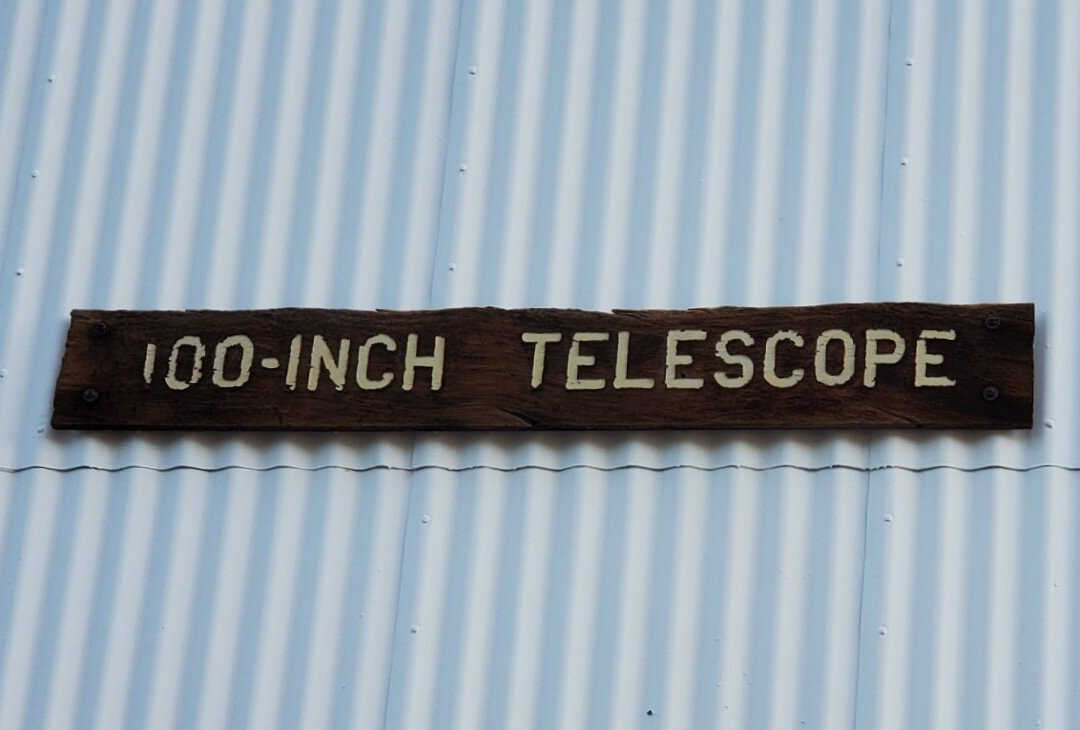
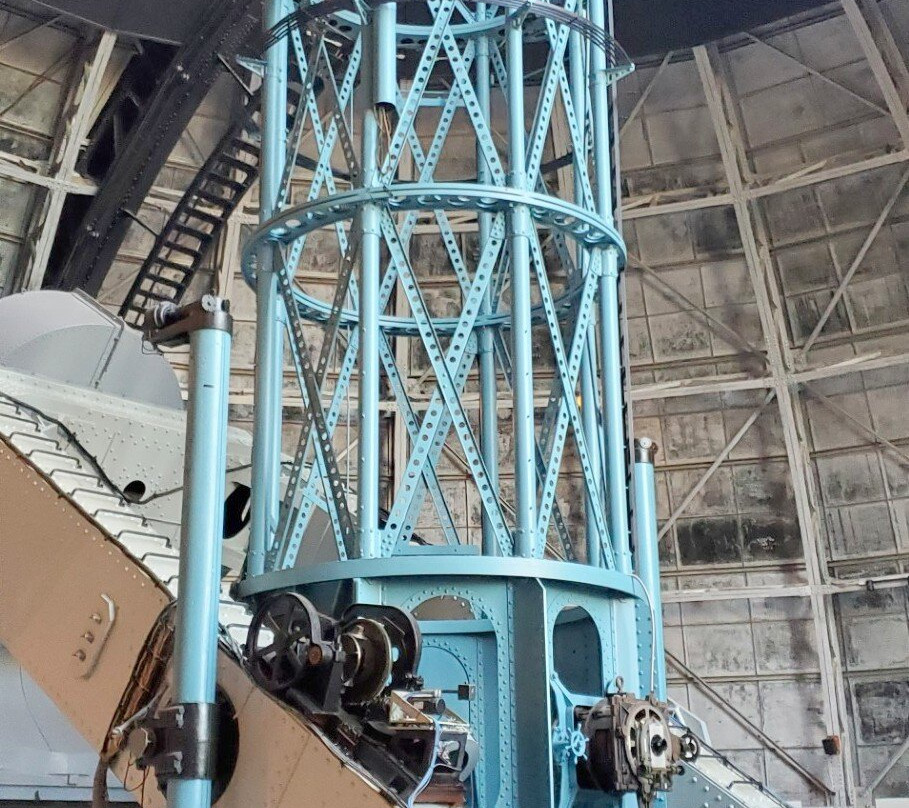
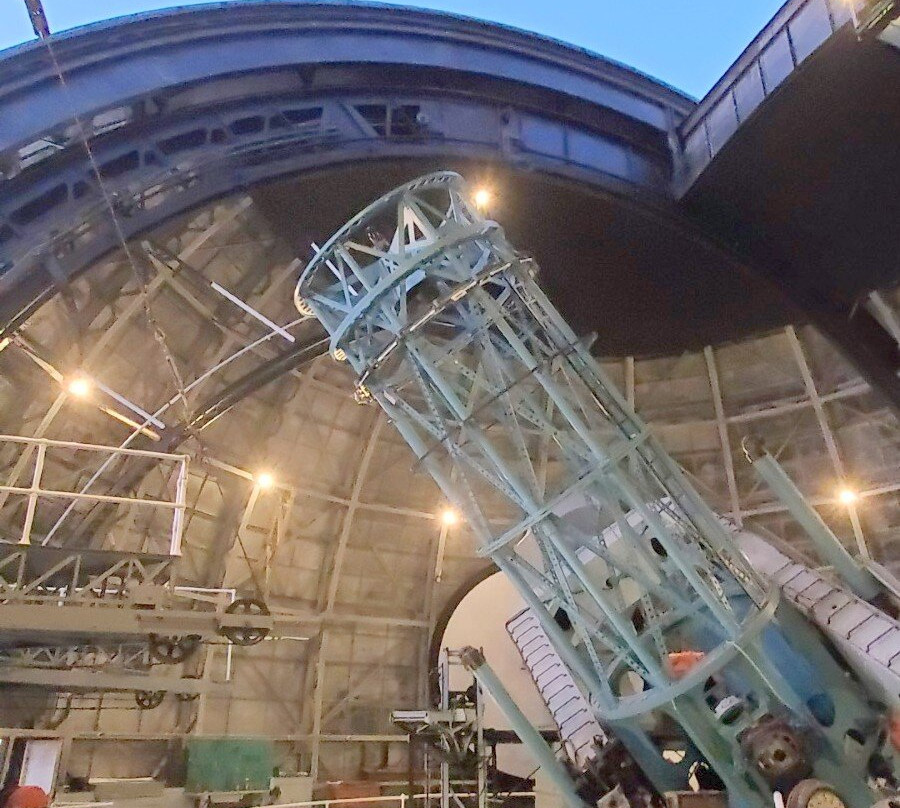
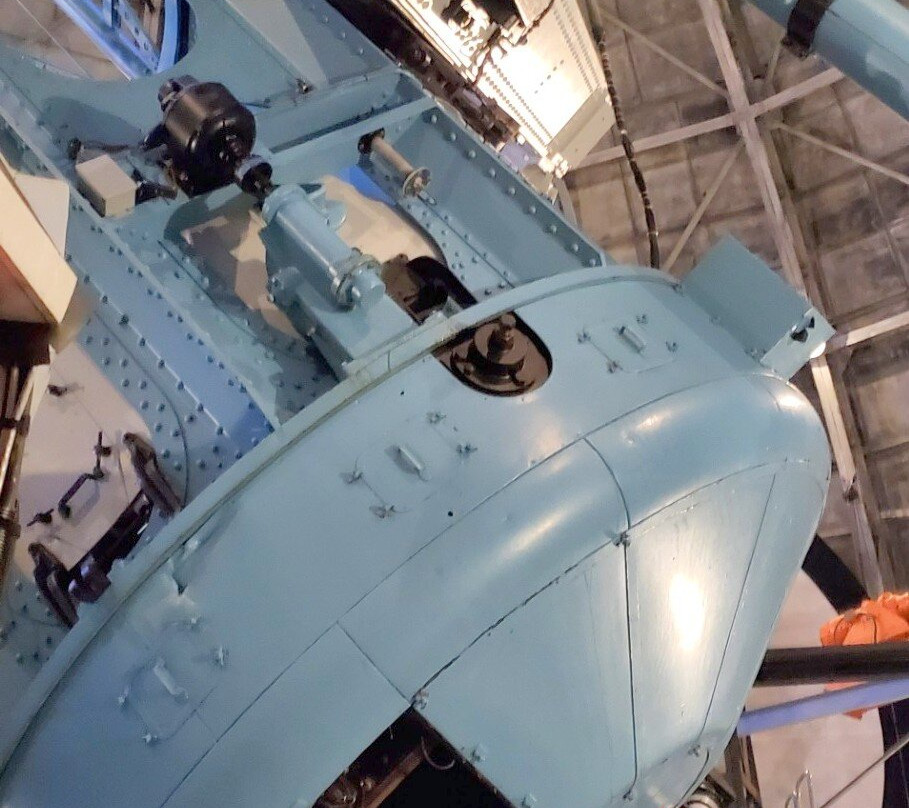
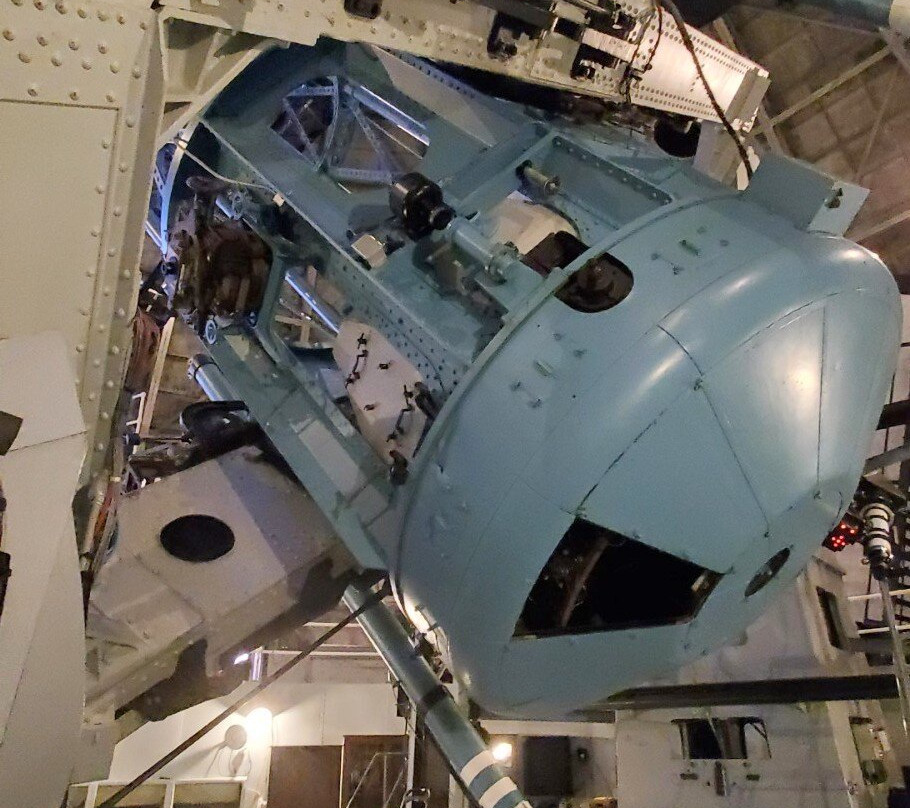
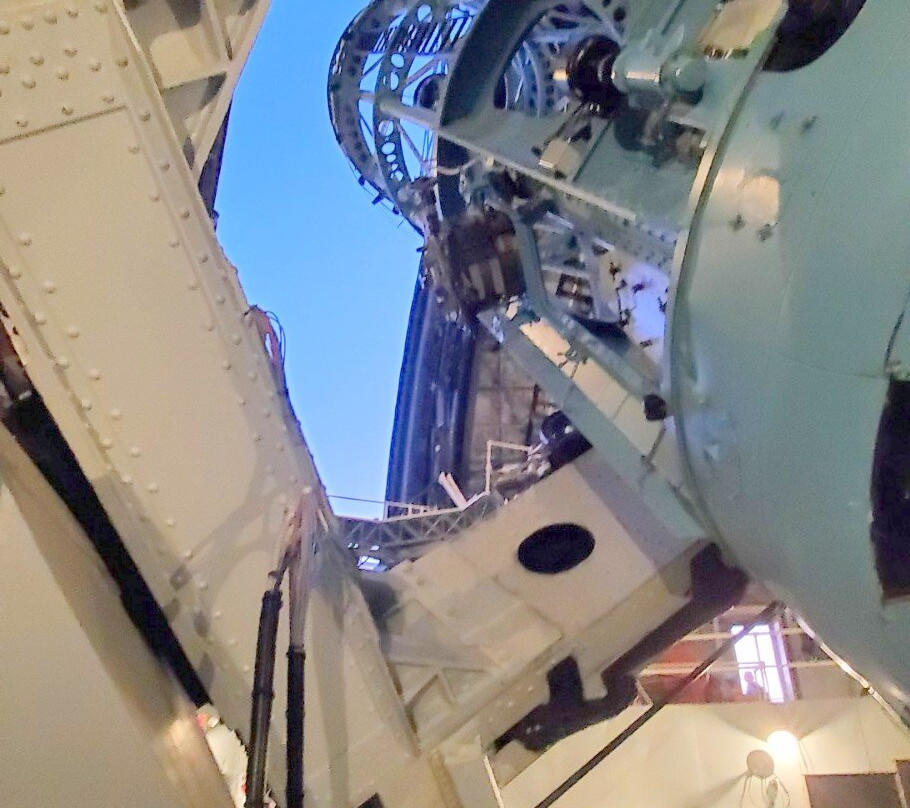
点评:I was able to spend the better part of a night (up to around 3:30 AM) as part of a special group tour by a company called Sirius Travel that specializes in astronomical tours/travel. Being a science (especially astronomy) nerd/geek my entire life, I've always wanted to see the 100 inch telescope in the observatory. The session director and the telescope operator were great about providing information on the celestial objects we observed through the telescope and the operation of the telescope.
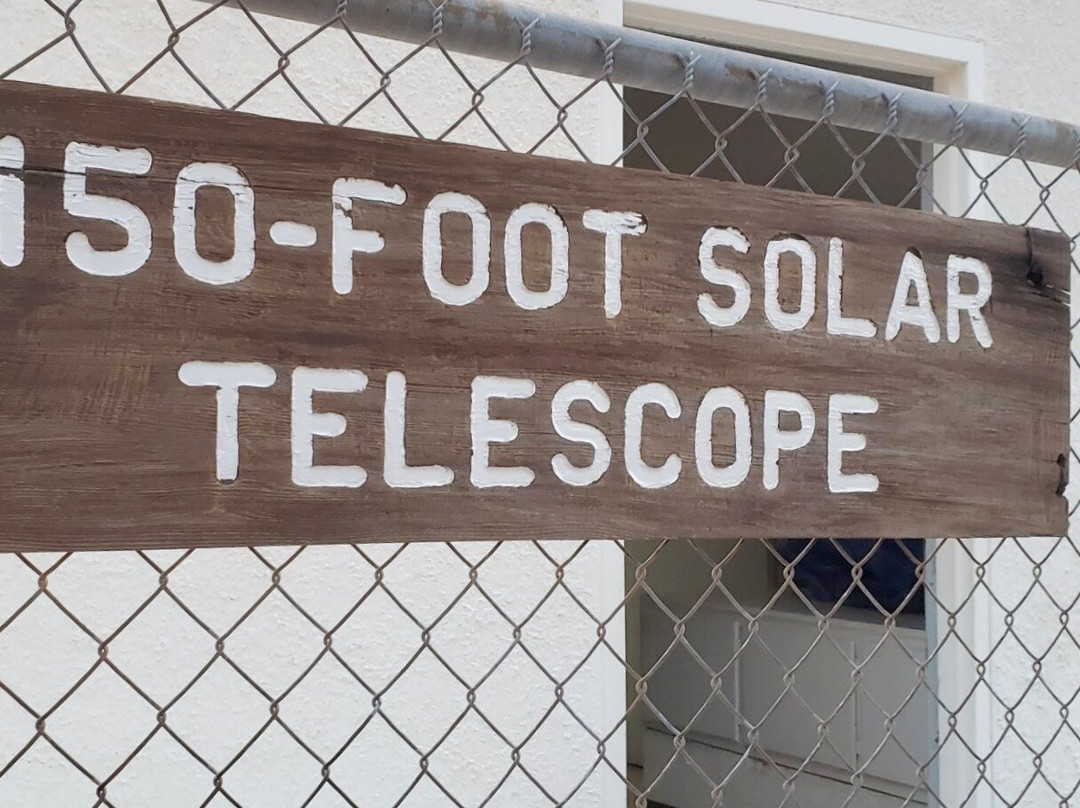
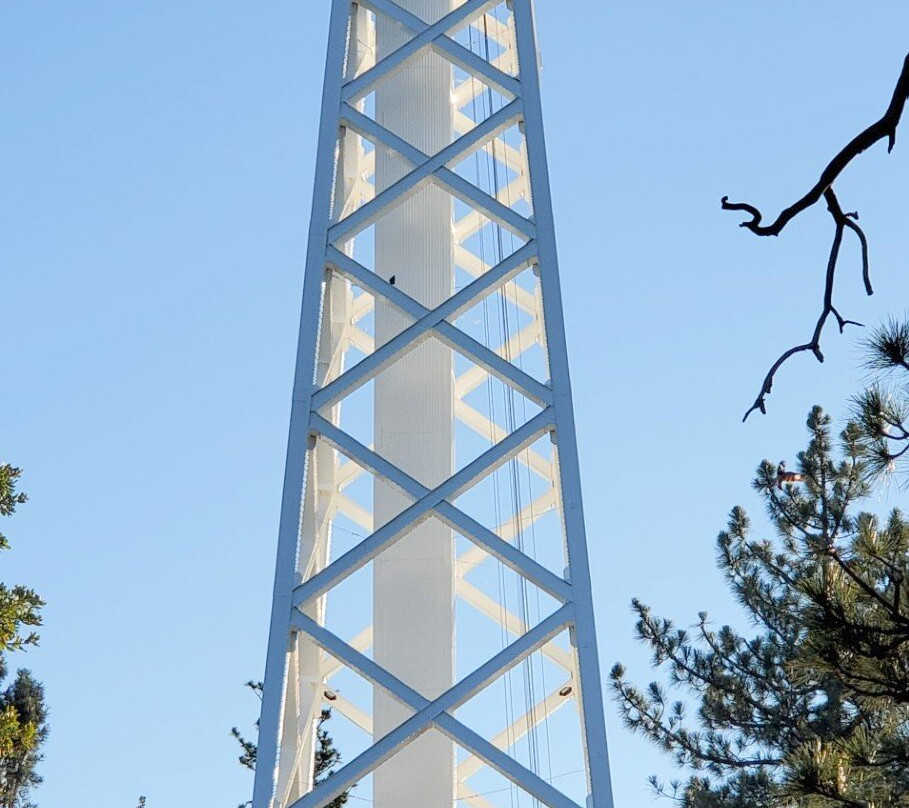
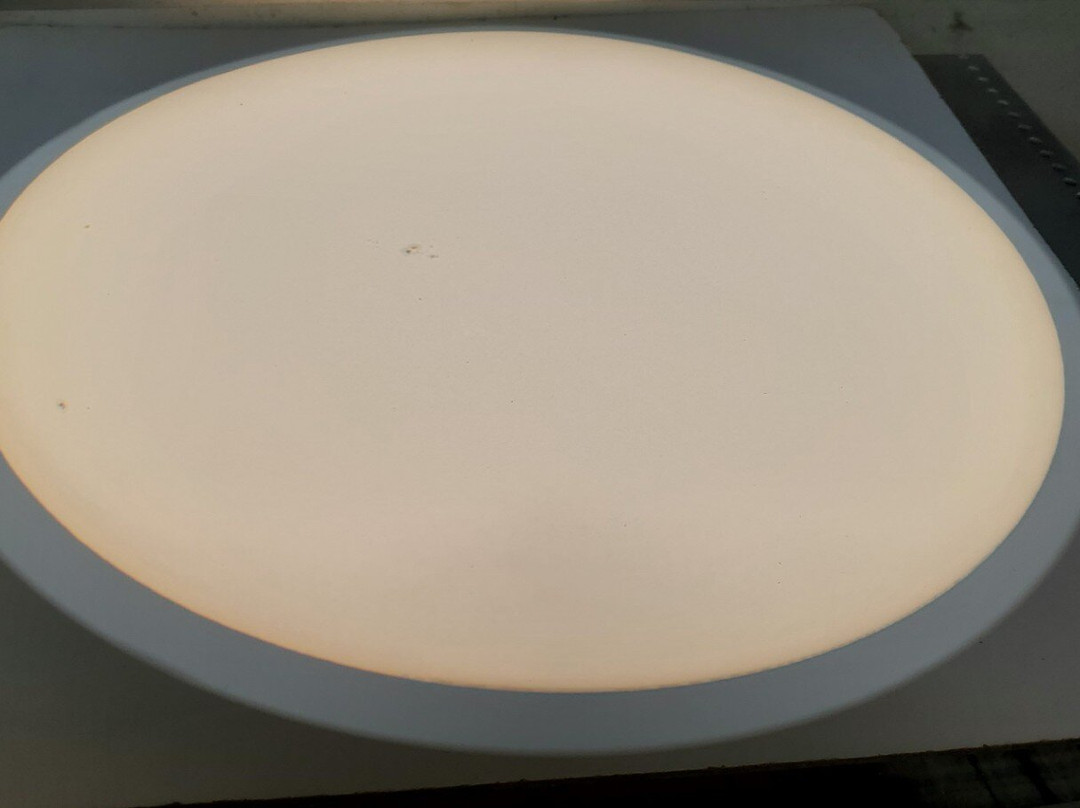
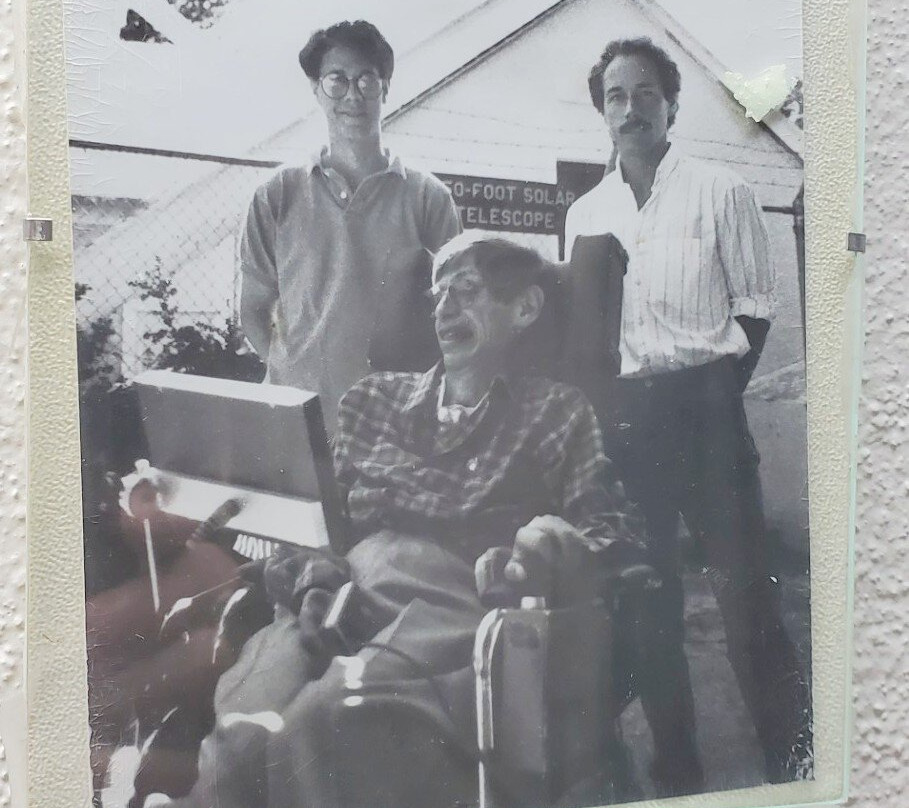
Prior to going into the main observatory for the night, we went to a 150 ft. tall solar observatory where an individual (a volunteer or docent) showed us how it operates. Instead of looking at the sun through a lens with a solar filter, the sunlight is projected down through the top onto a drawing table which is used to observe and manually sketch sunspots. He showed us some of the sketches he had made earlier in the day.
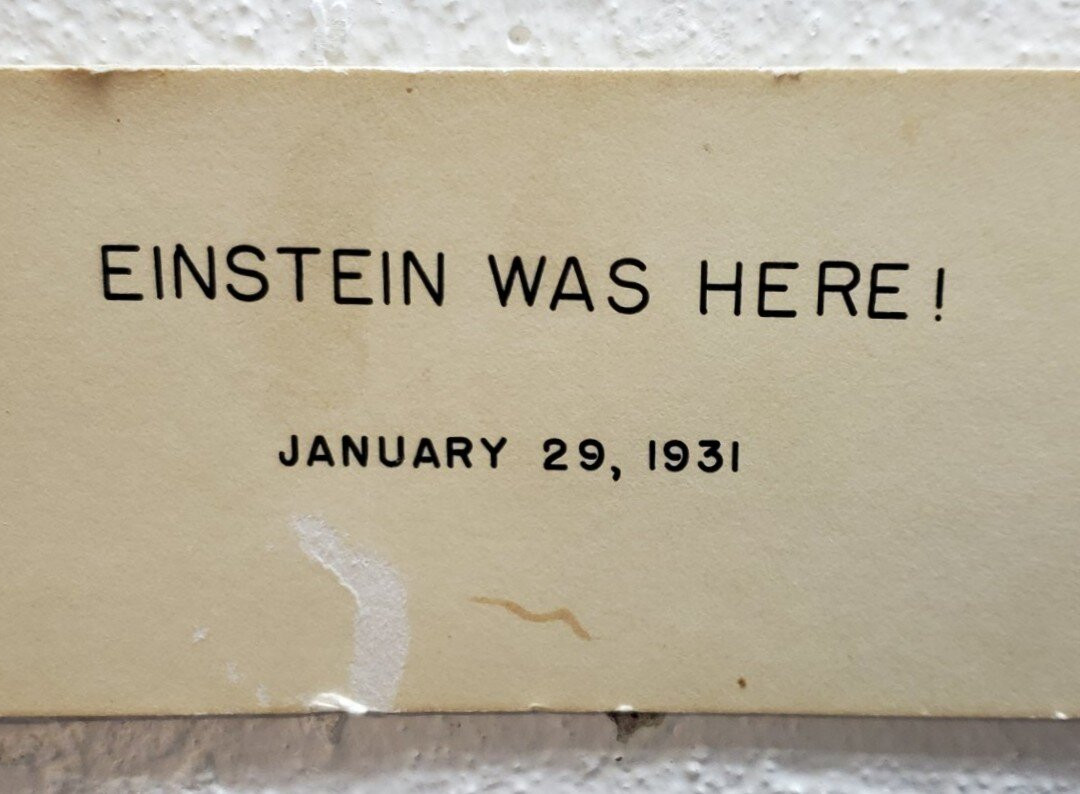
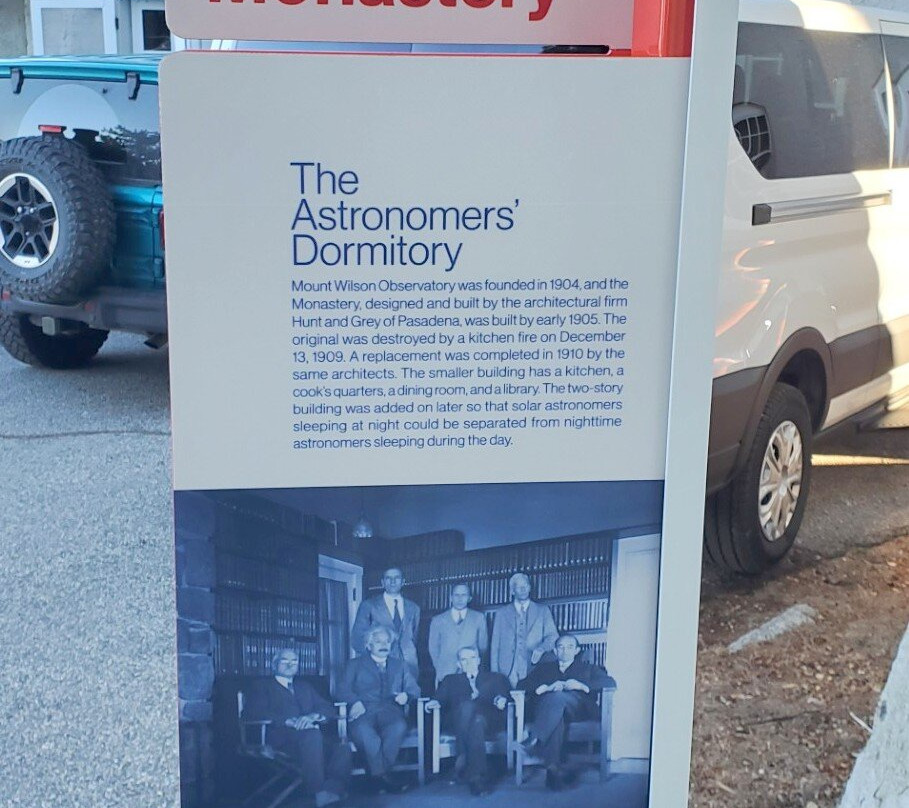
After the observing session, we slept at the 2 story "The Monastery," which was bult in 1910. It is like a college dorm type of setting but the bed and sink are definitely old. Despite this, the bed was comfortable enough to provide some decent sleep. There are no toilets in the rooms but there are communal toilets and showers on each floor. Famous scientists like Albert Einstein, Edwin Hubble, and George Ellery Hale have stayed at The Monastery.
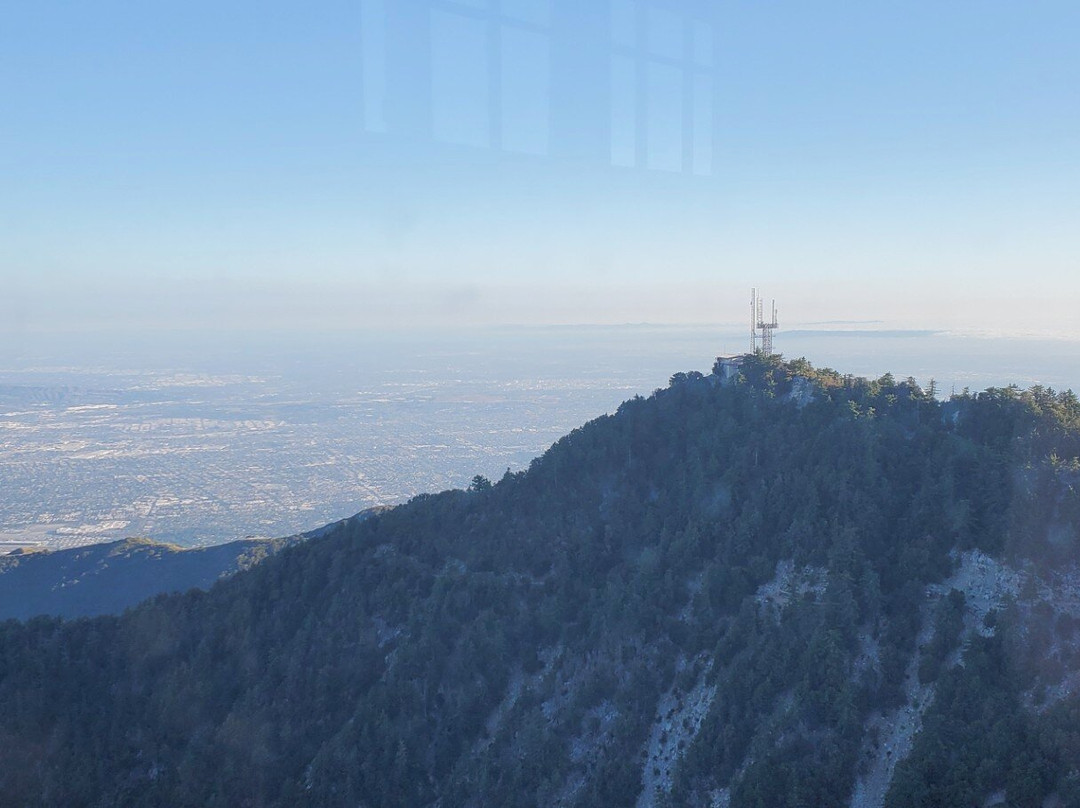
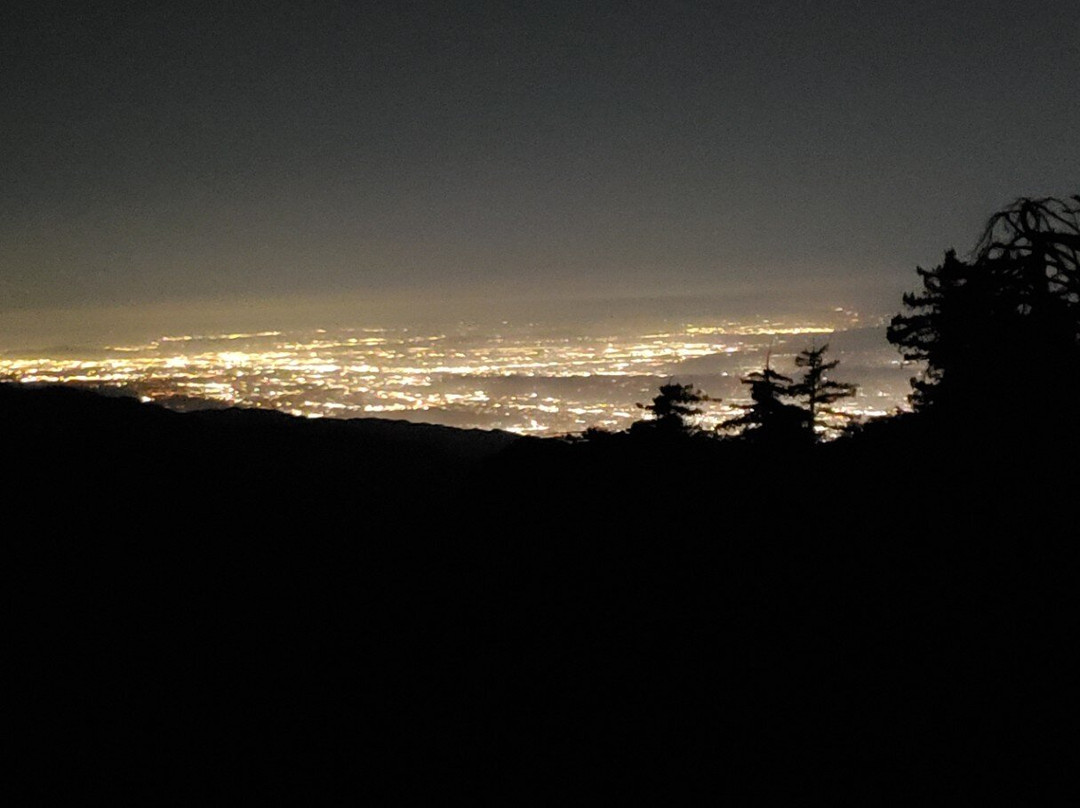
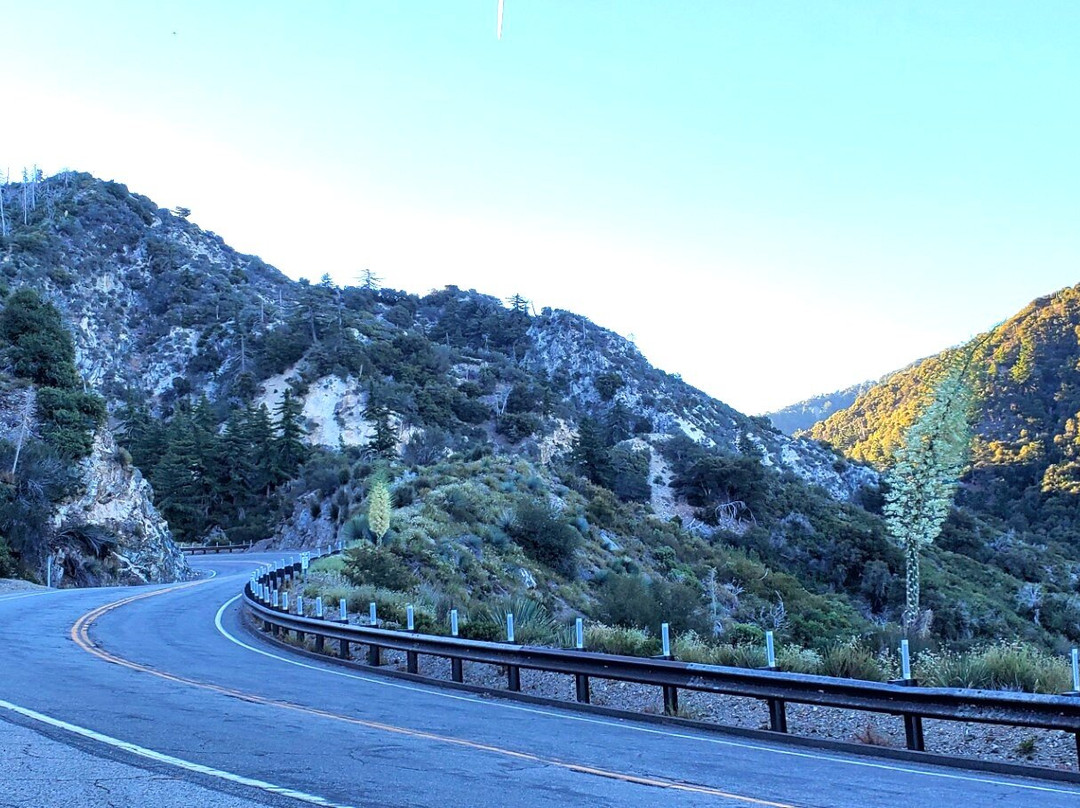
The drive to the observatory is on a long, steep windy road and takes around 35 to 40 minutes. One thing I had hoped to see, with the naked eye, is the Milky Way which I have never seen. But, despite being around 5700 feet above sea level, the light pollution from the Los Angeles basin was so bad that the Milky Way was not visible. I live in a rural area where there aren't even any street lights so the night sky is usually fairly dark. But, there is enough light pollution from a city in an adjacent county that prevents the sky from getting dark enough to see the Milky Way. However, the light pollution from the Los Angeles basin is even worse, which I was surprised about.
翻译:我得以参加由专门从事天文旅游的Sirius Travel公司组织的特色团体游览,并度过了大半个夜晚——一直持续到凌晨3点半左右。我一生都是个科学爱好者,尤其痴迷于天文学,因此一直渴望能亲眼目睹天文台里的那台100英寸望远镜。当晚的活动主持人和望远镜操作员也表现得非常出色,他们详细讲解了我们通过望远镜观测到的天体以及望远镜的操作方式。在当晚进入主观测站之前,我们先去了一座高150英尺的太阳观测站。那里有一位工作人员(志愿者或讲解员)向我们展示了该观测站的运作方式。观测时并非通过带有太阳滤光片的镜头来直接观察太阳,而是将阳光从顶部投射到一张绘图桌上,人们便能在上面观察并手工绘制太阳黑子。他向我们展示了当天早些时候画的一些素描作品。
观测结束后,我们在两层楼的“修道院”里过夜。“这座建筑建于1910年。其布局类似大学宿舍,不过床和洗手池显然都很老旧。尽管如此,床铺依然足够舒适,能让人睡个好觉。房间里没有卫生间,但每层楼都设有公共洗手间和淋浴间。阿尔伯特·爱因斯坦、埃德温·哈勃以及乔治·埃勒里·黑尔等著名科学家都曾下榻于这座修道院式旅馆。
前往天文台需要沿着一条漫长、陡峭且蜿蜒曲折的道路行驶,大约需要35到40分钟。”我一直希望能用肉眼看到银河,可至今都未能如愿。虽然我所在的位置海拔约5700英尺,但洛杉矶盆地的光污染实在严重,以至于根本看不到银河。我住在乡下,那里连路灯都没有,所以夜空通常相当黑暗。不过,邻近县里的一座城市所产生的光污染实在太多,使得夜空始终不够黑,无法看到银河。然而……洛杉矶盆地的光污染情况甚至更为严重,这让我颇感意外。

© 2026 Tripadvisor 版权所有。
部分照片由 VFM Leonardo 提供。
TripAdvisor公司对外部网站的内容一概不负责。优惠价格中不含税和其他费用。
ICP证:沪B2-20200433
沪ICP备20013175号
 沪公网安备31010502005427号
鹰程信息技术(上海)有限公司