下载App
资质规则
旅行
账户
tomizuta1953
A worthwhile stop before visiting the Metropolitan Water Discharge Channel
Chiba Sekiyado Castle Museum的点评
点评:I Visited in Late January 2026, as a short stop on the way from Tsukuba to Kasukabe. The main purpose of this two-day trip was to visit the Metropolitan Area Outer Underground Discharge Channel in Kasukabe, but with time to spare before our afternoon reservation, we decided to stop at Sekiyado—and it turned out to be an unexpectedly rewarding visit.
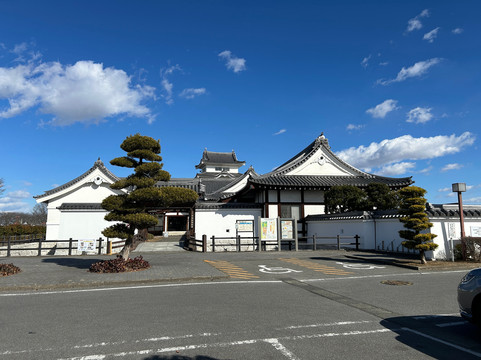
Sekiyado sits at the historic junction of the Tone and Edo rivers, today part of Noda City in Chiba Prefecture. I was curious because of its connection to Kiyosumi Garden in Tokyo, originally the lower residence garden of the Sekiyado Domain, yet Sekiyado itself was unfamiliar to me. The Chiba Prefectural Sekiyado Castle Museum, opened in 1995, provided an excellent introduction. The reconstructed castle keep stands on a river embankment, and the exhibits are clearly organized: river transport and flood control on the first floor, and the history of the Sekiyado Domain and the Kuze family on the second.
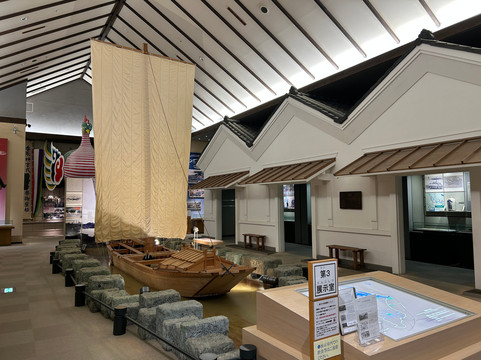
The river-related displays are particularly informative, explaining how the Tone River was dramatically rerouted during the Edo period and how river transport supported Edo’s logistics. Models of cargo boats, river ports, and warehouses bring this history to life. These explanations also gave me valuable background knowledge that helped me better understand the explanations later at the Metropolitan Area Outer Underground Discharge Channel.
Most explanations are in Japanese, but English handouts are available in each gallery, making the visit accessible for non-Japanese readers. The top-floor observation deck offers fine views toward Mount Tsukuba.
Not a major sightseeing destination on its own, but for anyone interested in rivers, flood control, or Edo-period infrastructure—and especially for those visiting the Metropolitan Area Outer Underground Discharge Channel—Sekiyado is well worth the stop.
Sekiyado sits at the historic junction of the Tone and Edo rivers, today part of Noda City in Chiba Prefecture. I was curious because of its connection to Kiyosumi Garden in Tokyo, originally the lower residence garden of the Sekiyado Domain, yet Sekiyado itself was unfamiliar to me. The Chiba Prefectural Sekiyado Castle Museum, opened in 1995, provided an excellent introduction. The reconstructed castle keep stands on a river embankment, and the exhibits are clearly organized: river transport and flood control on the first floor, and the history of the Sekiyado Domain and the Kuze family on the second.
The river-related displays are particularly informative, explaining how the Tone River was dramatically rerouted during the Edo period and how river transport supported Edo’s logistics. Models of cargo boats, river ports, and warehouses bring this history to life. These explanations also gave me valuable background knowledge that helped me better understand the explanations later at the Metropolitan Area Outer Underground Discharge Channel.
Most explanations are in Japanese, but English handouts are available in each gallery, making the visit accessible for non-Japanese readers. The top-floor observation deck offers fine views toward Mount Tsukuba.
Not a major sightseeing destination on its own, but for anyone interested in rivers, flood control, or Edo-period infrastructure—and especially for those visiting the Metropolitan Area Outer Underground Discharge Channel—Sekiyado is well worth the stop.
翻译:我于2026年1月下旬到访,当时正从筑波前往春日部,途中稍作停留。此次为期两天的行程主要目的是参观春日部都市圈外地下泄洪道,但由于下午的预约时间尚有剩余,我们决定顺道游览关宿城——结果却意外收获颇丰。
关宿城位于利根川与江户川的历史交汇处,如今属于千叶县野田市。我对它很感兴趣,因为它与东京的清澄庭园有着联系,清澄庭园原为关宿藩的下庭,但关宿城本身对我来说却并不熟悉。1995年开馆的千叶县立关宿城博物馆为我提供了很好的入门介绍。重建的天守阁矗立在河堤之上,展品布局清晰:一层展示水路运输和防洪技术,二层则讲述关宿藩和久世家的历史。
与河流相关的展品尤其引人入胜,详细阐述了江户时代利根川改道的重大历史,以及水路运输如何支撑着江户的后勤发展。货船、河港和仓库的模型生动地展现了这段历史。这些讲解也为我提供了宝贵的背景知识,帮助我更好地理解之后在大都会区外地下泄洪道的讲解。
大部分讲解为日语,但每个展厅都提供英文资料,方便非日语读者参观。顶层的观景台可以欣赏到筑波山的壮丽景色。
关宿堂本身并不是一个主要的观光目的地,但对于任何对河流、防洪或江户时代基础设施感兴趣的人来说——尤其是对于那些参观首都圈外地下泄洪道的人来说——关宿堂都非常值得一游。
关宿城位于利根川与江户川的历史交汇处,如今属于千叶县野田市。我对它很感兴趣,因为它与东京的清澄庭园有着联系,清澄庭园原为关宿藩的下庭,但关宿城本身对我来说却并不熟悉。1995年开馆的千叶县立关宿城博物馆为我提供了很好的入门介绍。重建的天守阁矗立在河堤之上,展品布局清晰:一层展示水路运输和防洪技术,二层则讲述关宿藩和久世家的历史。
与河流相关的展品尤其引人入胜,详细阐述了江户时代利根川改道的重大历史,以及水路运输如何支撑着江户的后勤发展。货船、河港和仓库的模型生动地展现了这段历史。这些讲解也为我提供了宝贵的背景知识,帮助我更好地理解之后在大都会区外地下泄洪道的讲解。
大部分讲解为日语,但每个展厅都提供英文资料,方便非日语读者参观。顶层的观景台可以欣赏到筑波山的壮丽景色。
关宿堂本身并不是一个主要的观光目的地,但对于任何对河流、防洪或江户时代基础设施感兴趣的人来说——尤其是对于那些参观首都圈外地下泄洪道的人来说——关宿堂都非常值得一游。
© 2026 Tripadvisor 版权所有。
部分照片由 VFM Leonardo 提供。
TripAdvisor公司对外部网站的内容一概不负责。优惠价格中不含税和其他费用。
ICP证:沪B2-20200433
沪ICP备20013175号
 沪公网安备31010502005427号
鹰程信息技术(上海)有限公司