下载App
资质规则
旅行
账户
tomizuta1953
Well Worth Visiting—Best combining the visit with another nearby place of interest
Tsukuba Space Center的点评
点评:In late January 2026, I visited the JAXA Tsukuba Space Center on a two-day trip with an overnight stay in Tsukuba, combined with a visit to the Metropolitan Area Outer Underground Discharge Channel. While some people attempt both in a single day, doing so is quite hectic. More importantly, both sites require advance reservations, and it is not always possible to secure open slots for both on the same day—something overseas visitors in particular should keep in mind.
The highlight of the JAXA visit was the guided tour, which must be booked in advance. The one-hour tour involves traveling by bus across the vast grounds and includes facilities such as the astronaut training building and the control room for the “Kibo” module on the ISS. By asking at the reception, I was able to join an earlier tour than originally booked, which turned out to be very helpful for managing the schedule.
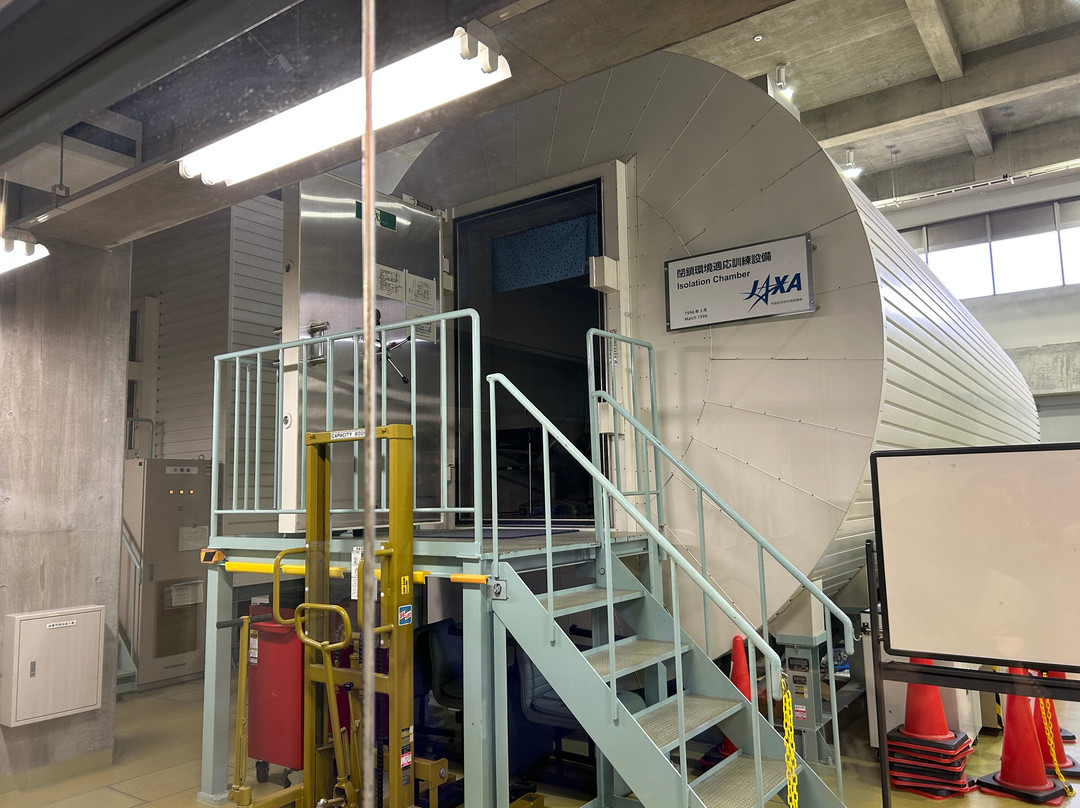
One aspect that left a strong impression was the explanation of the mental demands of long-term confinement in space and the physical effects on the human body, particularly how astronauts lose muscle mass and bone strength despite exercising regularly while in orbit—something I had not fully appreciated before.
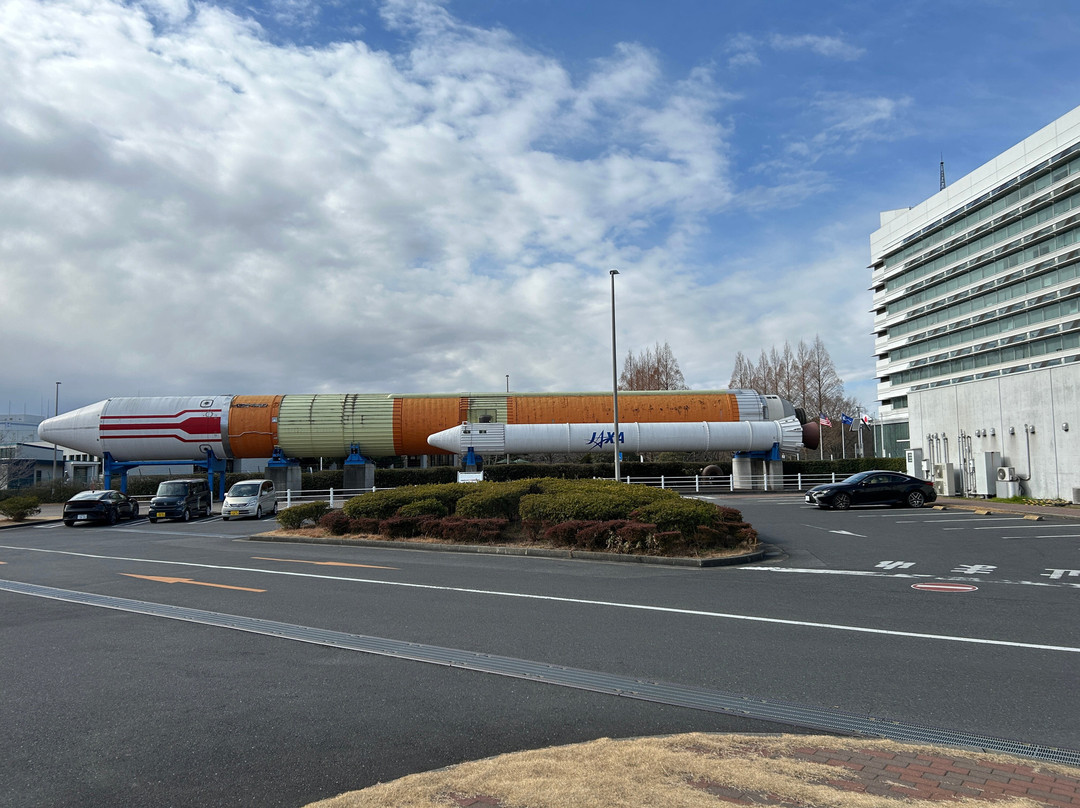
The Space Dome exhibition area is free and provides useful background with models and panels, though many displays are labeled only in Japanese, and more English explanations would be welcome.
Overall, this was a rewarding and educational visit, especially when combined with the nearby flood-control facility, but it benefits from careful planning.
The highlight of the JAXA visit was the guided tour, which must be booked in advance. The one-hour tour involves traveling by bus across the vast grounds and includes facilities such as the astronaut training building and the control room for the “Kibo” module on the ISS. By asking at the reception, I was able to join an earlier tour than originally booked, which turned out to be very helpful for managing the schedule.
One aspect that left a strong impression was the explanation of the mental demands of long-term confinement in space and the physical effects on the human body, particularly how astronauts lose muscle mass and bone strength despite exercising regularly while in orbit—something I had not fully appreciated before.
The Space Dome exhibition area is free and provides useful background with models and panels, though many displays are labeled only in Japanese, and more English explanations would be welcome.
Overall, this was a rewarding and educational visit, especially when combined with the nearby flood-control facility, but it benefits from careful planning.
翻译:2026年1月下旬,我进行了为期两天的JAXA筑波宇宙中心之旅,并在筑波市过夜,同时还参观了首都圈外地下泄洪道。虽然有些人尝试一天内游览这两个地方,但这样做会非常忙碌。更重要的是,这两个景点都需要提前预约,而且并非总能在同一天预约到两个景点的名额——这一点尤其需要海外游客注意。
JAXA之行的亮点是导览游,必须提前预约。这个一小时的导览游需要乘坐巴士游览广阔的园区,参观内容包括宇航员训练楼和国际空间站“希望号”飞船的控制室等设施。我在前台询问后,成功参加了比原先预约时间更早的导览游,这对于安排行程非常有帮助。
给我留下深刻印象的一点是,讲解了长期太空封闭环境对精神和身体造成的生理影响,特别是宇航员即使在轨道上定期锻炼,肌肉量和骨骼强度仍然会下降——这一点我以前并没有充分意识到。
太空穹顶展览区免费开放,通过模型和展板提供了有用的背景信息,但许多展品只有日文说明,如果能提供更多英文说明就更好了。
总的来说,这是一次收获颇丰且富有教育意义的参观,尤其是与附近的防洪设施一起参观时,效果更佳。不过,如果事先做好规划,参观体验会更好。
JAXA之行的亮点是导览游,必须提前预约。这个一小时的导览游需要乘坐巴士游览广阔的园区,参观内容包括宇航员训练楼和国际空间站“希望号”飞船的控制室等设施。我在前台询问后,成功参加了比原先预约时间更早的导览游,这对于安排行程非常有帮助。
给我留下深刻印象的一点是,讲解了长期太空封闭环境对精神和身体造成的生理影响,特别是宇航员即使在轨道上定期锻炼,肌肉量和骨骼强度仍然会下降——这一点我以前并没有充分意识到。
太空穹顶展览区免费开放,通过模型和展板提供了有用的背景信息,但许多展品只有日文说明,如果能提供更多英文说明就更好了。
总的来说,这是一次收获颇丰且富有教育意义的参观,尤其是与附近的防洪设施一起参观时,效果更佳。不过,如果事先做好规划,参观体验会更好。

© 2026 Tripadvisor 版权所有。
部分照片由 VFM Leonardo 提供。
TripAdvisor公司对外部网站的内容一概不负责。优惠价格中不含税和其他费用。
ICP证:沪B2-20200433
沪ICP备20013175号
 沪公网安备31010502005427号
鹰程信息技术(上海)有限公司