下载App
资质规则
旅行
账户

Safari4633017****
A Giant's Tale
巨人之路的点评
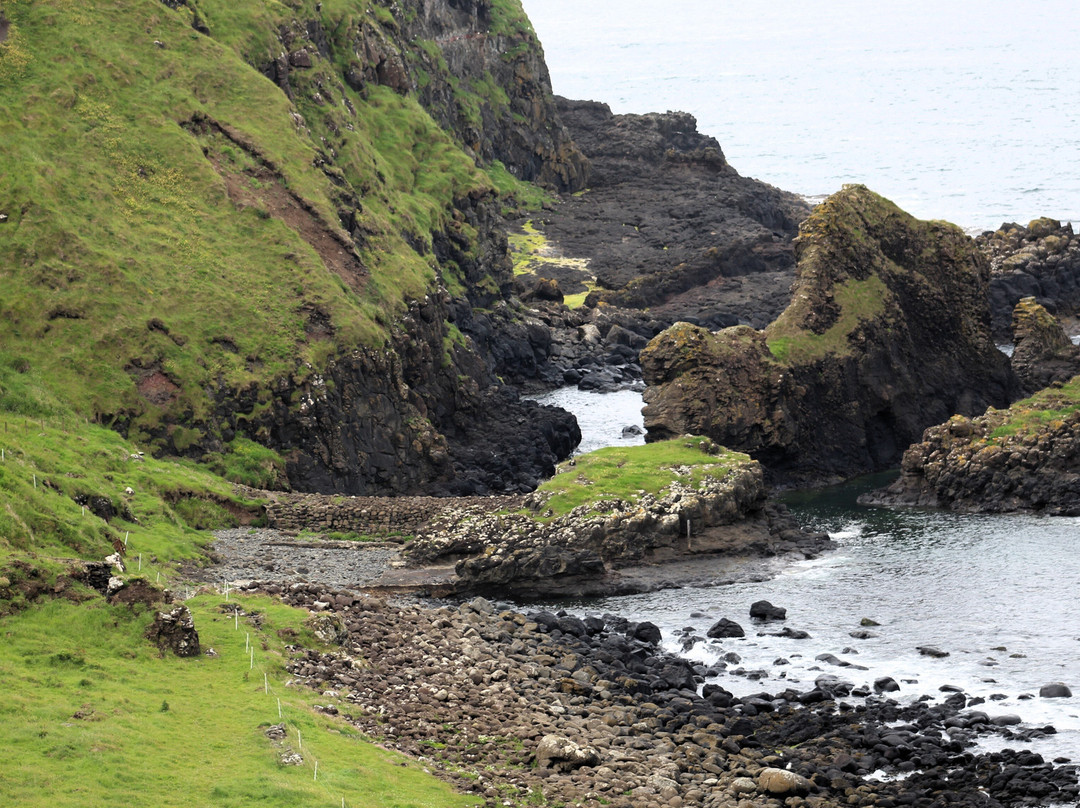
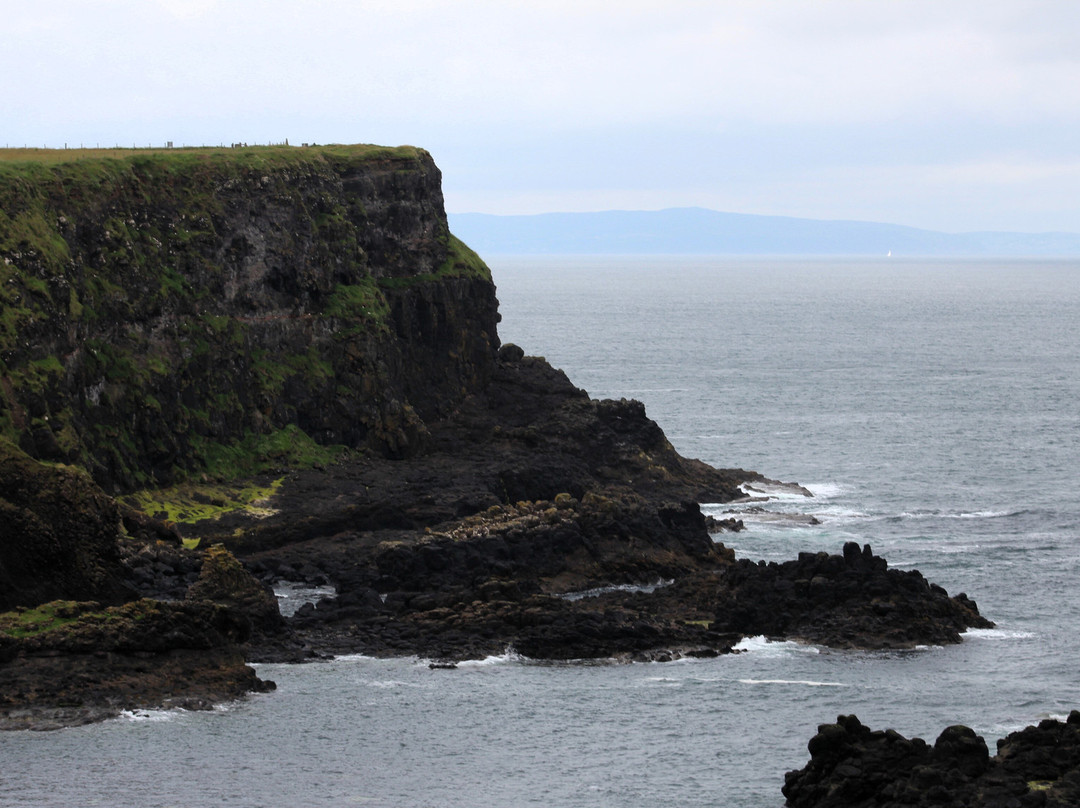
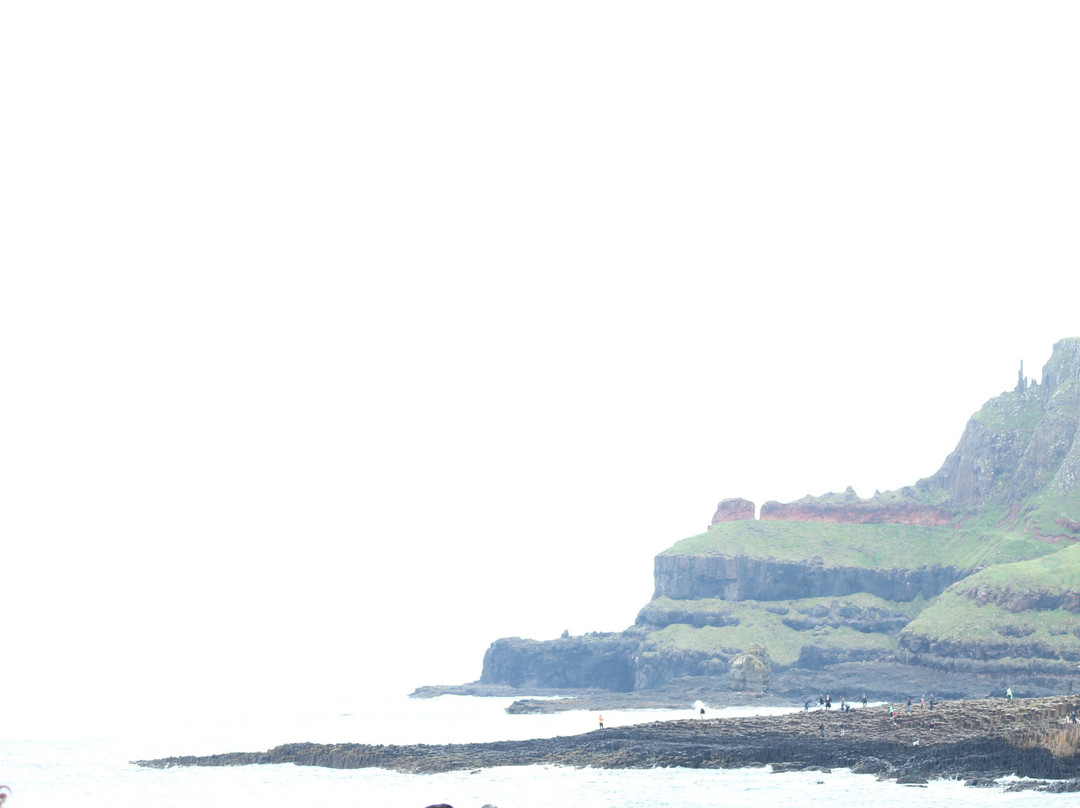
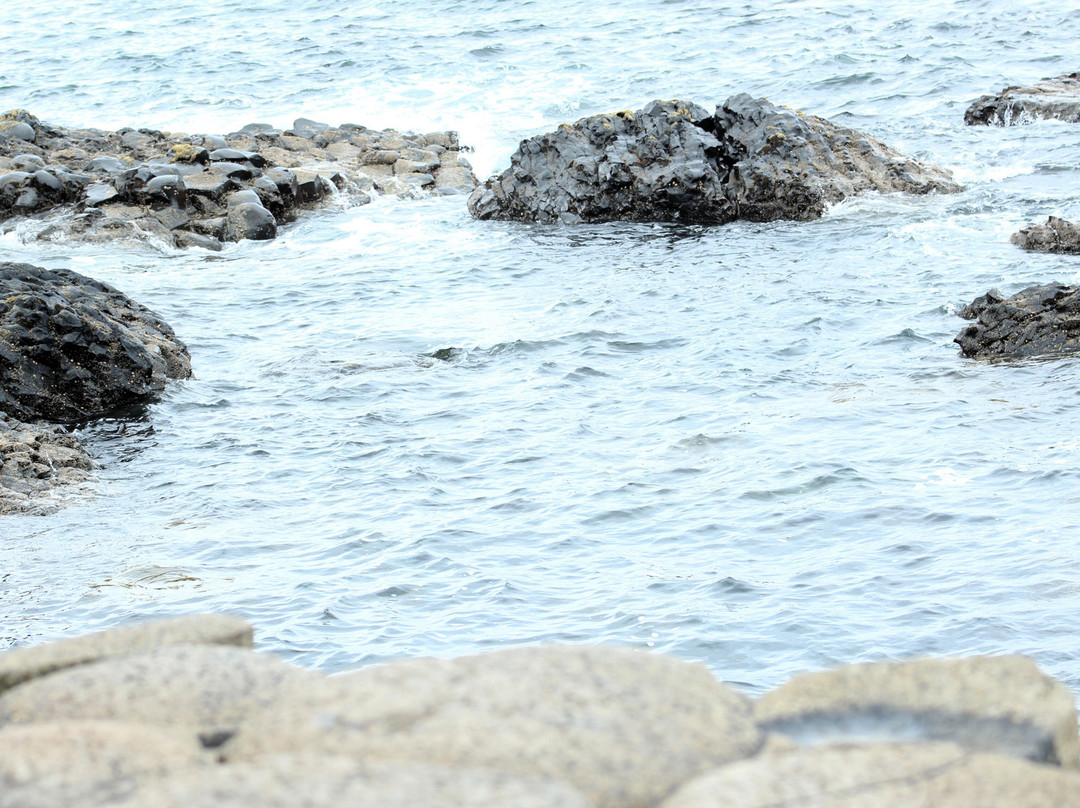
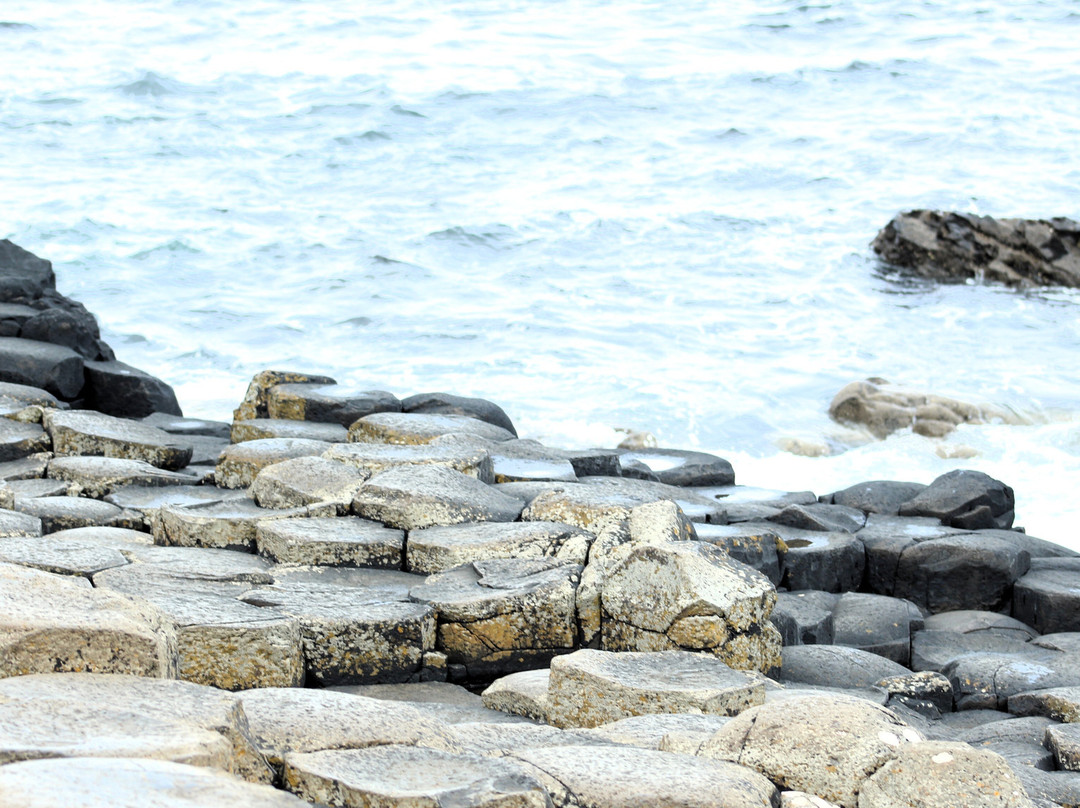
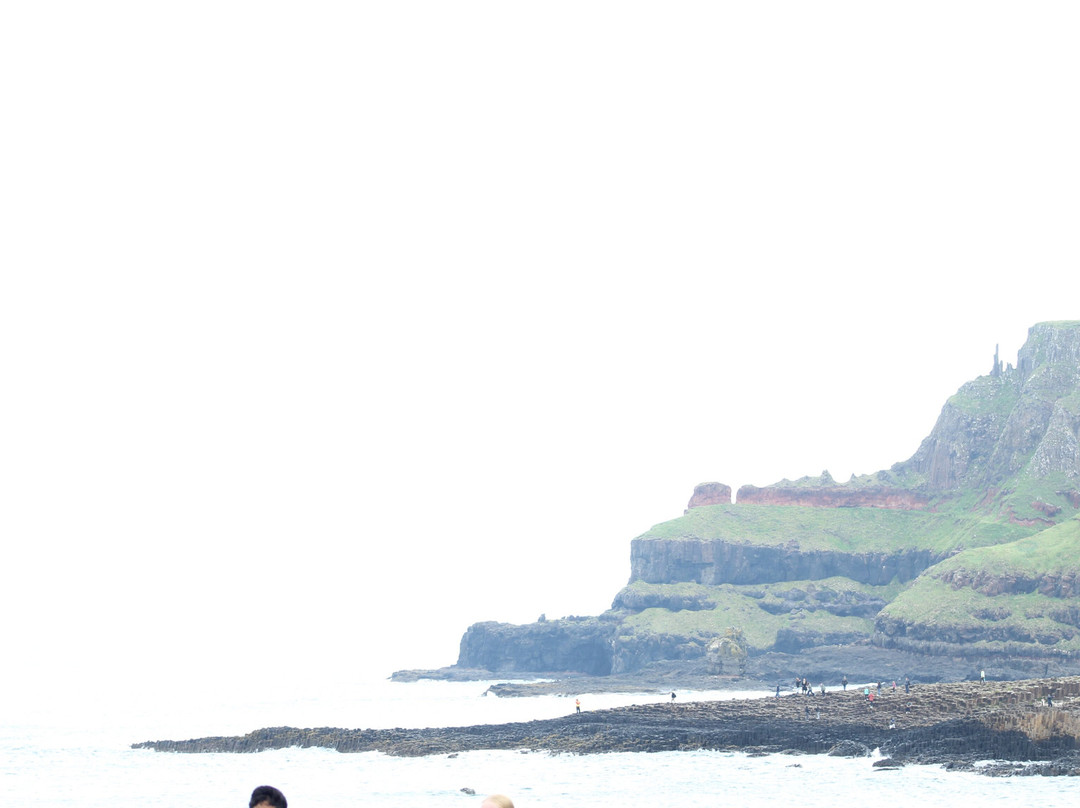
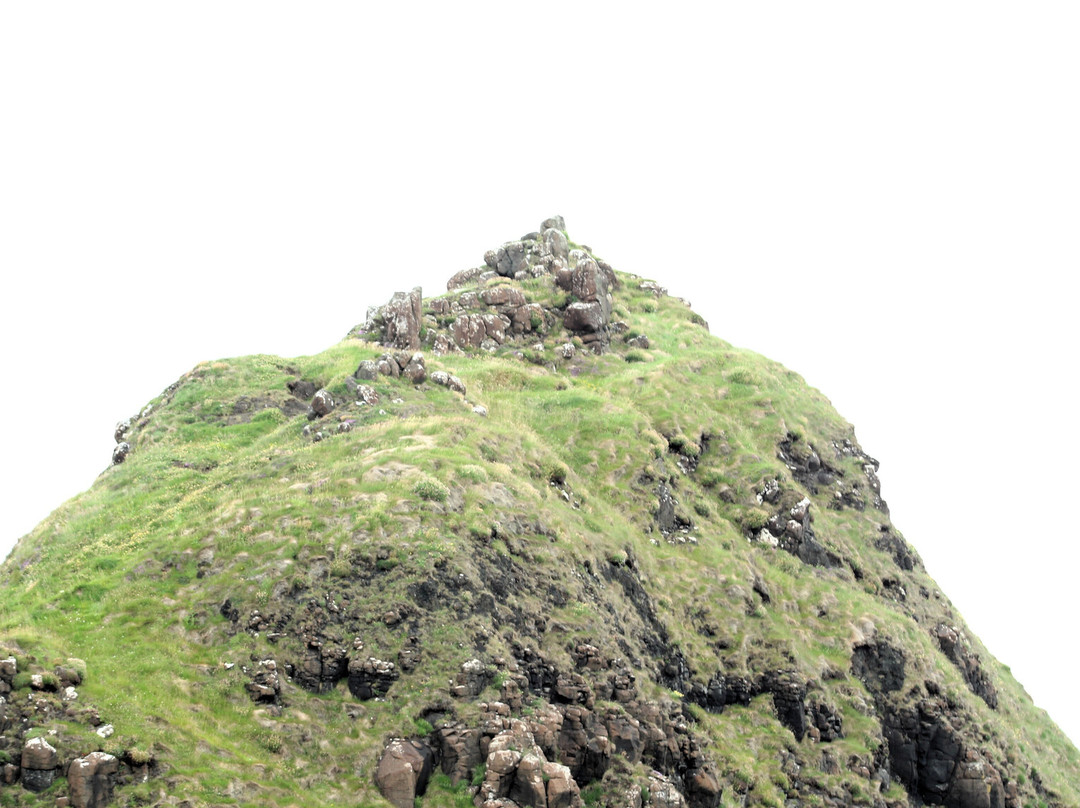
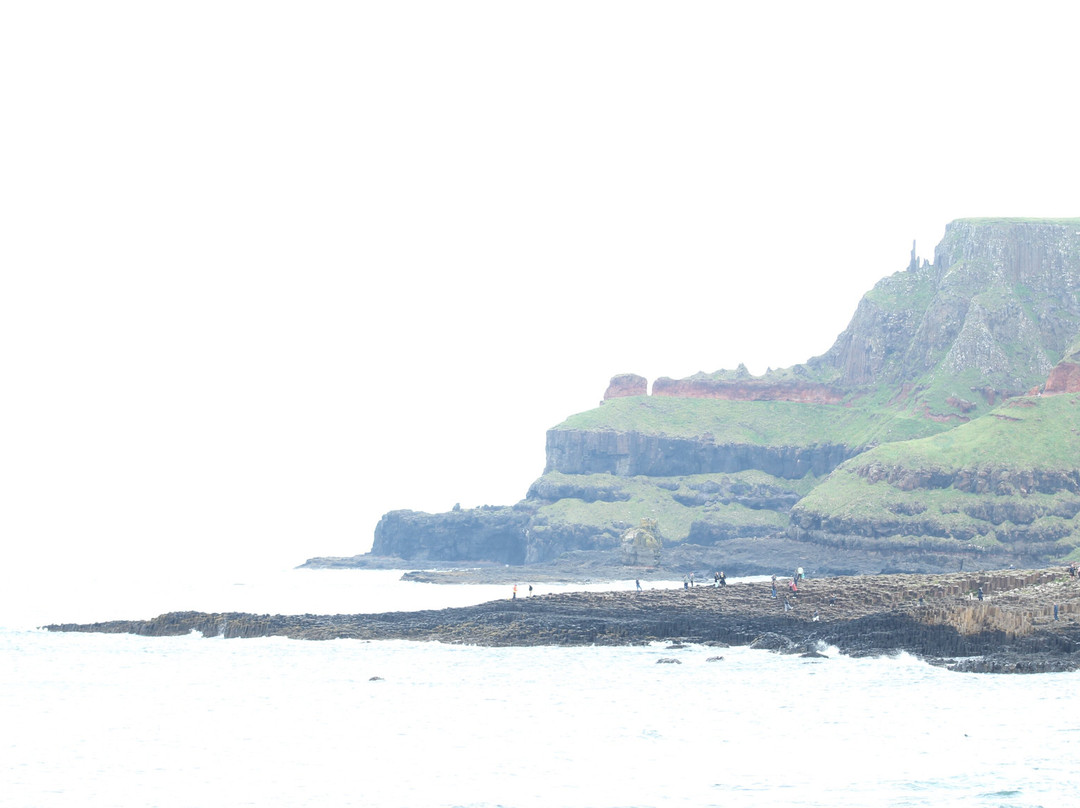
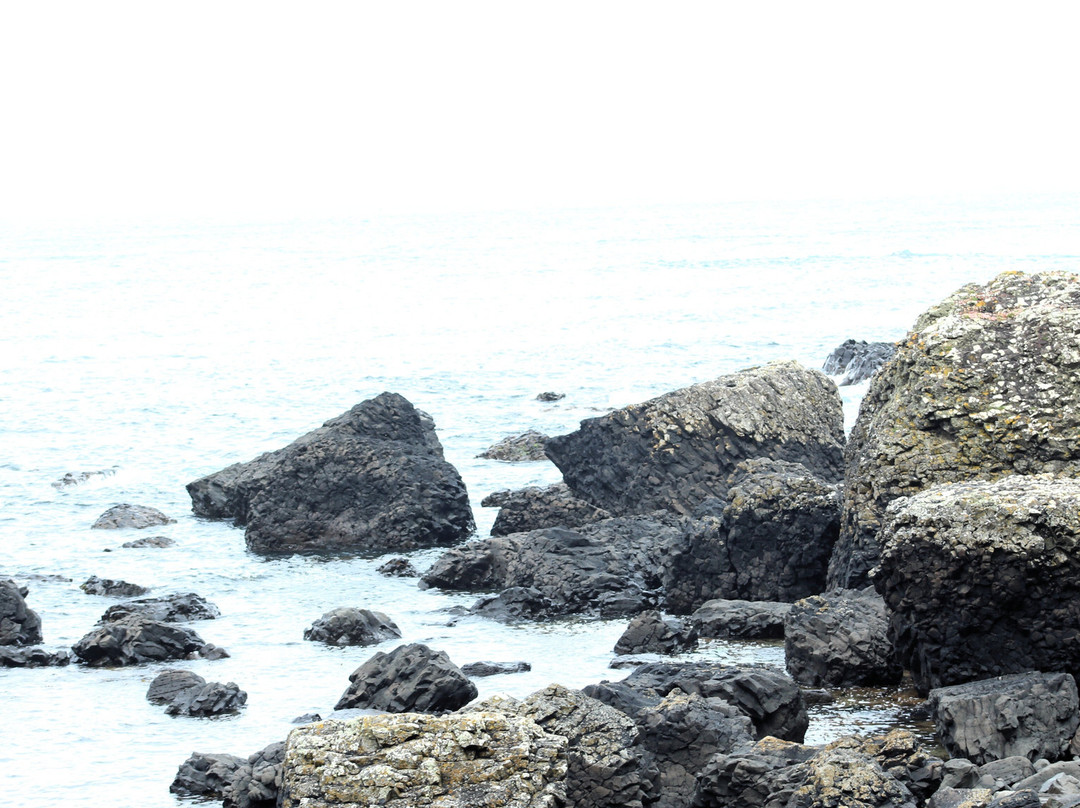
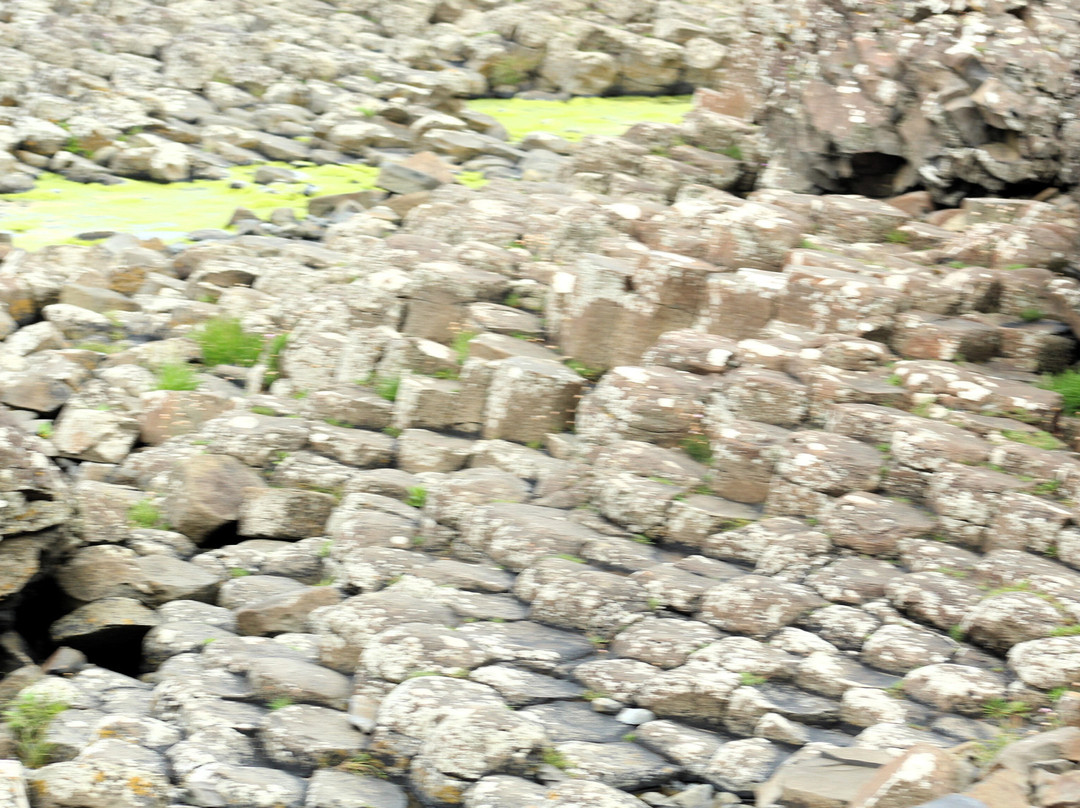
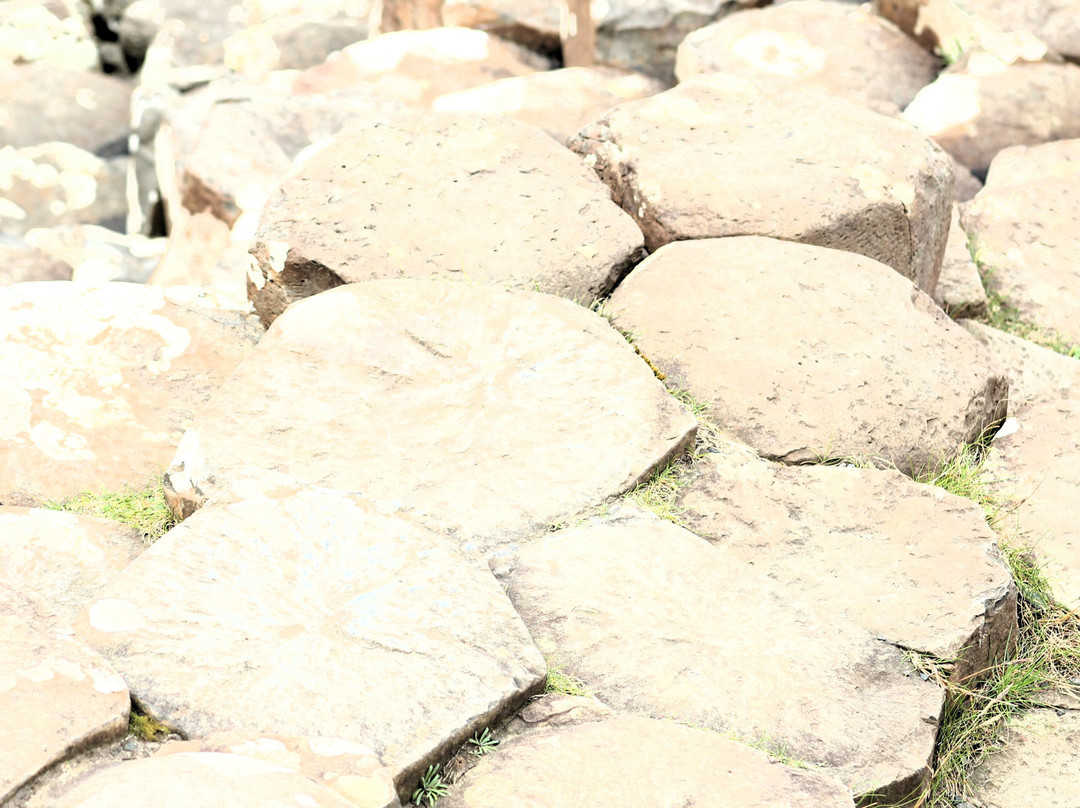
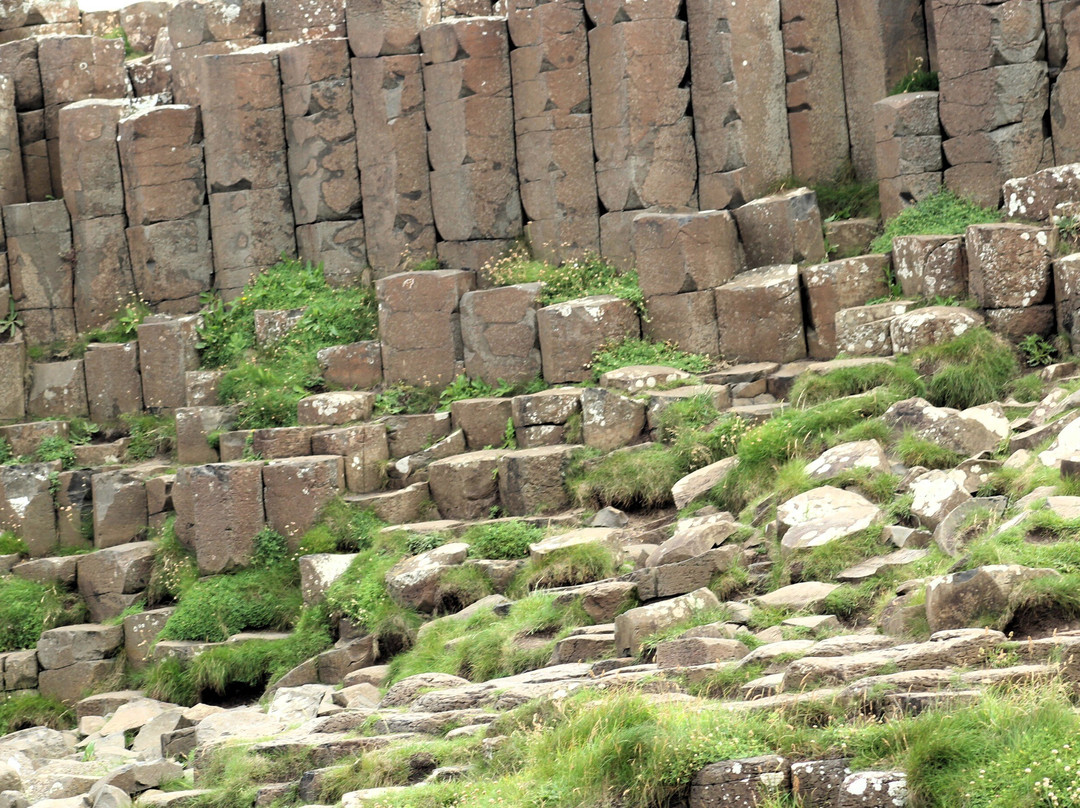
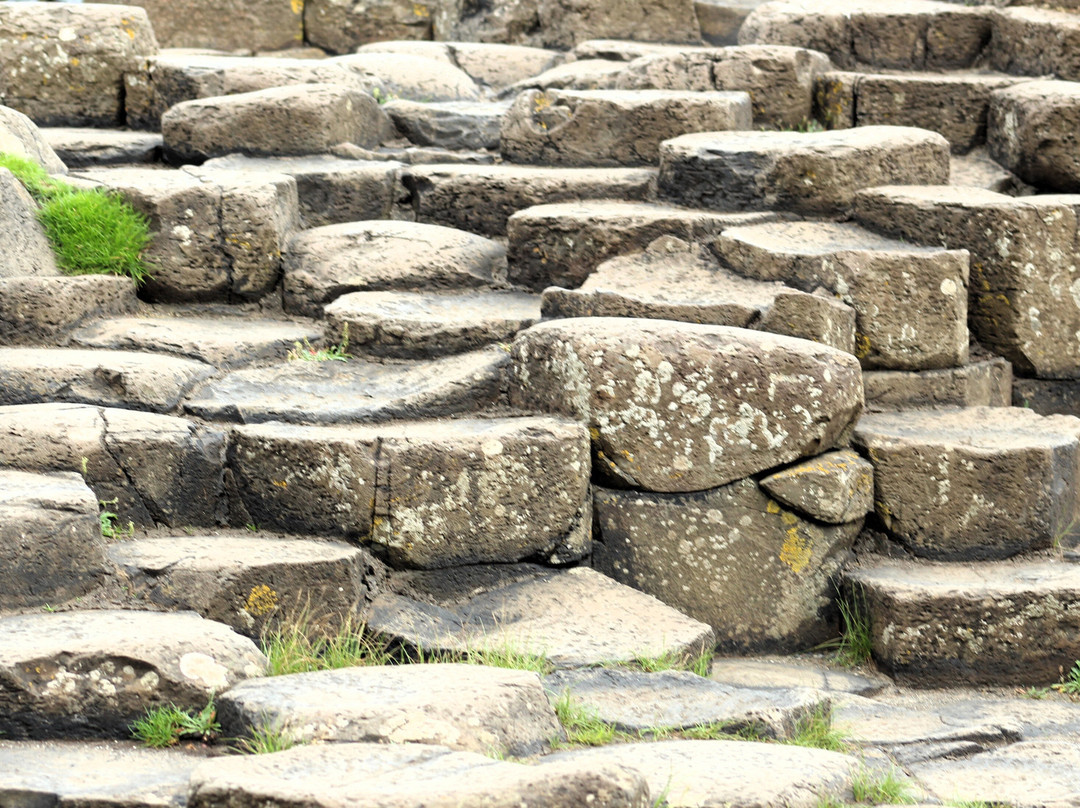
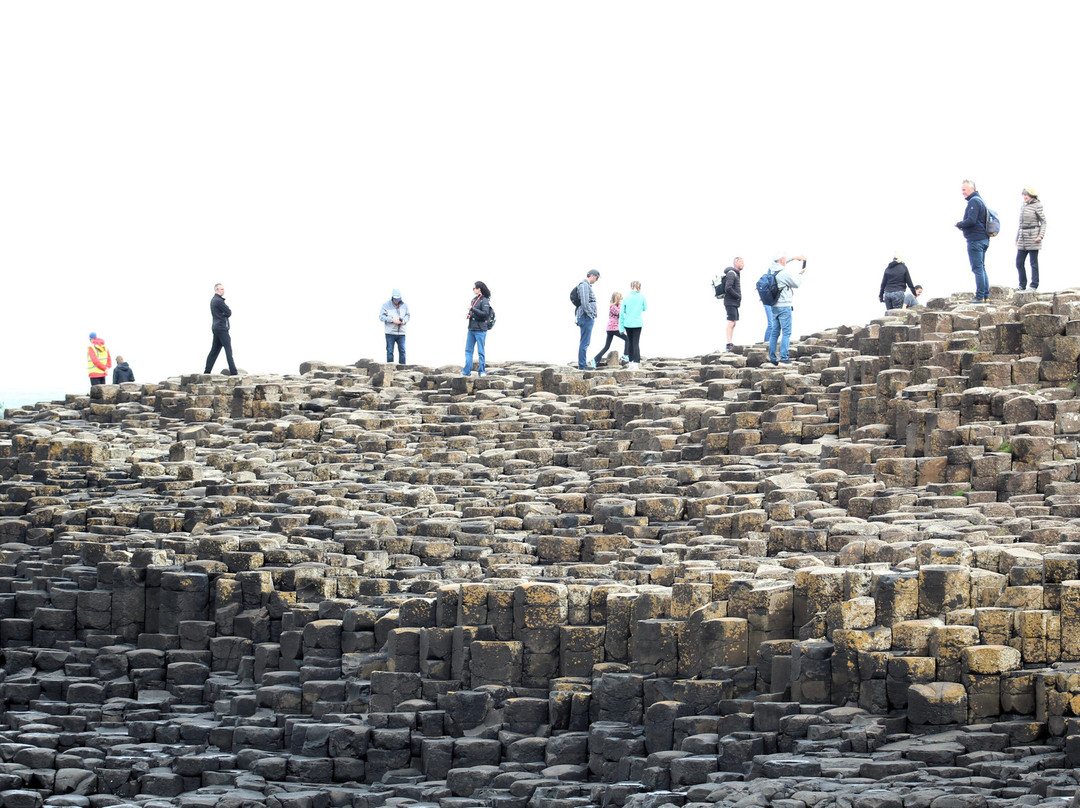
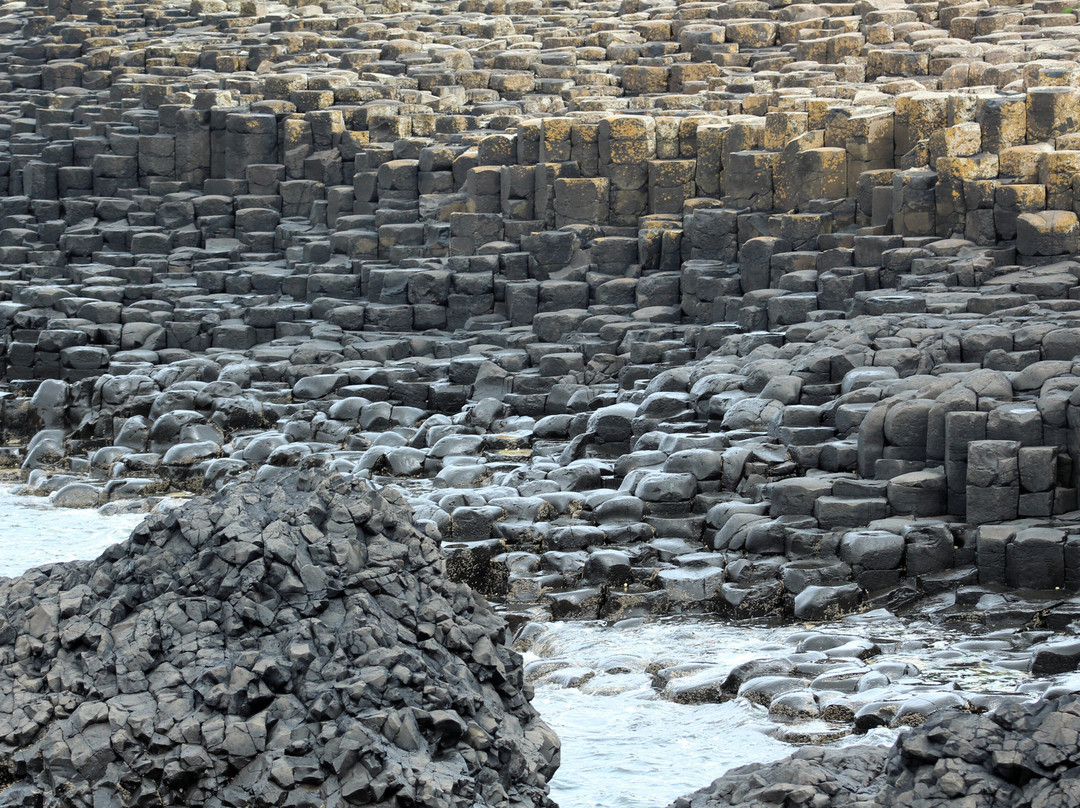
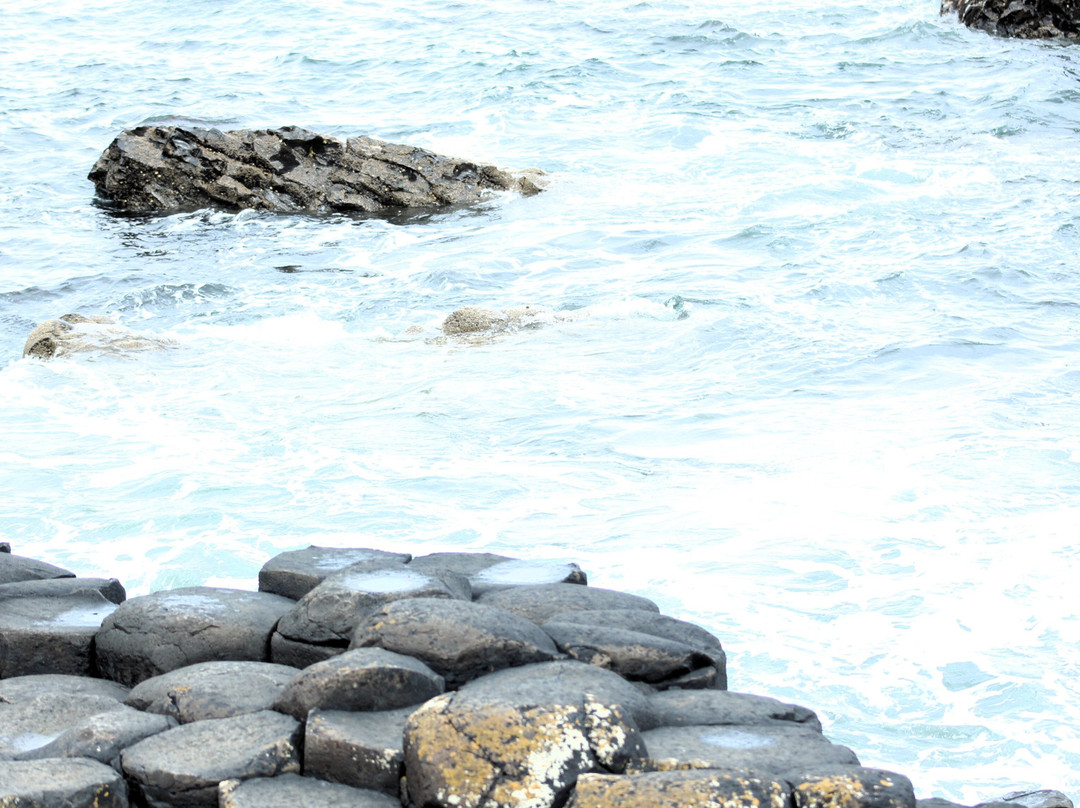
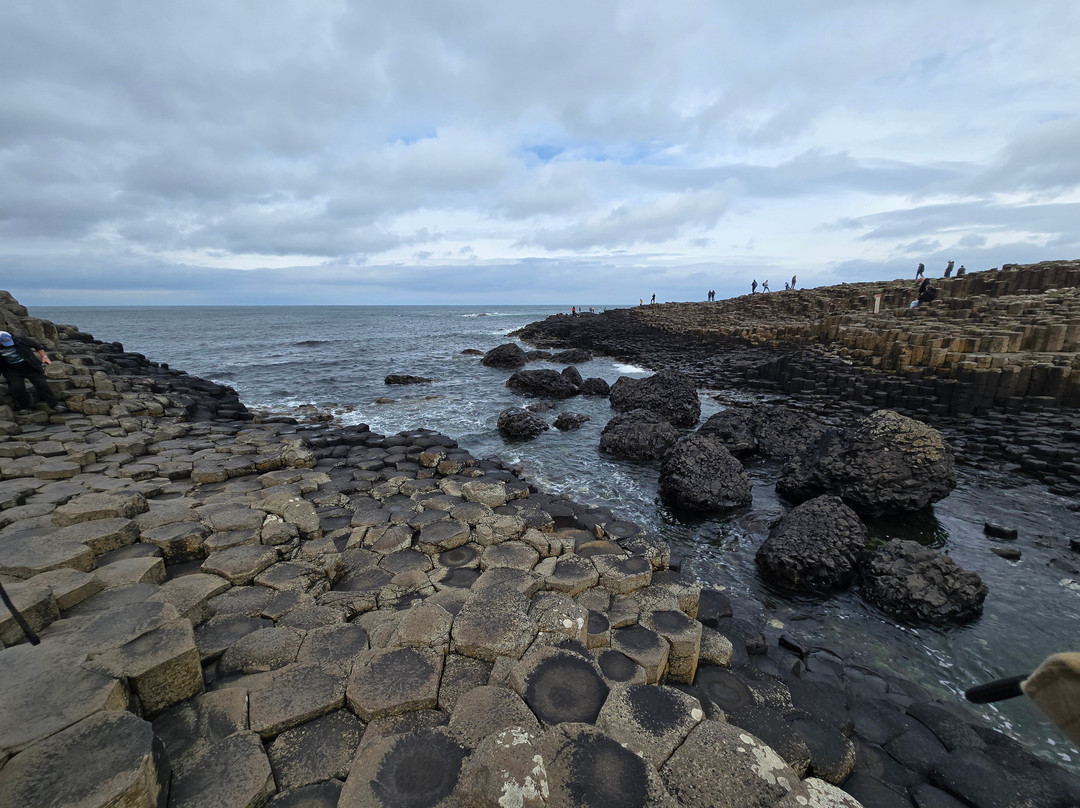
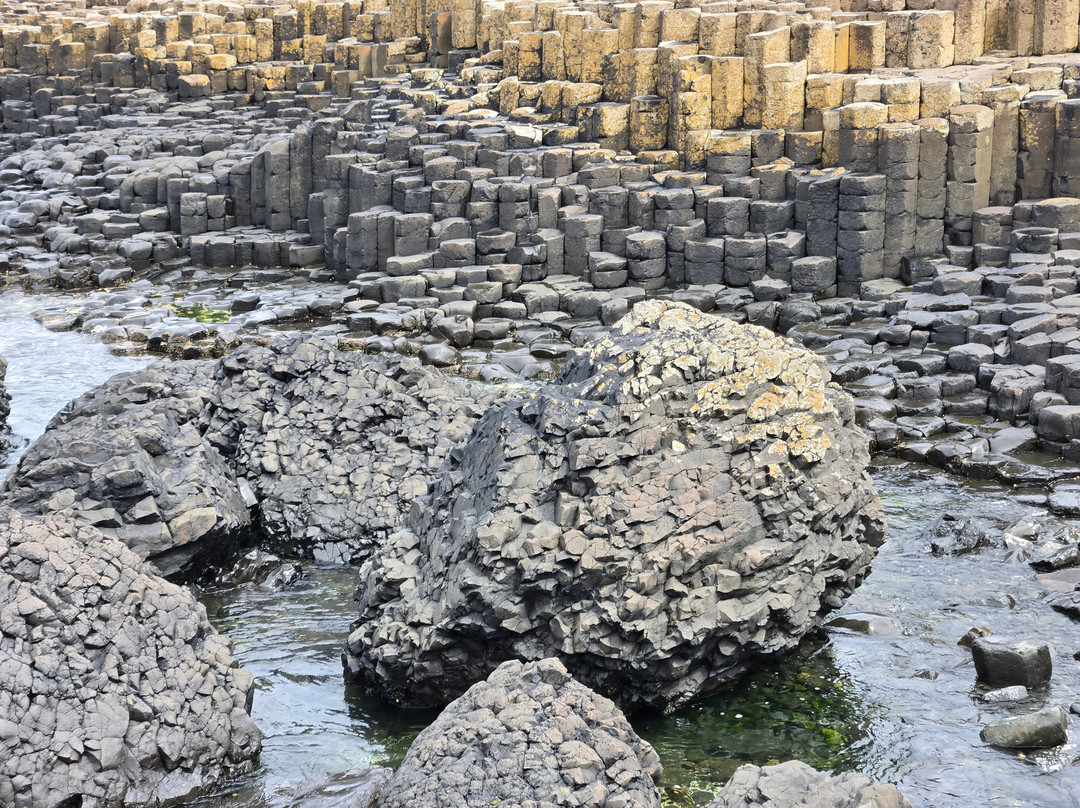
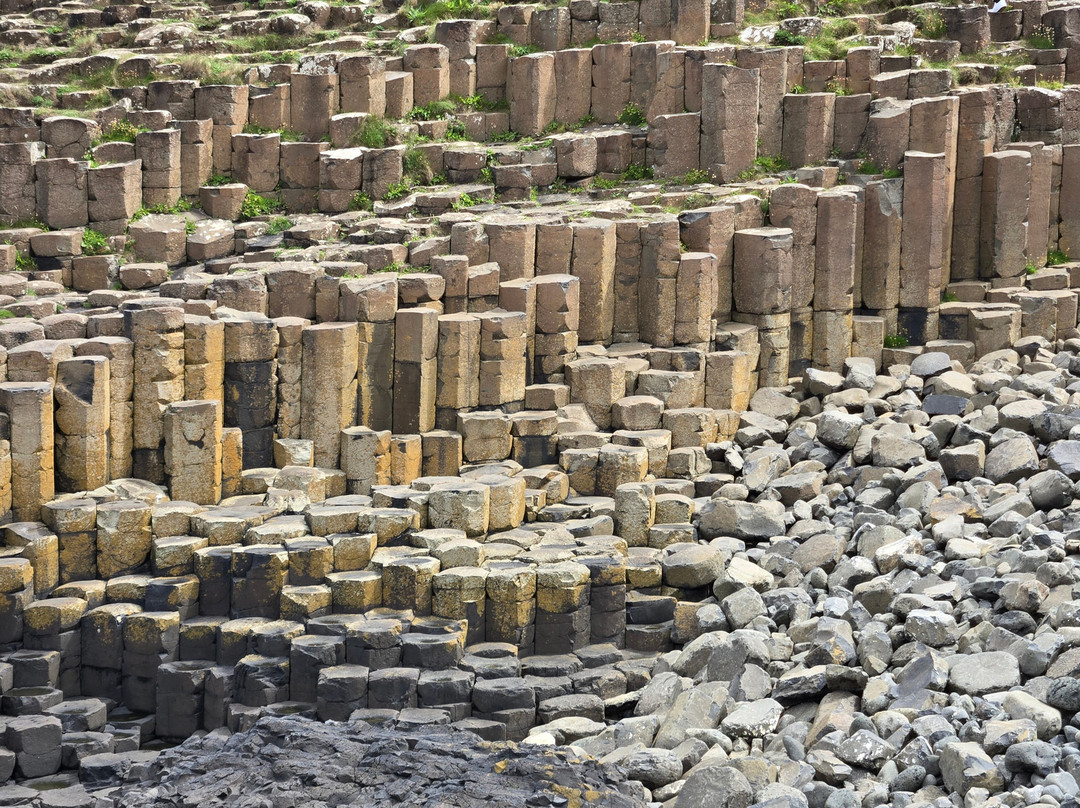
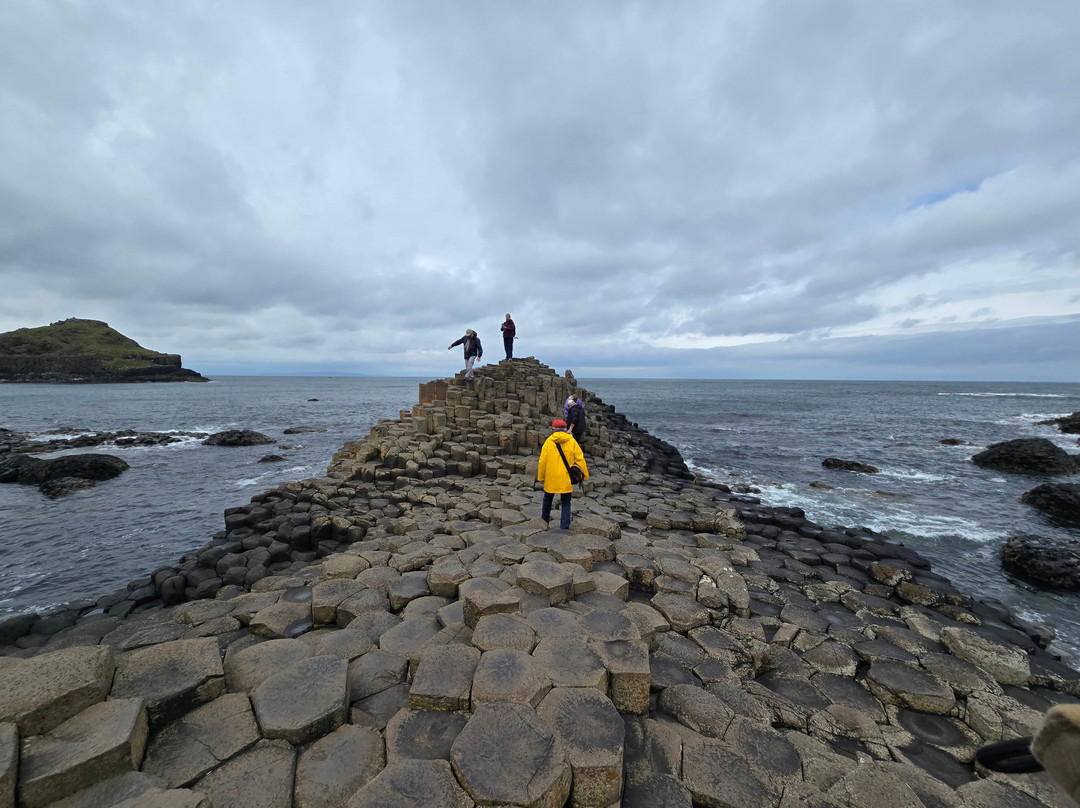
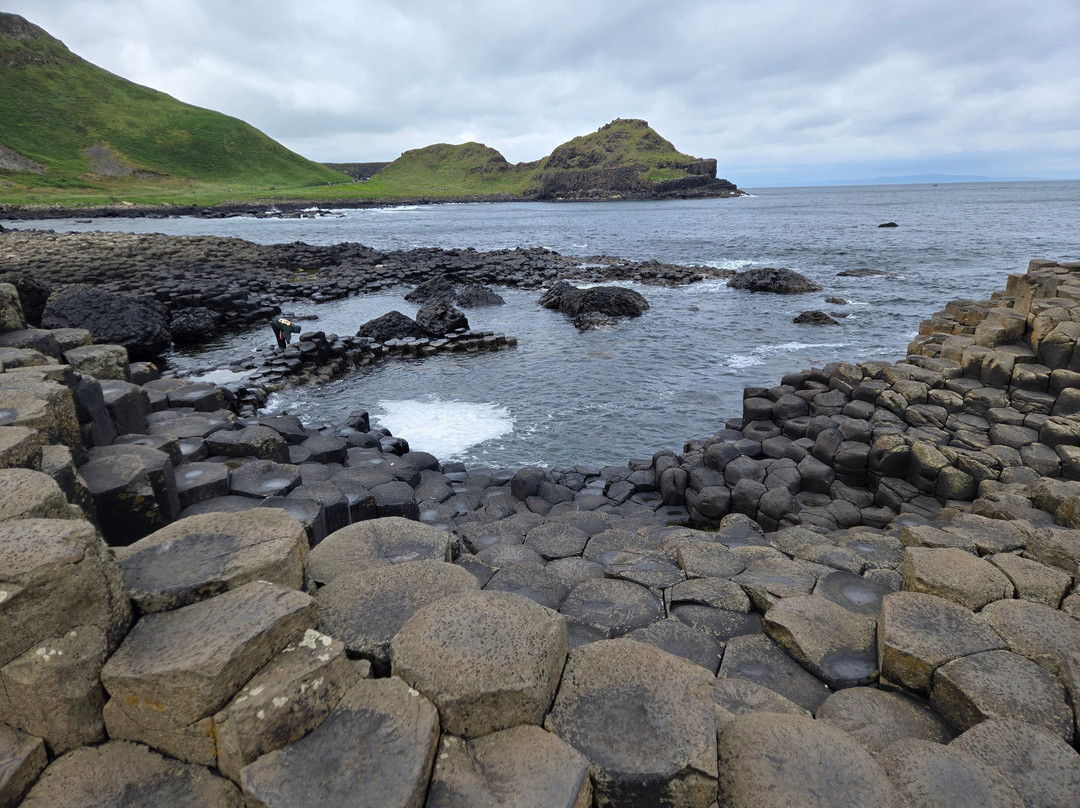
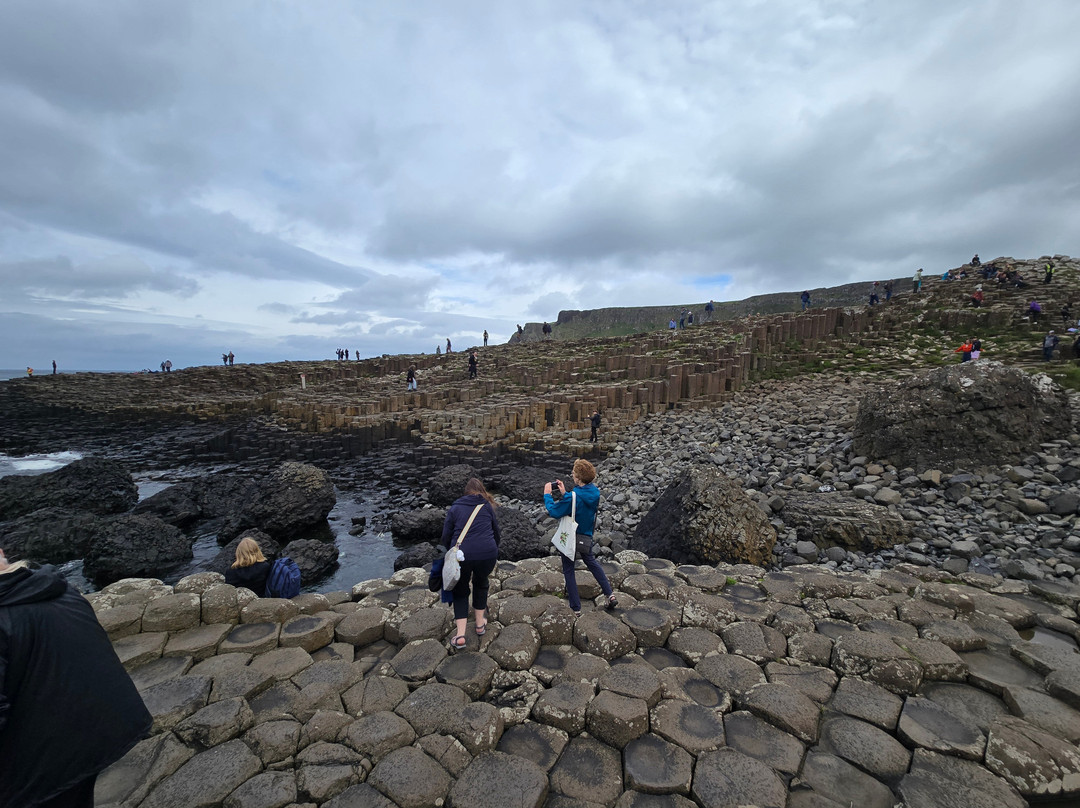
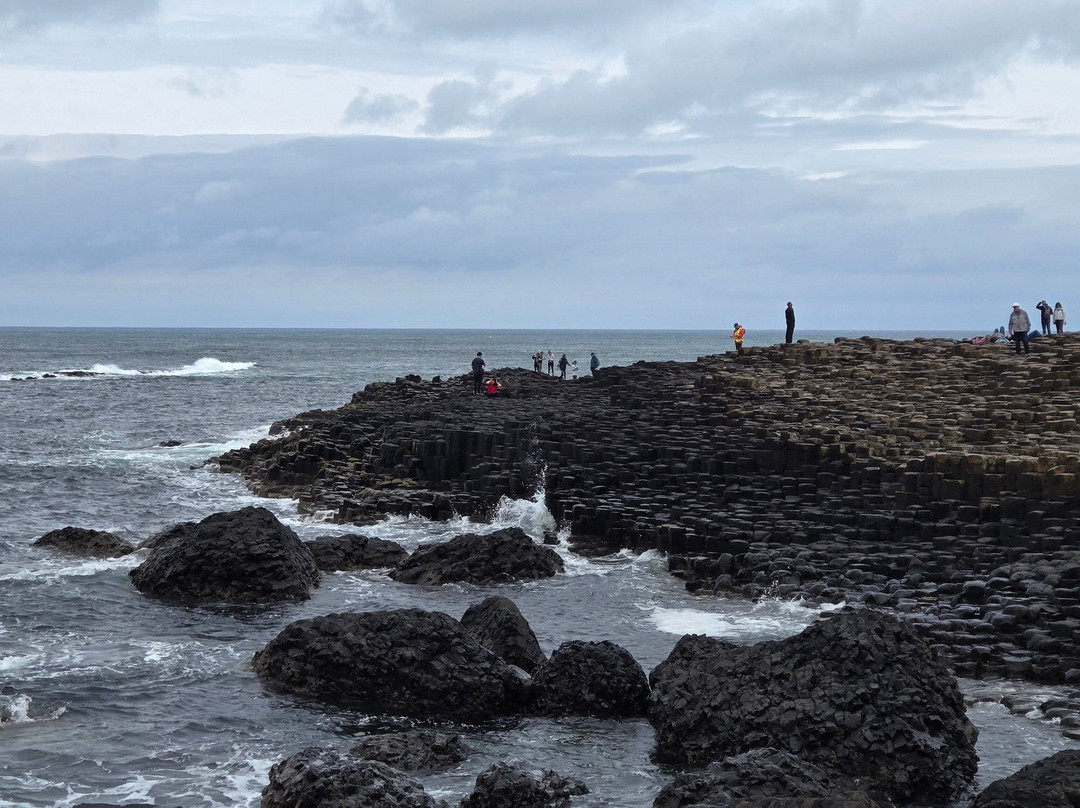
点评:It was a short drive from Dunluce Castle east along the coast to our next stop and the main attraction of this tour, the Giant’s Causeway. The Giant’s Causeway is a unique area of approximately 40,000 interlocking columns made from basalt rising from the sea. It is located on the Antrim coast just north of the town of Bushmills.
There are two theories as to what created this geological phenomenon. The first scientific and the second…. More interesting.
The scientific explanation is that the columns were created because of a volcanic fissure some sixty-six million years ago. An almost identical geological feature of symmetrical basalt columns can be found across the sea at Fingal’s Cave on the isle of Staffa in Scotland.
The more interesting theory comes from Irish folklore. Many years past an Irish giant named Finn MacCool resided in the area in a cottage with his wife Sadhbh. Apparently, Finn heard of a Scottish giant named Benandonner who lived across the sea and for reasons unknown decided to fight him.
To reach him Finn constructed a bridge or causeway from the basalt rocks in the hills by the coast shaping them to fit together. Once built he crossed to Scotland in search of Benandonner.
Once he caught sight of the other giant though he realized that he was much bigger than Finn was and therefore would probably win any fight. Finn changed his mind and hurriedly recrossed the causeway back to Ireland.
Benandonner saw this and pursued Finn back across the causeway. Finn reached his own cottage and in a panic asked his wife what he should do. The wife as is usually the case being the brains of the operation, told Finn to make a crib out of wood, fill it with blankets and hide in it.
Finn finished this just as Benandonner came into the house demanding to know where Finn was so they could fight. Sadhbh told him Finn had just stepped out and would be back soon, and he was welcome to wait. However, could he please be quiet as Finn’s and her infant son was asleep in the crib in the room.
Benandonner looked in the crib, saw Finn pretending to sleep, and thought that if this was the infant almost as big as he was, then Finn must be much larger and therefore would easily win any fight.
Benandonner in a panic hurriedly left and ran back to Scotland tearing up the causeway behind him to prevent an enraged Finn from following. All that remains is the small sections on each shore.
Mind it should be noted that there is little scientific evidence to support this theory.
From the parking area on the top of the hills there are three ways to get down to the causeway itself, two easy and one adventurous.
For the adventurous one climbs the hill by the tunnel and follows the path through the fields to the Giant's Causeway Viewpoint a cliff top observation point with a spectacular view. One then descends to sea level via the Shepherd's Steps a wooden staircase built into the cliff face.
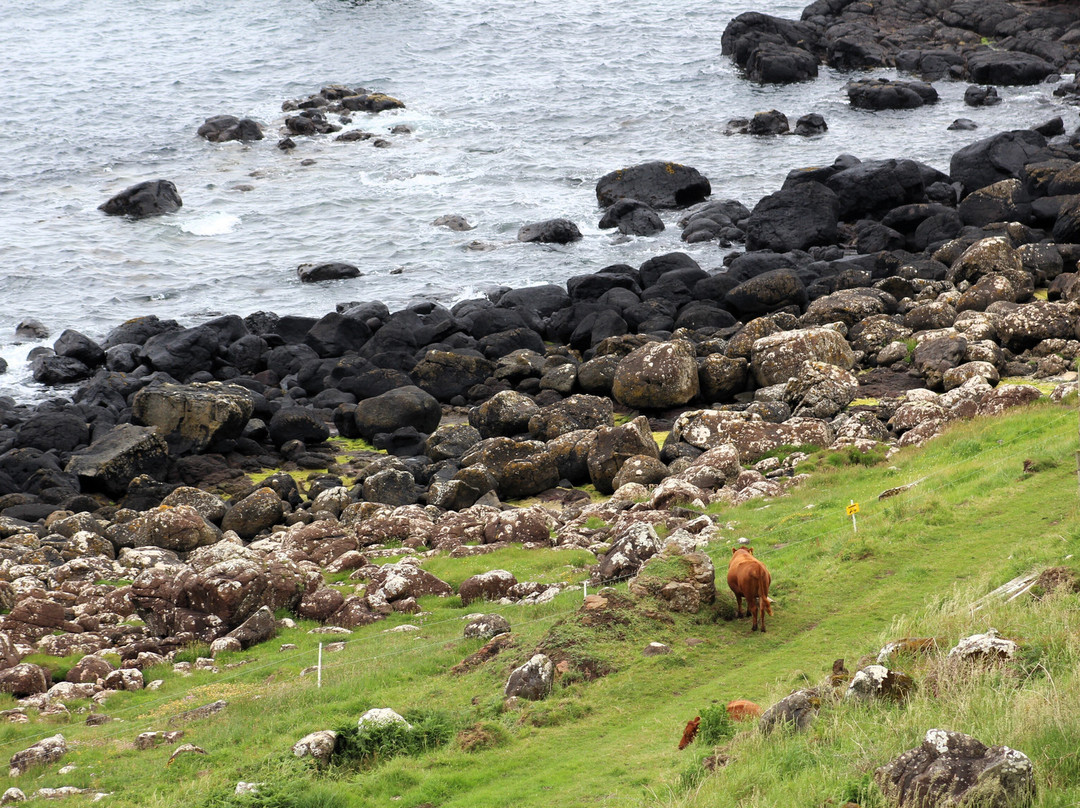
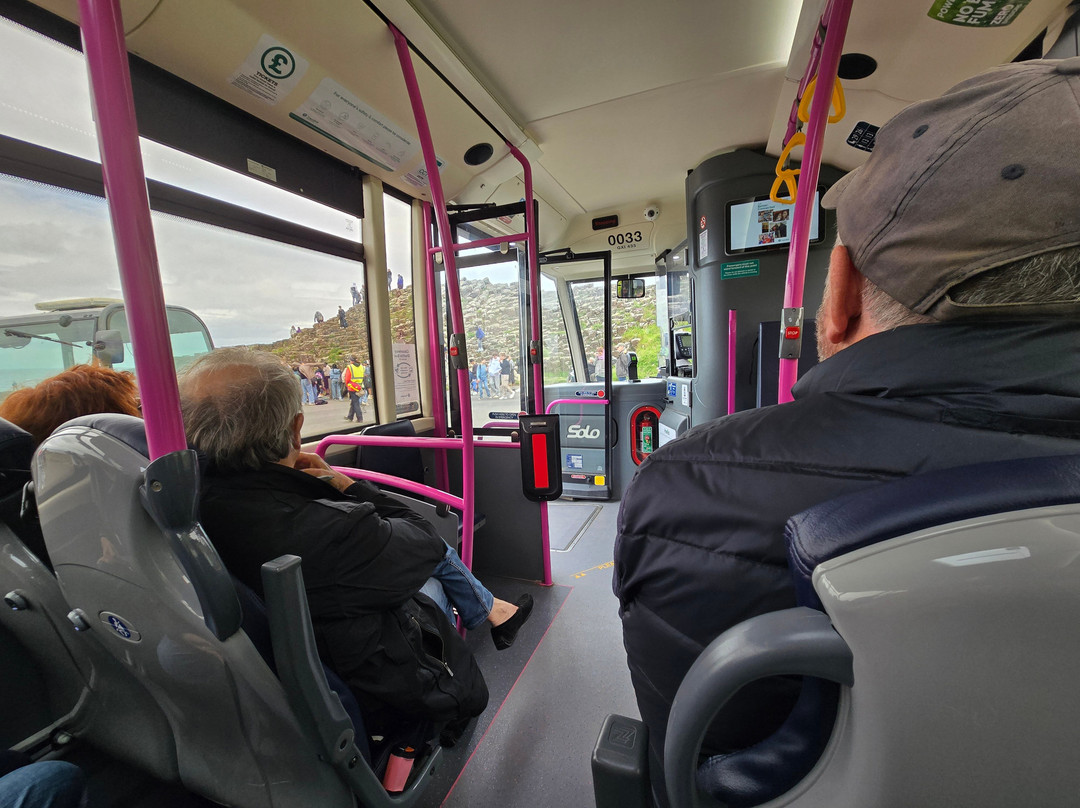
The easier way is to walk through the tunnel by the visitor centre and then follow the gently sloping, curving road down past Bay of the Cow until you reach the causeway itself. The walk takes about twenty-five minutes down hill. For those who don’t want to walk there is a frequent shuttle bus service part of the Ulster Bus Service.
We chose to take our time and walk down the road taking pictures on the way. Once at the bottom and after spending some time there we were about to start walking back up when the bus arrived.
It cost one pound each way and I had pound coins from our earlier coffee stop in Belfast, so we boarded and rode to the top in style. I didn’t see it, but my wife says she saw other passengers used their cards to tap on.
The Giant’s Causeway claims to be the most popular tourist attraction in Northern Ireland. It has been a tourist attraction as far back as 1692. It really became popular in the 19th Century especially with the opening of a light rail service in 1893 which connected it to the railway station in nearby Portrush. With tourist came commercial activities which soon began to overwhelm the area. This railway ran until 1949.
In the 1960’s the site became part of the National Trust and efforts were made to preserve it and remove some of the crasser commercial activities. In 1986 the Giant’s Causeway was declared a UNESCO World heritage site.
A visitor centre was also built that year but burned down in 2000. A new one was constructed and opened in 2012. This one is partially buried into the hillside to preserve the natural aesthetics of the place. This creates the tunnel where the road down to see level begins.
Interestingly enough admission to the Giant’s Causeway is free, although one does pay for parking nearby. The admission is for the National Trust and the Visitor Centre and at present is 16 pounds with special rates for children and groups. National Trust members do get in free.
The visitor centre aside from displays has a gift shop, washrooms and a cafeteria. There is a public washroom outside as well as ones in the nearby Nook Pub and the Causeway Hotel, which also has a small gift shop. Both also offer dining options.
There are two theories as to what created this geological phenomenon. The first scientific and the second…. More interesting.
The scientific explanation is that the columns were created because of a volcanic fissure some sixty-six million years ago. An almost identical geological feature of symmetrical basalt columns can be found across the sea at Fingal’s Cave on the isle of Staffa in Scotland.
The more interesting theory comes from Irish folklore. Many years past an Irish giant named Finn MacCool resided in the area in a cottage with his wife Sadhbh. Apparently, Finn heard of a Scottish giant named Benandonner who lived across the sea and for reasons unknown decided to fight him.
To reach him Finn constructed a bridge or causeway from the basalt rocks in the hills by the coast shaping them to fit together. Once built he crossed to Scotland in search of Benandonner.
Once he caught sight of the other giant though he realized that he was much bigger than Finn was and therefore would probably win any fight. Finn changed his mind and hurriedly recrossed the causeway back to Ireland.
Benandonner saw this and pursued Finn back across the causeway. Finn reached his own cottage and in a panic asked his wife what he should do. The wife as is usually the case being the brains of the operation, told Finn to make a crib out of wood, fill it with blankets and hide in it.
Finn finished this just as Benandonner came into the house demanding to know where Finn was so they could fight. Sadhbh told him Finn had just stepped out and would be back soon, and he was welcome to wait. However, could he please be quiet as Finn’s and her infant son was asleep in the crib in the room.
Benandonner looked in the crib, saw Finn pretending to sleep, and thought that if this was the infant almost as big as he was, then Finn must be much larger and therefore would easily win any fight.
Benandonner in a panic hurriedly left and ran back to Scotland tearing up the causeway behind him to prevent an enraged Finn from following. All that remains is the small sections on each shore.
Mind it should be noted that there is little scientific evidence to support this theory.
From the parking area on the top of the hills there are three ways to get down to the causeway itself, two easy and one adventurous.
For the adventurous one climbs the hill by the tunnel and follows the path through the fields to the Giant's Causeway Viewpoint a cliff top observation point with a spectacular view. One then descends to sea level via the Shepherd's Steps a wooden staircase built into the cliff face.
The easier way is to walk through the tunnel by the visitor centre and then follow the gently sloping, curving road down past Bay of the Cow until you reach the causeway itself. The walk takes about twenty-five minutes down hill. For those who don’t want to walk there is a frequent shuttle bus service part of the Ulster Bus Service.
We chose to take our time and walk down the road taking pictures on the way. Once at the bottom and after spending some time there we were about to start walking back up when the bus arrived.
It cost one pound each way and I had pound coins from our earlier coffee stop in Belfast, so we boarded and rode to the top in style. I didn’t see it, but my wife says she saw other passengers used their cards to tap on.
The Giant’s Causeway claims to be the most popular tourist attraction in Northern Ireland. It has been a tourist attraction as far back as 1692. It really became popular in the 19th Century especially with the opening of a light rail service in 1893 which connected it to the railway station in nearby Portrush. With tourist came commercial activities which soon began to overwhelm the area. This railway ran until 1949.
In the 1960’s the site became part of the National Trust and efforts were made to preserve it and remove some of the crasser commercial activities. In 1986 the Giant’s Causeway was declared a UNESCO World heritage site.
A visitor centre was also built that year but burned down in 2000. A new one was constructed and opened in 2012. This one is partially buried into the hillside to preserve the natural aesthetics of the place. This creates the tunnel where the road down to see level begins.
Interestingly enough admission to the Giant’s Causeway is free, although one does pay for parking nearby. The admission is for the National Trust and the Visitor Centre and at present is 16 pounds with special rates for children and groups. National Trust members do get in free.
The visitor centre aside from displays has a gift shop, washrooms and a cafeteria. There is a public washroom outside as well as ones in the nearby Nook Pub and the Causeway Hotel, which also has a small gift shop. Both also offer dining options.
翻译:从邓卢斯城堡出发,沿着海岸向东行驶一小段路程,便抵达了我们此行的下一站,也是本次游览的主要景点——巨人堤道。巨人堤道是一片独特的地貌区域,由约4万根相互连接的玄武岩柱组成,这些石柱从海中拔地而起。它位于安特里姆郡的海岸线上,就在布什米尔斯镇的北面。
关于这一地质现象的成因,有两种说法。第一种较为科学,而第二种……则更有趣。从科学角度来看,这些石柱的形成是由于约6600万年前的一次火山裂隙活动。在苏格兰斯塔法岛上的芬格尔洞窟中,也能见到几乎一模一样的、由对称排列的玄武岩柱构成的地质景观。
更有趣的说法则源自爱尔兰的民间传说。很久以前,一位名叫芬恩·麦克库尔的爱尔兰巨人曾与妻子萨德芙一起住在该地的一间小屋里。据说……芬恩听说了有个名叫贝南多纳的苏格兰巨人,住在海的另一边。出于某种未知的原因,他决定与对方决斗。
为了去到那里,芬恩用海岸边山丘上的玄武岩块修筑了一座桥或堤道,把这些石头加工得能彼此契合。桥造好后,他便渡海前往苏格兰去寻找贝南多纳。
然而,当他见到那个巨人后,才意识到对方比自己高大得多,因此在任何战斗中很可能都会获胜。芬恩改变了主意,匆忙沿着堤道返回爱尔兰。
贝纳多纳看到后,也沿着堤道追赶芬恩。芬恩回到自家小屋后惊慌失措,问妻子该怎么办。像往常一样,妻子成了出谋划策的人,她让芬恩用木头做一个婴儿床,里面塞满毯子,然后躲进去。
就在贝纳多纳走进屋子,要求知道芬恩的下落以便决斗时,芬恩也刚好完成了这一切。萨德芙告诉他,芬恩刚刚出门,很快就会回来,他可以在这里等候。不过,由于芬恩和他们的幼子正在房间里的小床上睡觉,能否请他保持安静呢?
贝南多纳朝小床里望去,看到芬恩正假装睡觉,心想:如果这个婴儿的个头都快和他相当了,那芬恩肯定块头更大,这样无论打什么架都能轻易取胜吧。贝南多纳惊慌失措,匆忙离开并跑回苏格兰,同时毁掉了身后的堤道,以防暴怒的芬恩追上他。如今只剩两岸各一小段堤道尚存。
需要指出的是,几乎没有科学证据能支持这一理论。
从山顶的停车场出发,有三条路可以下到堤道上——两条较为轻松,一条则颇具冒险性。对于喜欢冒险的人而言,可以爬上隧道旁的山丘,沿着田间小径前往“巨人堤道观景台”——这是一个位于悬崖顶端的观景点,视野极为壮观。之后再沿着开凿在崖壁上的木质阶梯“牧羊人阶梯”下行至海平面。
较为轻松的路线则是从游客中心旁的隧道穿出,随后沿着坡度平缓且蜿蜒曲折的道路前行,经过“奶牛湾”后便能抵达巨人堤道。这段路下坡大约需要25分钟。如果不想步行,也可以乘坐阿尔斯特巴士服务提供的频繁往返班车。
我们决定慢慢行走,沿途拍照。到达山脚后,我们在那里逗留了一会儿,正准备开始往回走时,班车恰好到了。
单程票价为一英镑。我们之前在贝尔法斯特喝咖啡时买了英镑硬币,于是便上了车,优哉游哉地回到了山顶。我没看到,但我妻子说她看见其他乘客用卡进行刷卡操作。
巨人堤道号称是北爱尔兰最受欢迎的旅游景点。自1692年起它便已成为一处旅游胜地。19世纪时它真正开始走红,尤其是1893年轻轨服务开通后,该地便与附近的波特拉什火车站相连。随着游客增多,商业活动也随之兴起,很快便让这一地区变得过于拥挤。这条铁路一直运行到1949年。
20世纪60年代,该地成为国家信托基金的管辖范围,人们着手对其进行保护,并清除了一些较为粗俗的商业设施。1986年,巨人堤道被列为联合国教科文组织世界遗产。
同年还修建了一座游客中心,但该中心于2000年遭火灾焚毁。之后又新建了一座,并于2012年对外开放。这座新游客中心部分建在山坡中,旨在保持该地的自然美感。这样就形成了通往海平面的通道。
有趣的是,虽然进入巨人堤道无需付费,但在附近停车则需收费。门票费用用于维持国家信托基金及游客中心的运营,目前票价为16英镑,儿童和团体可享受优惠价。国家信托基金的会员则可免费入场。
游客中心除了展览区外,还设有礼品店、洗手间以及自助餐厅。外面有一个公共洗手间,附近的Nook Pub酒吧和Causeway Hotel酒店内也设有洗手间,后者还有一个小型礼品店。这两处场所也提供餐饮服务。
关于这一地质现象的成因,有两种说法。第一种较为科学,而第二种……则更有趣。从科学角度来看,这些石柱的形成是由于约6600万年前的一次火山裂隙活动。在苏格兰斯塔法岛上的芬格尔洞窟中,也能见到几乎一模一样的、由对称排列的玄武岩柱构成的地质景观。
更有趣的说法则源自爱尔兰的民间传说。很久以前,一位名叫芬恩·麦克库尔的爱尔兰巨人曾与妻子萨德芙一起住在该地的一间小屋里。据说……芬恩听说了有个名叫贝南多纳的苏格兰巨人,住在海的另一边。出于某种未知的原因,他决定与对方决斗。
为了去到那里,芬恩用海岸边山丘上的玄武岩块修筑了一座桥或堤道,把这些石头加工得能彼此契合。桥造好后,他便渡海前往苏格兰去寻找贝南多纳。
然而,当他见到那个巨人后,才意识到对方比自己高大得多,因此在任何战斗中很可能都会获胜。芬恩改变了主意,匆忙沿着堤道返回爱尔兰。
贝纳多纳看到后,也沿着堤道追赶芬恩。芬恩回到自家小屋后惊慌失措,问妻子该怎么办。像往常一样,妻子成了出谋划策的人,她让芬恩用木头做一个婴儿床,里面塞满毯子,然后躲进去。
就在贝纳多纳走进屋子,要求知道芬恩的下落以便决斗时,芬恩也刚好完成了这一切。萨德芙告诉他,芬恩刚刚出门,很快就会回来,他可以在这里等候。不过,由于芬恩和他们的幼子正在房间里的小床上睡觉,能否请他保持安静呢?
贝南多纳朝小床里望去,看到芬恩正假装睡觉,心想:如果这个婴儿的个头都快和他相当了,那芬恩肯定块头更大,这样无论打什么架都能轻易取胜吧。贝南多纳惊慌失措,匆忙离开并跑回苏格兰,同时毁掉了身后的堤道,以防暴怒的芬恩追上他。如今只剩两岸各一小段堤道尚存。
需要指出的是,几乎没有科学证据能支持这一理论。
从山顶的停车场出发,有三条路可以下到堤道上——两条较为轻松,一条则颇具冒险性。对于喜欢冒险的人而言,可以爬上隧道旁的山丘,沿着田间小径前往“巨人堤道观景台”——这是一个位于悬崖顶端的观景点,视野极为壮观。之后再沿着开凿在崖壁上的木质阶梯“牧羊人阶梯”下行至海平面。
较为轻松的路线则是从游客中心旁的隧道穿出,随后沿着坡度平缓且蜿蜒曲折的道路前行,经过“奶牛湾”后便能抵达巨人堤道。这段路下坡大约需要25分钟。如果不想步行,也可以乘坐阿尔斯特巴士服务提供的频繁往返班车。
我们决定慢慢行走,沿途拍照。到达山脚后,我们在那里逗留了一会儿,正准备开始往回走时,班车恰好到了。
单程票价为一英镑。我们之前在贝尔法斯特喝咖啡时买了英镑硬币,于是便上了车,优哉游哉地回到了山顶。我没看到,但我妻子说她看见其他乘客用卡进行刷卡操作。
巨人堤道号称是北爱尔兰最受欢迎的旅游景点。自1692年起它便已成为一处旅游胜地。19世纪时它真正开始走红,尤其是1893年轻轨服务开通后,该地便与附近的波特拉什火车站相连。随着游客增多,商业活动也随之兴起,很快便让这一地区变得过于拥挤。这条铁路一直运行到1949年。
20世纪60年代,该地成为国家信托基金的管辖范围,人们着手对其进行保护,并清除了一些较为粗俗的商业设施。1986年,巨人堤道被列为联合国教科文组织世界遗产。
同年还修建了一座游客中心,但该中心于2000年遭火灾焚毁。之后又新建了一座,并于2012年对外开放。这座新游客中心部分建在山坡中,旨在保持该地的自然美感。这样就形成了通往海平面的通道。
有趣的是,虽然进入巨人堤道无需付费,但在附近停车则需收费。门票费用用于维持国家信托基金及游客中心的运营,目前票价为16英镑,儿童和团体可享受优惠价。国家信托基金的会员则可免费入场。
游客中心除了展览区外,还设有礼品店、洗手间以及自助餐厅。外面有一个公共洗手间,附近的Nook Pub酒吧和Causeway Hotel酒店内也设有洗手间,后者还有一个小型礼品店。这两处场所也提供餐饮服务。

© 2026 Tripadvisor 版权所有。
部分照片由 VFM Leonardo 提供。
TripAdvisor公司对外部网站的内容一概不负责。优惠价格中不含税和其他费用。
ICP证:沪B2-20200433
沪ICP备20013175号
 沪公网安备31010502005427号
鹰程信息技术(上海)有限公司