下载App
资质规则
旅行
账户

ClaireWithLove
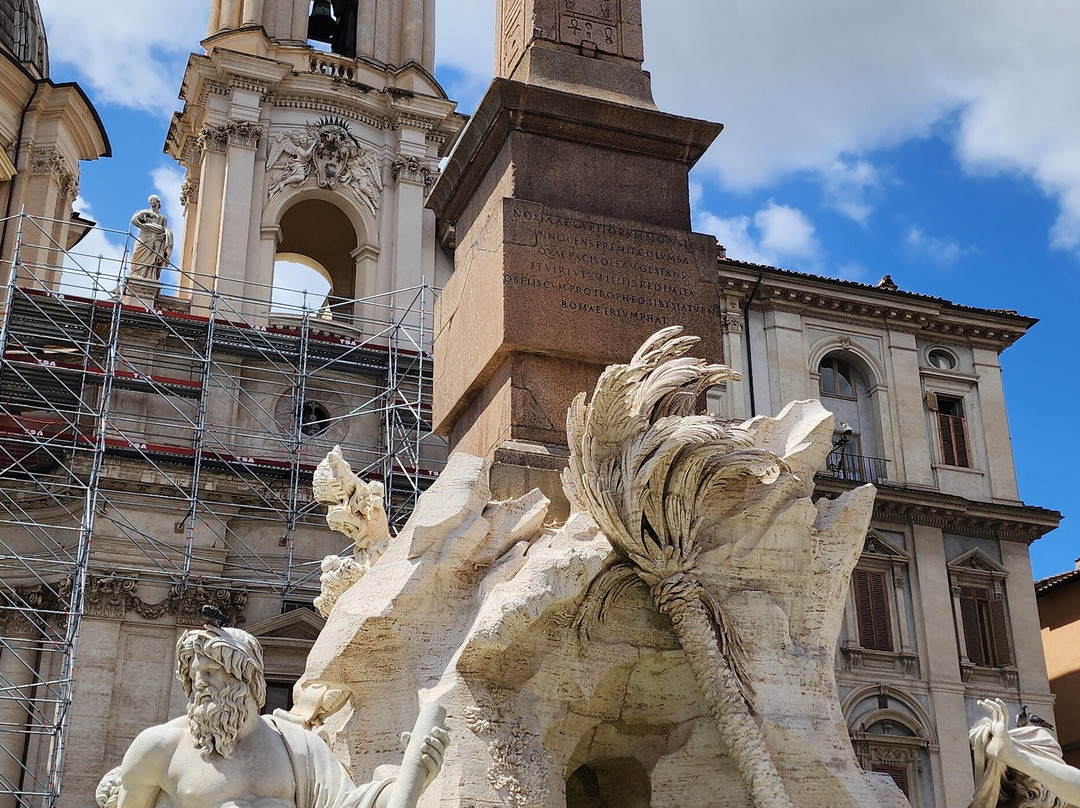
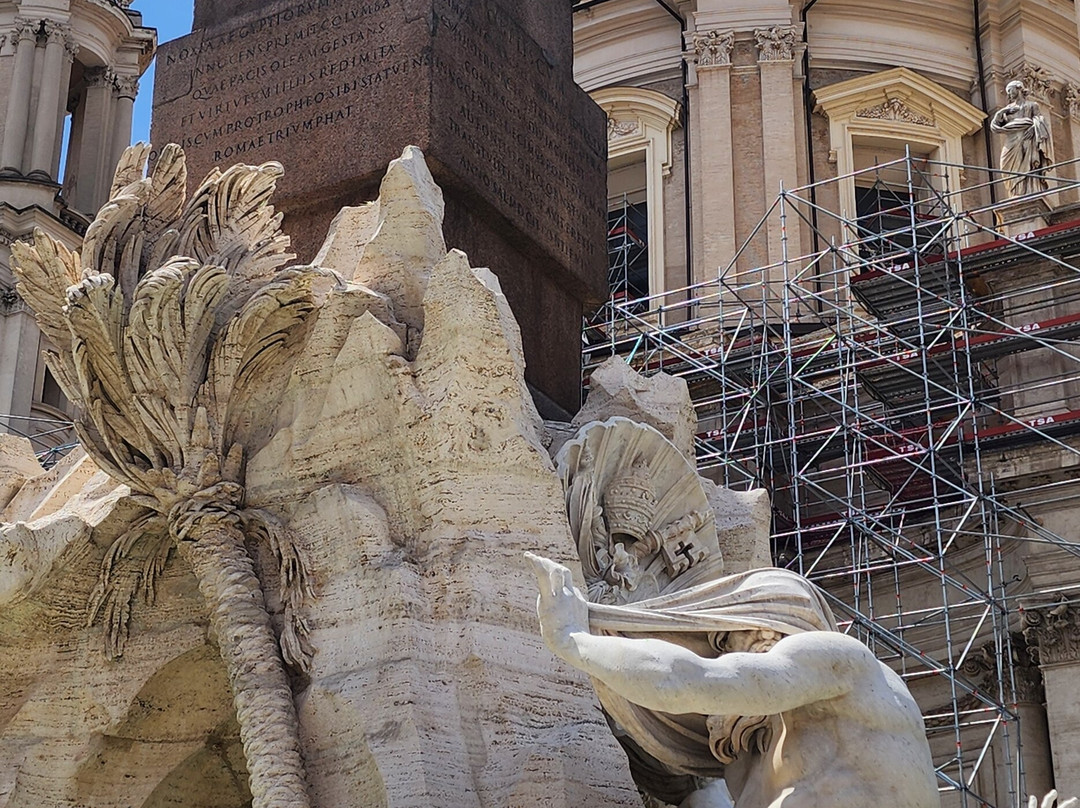
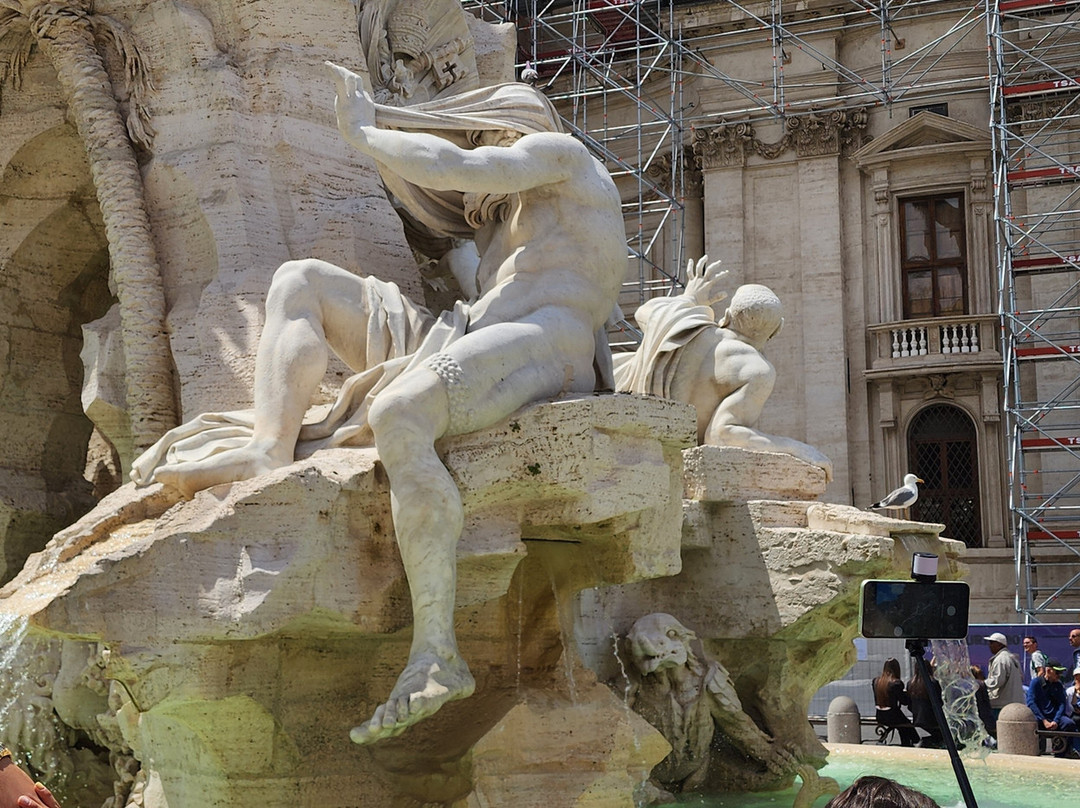
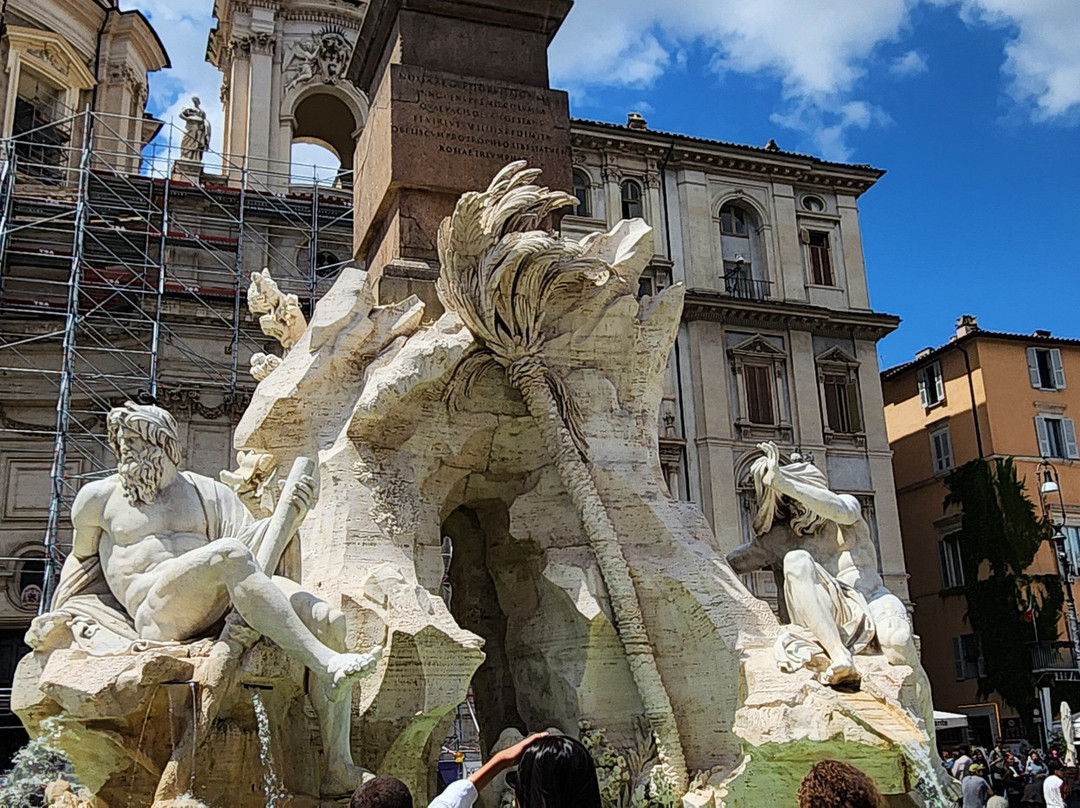
Bernini Fountain of Four Rivers and Beautiful Square
纳沃纳广场的点评
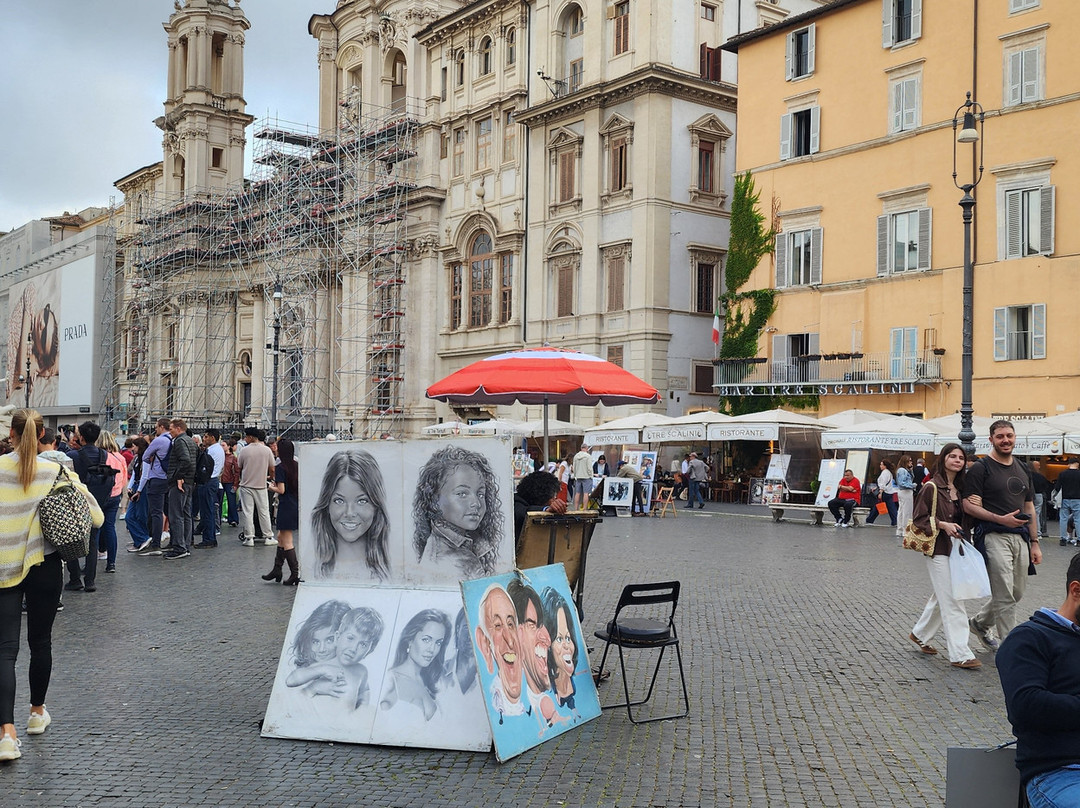
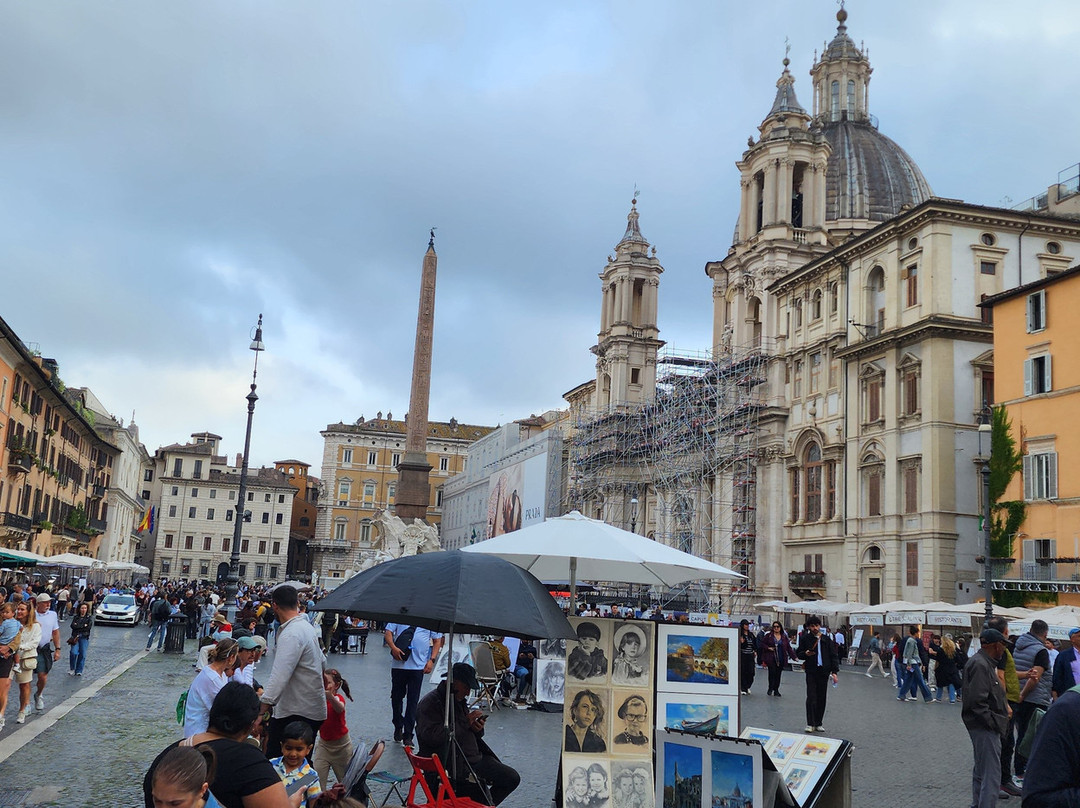
点评:After Trevi Fountain and the Spanish Steps, we headed to Piazza Navona, one of Rome's most famous and beautiful squares. It's elongated share is because the area was originally used as an athletic stadium (Circus Agnoalis) and held 20,000 fans. After the fall of the Roman Empire, houses were built where the stands used to be.
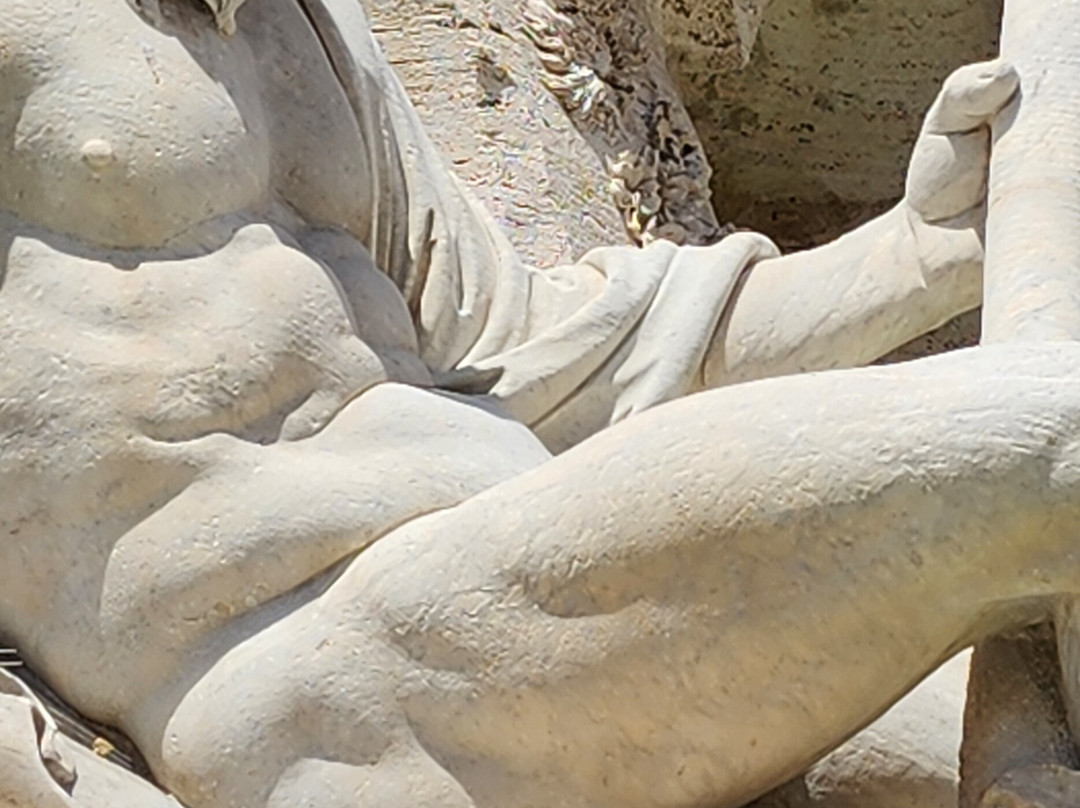
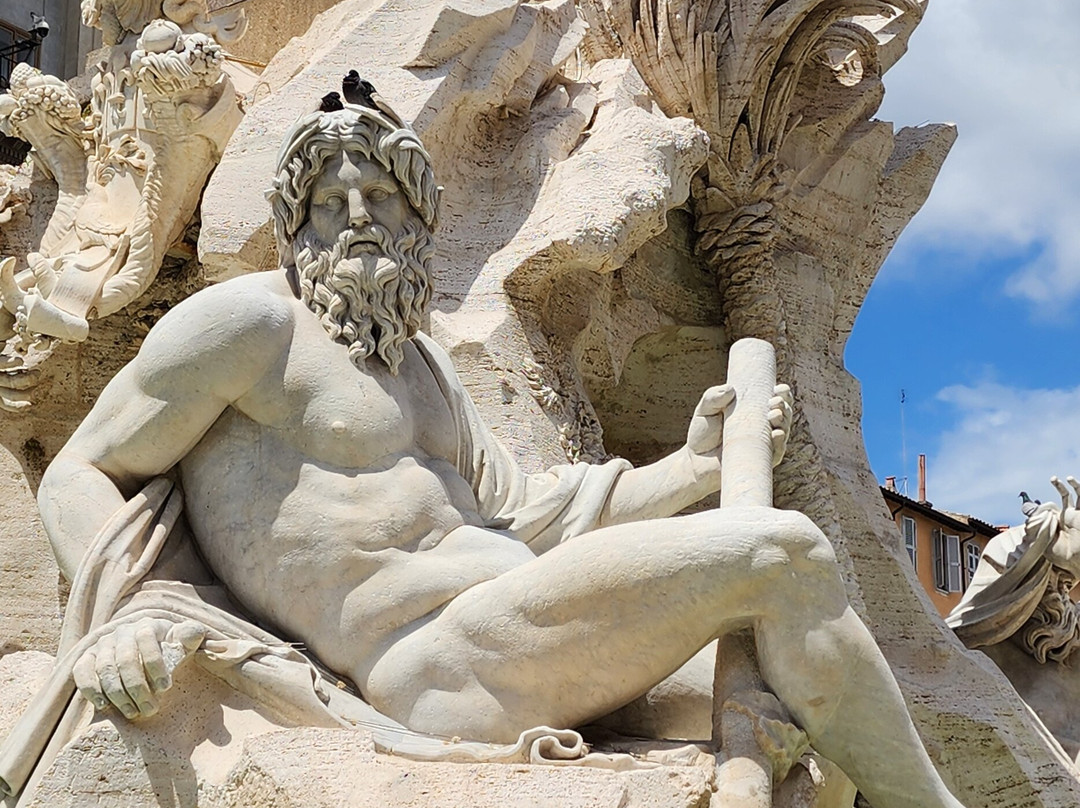
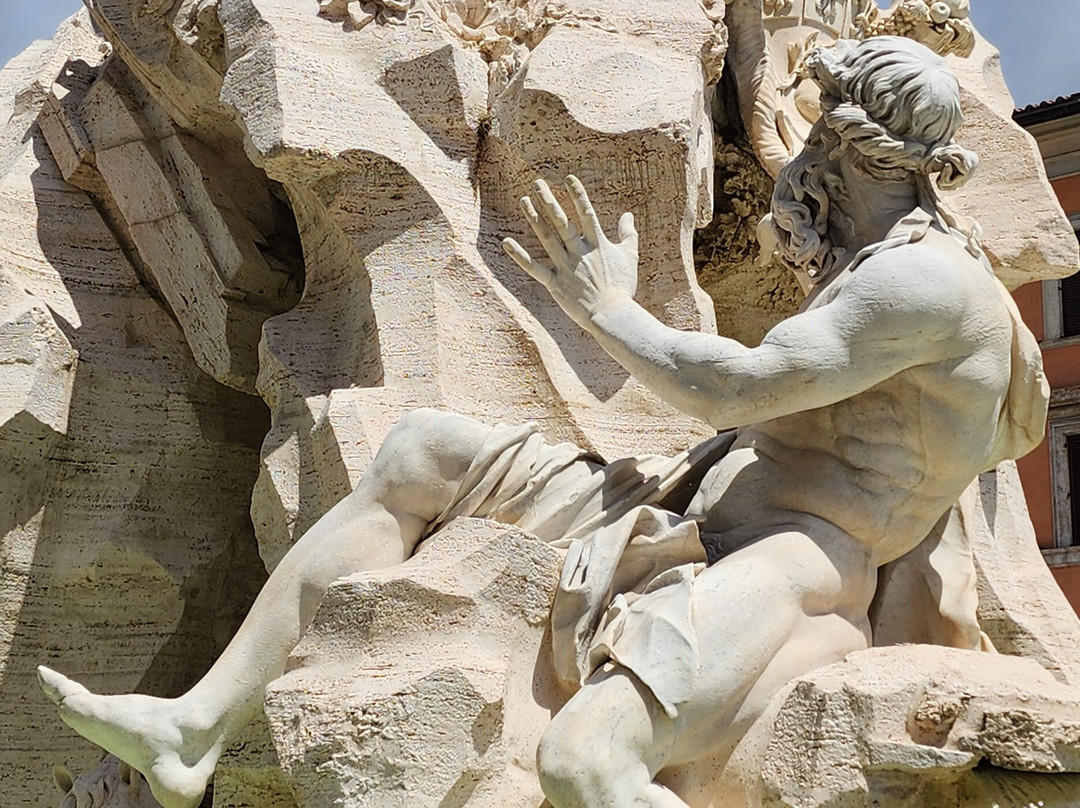
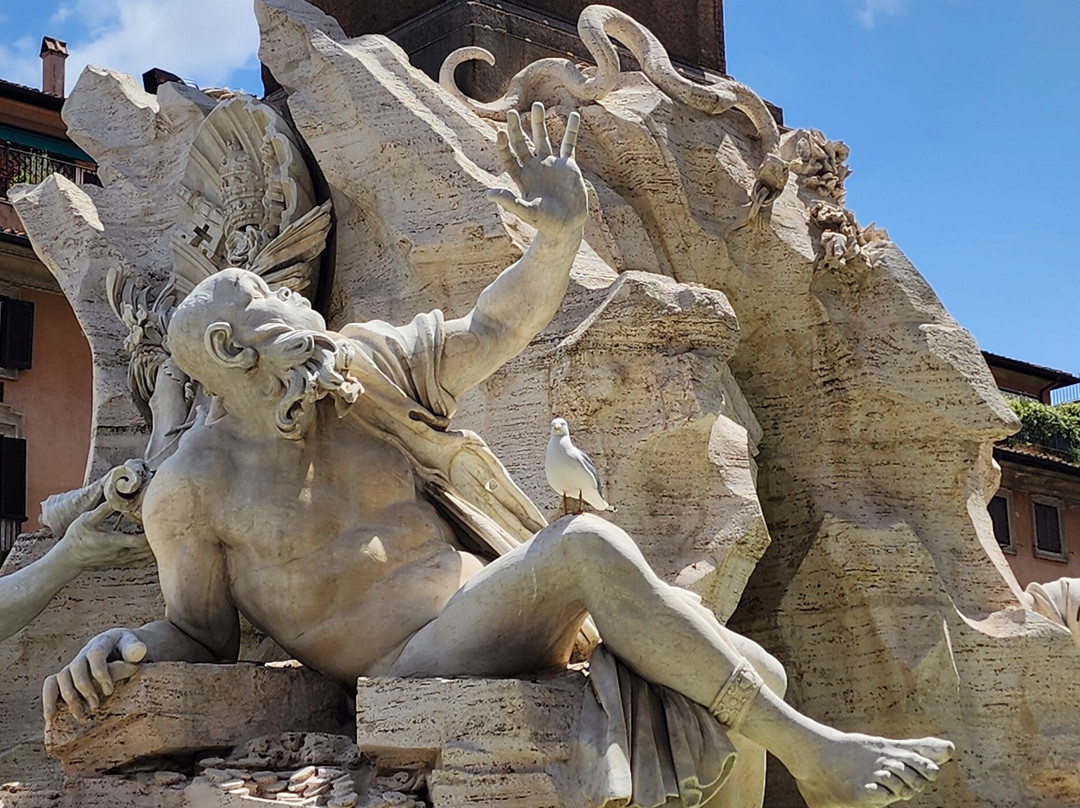
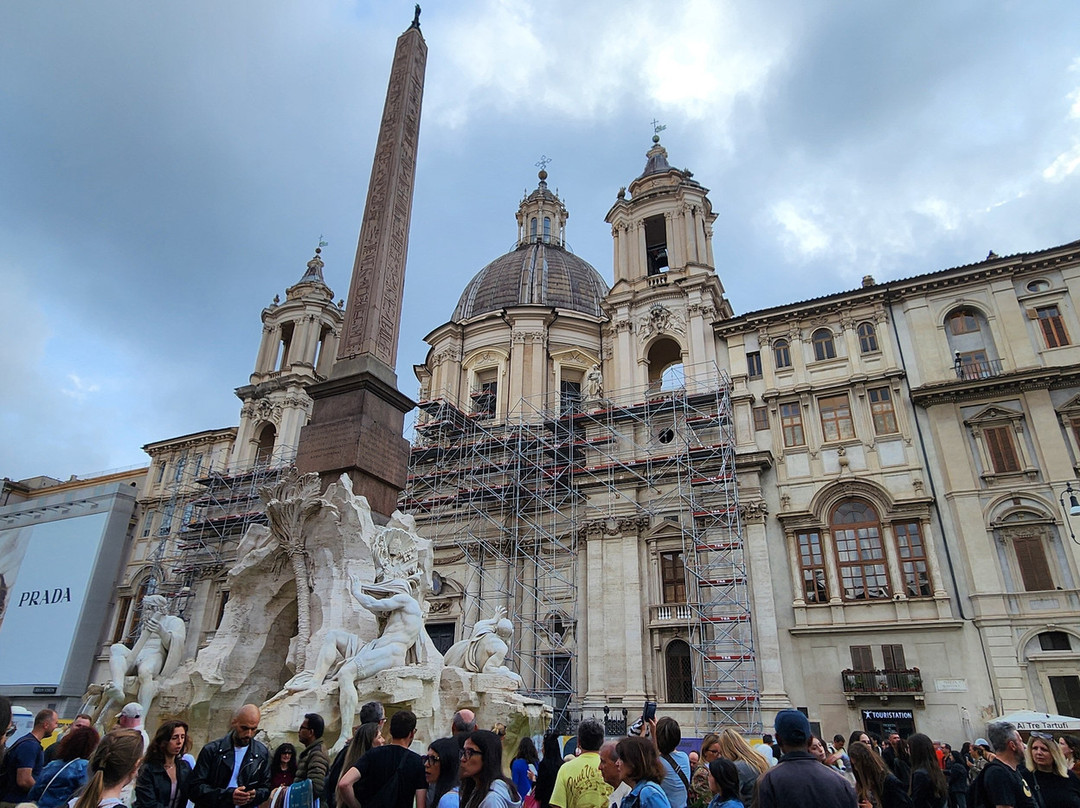
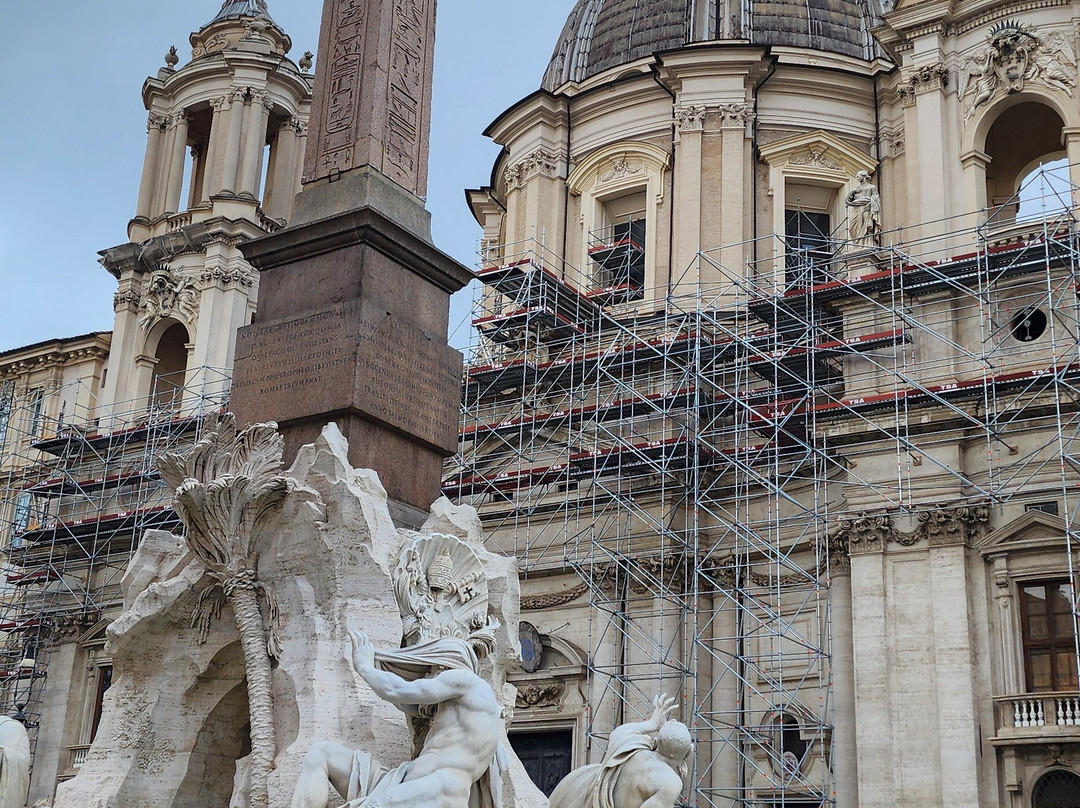
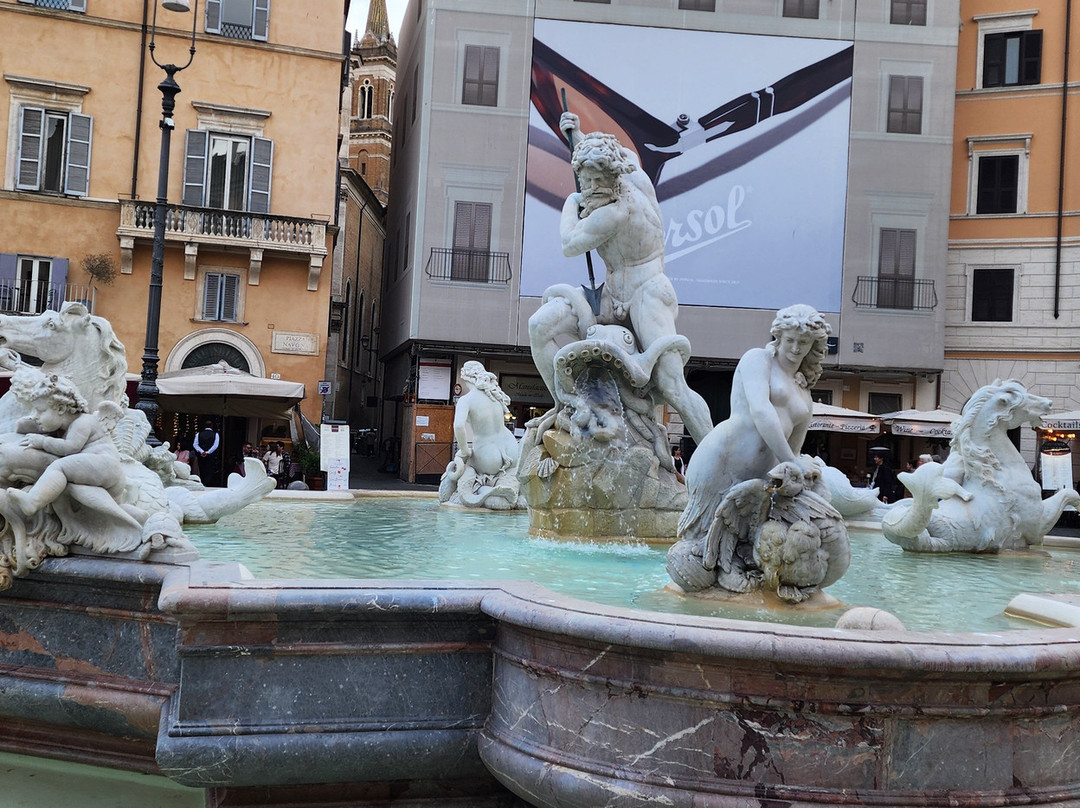
In the 17th century, Pope Innocent X commissioned the Sant Agnese in Agnone church, a place and the artist Bernini to build Fontana dei Quattro Fiumi or The Fountain of the Four Rivers. Each statue represents the four major rivers of the four continents which papal authority had spread - Nile (representing Africa), Ganges (Asia), Danube (Europe), and Rio de la Plata. (Americas) More details can be found on wikipedia. Two smaller fountains are also in the square created by Giacomo della Porta, an apprentice of Michelangelo. They are called the Fontana del Moro (the Fountain of the Moor) and the Fontana del Nettuno (Fountain of Neptune).
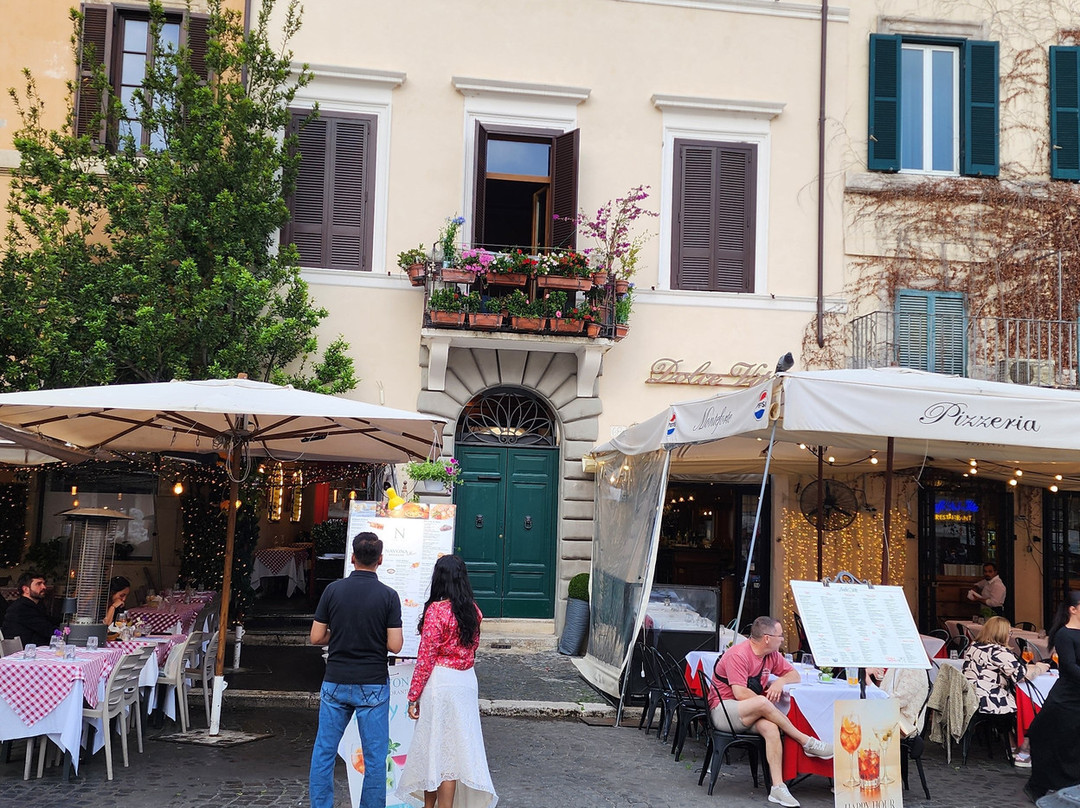
We went to Bernini restaurant which even being close to the Piazza was still reasonably priced. I had the best affogato I have ever had.
In the 17th century, Pope Innocent X commissioned the Sant Agnese in Agnone church, a place and the artist Bernini to build Fontana dei Quattro Fiumi or The Fountain of the Four Rivers. Each statue represents the four major rivers of the four continents which papal authority had spread - Nile (representing Africa), Ganges (Asia), Danube (Europe), and Rio de la Plata. (Americas) More details can be found on wikipedia. Two smaller fountains are also in the square created by Giacomo della Porta, an apprentice of Michelangelo. They are called the Fontana del Moro (the Fountain of the Moor) and the Fontana del Nettuno (Fountain of Neptune).
We went to Bernini restaurant which even being close to the Piazza was still reasonably priced. I had the best affogato I have ever had.
翻译:参观完特雷维喷泉和西班牙阶梯后,我们前往纳沃纳广场,这是罗马最著名、最美丽的广场之一。广场呈狭长形,是因为这里最初是阿格诺利斯竞技场(Circus Agnoalis),可容纳两万名观众。罗马帝国衰落后,看台原址上建起了住宅。
17世纪,教皇英诺森十世委托圣阿格诺内教堂(Sant Agnese in Agnone)和艺术家贝尼尼建造了四河喷泉(Fontana dei Quattro Fiumi)。喷泉中的四座雕像分别代表教皇统治的四大洲的四条主要河流——尼罗河(代表非洲)、恒河(代表亚洲)、多瑙河(代表欧洲)和拉普拉塔河(代表美洲)。更多详情可参见维基百科。广场上还有两座较小的喷泉,由米开朗基罗的弟子贾科莫·德拉·波尔塔设计。它们分别被称为摩尔人喷泉(Fontana del Moro)和海神喷泉(Fontana del Nettuno)。
我们去了贝尔尼尼餐厅,虽然离广场很近,但价格仍然很合理。我吃到了有生以来最好吃的阿芙佳朵。
17世纪,教皇英诺森十世委托圣阿格诺内教堂(Sant Agnese in Agnone)和艺术家贝尼尼建造了四河喷泉(Fontana dei Quattro Fiumi)。喷泉中的四座雕像分别代表教皇统治的四大洲的四条主要河流——尼罗河(代表非洲)、恒河(代表亚洲)、多瑙河(代表欧洲)和拉普拉塔河(代表美洲)。更多详情可参见维基百科。广场上还有两座较小的喷泉,由米开朗基罗的弟子贾科莫·德拉·波尔塔设计。它们分别被称为摩尔人喷泉(Fontana del Moro)和海神喷泉(Fontana del Nettuno)。
我们去了贝尔尼尼餐厅,虽然离广场很近,但价格仍然很合理。我吃到了有生以来最好吃的阿芙佳朵。

© 2026 Tripadvisor 版权所有。
部分照片由 VFM Leonardo 提供。
TripAdvisor公司对外部网站的内容一概不负责。优惠价格中不含税和其他费用。
ICP证:沪B2-20200433
沪ICP备20013175号
 沪公网安备31010502005427号
鹰程信息技术(上海)有限公司