下载App
资质规则
旅行
账户

David D
A fascinating and rather unique experience
Beer Quarry Caves的点评
点评:Wednesday 22nd July we booked a Tour around the Quarry Caves. We were on the 14.30 Tour, we arrived early and had lunch at the small cafe here (reviewed separately).
On arrival we went to the ticket office, which was within the Cafe to book in and pay for our tickets.
At the appointed time all guests, 30 of us, gathered at the designated spot. It was here we met up with our, Guide, Mike who issued us with our safety helmets and gave us an introduction about the caves and the safety aspects. We were told that the Tour would be just over an hour.
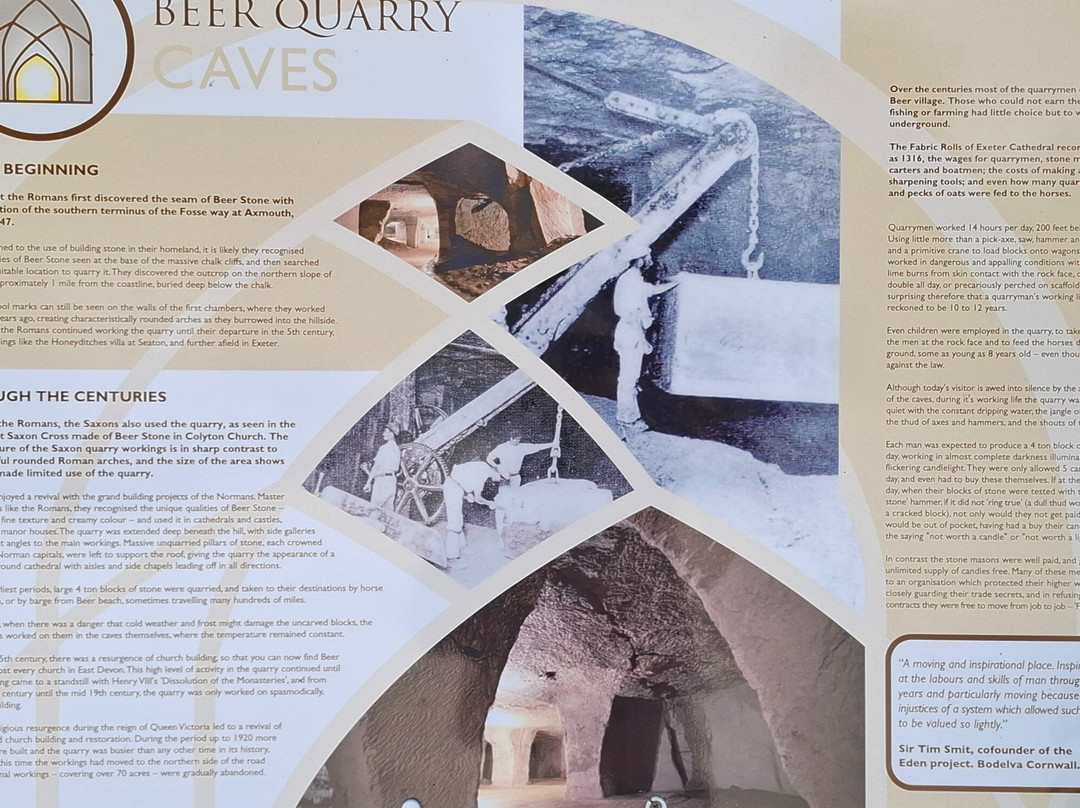
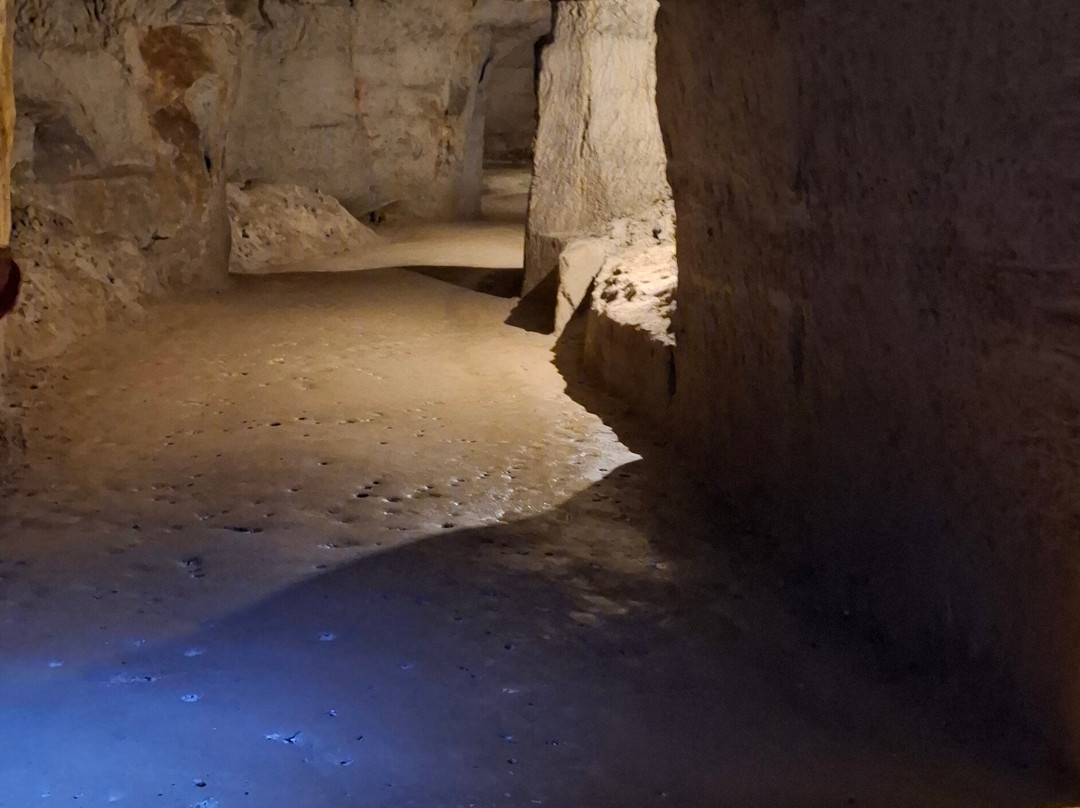
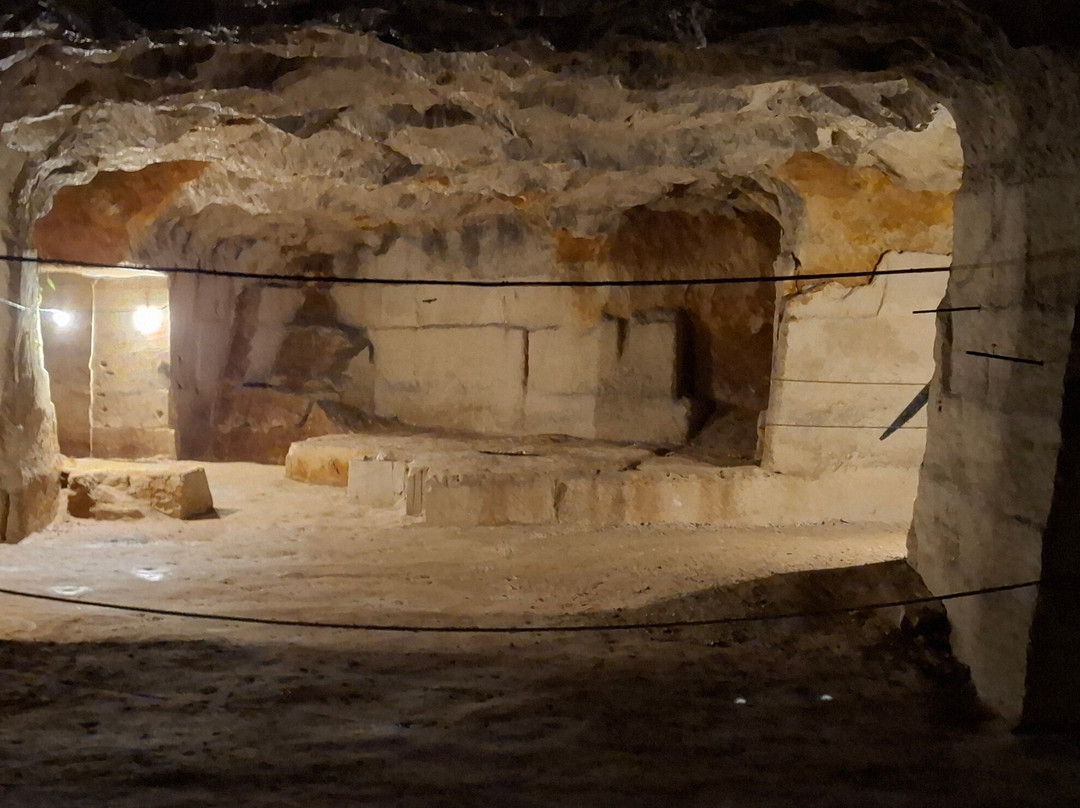
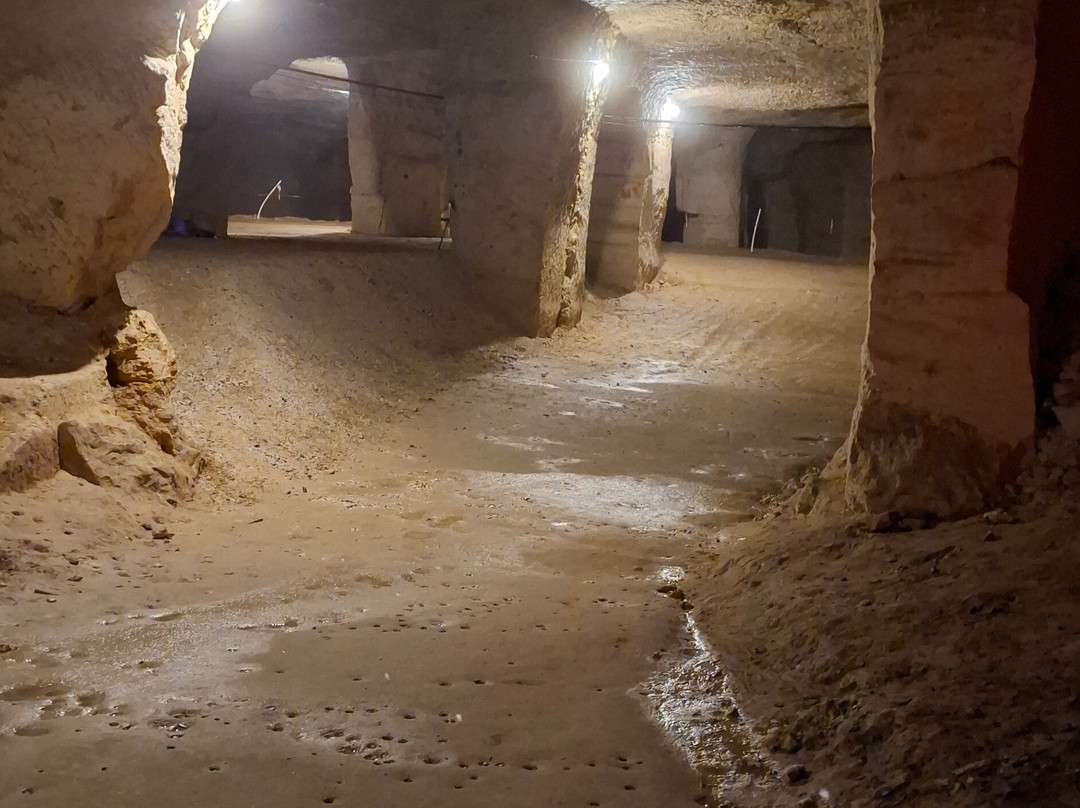
As we moved in to the Quarry we went through it's various historical periods, from Roman, Saxon, Norman Tudor through to the 1920's when the Quarry shut down. It closed for operational reasons, the introduction of mechanical machinery and improved transportation, the new section of the Quarry opened up across the road.
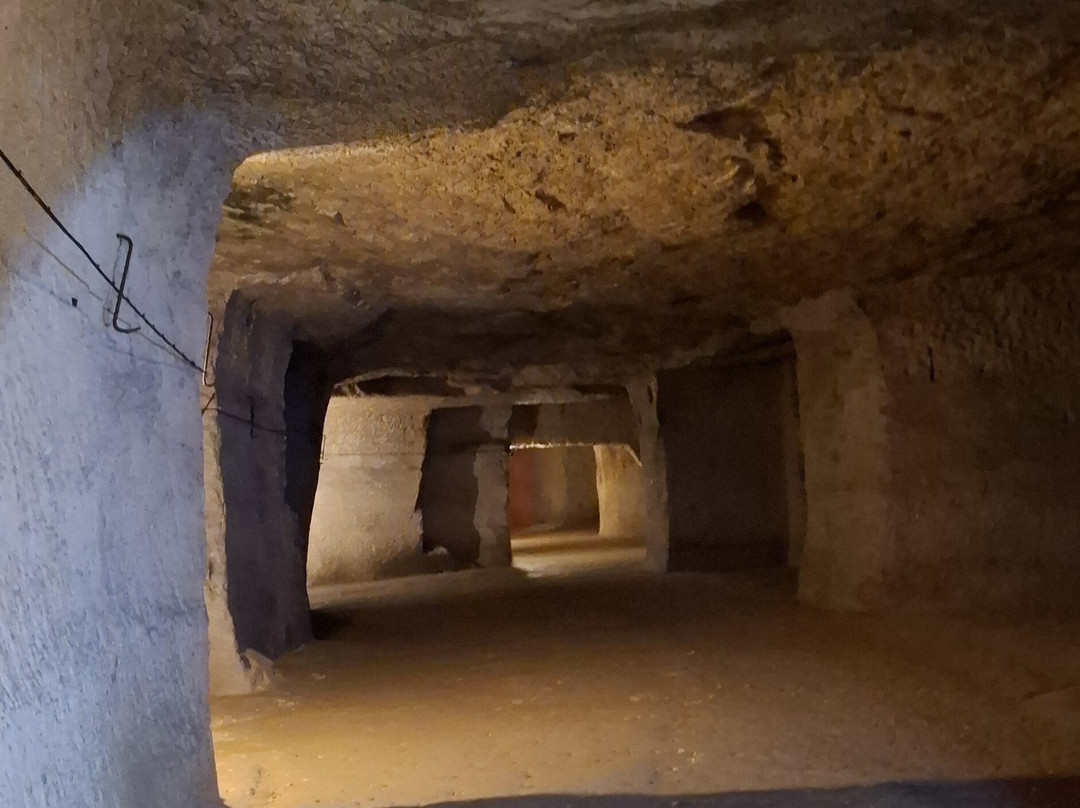
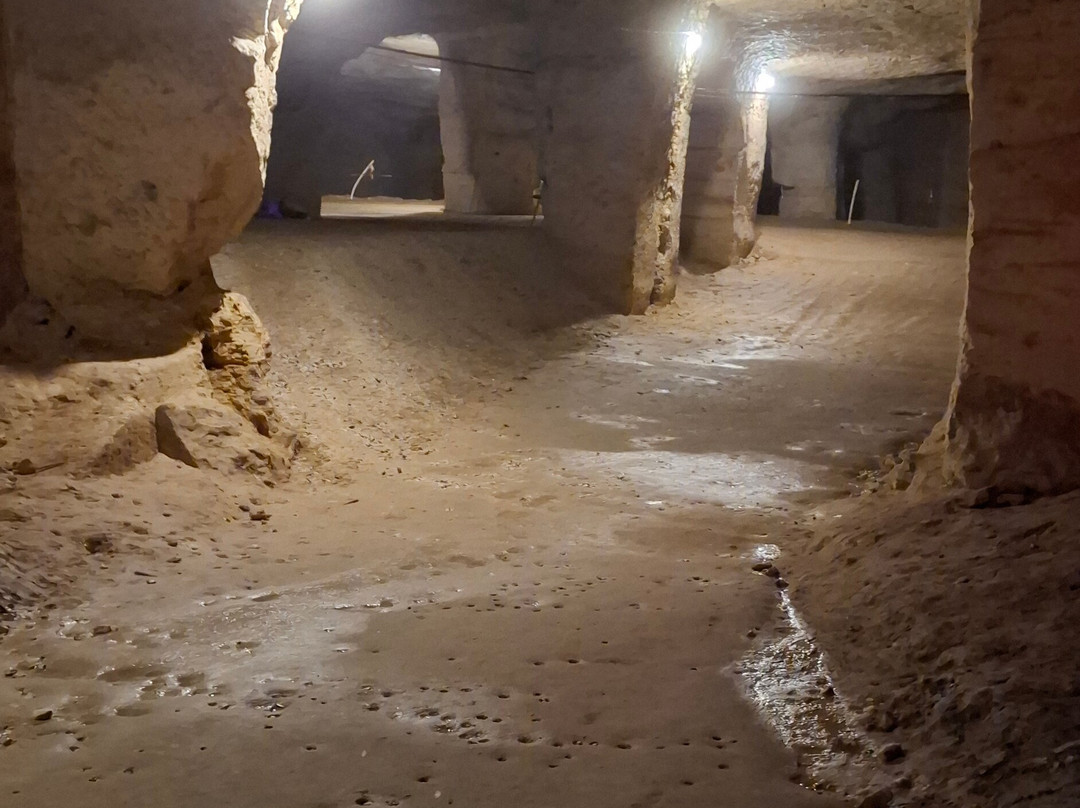
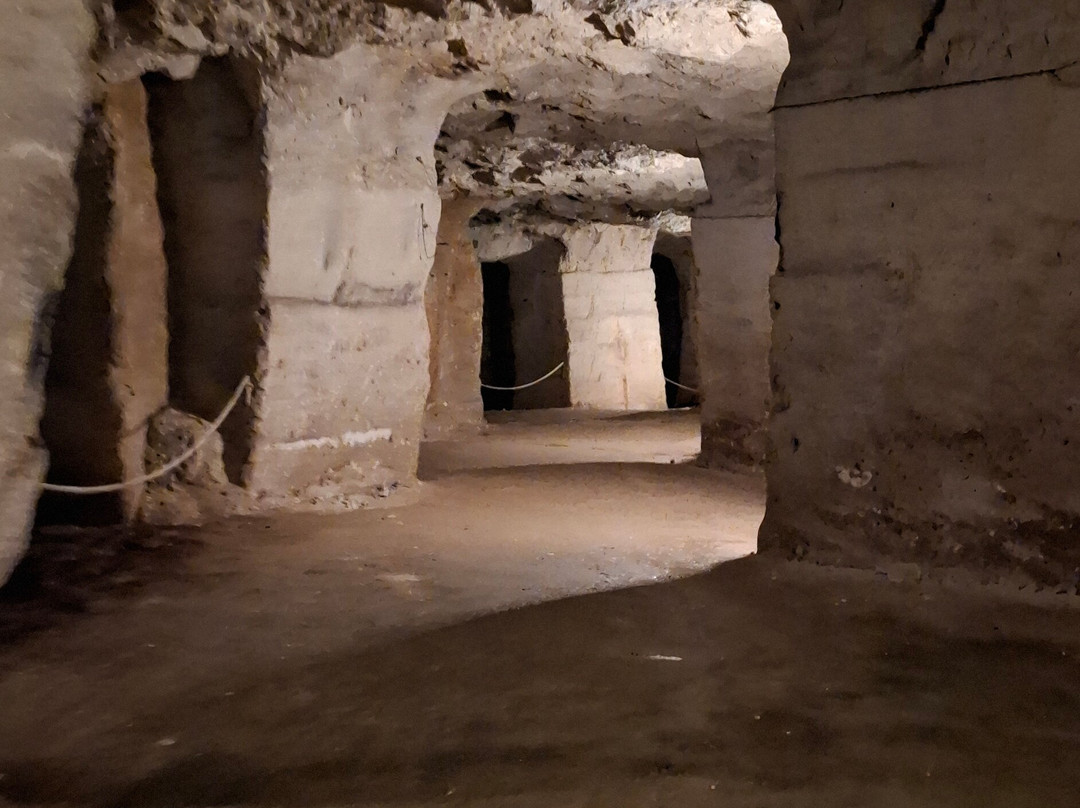
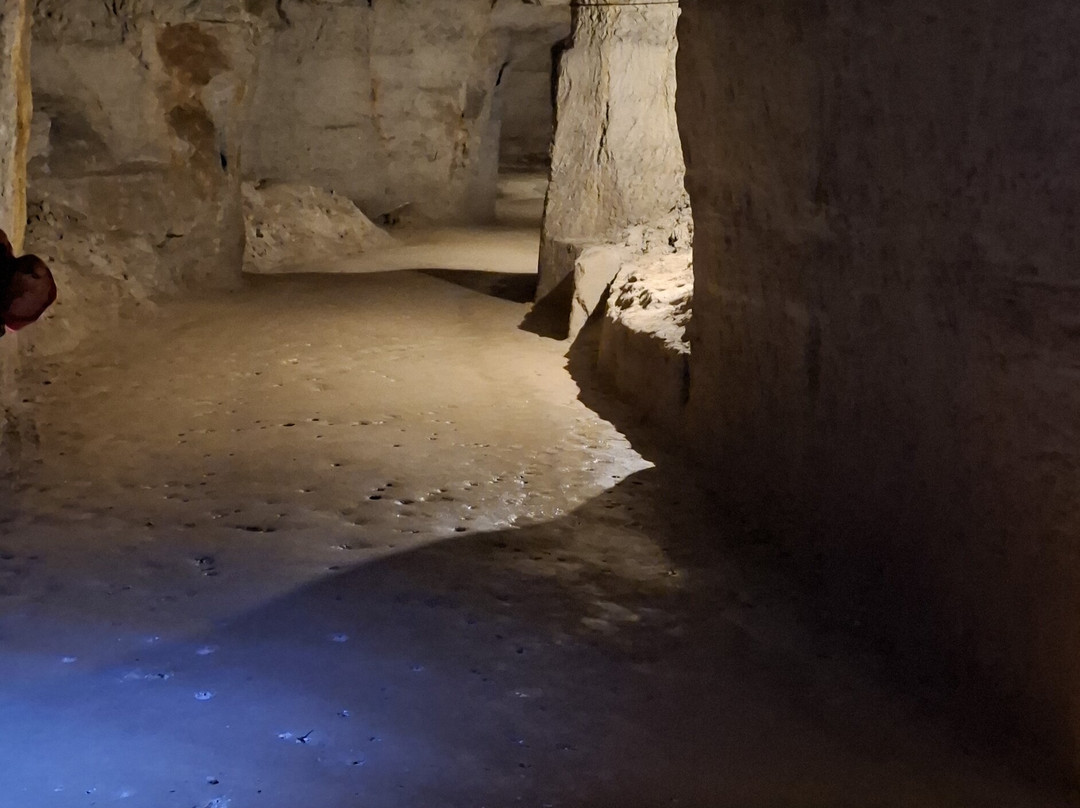
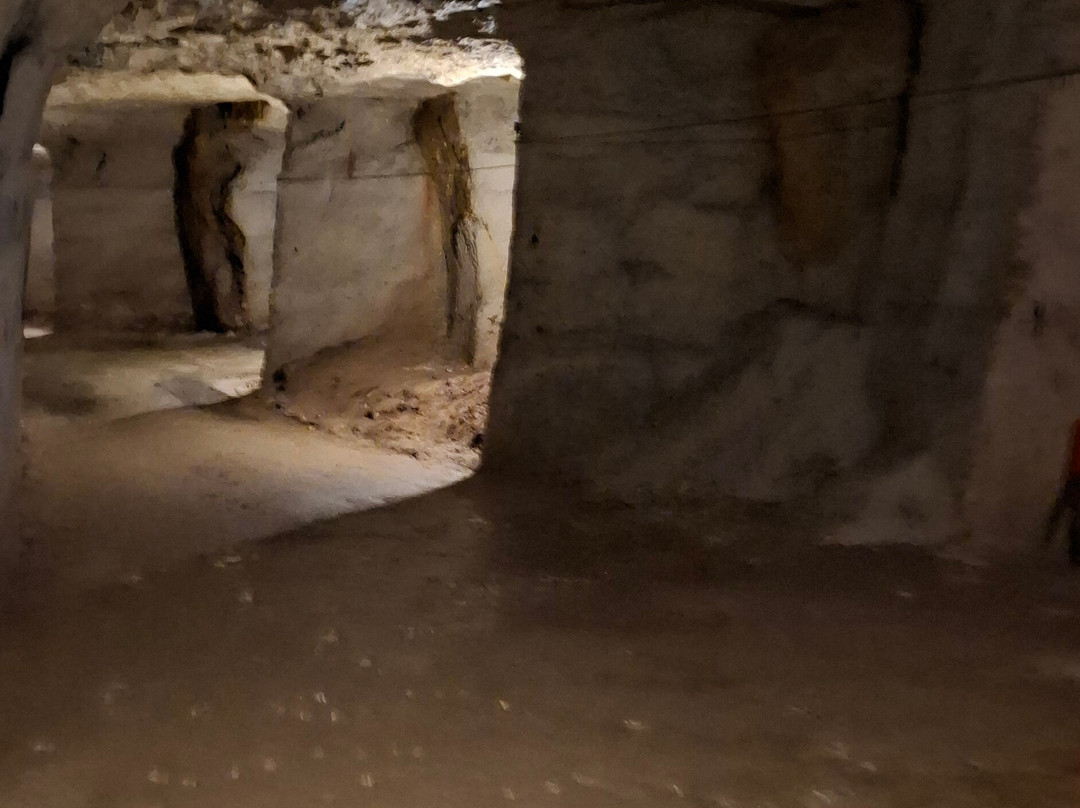
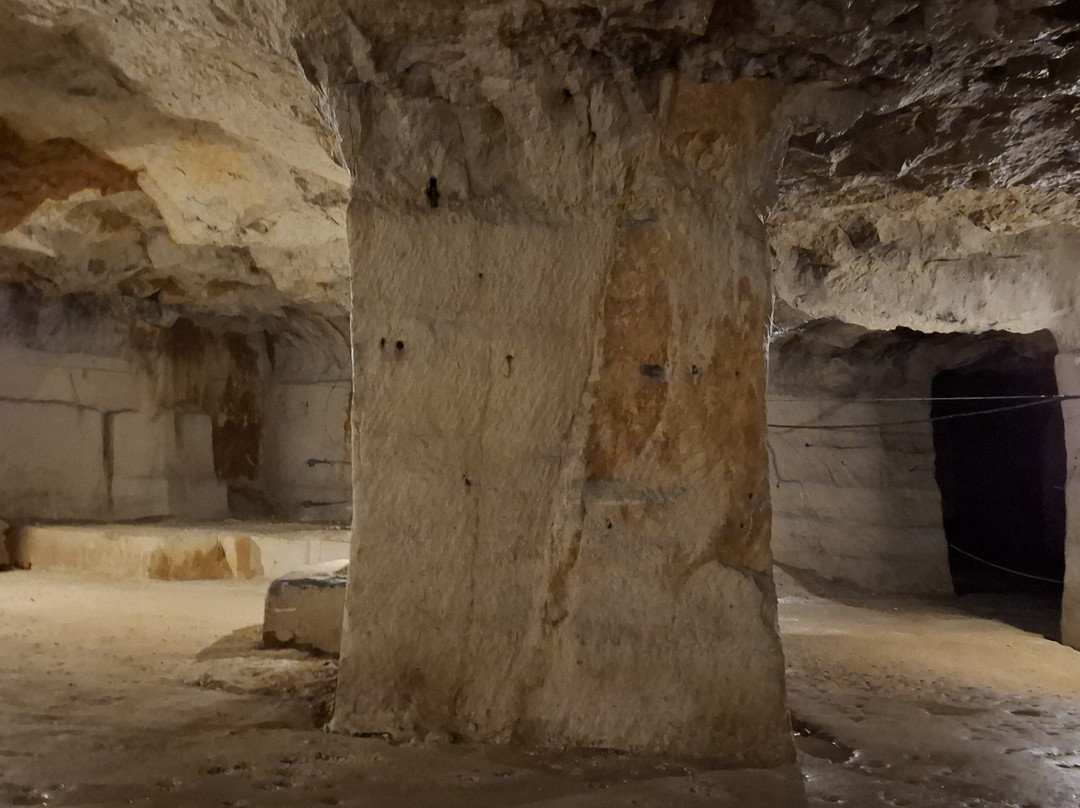
As we passed through the various time zones, the support pillars were getting thicker, they were to support the roof as more of the
creamy-grey chalk limestone, was being removed. The amount of stone removed left a space equivalent to 40 football pitches.
Beer stone became rather popular over the years and was used in a number of famous buildings including the Cathedral's of St Paul's, Exeter, Norwich, Winchester, Westminster Abbey and the Tower of London. We were reliably informed that Beer stone has been used in 24 of Britain's 44 Cathedrals
The stone cutters worked only using hand tools and saws, the work was hard and long days. Each man was expected to produce a 4 ton block of stone per day, working in almost complete darkness using only candlelight. The men were only allowed 5 candles per day, which they had to purchase themselves. At the end of the day the quality of their work was tested, if it failed they were not paid. As well as that the were out of pocket as they paid for their candles, this is where the saying "not worth a light" originated.
The stone masons, the carvers, got a better deal, they were well paid and supplied with unlimited free candles.
Due to the composition of the limestone it was carved inside the caves as it would start to dry out in the open air.
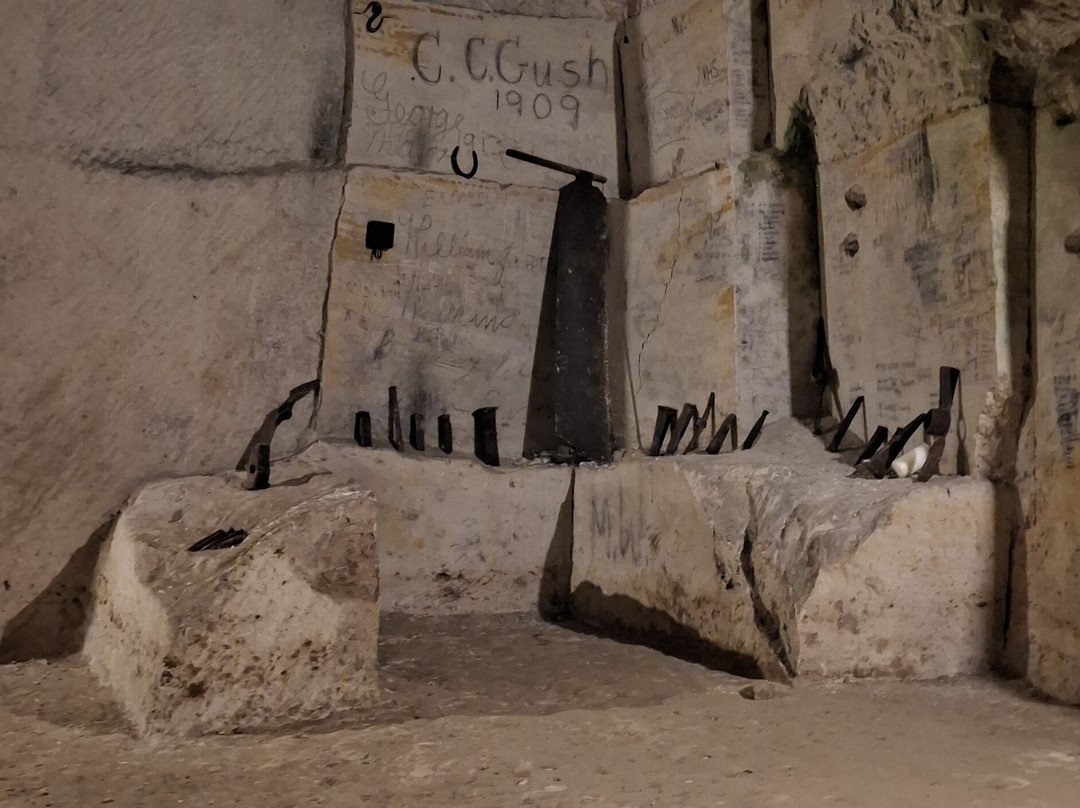
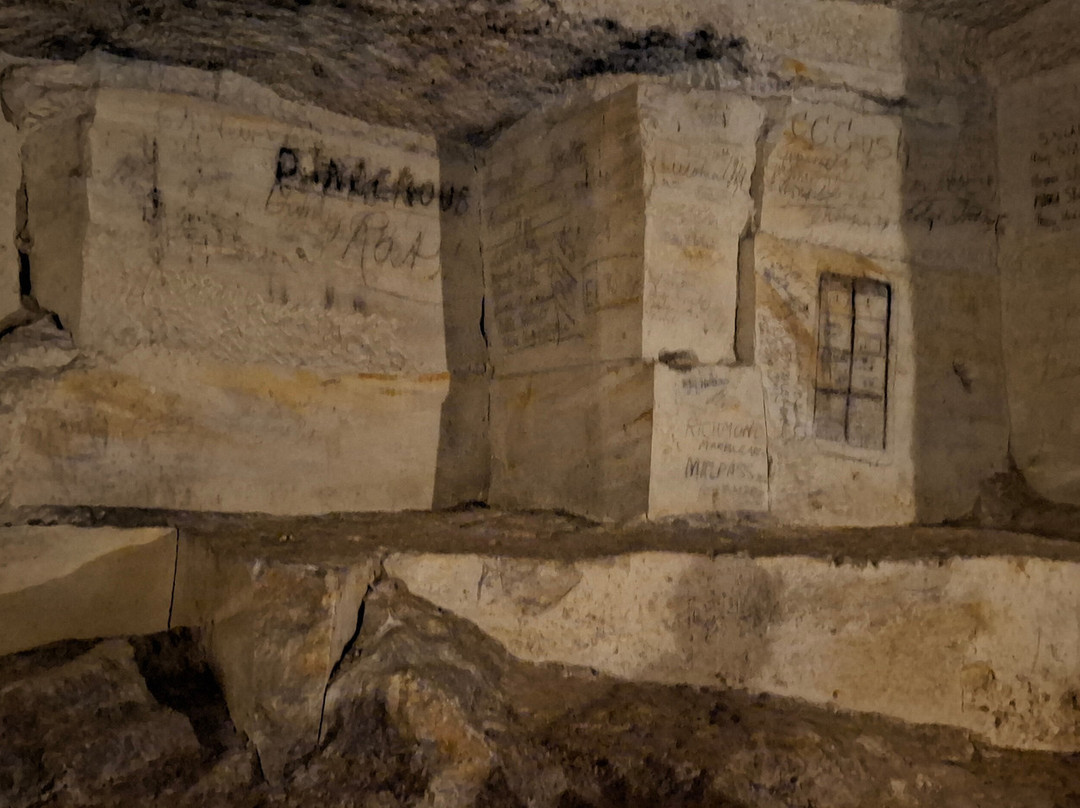
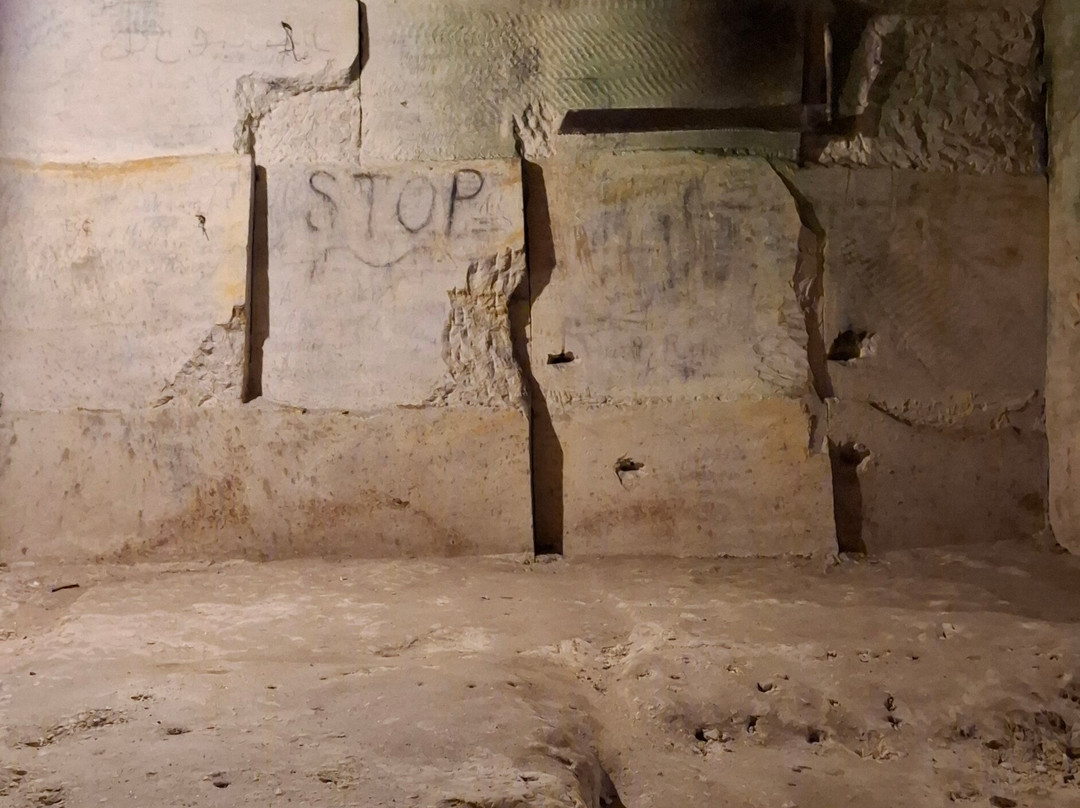
We could see marks in the stone where the blocks had been cut and sawn away we could see where the seams of stone, which were cut along, started and finished. Also visible was were the stone had been blackened by the constant burning of candles.
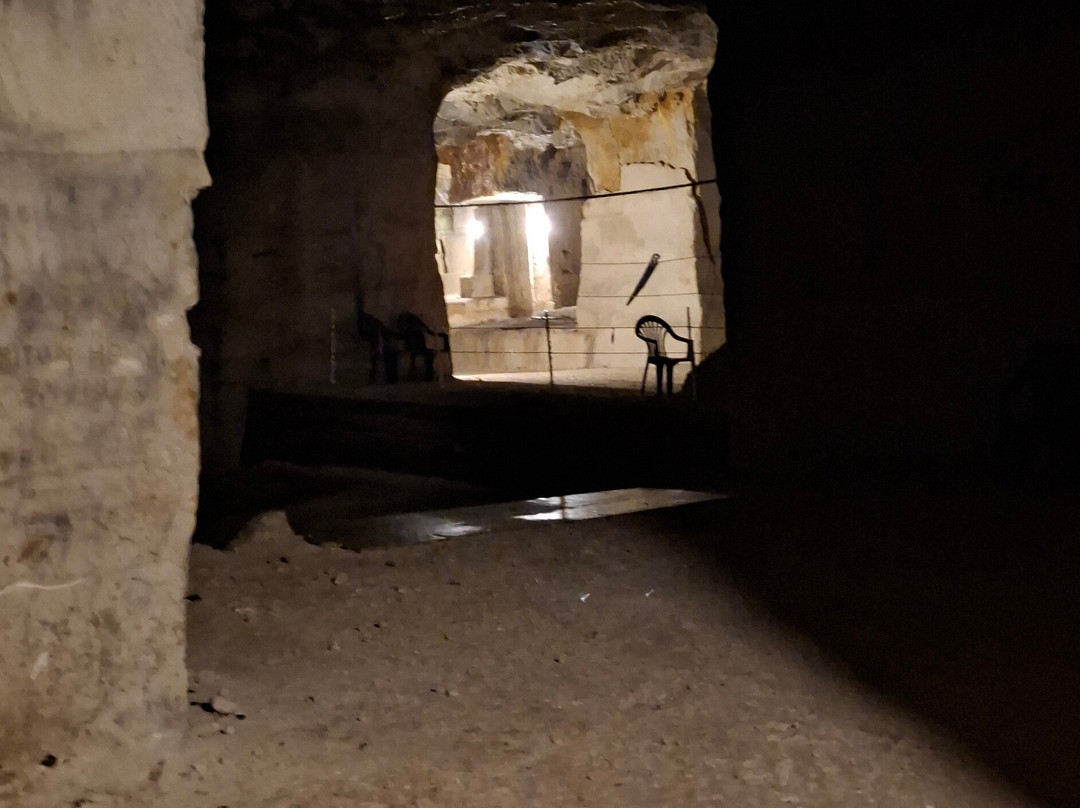
At one point, when we were at the deepest part of the Quarry, our Guide turned out all of the lights and we were plunged into total darkness. It was such an usual experience it was if we were frozen, unable to move as we could not see where to go. It only lasted a short while and the lights were switched back on.
In order to give us apprecition of the level of noise that the workers would have endured, our guide asked us to turn away from him, he then cracked a safety helmet on the stone. The echo was so loud and cracking we all jumped.
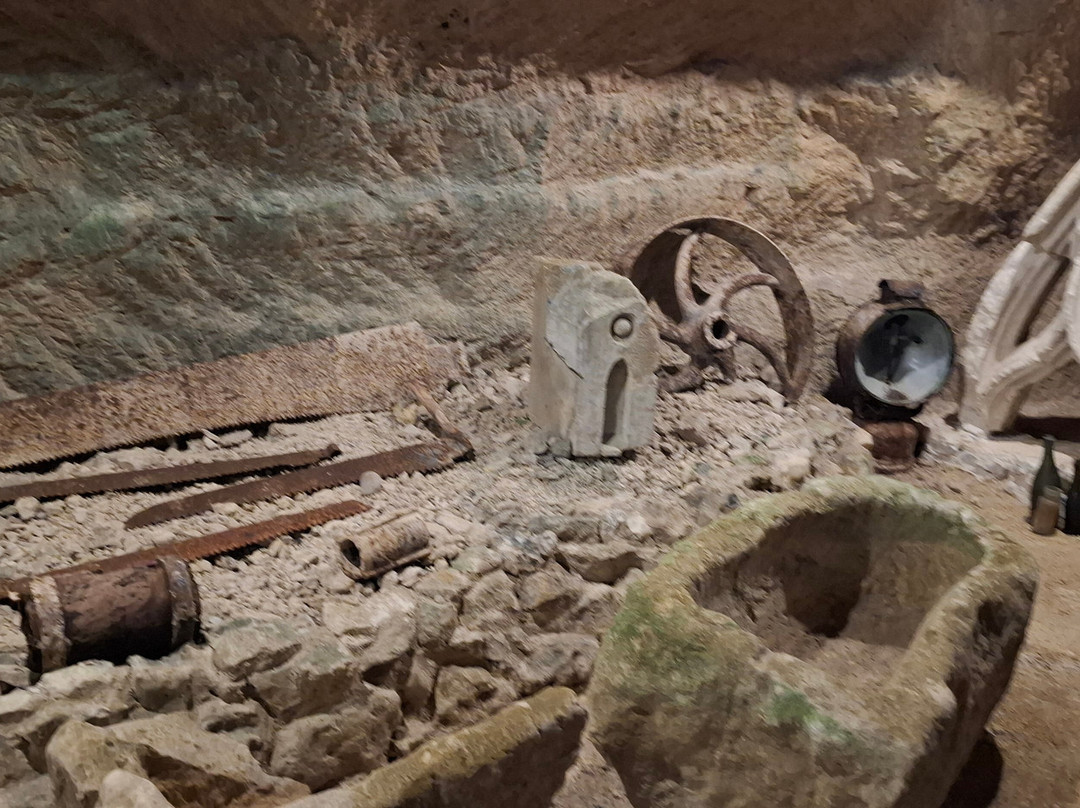
There were numerous interesting features on display , this included tools used in the cutting and carving of the stone.
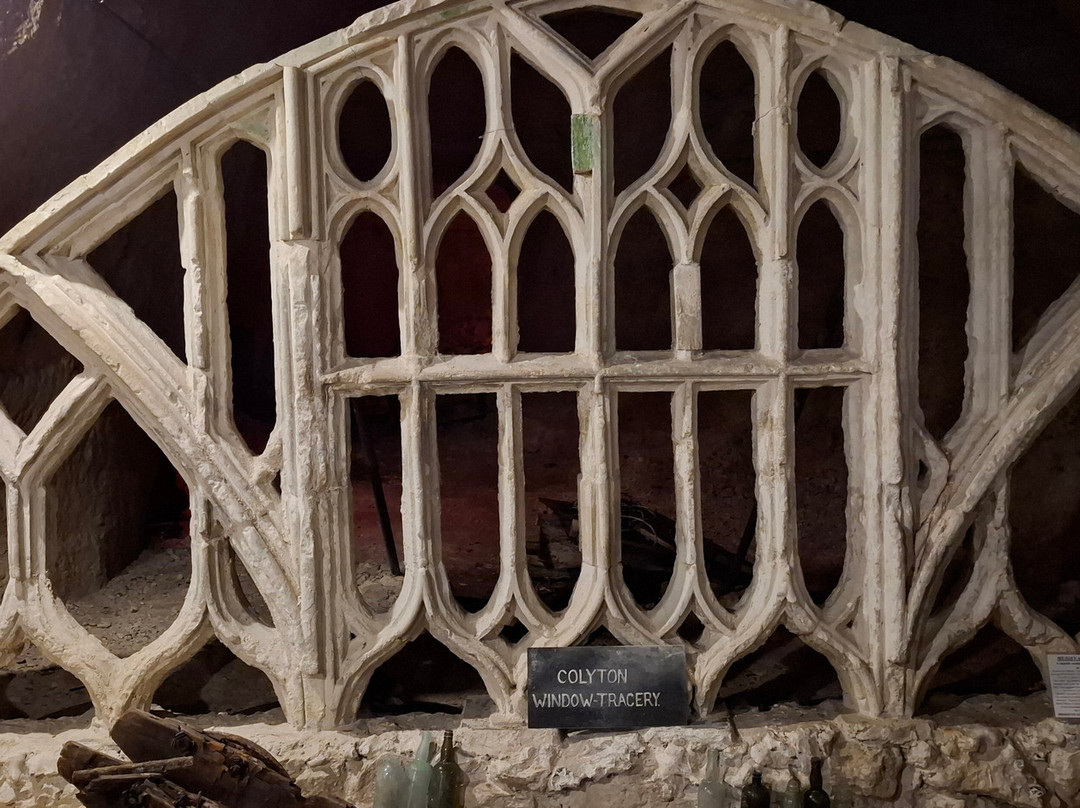
Also on display inside the Quarry was the original Beer stone tracery from St Andrew's Church in Colyton. A tracery is a stone framework used to house stained glass in Churches. This one was replaced in 1908 and laid in the grounds of the Church for many years before being moved into the Quarry caves.
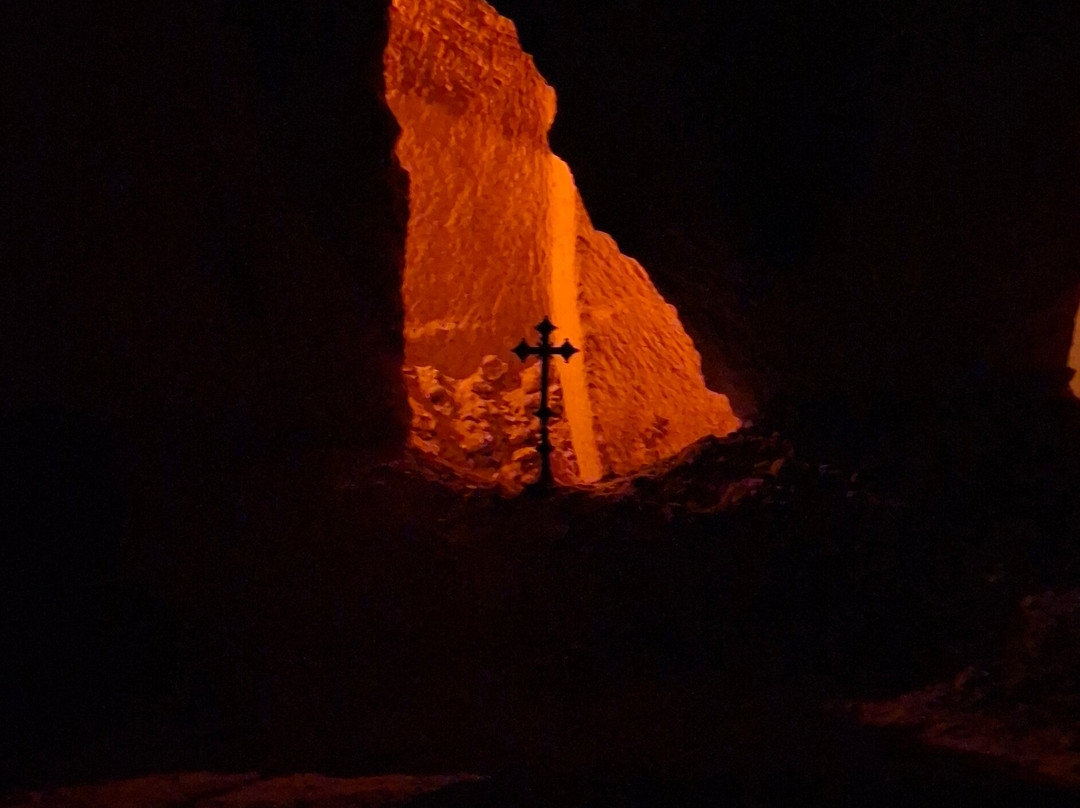
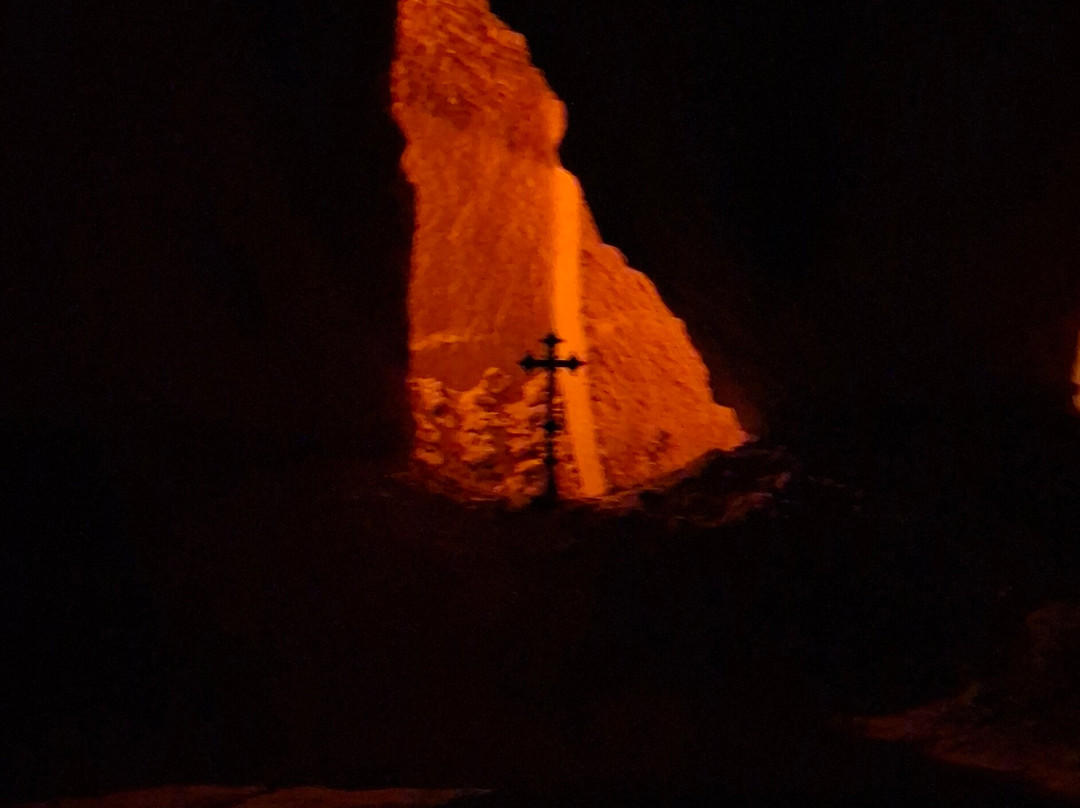
We were informed that during the 16th century Reformation parts of the Beer Quarry Caves served as a secret underground Catholic chapel. Here worshippers could attend illegal services. There were two entrances which were manned so should the Authorities turn up, the worshippers could mingle with the workers undetected. There were sections of Quarry's man-made caverns that did resemble a Cathedral with it's vaulted ceilings.
Although it was a very hot day outside the temperature in the Caves was 8 degrees, the highest it gets to is 9 degrees. The lowest is three degrees in winter.
The climatic conditions in the Quarry, the deafening noise levels, the lack of light and the very hard labour added up to very difficult working conditions. It was no surprise to learn that the working live in the Quarry was short in the number of years.
Parts of the interior of the Quarry was used in the recent Masters of the Universe movie. The Quarry has also been used as a concert venue, it has also received a licence and a couple of wedding ceremonies have been performed here
All of a sudden it was 16.00 and we were back at the gated entrance to the Quarry, the tour was over, 90 minutes had flown by. It was an interesting, informative, enthralling and at times amusing experience.
Due to the temperature and odd drips of water in the Quarry, would definitely recommend wearing a jacket or some top. Would also wear sturdy shoes, not too good, as it was a bit mucky under foot in places.
On arrival we went to the ticket office, which was within the Cafe to book in and pay for our tickets.
At the appointed time all guests, 30 of us, gathered at the designated spot. It was here we met up with our, Guide, Mike who issued us with our safety helmets and gave us an introduction about the caves and the safety aspects. We were told that the Tour would be just over an hour.
As we moved in to the Quarry we went through it's various historical periods, from Roman, Saxon, Norman Tudor through to the 1920's when the Quarry shut down. It closed for operational reasons, the introduction of mechanical machinery and improved transportation, the new section of the Quarry opened up across the road.
As we passed through the various time zones, the support pillars were getting thicker, they were to support the roof as more of the
creamy-grey chalk limestone, was being removed. The amount of stone removed left a space equivalent to 40 football pitches.
Beer stone became rather popular over the years and was used in a number of famous buildings including the Cathedral's of St Paul's, Exeter, Norwich, Winchester, Westminster Abbey and the Tower of London. We were reliably informed that Beer stone has been used in 24 of Britain's 44 Cathedrals
The stone cutters worked only using hand tools and saws, the work was hard and long days. Each man was expected to produce a 4 ton block of stone per day, working in almost complete darkness using only candlelight. The men were only allowed 5 candles per day, which they had to purchase themselves. At the end of the day the quality of their work was tested, if it failed they were not paid. As well as that the were out of pocket as they paid for their candles, this is where the saying "not worth a light" originated.
The stone masons, the carvers, got a better deal, they were well paid and supplied with unlimited free candles.
Due to the composition of the limestone it was carved inside the caves as it would start to dry out in the open air.
We could see marks in the stone where the blocks had been cut and sawn away we could see where the seams of stone, which were cut along, started and finished. Also visible was were the stone had been blackened by the constant burning of candles.
At one point, when we were at the deepest part of the Quarry, our Guide turned out all of the lights and we were plunged into total darkness. It was such an usual experience it was if we were frozen, unable to move as we could not see where to go. It only lasted a short while and the lights were switched back on.
In order to give us apprecition of the level of noise that the workers would have endured, our guide asked us to turn away from him, he then cracked a safety helmet on the stone. The echo was so loud and cracking we all jumped.
There were numerous interesting features on display , this included tools used in the cutting and carving of the stone.
Also on display inside the Quarry was the original Beer stone tracery from St Andrew's Church in Colyton. A tracery is a stone framework used to house stained glass in Churches. This one was replaced in 1908 and laid in the grounds of the Church for many years before being moved into the Quarry caves.
We were informed that during the 16th century Reformation parts of the Beer Quarry Caves served as a secret underground Catholic chapel. Here worshippers could attend illegal services. There were two entrances which were manned so should the Authorities turn up, the worshippers could mingle with the workers undetected. There were sections of Quarry's man-made caverns that did resemble a Cathedral with it's vaulted ceilings.
Although it was a very hot day outside the temperature in the Caves was 8 degrees, the highest it gets to is 9 degrees. The lowest is three degrees in winter.
The climatic conditions in the Quarry, the deafening noise levels, the lack of light and the very hard labour added up to very difficult working conditions. It was no surprise to learn that the working live in the Quarry was short in the number of years.
Parts of the interior of the Quarry was used in the recent Masters of the Universe movie. The Quarry has also been used as a concert venue, it has also received a licence and a couple of wedding ceremonies have been performed here
All of a sudden it was 16.00 and we were back at the gated entrance to the Quarry, the tour was over, 90 minutes had flown by. It was an interesting, informative, enthralling and at times amusing experience.
Due to the temperature and odd drips of water in the Quarry, would definitely recommend wearing a jacket or some top. Would also wear sturdy shoes, not too good, as it was a bit mucky under foot in places.
翻译:7月22日星期三,我们预订了采石场洞穴导览游。我们参加的是14:30开始的 tour,提前抵达后便在景区内的一家小咖啡馆用午餐(该咖啡馆的评价另作叙述)。
到达后,我们前往位于咖啡馆内的售票处办理登记并支付费用。
到了约定时间,包括我们在内的30名游客都聚集在了指定地点。在那里我们见到了导游迈克,他给我们分发了安全头盔,并向我们介绍了洞穴的相关情况以及安全注意事项。我们被告知,这次参观过程会刚好持续一个多小时。
当我们进入采石场后,先后了解了它经历的各个历史时期——从罗马时期、撒克逊时期、诺曼时期、都铎时期,一直到20世纪20年代采石场关闭之时。采石场关闭的原因是运营上的变化:机械设备的引入、运输条件的改善,以及马路对面新开采区的开发。
随着我们穿越各个历史时期,那些支撑柱也变得越来越粗。随着越来越多的乳灰色白垩石灰岩被移除,这些支撑结构便用来支撑屋顶。被移除的石块数量之多,所形成的空地面积相当于40个足球场那么大。
多年来,这种“比尔石”变得相当受欢迎,被广泛用于多座著名建筑,包括圣保罗大教堂、埃克塞特大教堂、诺里奇大教堂、温彻斯特大教堂、威斯敏斯特教堂以及伦敦塔。我们得到可靠消息:在英国的44座大教堂中,有24座使用了比尔石。
石匠们仅使用手工工具和锯子进行作业,工作极其艰辛且需要长时间劳作。每名石匠每天需加工出一块重达4吨的石块,他们几乎是在一片漆黑中仅靠烛光来工作。每天每人仅被允许使用5根蜡烛,而这些蜡烛还得由他们自己掏钱购买。每日工作结束时,他们的作品质量都会接受检验,一旦不合格便拿不到报酬。此外,由于他们还得自己掏钱购买蜡烛,于是便有了“不值一根蜡烛的钱”这个说法。
石匠和雕刻师们则待遇更好:他们薪酬优厚,还能免费获得用之不竭的蜡烛。
由于石灰岩的特性,雕刻工作只能在洞穴内进行,因为一旦暴露在空气中它就会开始变干。
我们能看到石头上的痕迹,那是切割和锯断石块后留下的;我们也能看到那些被沿着纹理切割开的石缝。一切都开始了,也结束了。还能看到石头因长期燃烧蜡烛而变黑的痕迹。
有一次,当我们身处采石场的最深处时,向导关掉了所有的灯光,我们瞬间陷入了漆黑之中。那种体验实在非同寻常——我们仿佛动弹不得,因为根本看不见路在哪儿。这种情况只持续了很短时间,随后灯光便重新亮起。为了让我们体会到工人们当时所承受的噪音程度,导游让我们转过身去背对他,随后他用头盔在石头上敲击。发出的回声极其响亮且刺耳,我们所有人都吓了一跳。
展览中有许多有趣的展品,其中包括用于切割和雕刻石头的工具。
采石场内还展出了来自科利顿圣安德鲁教堂的原始“啤酒石”装饰花纹。“花窗格架”是一种用于固定教堂彩绘玻璃的石制框架。这个格架于1908年被更换,之后便被放置在教堂的场地上,多年后才被移入采石场洞穴中。
我们得知,在16世纪宗教改革时期,比尔采石场洞穴的某些区域曾被用作秘密的天主教堂。信徒们可以在此参加被禁止的宗教仪式。那里有两个入口,均有专人把守;这样一来,一旦当局前来搜查,他们便能及时应对。朝拜者可以悄无声息地与工人混在一起。采石场里有人工开凿的洞穴区域,其拱形天花板颇似大教堂的构造。
虽然外面天气酷热,但洞穴内的温度只有8摄氏度,这也是最高温度;冬季时最低温度则为3摄氏度。
采石场里的气候条件、震耳欲聋的噪音、昏暗的光线以及极其繁重的劳动,共同构成了极为恶劣的工作环境。得知采石场内工人的工作年限普遍较短,这并不令人意外。
最近上映的《宇宙巨人希曼》电影中,有部分场景就是在这座采石场内拍摄的。该采石场还曾被用作音乐会场地,它也获得了相关许可,甚至还有几场婚礼在此举行。
转眼间就到了16点,我们回到了采石场的入口处,参观行程就此结束。90分钟的时间转瞬即逝。这真是一次既有趣又增长见识的体验。一次引人入胜且时而令人捧腹的体验。
由于采石场内温度较低且偶尔有水滴落下,强烈建议穿上夹克或厚实的上衣。另外最好穿结实的鞋子,因为有些地方地面比较泥泞湿滑。
到达后,我们前往位于咖啡馆内的售票处办理登记并支付费用。
到了约定时间,包括我们在内的30名游客都聚集在了指定地点。在那里我们见到了导游迈克,他给我们分发了安全头盔,并向我们介绍了洞穴的相关情况以及安全注意事项。我们被告知,这次参观过程会刚好持续一个多小时。
当我们进入采石场后,先后了解了它经历的各个历史时期——从罗马时期、撒克逊时期、诺曼时期、都铎时期,一直到20世纪20年代采石场关闭之时。采石场关闭的原因是运营上的变化:机械设备的引入、运输条件的改善,以及马路对面新开采区的开发。
随着我们穿越各个历史时期,那些支撑柱也变得越来越粗。随着越来越多的乳灰色白垩石灰岩被移除,这些支撑结构便用来支撑屋顶。被移除的石块数量之多,所形成的空地面积相当于40个足球场那么大。
多年来,这种“比尔石”变得相当受欢迎,被广泛用于多座著名建筑,包括圣保罗大教堂、埃克塞特大教堂、诺里奇大教堂、温彻斯特大教堂、威斯敏斯特教堂以及伦敦塔。我们得到可靠消息:在英国的44座大教堂中,有24座使用了比尔石。
石匠们仅使用手工工具和锯子进行作业,工作极其艰辛且需要长时间劳作。每名石匠每天需加工出一块重达4吨的石块,他们几乎是在一片漆黑中仅靠烛光来工作。每天每人仅被允许使用5根蜡烛,而这些蜡烛还得由他们自己掏钱购买。每日工作结束时,他们的作品质量都会接受检验,一旦不合格便拿不到报酬。此外,由于他们还得自己掏钱购买蜡烛,于是便有了“不值一根蜡烛的钱”这个说法。
石匠和雕刻师们则待遇更好:他们薪酬优厚,还能免费获得用之不竭的蜡烛。
由于石灰岩的特性,雕刻工作只能在洞穴内进行,因为一旦暴露在空气中它就会开始变干。
我们能看到石头上的痕迹,那是切割和锯断石块后留下的;我们也能看到那些被沿着纹理切割开的石缝。一切都开始了,也结束了。还能看到石头因长期燃烧蜡烛而变黑的痕迹。
有一次,当我们身处采石场的最深处时,向导关掉了所有的灯光,我们瞬间陷入了漆黑之中。那种体验实在非同寻常——我们仿佛动弹不得,因为根本看不见路在哪儿。这种情况只持续了很短时间,随后灯光便重新亮起。为了让我们体会到工人们当时所承受的噪音程度,导游让我们转过身去背对他,随后他用头盔在石头上敲击。发出的回声极其响亮且刺耳,我们所有人都吓了一跳。
展览中有许多有趣的展品,其中包括用于切割和雕刻石头的工具。
采石场内还展出了来自科利顿圣安德鲁教堂的原始“啤酒石”装饰花纹。“花窗格架”是一种用于固定教堂彩绘玻璃的石制框架。这个格架于1908年被更换,之后便被放置在教堂的场地上,多年后才被移入采石场洞穴中。
我们得知,在16世纪宗教改革时期,比尔采石场洞穴的某些区域曾被用作秘密的天主教堂。信徒们可以在此参加被禁止的宗教仪式。那里有两个入口,均有专人把守;这样一来,一旦当局前来搜查,他们便能及时应对。朝拜者可以悄无声息地与工人混在一起。采石场里有人工开凿的洞穴区域,其拱形天花板颇似大教堂的构造。
虽然外面天气酷热,但洞穴内的温度只有8摄氏度,这也是最高温度;冬季时最低温度则为3摄氏度。
采石场里的气候条件、震耳欲聋的噪音、昏暗的光线以及极其繁重的劳动,共同构成了极为恶劣的工作环境。得知采石场内工人的工作年限普遍较短,这并不令人意外。
最近上映的《宇宙巨人希曼》电影中,有部分场景就是在这座采石场内拍摄的。该采石场还曾被用作音乐会场地,它也获得了相关许可,甚至还有几场婚礼在此举行。
转眼间就到了16点,我们回到了采石场的入口处,参观行程就此结束。90分钟的时间转瞬即逝。这真是一次既有趣又增长见识的体验。一次引人入胜且时而令人捧腹的体验。
由于采石场内温度较低且偶尔有水滴落下,强烈建议穿上夹克或厚实的上衣。另外最好穿结实的鞋子,因为有些地方地面比较泥泞湿滑。


© 2026 Tripadvisor 版权所有。
部分照片由 VFM Leonardo 提供。
TripAdvisor公司对外部网站的内容一概不负责。优惠价格中不含税和其他费用。
ICP证:沪B2-20200433
沪ICP备20013175号
 沪公网安备31010502005427号
鹰程信息技术(上海)有限公司