下载App
资质规则
旅行
账户

Mohamed S
Armenian beaches
Lake Sevan的点评
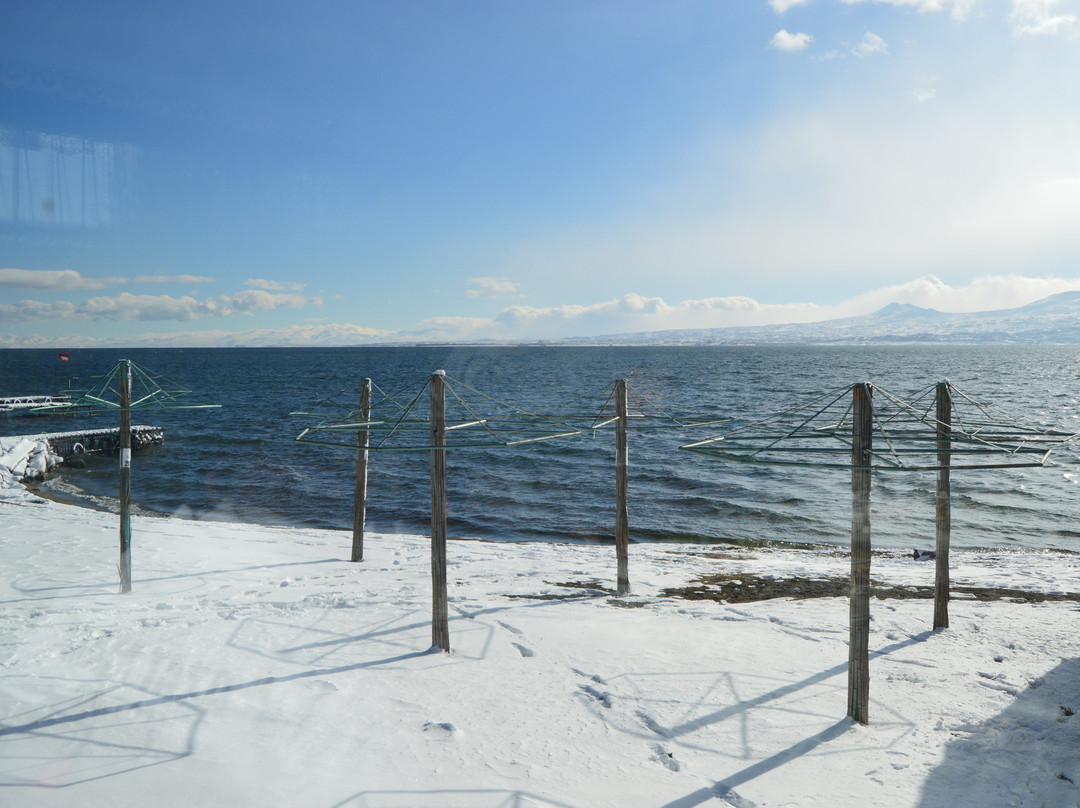
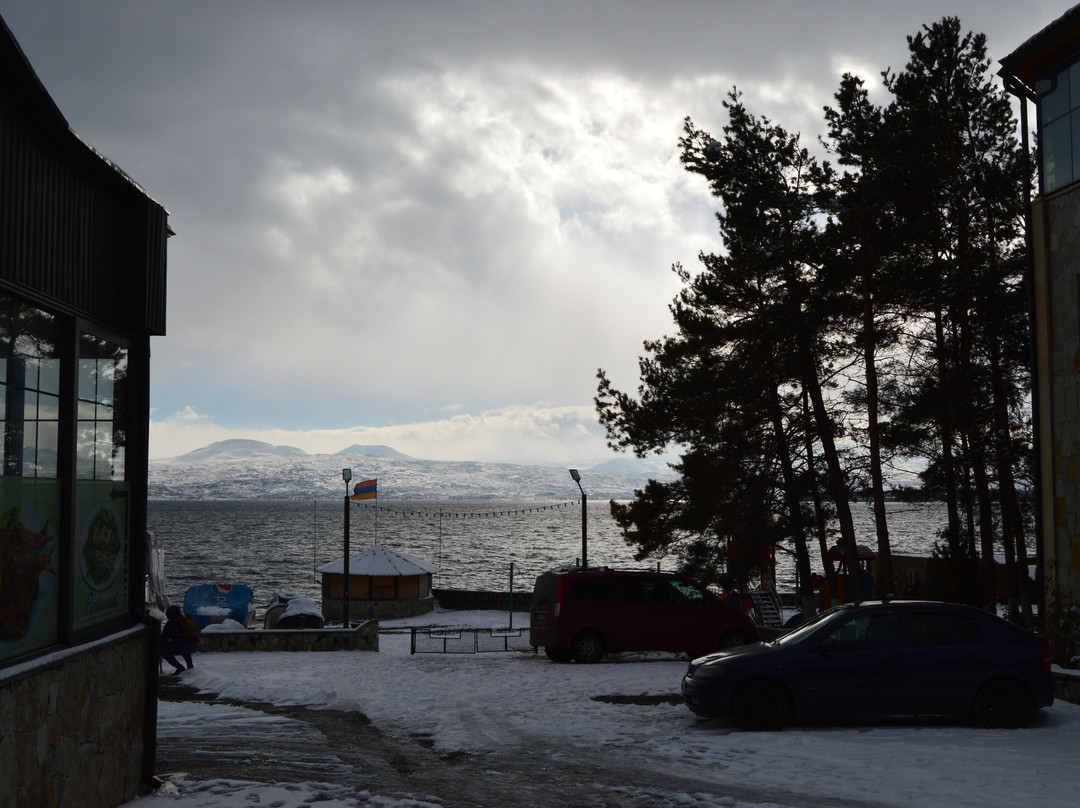
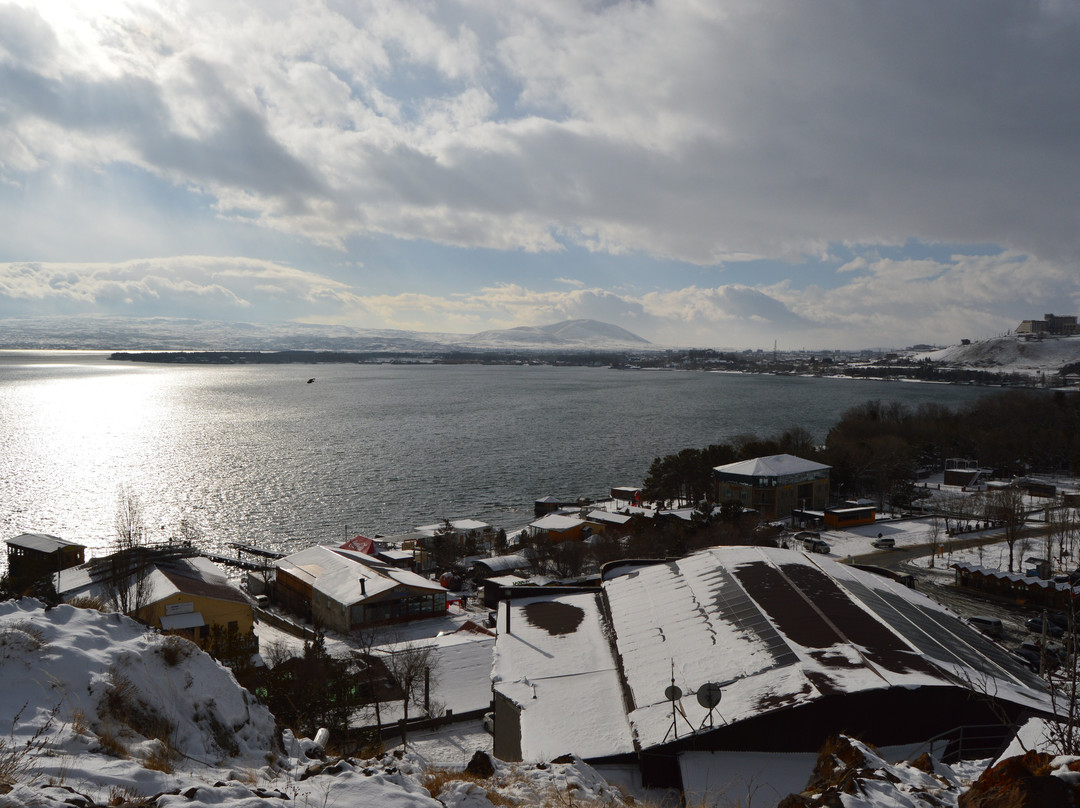
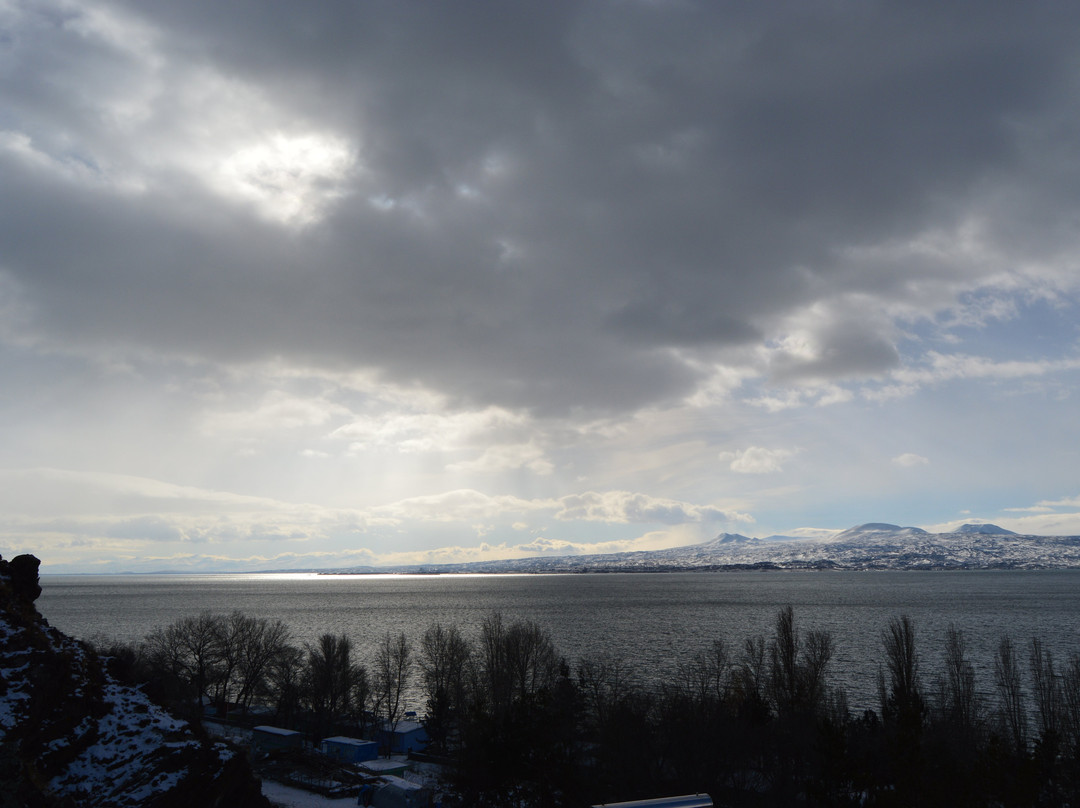
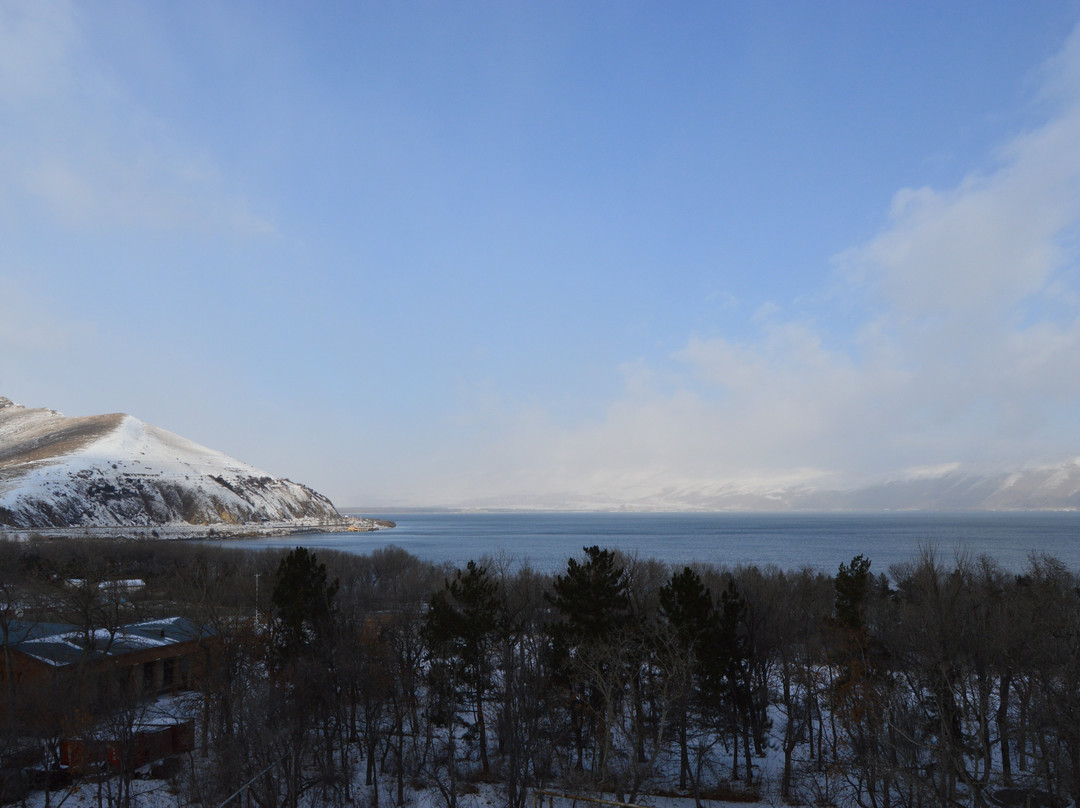
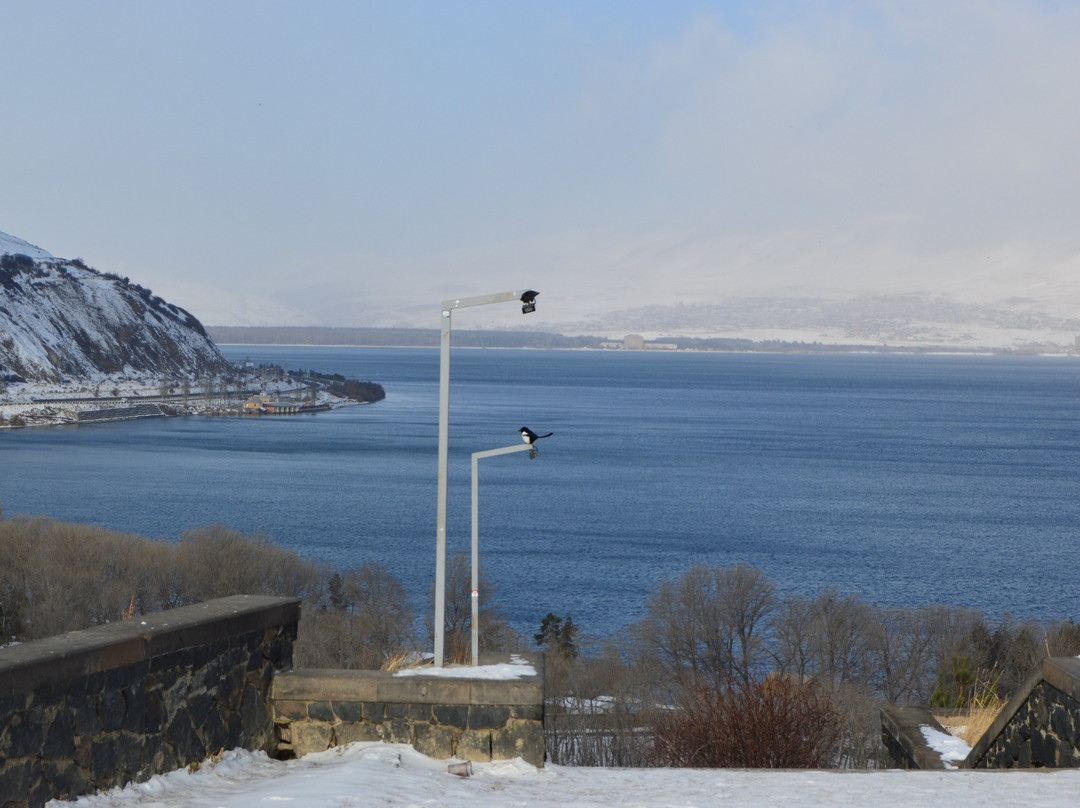
点评:The largest body of water in the whole Caucasus area. It is a very important economically as well as culturally for the state of Amenia. It provides the country with the majority of its fish, as well as its supplies of water. It also provides electricity and has a great importance in tourism domain with many resorts and public beaches, the only available in Armenia, since it is a deadlock country.
Unfortunately, the USSR used the lake in irrigation plans, and as happened to Ural sea, the lake lost a great portion of its water. Although that plan was abandoned later, the lake was already affected by loss of volume as well as the loss of many fish and birds species. A reverse plan was applied to provide the lake with water from rivers through tunnels. The lake recovered a bit but unfortunely the rivers water is a bit too polluted. Some fish species were introduced but the Sevan trout is highly endangered.
The lake has many important monuments around its shores loke the Sevanavank monastery on the Sevan peninsula, that used to be an island.
A visit to the lake and to Sevan peninsula as well as the monastery is a must if you are visiting Armenia, whether is Summer or in winter.
Unfortunately, the USSR used the lake in irrigation plans, and as happened to Ural sea, the lake lost a great portion of its water. Although that plan was abandoned later, the lake was already affected by loss of volume as well as the loss of many fish and birds species. A reverse plan was applied to provide the lake with water from rivers through tunnels. The lake recovered a bit but unfortunely the rivers water is a bit too polluted. Some fish species were introduced but the Sevan trout is highly endangered.
The lake has many important monuments around its shores loke the Sevanavank monastery on the Sevan peninsula, that used to be an island.
A visit to the lake and to Sevan peninsula as well as the monastery is a must if you are visiting Armenia, whether is Summer or in winter.
翻译:整个高加索地区最大的水域。它对亚美尼亚共和国具有重要的经济和文化意义。它为该国提供了大部分鱼类和水源。它还为亚美尼亚提供电力,并在旅游业中占有重要地位,拥有众多度假胜地和公共海滩,这些海滩是亚美尼亚(由于亚美尼亚是一个政治僵局的国家)独有的。
不幸的是,苏联曾将该湖用于灌溉计划,结果就像乌拉尔海一样,湖水大量流失。尽管该计划后来被放弃,但该湖的水量已经减少,鱼类和鸟类种类也大量减少。后来,苏联实施了一项相反的计划,通过隧道从河水中引水到湖中。湖水状况有所恢复,但不幸的是,河水污染严重。一些鱼类被引入,但塞凡鳟鱼已濒临灭绝。
该湖周围有许多重要的古迹,例如塞凡半岛上的塞凡纳万克修道院(Sevanavank),该半岛曾经是一个岛屿。
无论您是夏天还是冬天,如果您要访问亚美尼亚,一定要参观湖泊、塞凡半岛以及修道院。
不幸的是,苏联曾将该湖用于灌溉计划,结果就像乌拉尔海一样,湖水大量流失。尽管该计划后来被放弃,但该湖的水量已经减少,鱼类和鸟类种类也大量减少。后来,苏联实施了一项相反的计划,通过隧道从河水中引水到湖中。湖水状况有所恢复,但不幸的是,河水污染严重。一些鱼类被引入,但塞凡鳟鱼已濒临灭绝。
该湖周围有许多重要的古迹,例如塞凡半岛上的塞凡纳万克修道院(Sevanavank),该半岛曾经是一个岛屿。
无论您是夏天还是冬天,如果您要访问亚美尼亚,一定要参观湖泊、塞凡半岛以及修道院。


© 2026 Tripadvisor 版权所有。
部分照片由 VFM Leonardo 提供。
TripAdvisor公司对外部网站的内容一概不负责。优惠价格中不含税和其他费用。
ICP证:沪B2-20200433
沪ICP备20013175号
 沪公网安备31010502005427号
鹰程信息技术(上海)有限公司