下载App
资质规则
旅行
账户

DeanMurphy2020
Gateway to Ancient Mycenae-Mykines☺
Lion Gate的点评
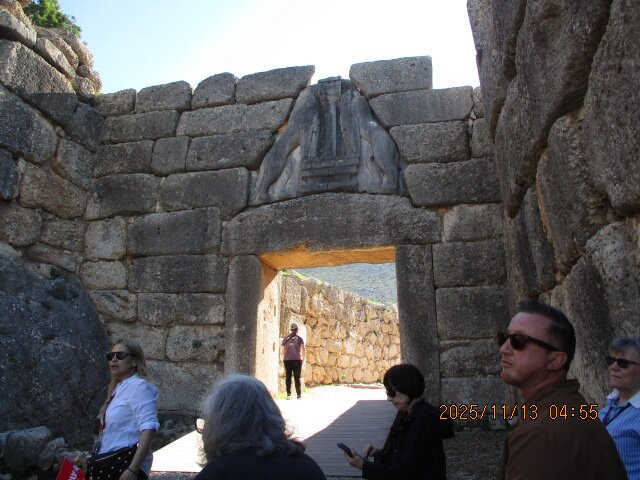
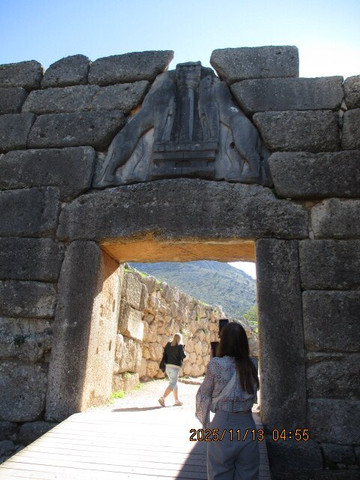
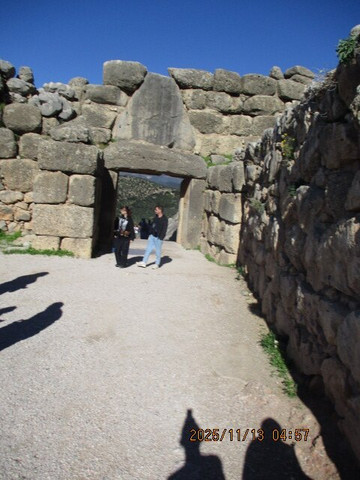
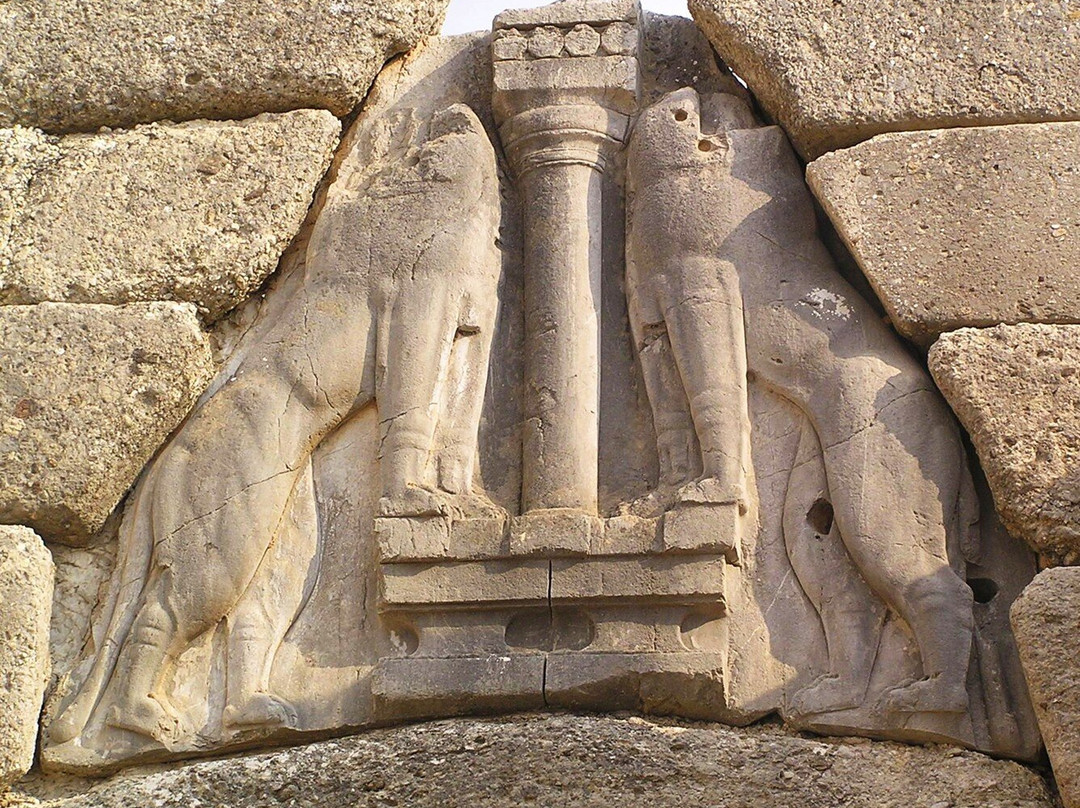
点评:Erected around 1250BCE, the Bronze Age main entrance to the Citadel and Treasury bears the modern moniker Lion Gate, at the northwestern side of Acropolis, which is also known as a citadel atop a mountain. The name is derived from the relief sculpture of two lions or lionesses in a heraldic [stylized stance of an animal with outstretched body] pose that stands above the entrance. It is the sole surviving monumental piece of Mycenaean sculpture, and the largest surviving sculpture in the Aegean Bronze Age, the only monument of Bronze Age Greece to bear an iconographic motif that survived without being buried underground. That may be because of the isolation of the area and being situated atop Acropolis. [It is proper not to write the Acropolis, unless referring to the plural of Acropolis, which is designated by pluralized the Acropolis compared to Acropolis without an article.] Lion Gate is the only relief image that was described in the literature of classical antiquity, such that it was well known prior to modern archaeology.
I became confused with the different sections of this archaeological site. One sign specifies Archaeological Site of Mykines, but Tripadvisor identifies four separate items at this locale: Lion Gate, Archaeological Museum of Ancient Mycenae, Citadel & Treasury of Atreus, and Archaeological Site Mycenae. If time allows, enjoy a stroll about the grounds, and try to read all the informational signs. Most of all, research these sites before arriving.
I became confused with the different sections of this archaeological site. One sign specifies Archaeological Site of Mykines, but Tripadvisor identifies four separate items at this locale: Lion Gate, Archaeological Museum of Ancient Mycenae, Citadel & Treasury of Atreus, and Archaeological Site Mycenae. If time allows, enjoy a stroll about the grounds, and try to read all the informational signs. Most of all, research these sites before arriving.
翻译:这座青铜时代通往卫城和宝库的主入口建于公元前1250年左右,位于卫城西北侧,如今被称为狮门。卫城又称山顶城堡。狮门之名源于入口上方的浮雕,浮雕描绘了两只狮子或母狮,姿态呈纹章学中动物伸展身体的程式化姿势。它是现存唯一的迈锡尼巨型雕塑,也是爱琴海地区青铜时代现存最大的雕塑,更是希腊青铜时代唯一一座没有被掩埋而保存至今的带有图像图案的纪念碑。这或许是因为该地区地处偏远,且位于卫城之巅。 【除非指代卫城的复数形式,否则不应写成“卫城”(Acropolis)。卫城的复数形式应写成“the Acropolis”,而非不带冠词的“Acropolis”。】狮门是唯一在古典时期文献中有所记载的浮雕图像,因此在现代考古学出现之前就已广为人知。
我对这个考古遗址的不同区域感到困惑。一块标牌上写着“迈基涅斯考古遗址”(Archaeological Site of Mykines),但TripAdvisor上却列出了四个不同的景点:狮门、古代迈锡尼考古博物馆、阿特柔斯城堡及宝库,以及迈锡尼考古遗址。如果时间允许,不妨在遗址内漫步,并尽量阅读所有信息标牌。最重要的是,在抵达之前务必做好功课。
我对这个考古遗址的不同区域感到困惑。一块标牌上写着“迈基涅斯考古遗址”(Archaeological Site of Mykines),但TripAdvisor上却列出了四个不同的景点:狮门、古代迈锡尼考古博物馆、阿特柔斯城堡及宝库,以及迈锡尼考古遗址。如果时间允许,不妨在遗址内漫步,并尽量阅读所有信息标牌。最重要的是,在抵达之前务必做好功课。

© 2026 Tripadvisor 版权所有。
部分照片由 VFM Leonardo 提供。
TripAdvisor公司对外部网站的内容一概不负责。优惠价格中不含税和其他费用。
ICP证:沪B2-20200433
沪ICP备20013175号
 沪公网安备31010502005427号
鹰程信息技术(上海)有限公司