下载App
资质规则
旅行
账户
ShaunH290
Confusing Name - Confusing Place!
Palazzo Comunale的点评
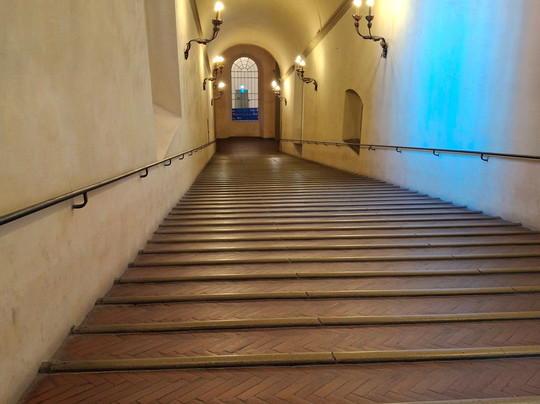
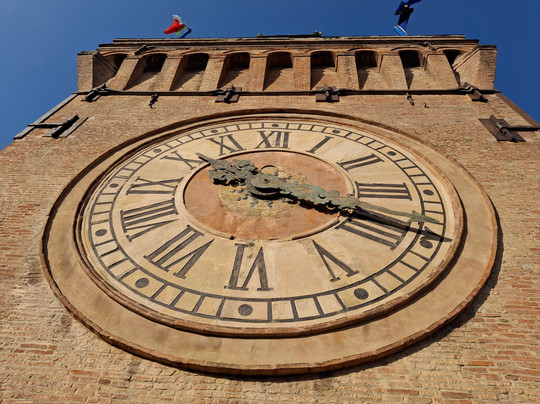
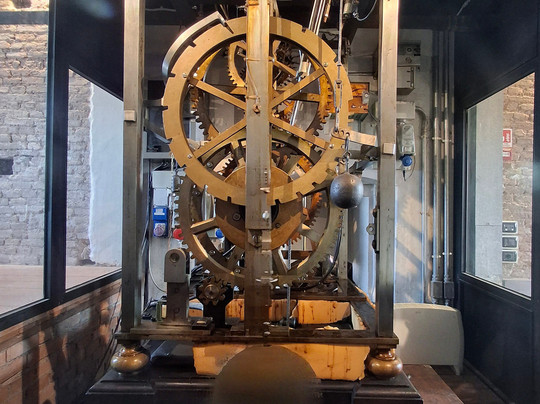
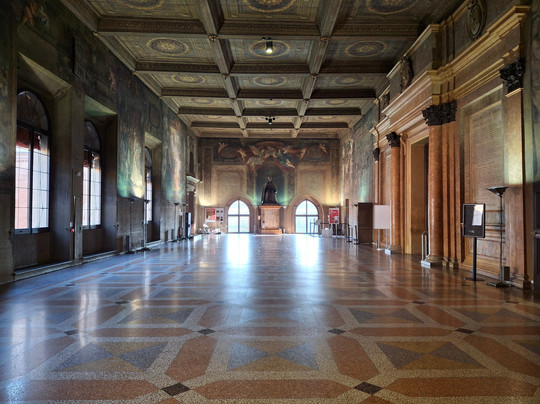
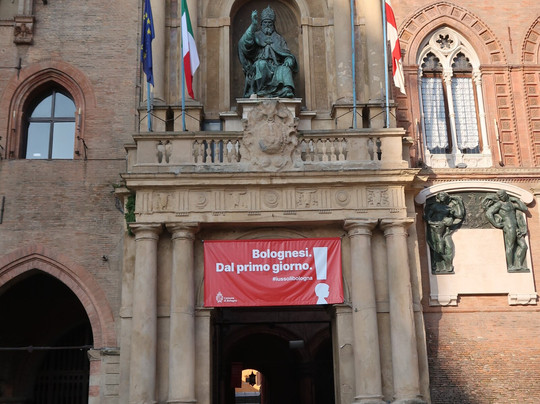
点评:Palazzo d’Accursio, also known as Palazzo Comunale, has been the seat of the municipality since the Middle Ages. It overlooks Piazza Maggiore, the central square. So it has two names and it was built in various phases between the 13th and 16th centuries. But there are several parts to it. Looking at it from the square, this is the building with the Clock Tower. Some parts of it are free: for instance, the courtyard inside, the second floor (up the huge ramp-like staircase that horses could use). Then there are the payable parts: the Clock Tower, the Art Gallery. Then there is how you pay: separate tickets (bought in various places) or the Bologna Welcome Card from the Tourist Information Centre, also on the central square. The additional problem is that you have to book a time slot for Clock Tower, whilst the Art Gallery is open at different times, so you might need to do what we did and book the Clock Tower in the morning but go to the gallery in the afternoon. Like I said: confusing!
翻译:阿库尔西奥宫(Palazzo d’Accursio),又称市政宫(Palazzo Comunale),自中世纪以来一直是博洛尼亚市政厅所在地。它俯瞰着中央广场马焦雷广场(Piazza Maggiore)。因此它有两个名字,并且是在13至16世纪的不同时期建造的。但它由几个部分组成。从广场上看,这座建筑的钟楼就位于其中。部分区域免费开放:例如,内部庭院、二楼(需要登上巨大的坡道式楼梯,这种楼梯以前马匹也可以通行)。而钟楼和美术馆则需要付费参观。付费方式也不同:您可以单独购票(在不同的地方购买),也可以在位于中央广场的旅游信息中心购买博洛尼亚欢迎卡。另一个问题是,参观钟楼需要提前预约,而美术馆的开放时间则不固定,所以您可能需要像我们一样,上午参观钟楼,下午再去美术馆。正如我所说:确实有点复杂!

© 2026 Tripadvisor 版权所有。
部分照片由 VFM Leonardo 提供。
TripAdvisor公司对外部网站的内容一概不负责。优惠价格中不含税和其他费用。
ICP证:沪B2-20200433
沪ICP备20013175号
 沪公网安备31010502005427号
鹰程信息技术(上海)有限公司