下载App
旅行
账户

Tualie
Stunning historical building
Certosa di Pavia的点评
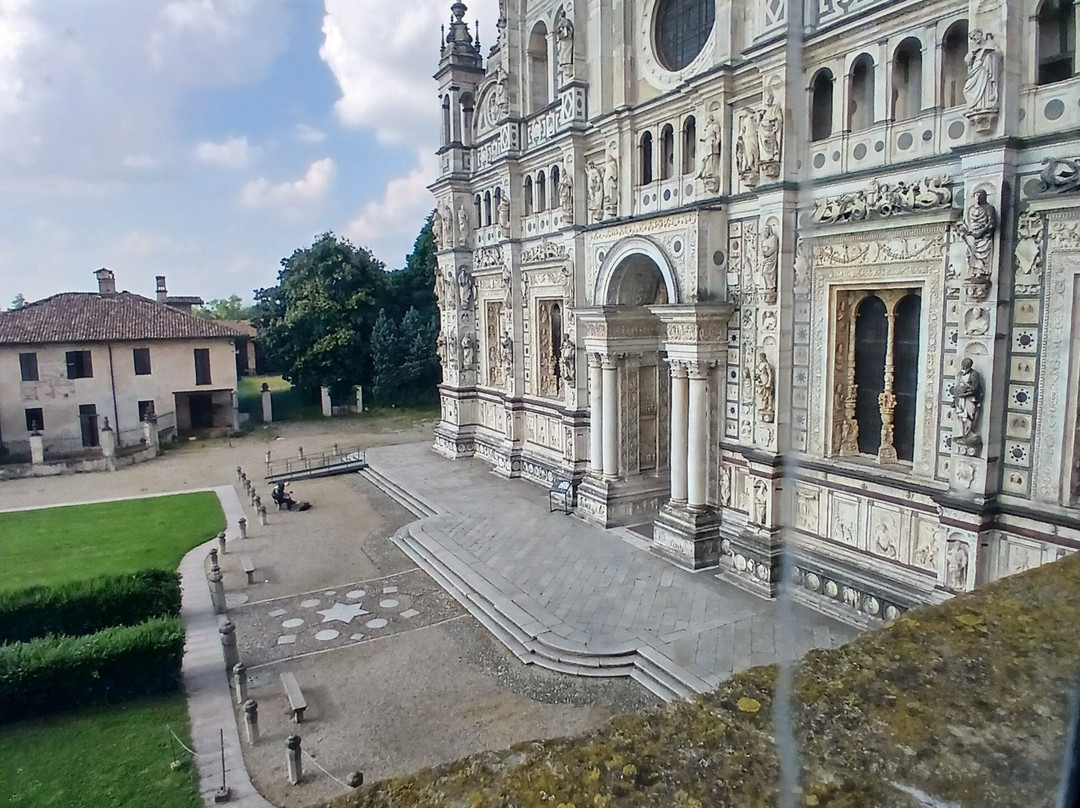
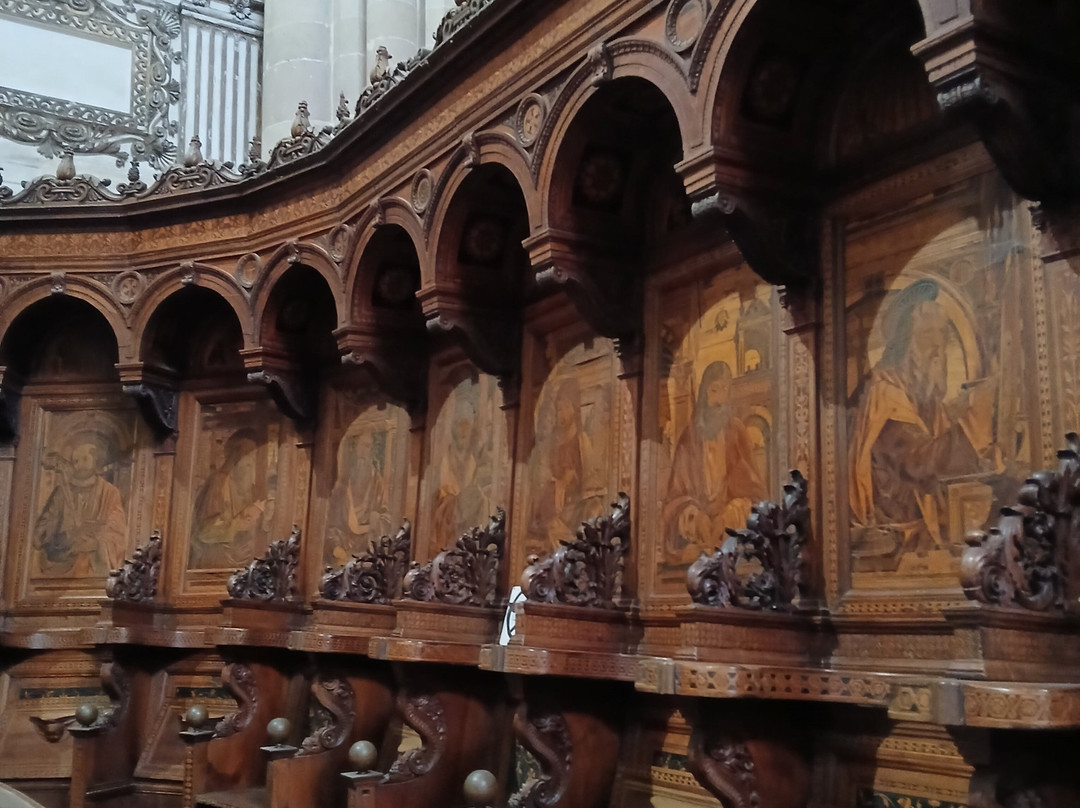
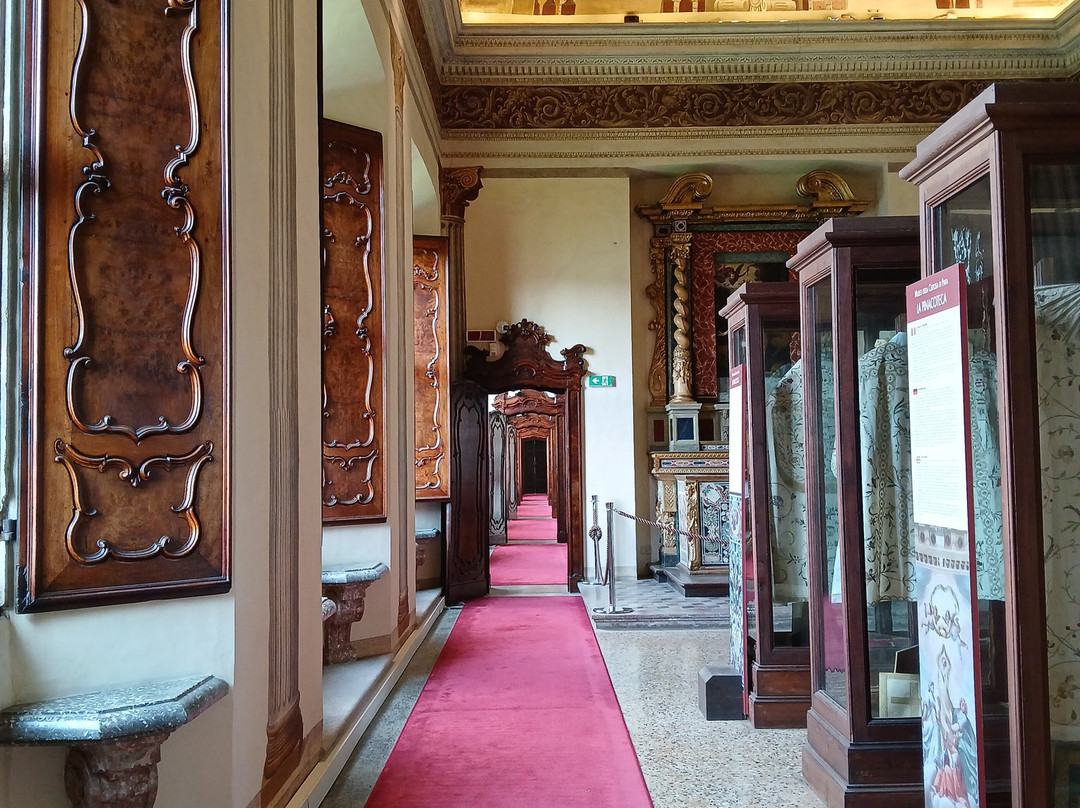
点评:The construction of this charterhouse dates back from the Late Medieval period (1300’s) by the then Duke of Milan, Visconti, intended to be the family mausoleum which took several centuries to complete due to political changes; the same for religious orders who administered and resided there (Carthusians, Cistercians, Carmelites and Benedictines); it was declared National Monument since 1866. Imposing facade in Gothic and Renaissance with very interesting artwork inside plus museum, the visit organized by monks is free (*) so a donation is highly recommendable. Nice was the visit to the grand cloister and visiting a couple of monk cells which were good sized for a single person with even private gardens. The usual shop at the end of the visit/museum sells variety of products done by the monks. Worth the visit this charterhouse if looking something to visit just outside Milan (with self transport aka car) maybe along with Vigevano which is a historical city.
(*) Starting 1 January 2026 the Ministry of Culture will take over the whole complex so visiting activities would probably involve a fee.
(*) Starting 1 January 2026 the Ministry of Culture will take over the whole complex so visiting activities would probably involve a fee.
翻译:这座修道院始建于中世纪晚期(14世纪),由当时的米兰公爵维斯孔蒂建造,原计划作为家族陵墓。由于政治变迁,修道院耗时数个世纪才得以完工;在此管理和居住的修会(加尔都西会、熙笃会、加尔默罗会和本笃会)也经历了同样的变迁;自1866年起,修道院被列为国家纪念碑。修道院外观雄伟,融合了哥特式和文艺复兴风格,内部艺术品引人入胜,另有博物馆。僧侣组织的参观免费(*),因此强烈建议捐赠。参观宏伟的回廊和几间僧侣小室非常愉快,这些小室非常适合单人居住,甚至还带有私人花园。参观/博物馆结束时,通常会去商店购买僧侣制作的各种产品。如果您想在米兰郊外(自驾)游览,这座修道院值得一游,或许可以与历史名城维杰瓦诺一起游览。
(*) 从 2026 年 1 月 1 日起,文化部将接管整个建筑群,因此参观活动可能需要收费。
(*) 从 2026 年 1 月 1 日起,文化部将接管整个建筑群,因此参观活动可能需要收费。

© 2025 Tripadvisor 版权所有。
部分照片由 VFM Leonardo 提供。
TripAdvisor公司对外部网站的内容一概不负责。优惠价格中不含税和其他费用。
ICP证:沪B2-20200433
沪ICP备20013175号
 沪公网安备31010502005427号
鹰程信息技术(上海)有限公司