下载App
资质规则
旅行
账户

Crystalline4u
The Iron Chariot of the Coast
Cockle Train的点评
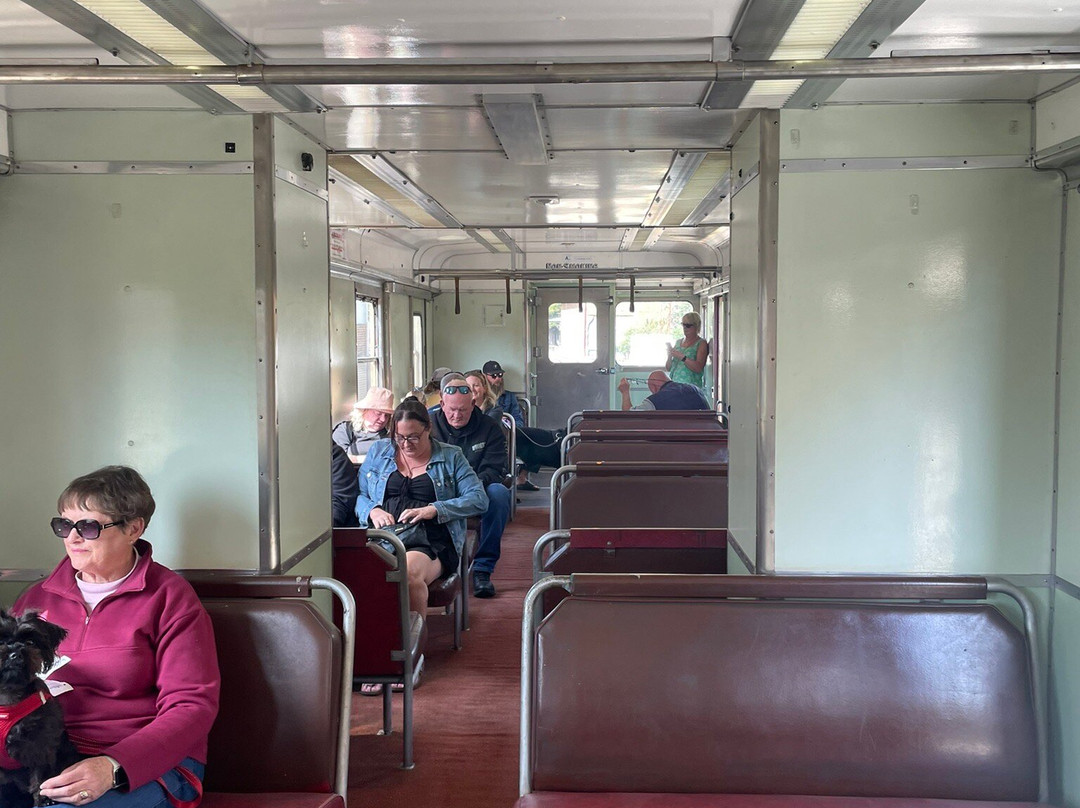
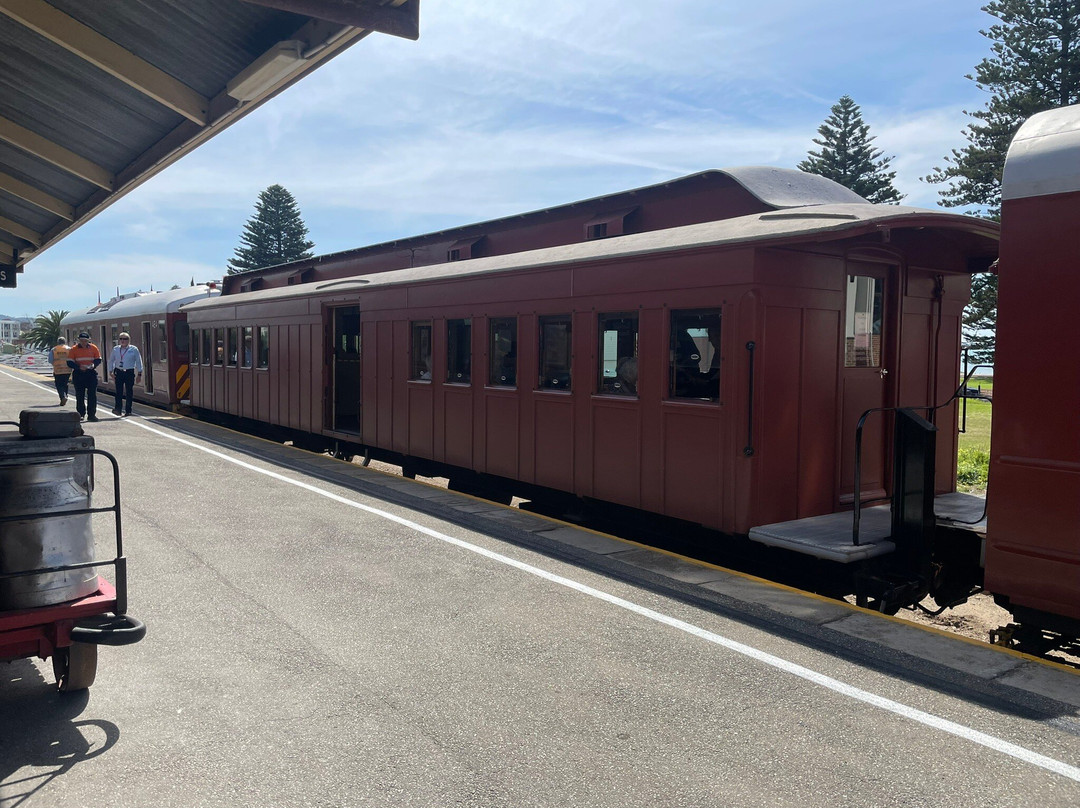
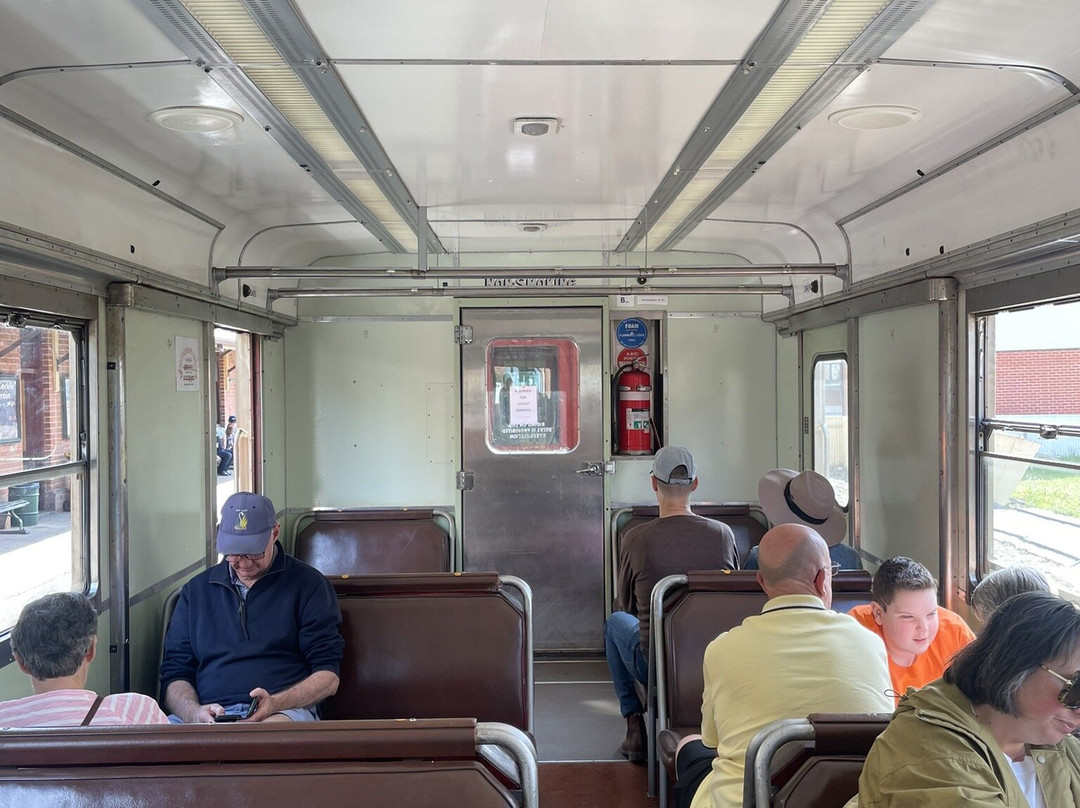
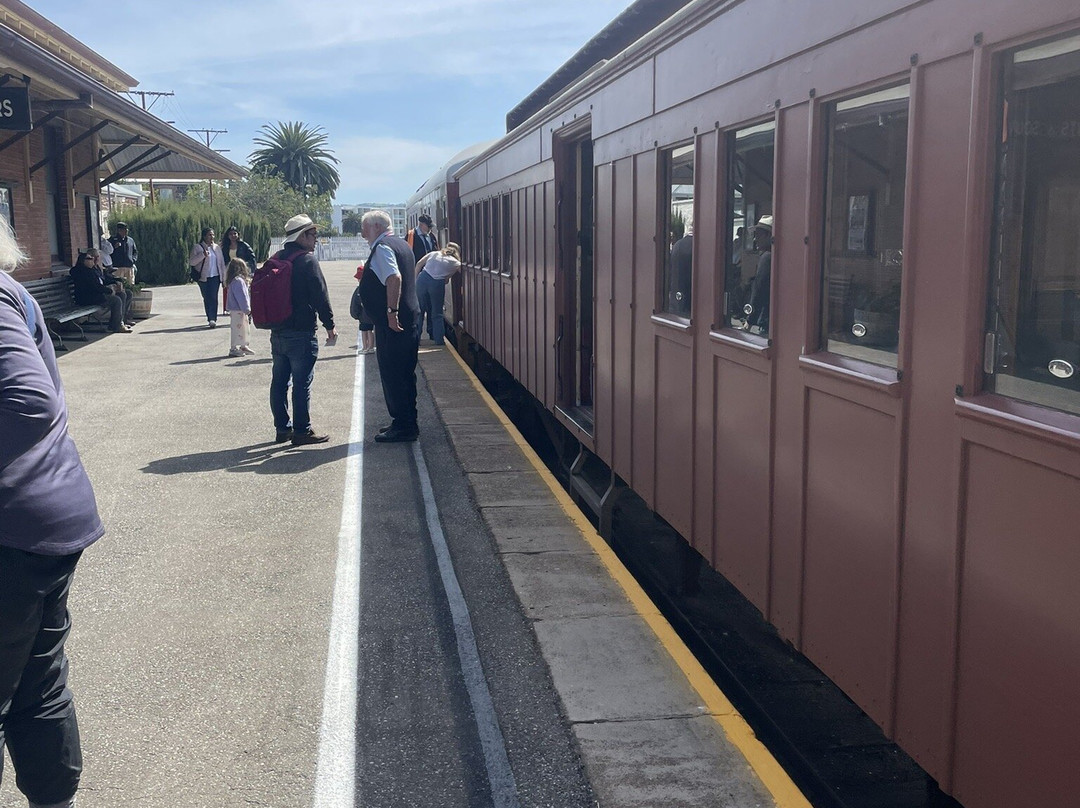
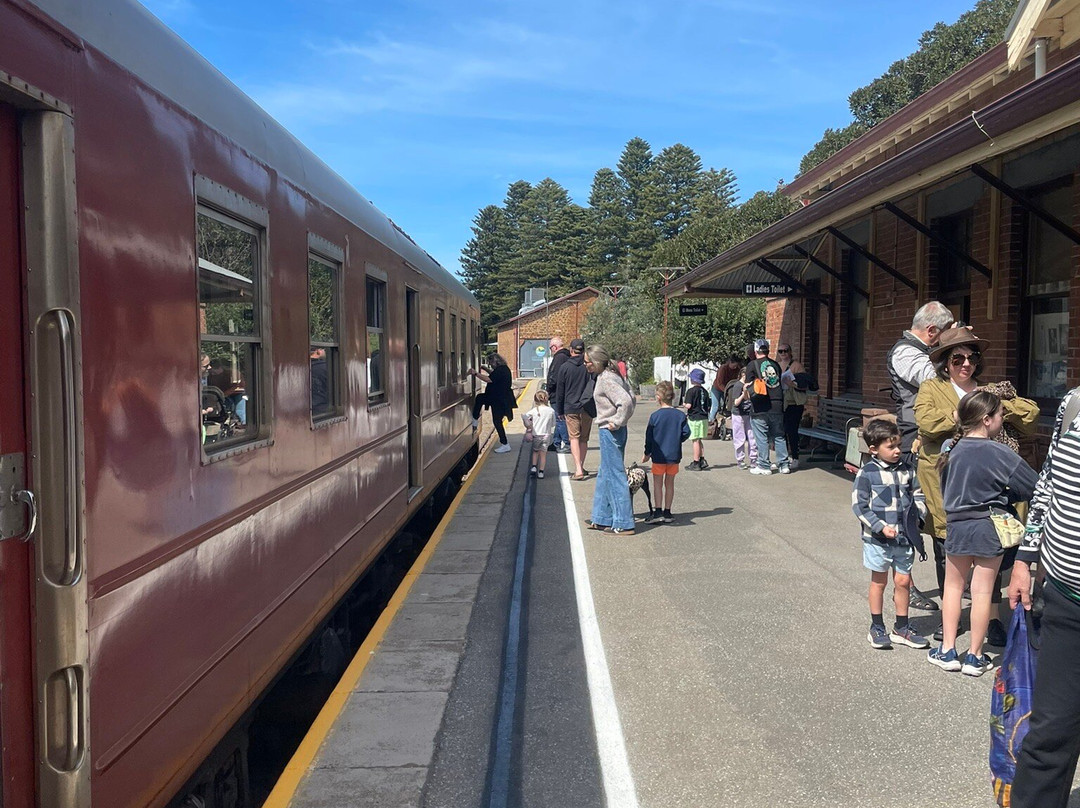
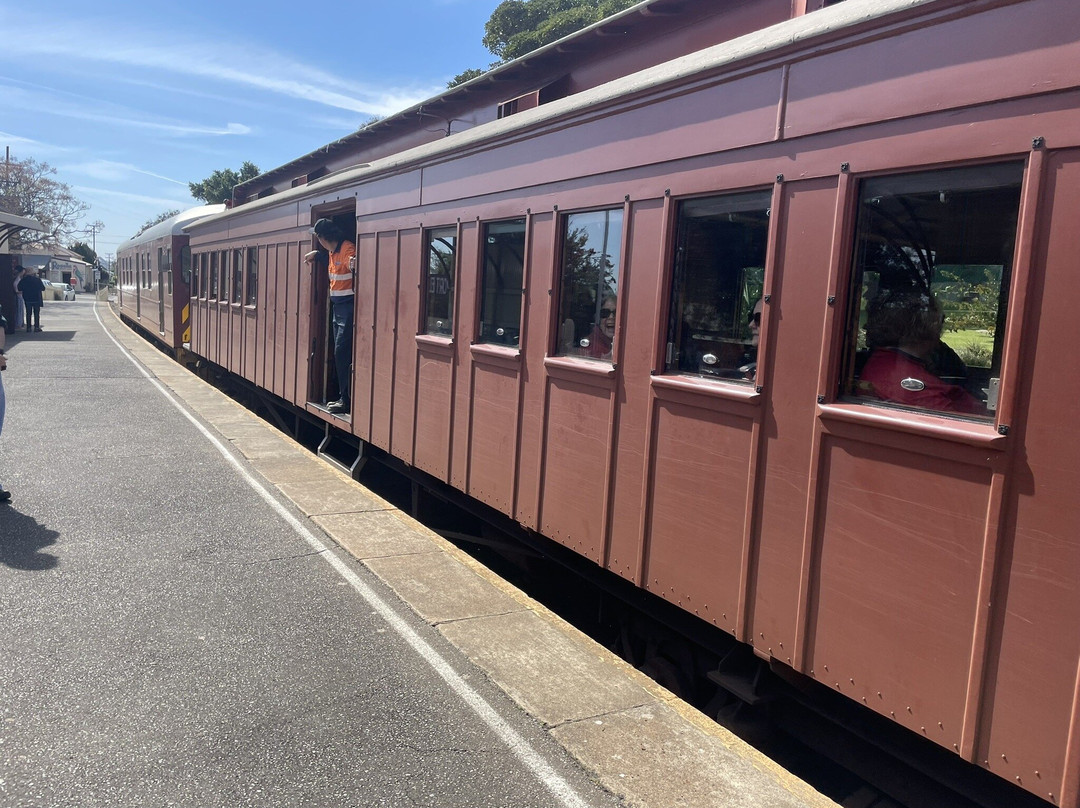
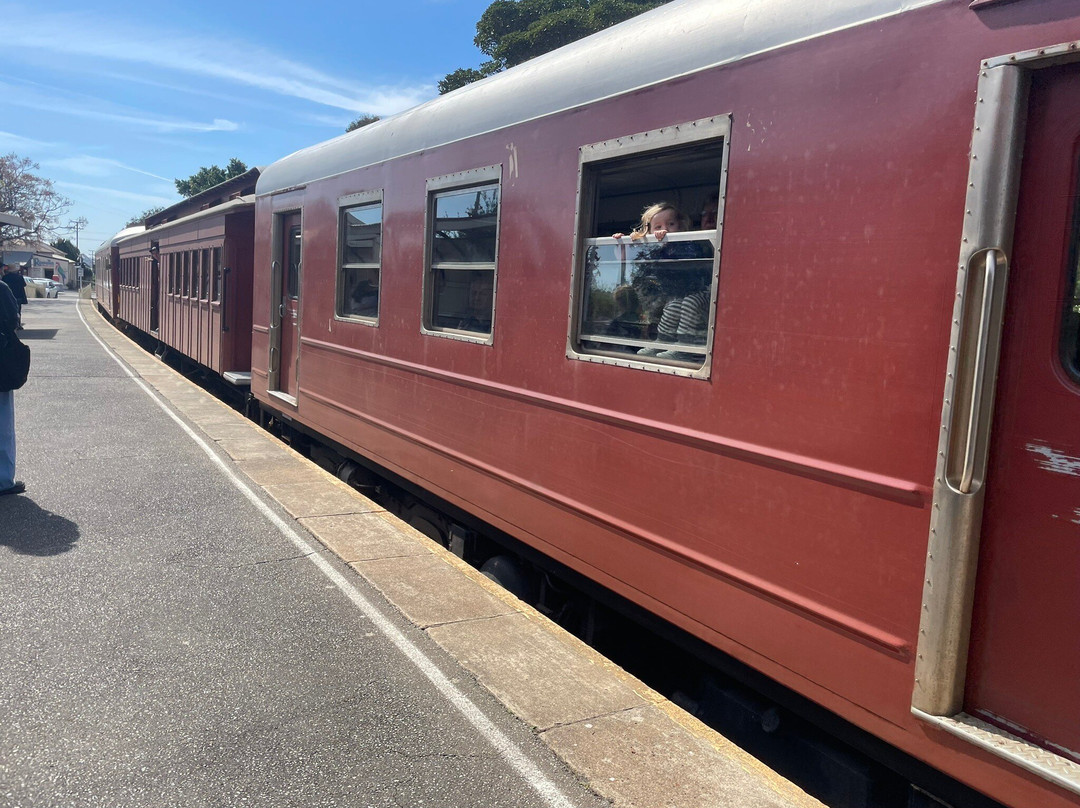
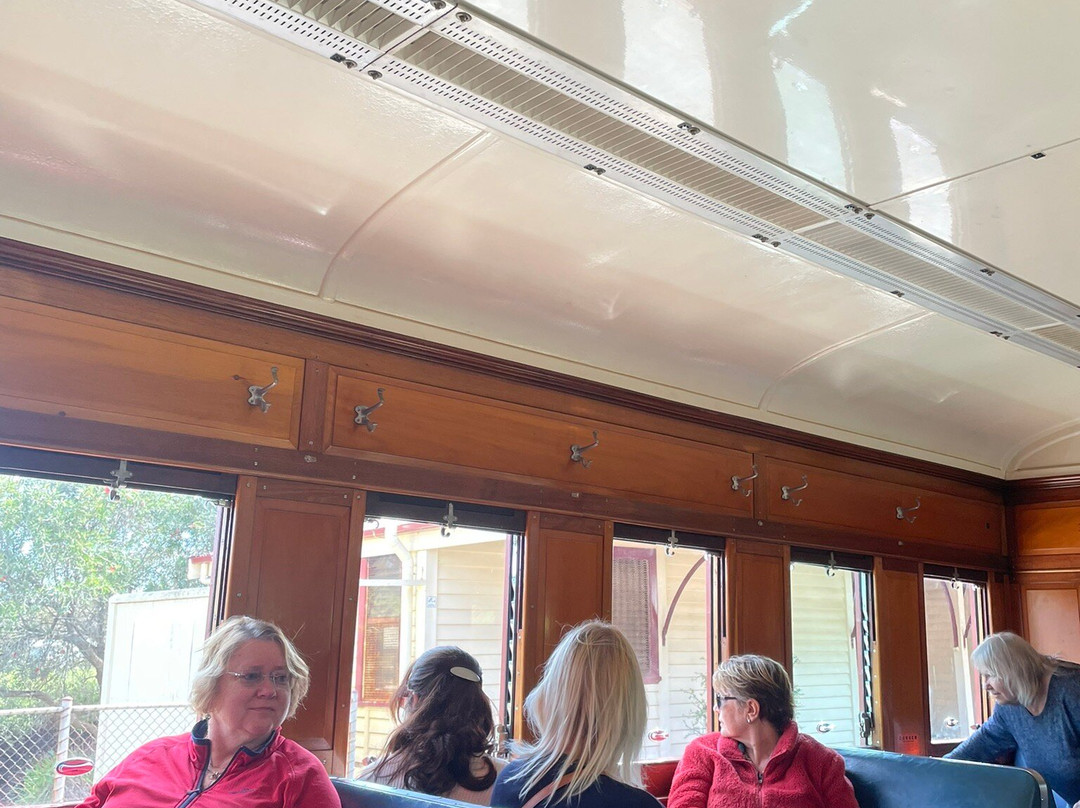
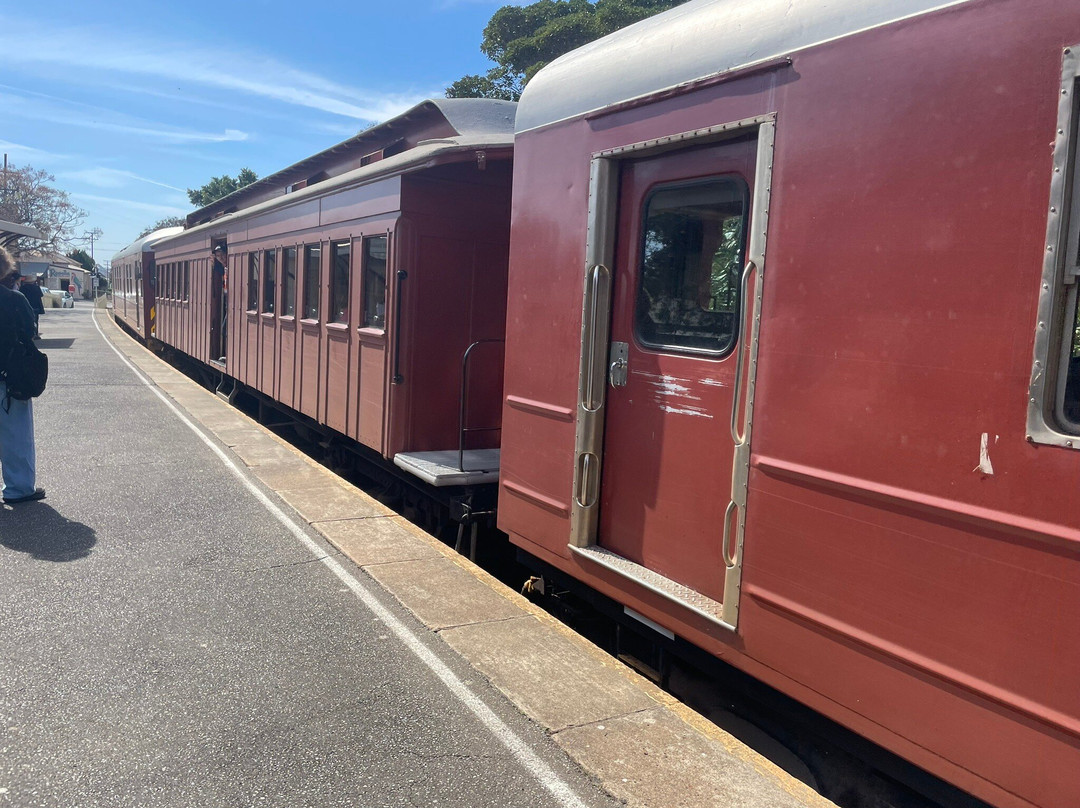
点评:The whistle of the Cockle Train echoes across the Fleurieu Peninsula like a voice from a bygone era, carrying with it the salty tang of the Southern Ocean and the romance of early Australian rail. As Australia’s oldest steel-railed railway, dating back to 1854, this legendary line between Goolwa and Victor Harbor was originally born of necessity, where horse-drawn carts hauled goods to riverboats on the Murray. Today, the rhythmic chug-chug of the vintage steam locomotive and the warm, wooden interiors of its historic carriages transport passengers back to a time when travel was an event to be savoured, not a race against the clock.
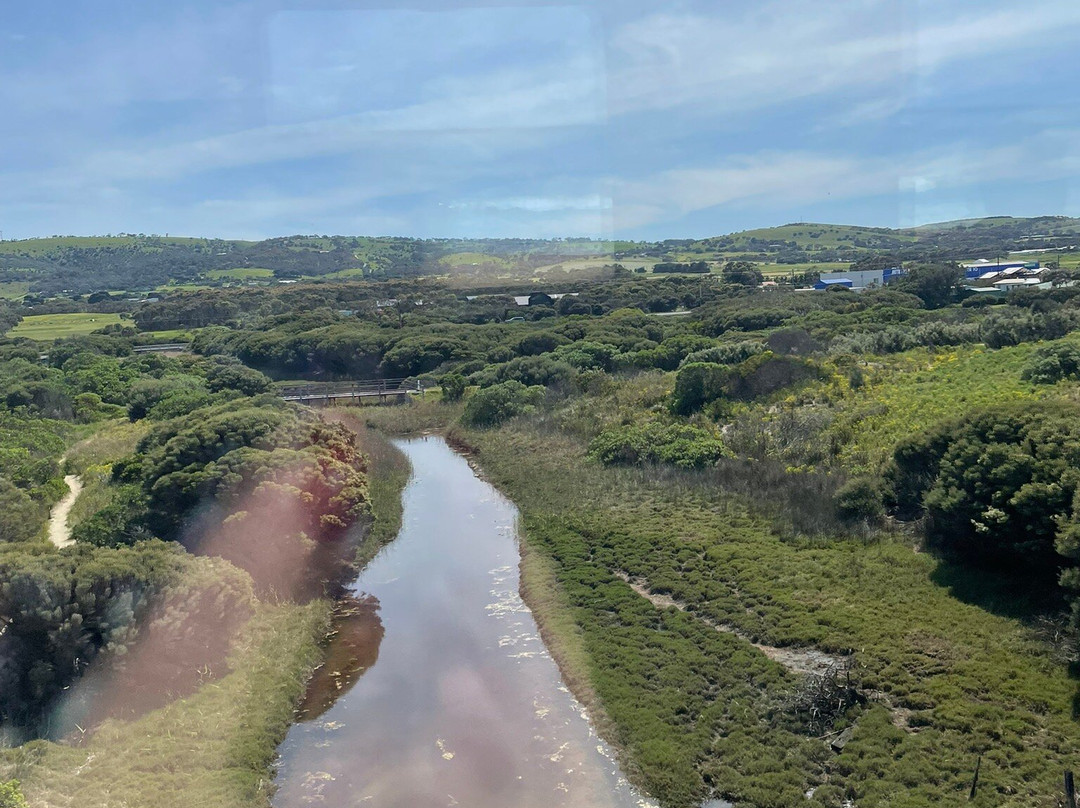
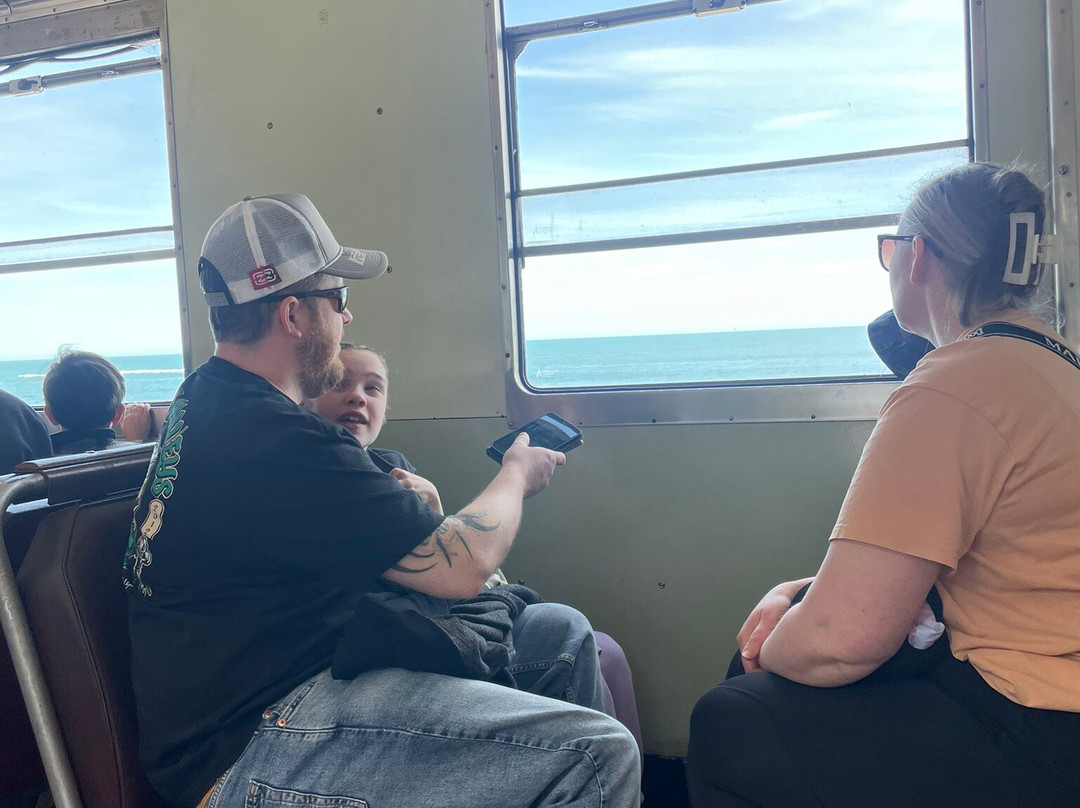
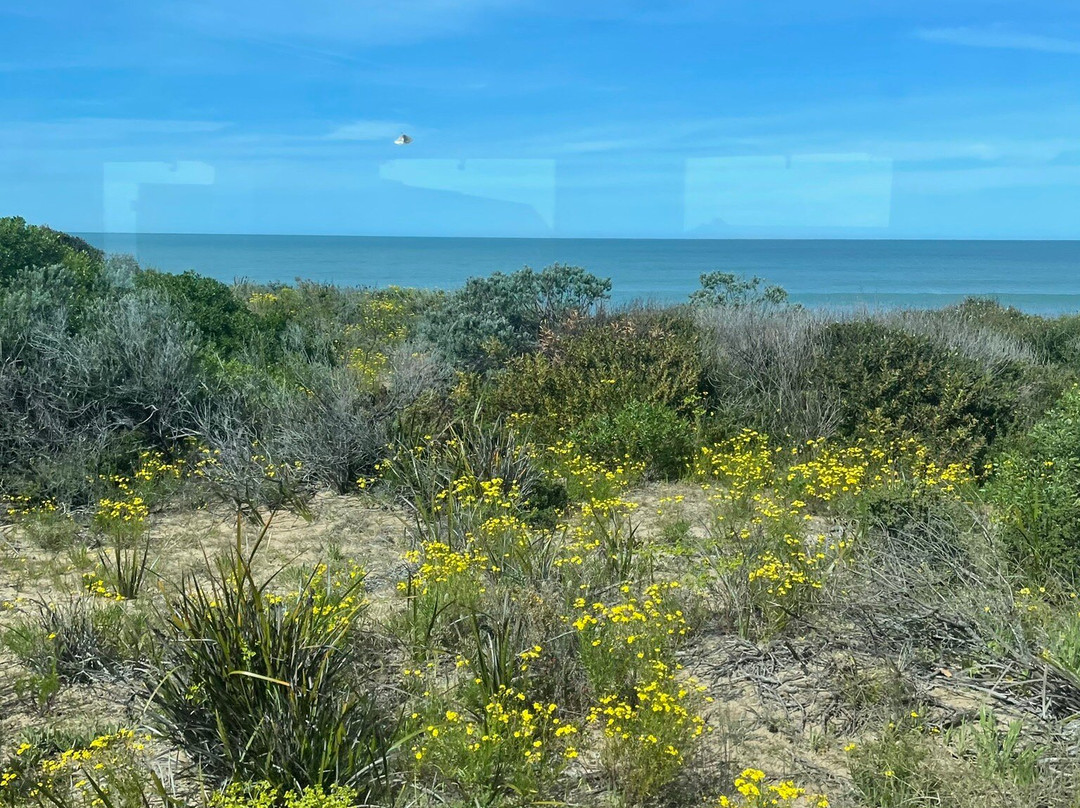
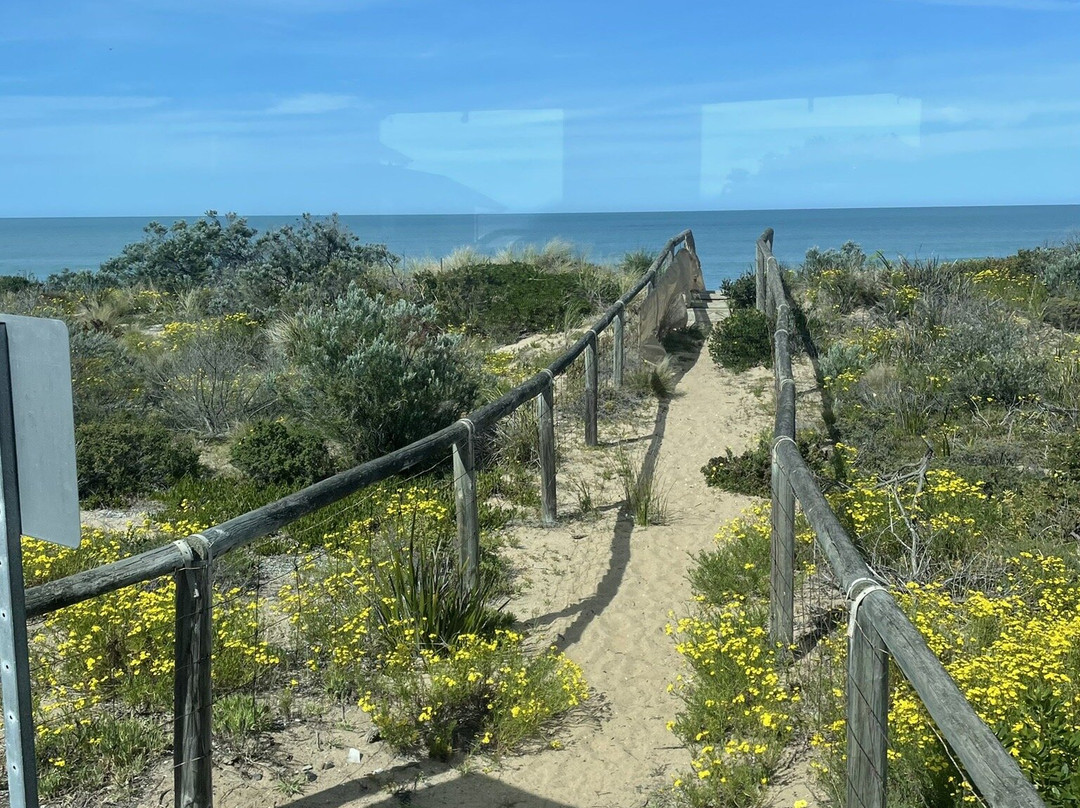
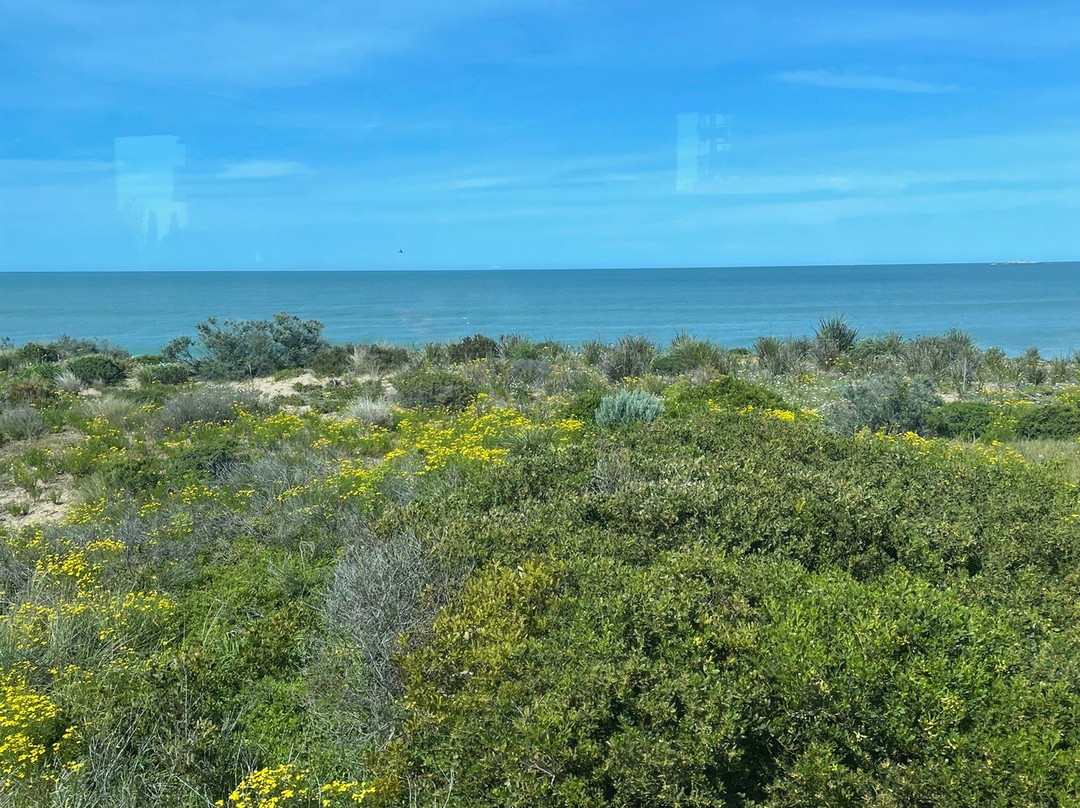
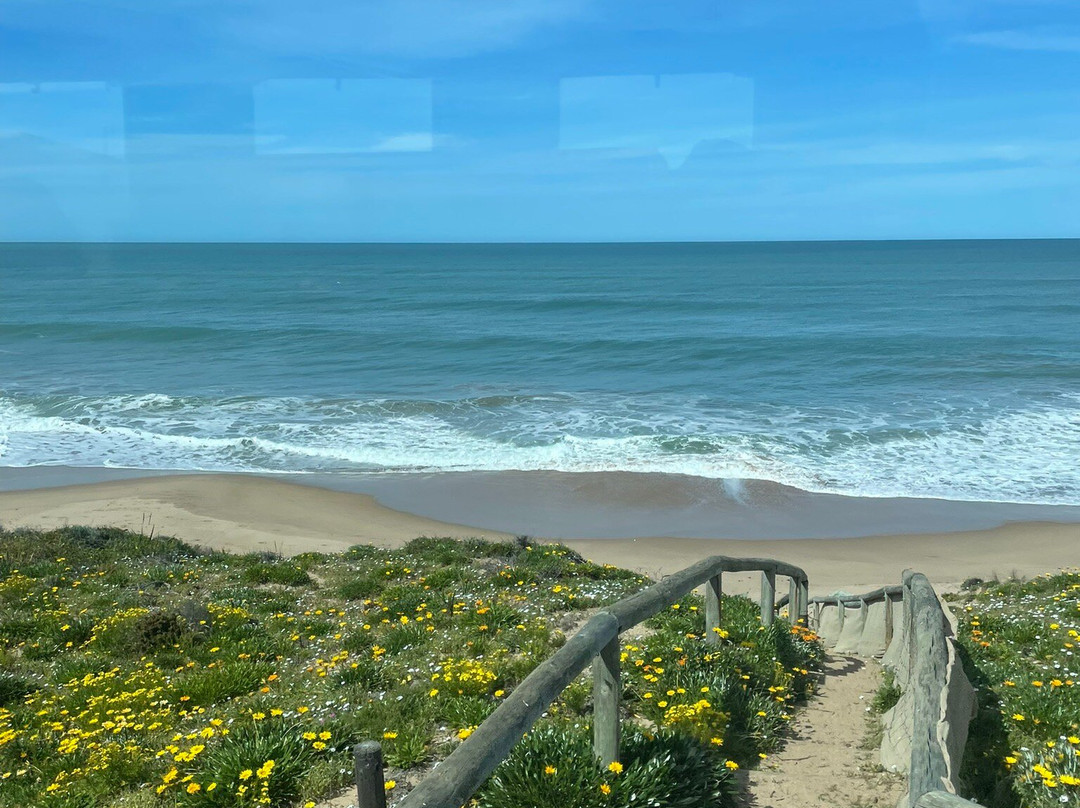
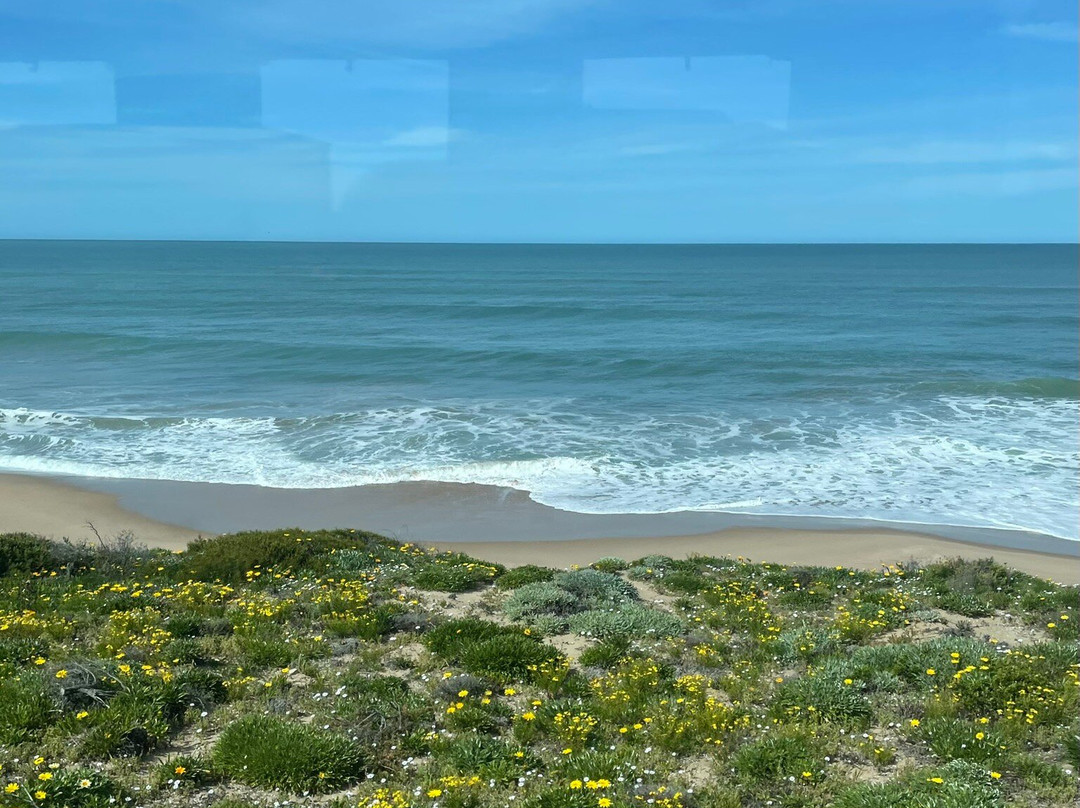
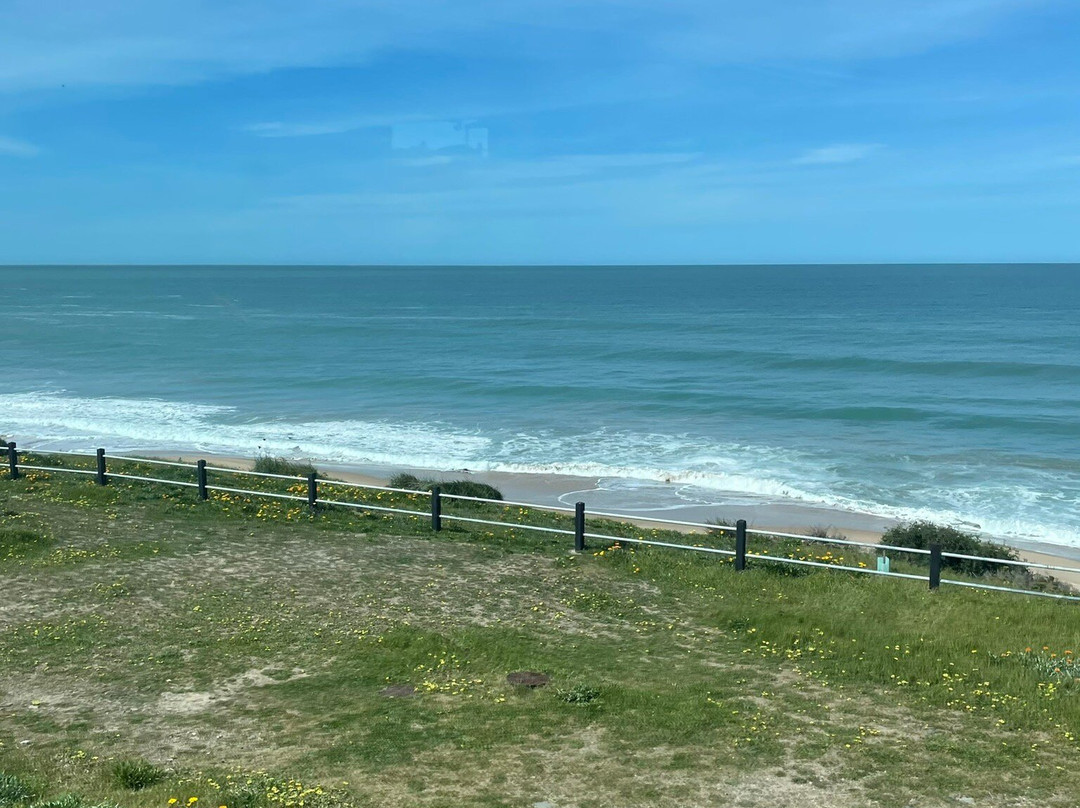
As the train chugs along the rugged coastline, looking out the window feels like turning the pages of a living history book. We are treated to timeless, sweeping views of Encounter Bay, where the tracks trace the very edge of the spectacular cliffs. The name itself is a nod to heritage; in the early days of settlement, locals would take the train to the beaches of Goolwa to gather cockles (pipis) from the sand, filling their buckets before catching the return engine home.
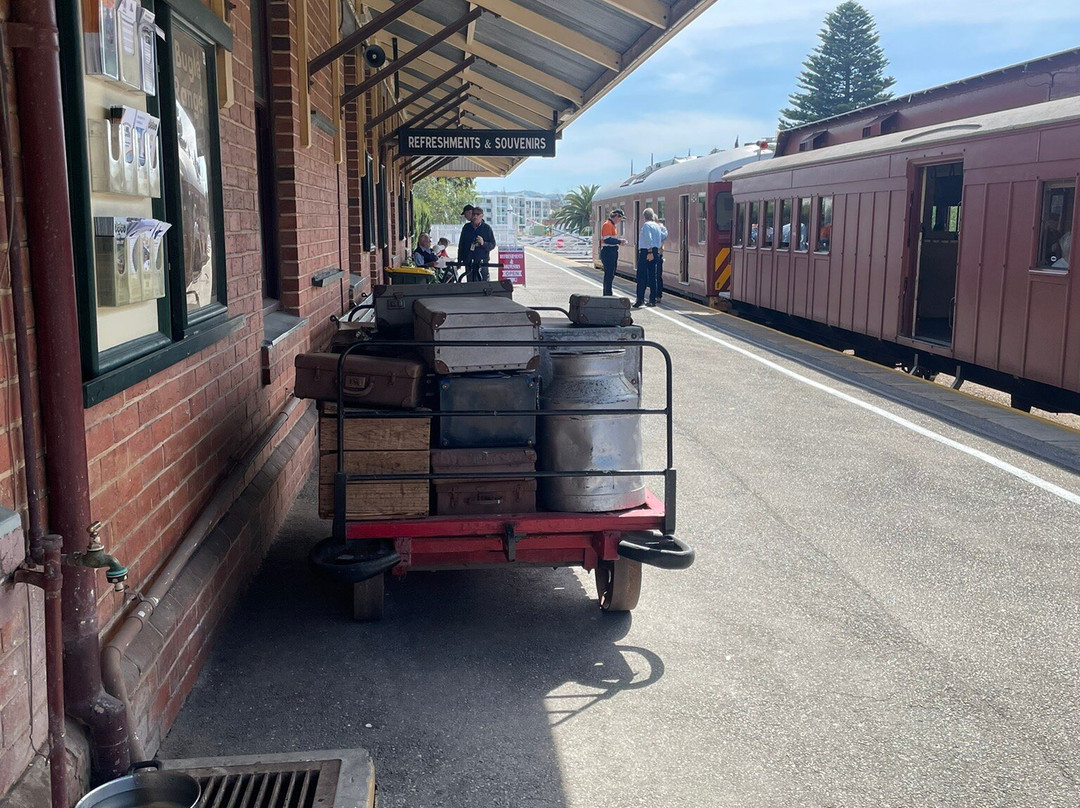
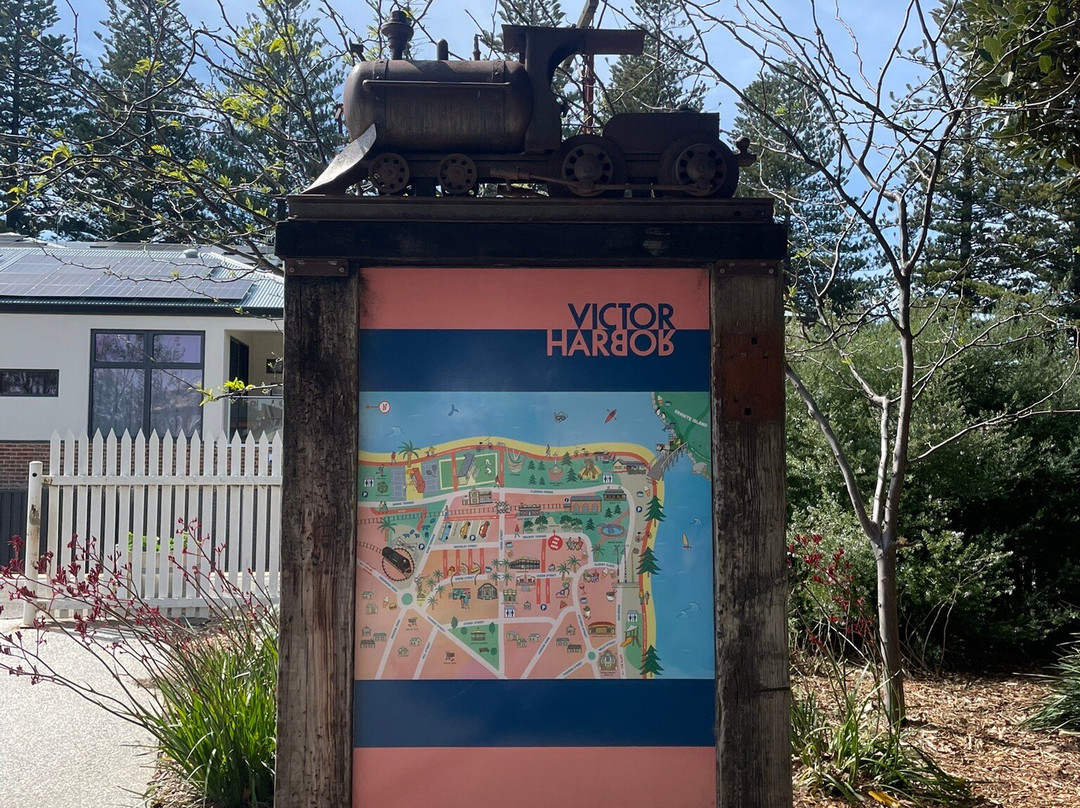
Stepping off the platform at Victor Harbor, the smell of coal smoke and polished brass lingers in the air, leaving a profound sense of connection to the generations of travelers who sat in these exact seats. The Cockle Train is more than just a scenic journey; it is a beautifully preserved piece of South Australian living history. It stands as a moving tribute to the engineering of the past, keeping the golden age of steam alive for all who wish to feel the thrill of the tracks.
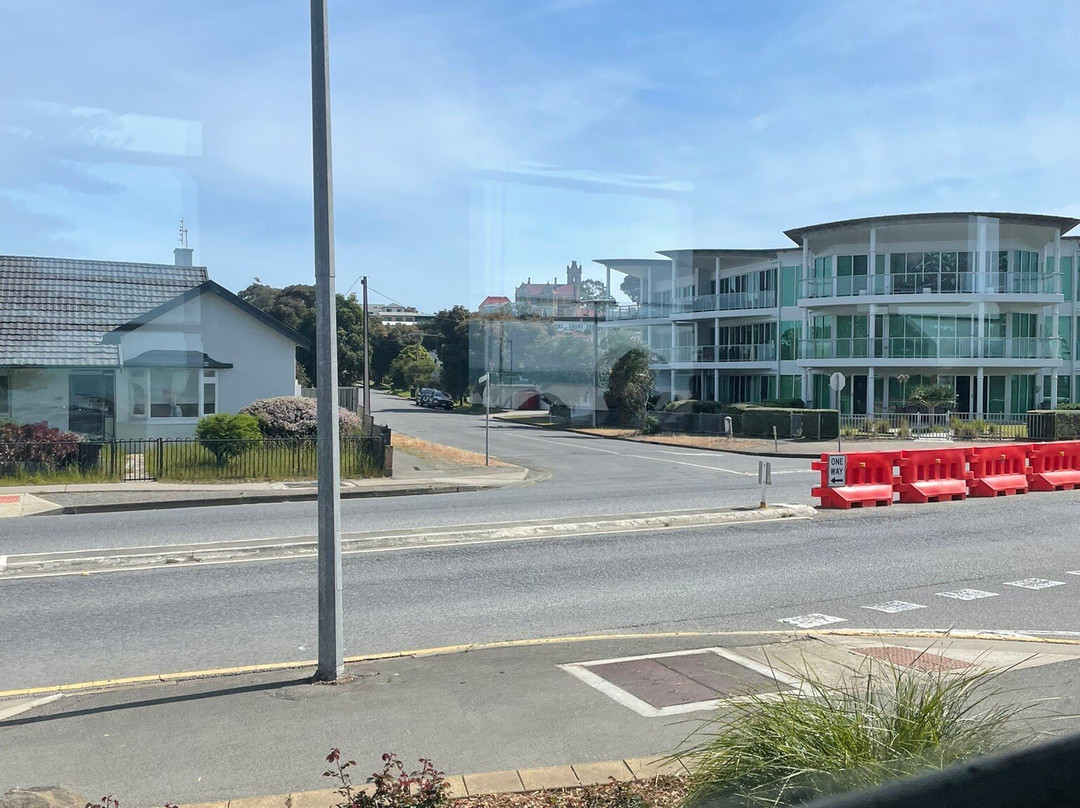
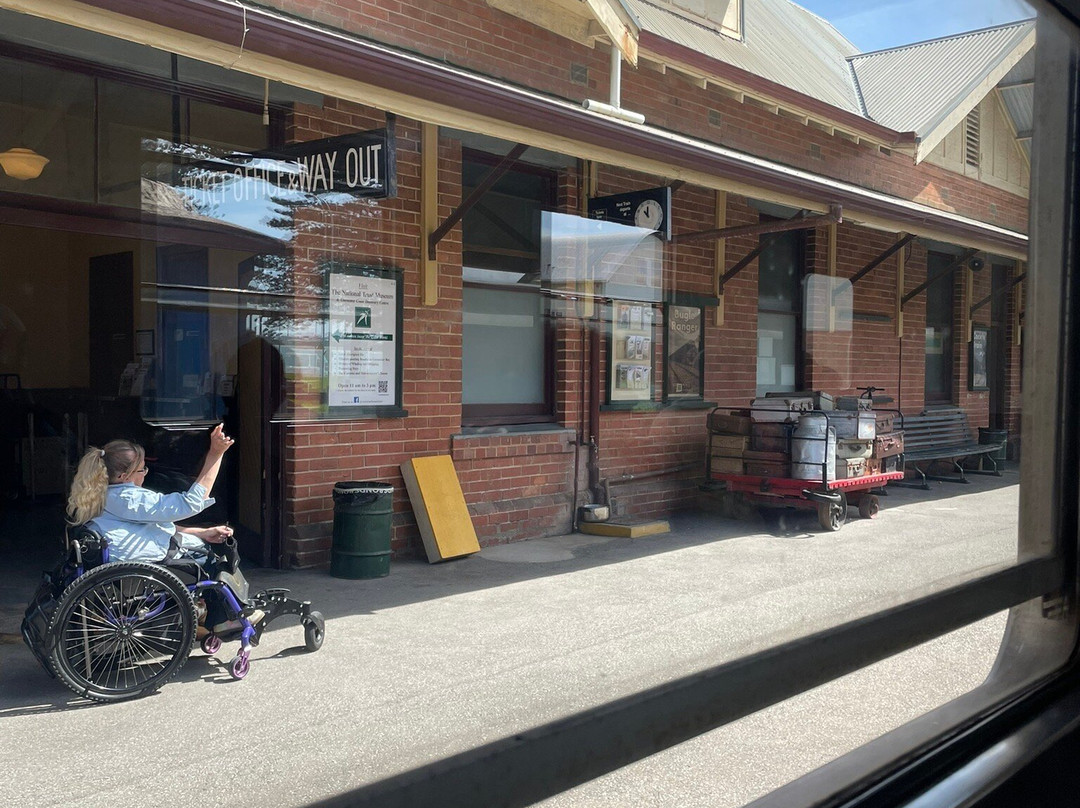
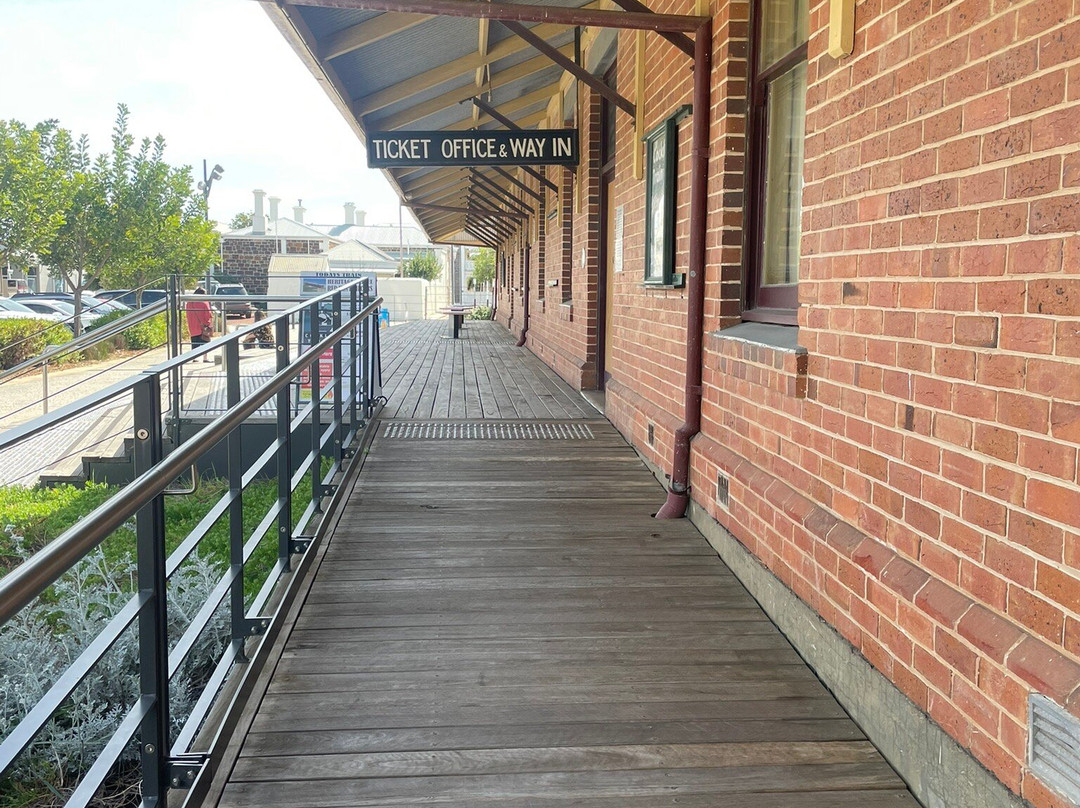
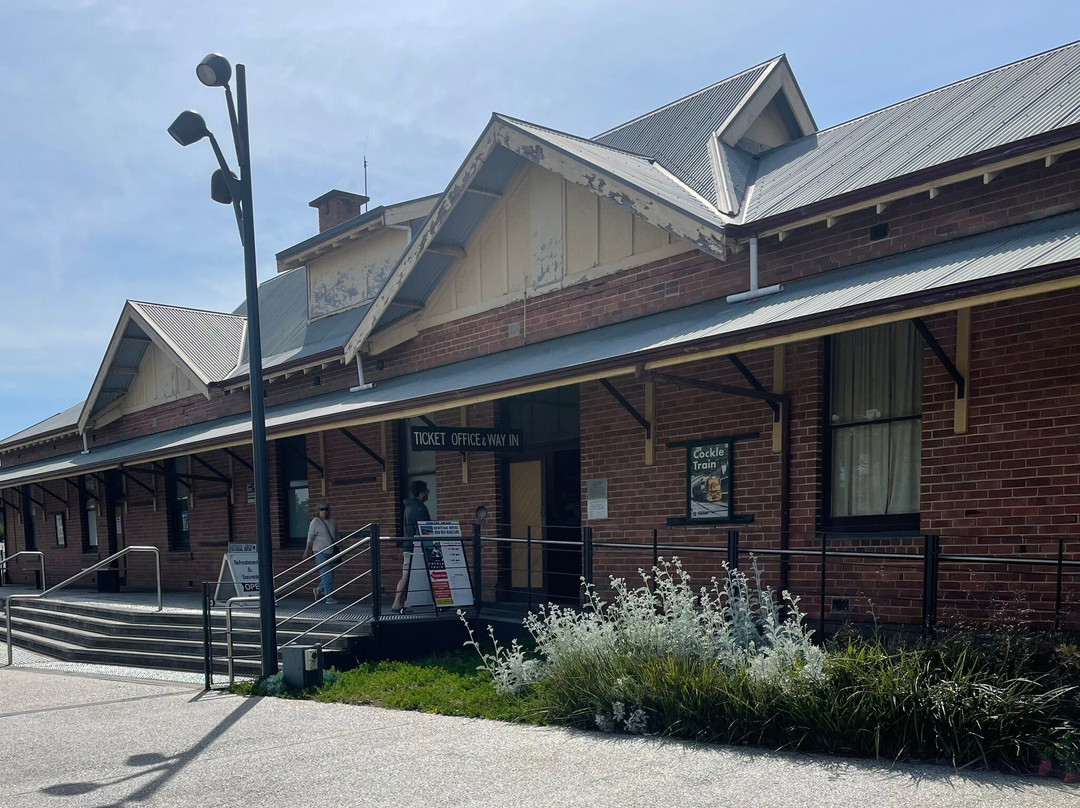
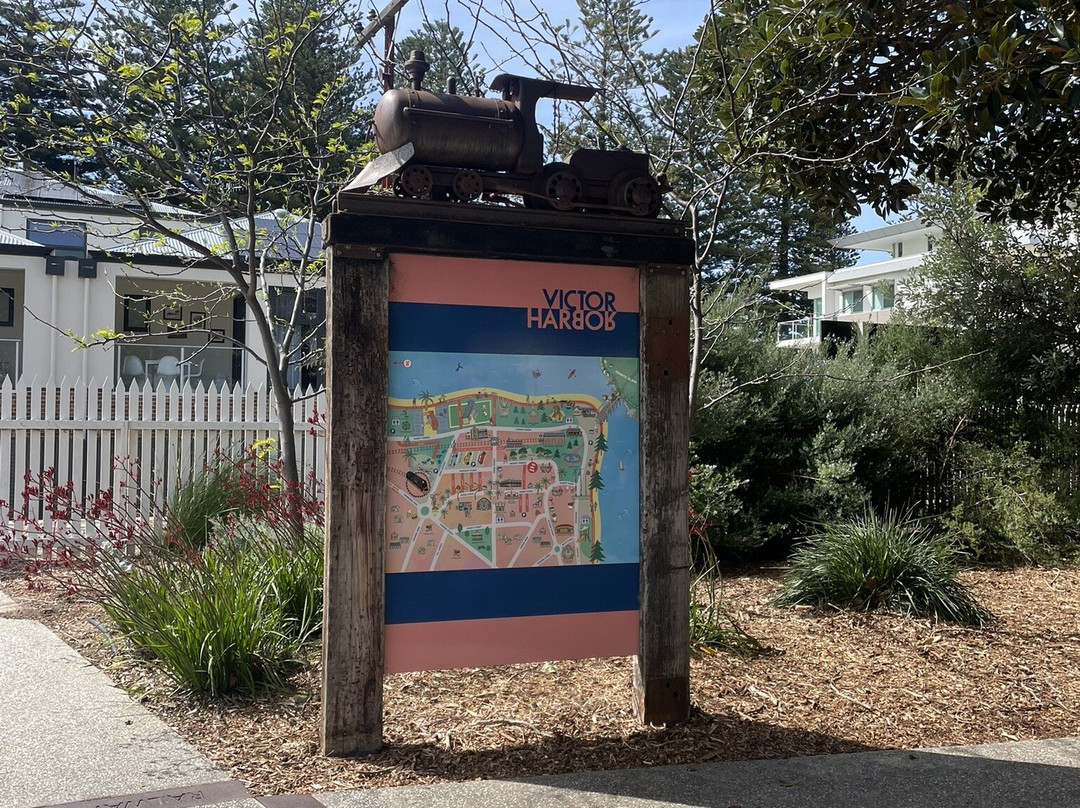
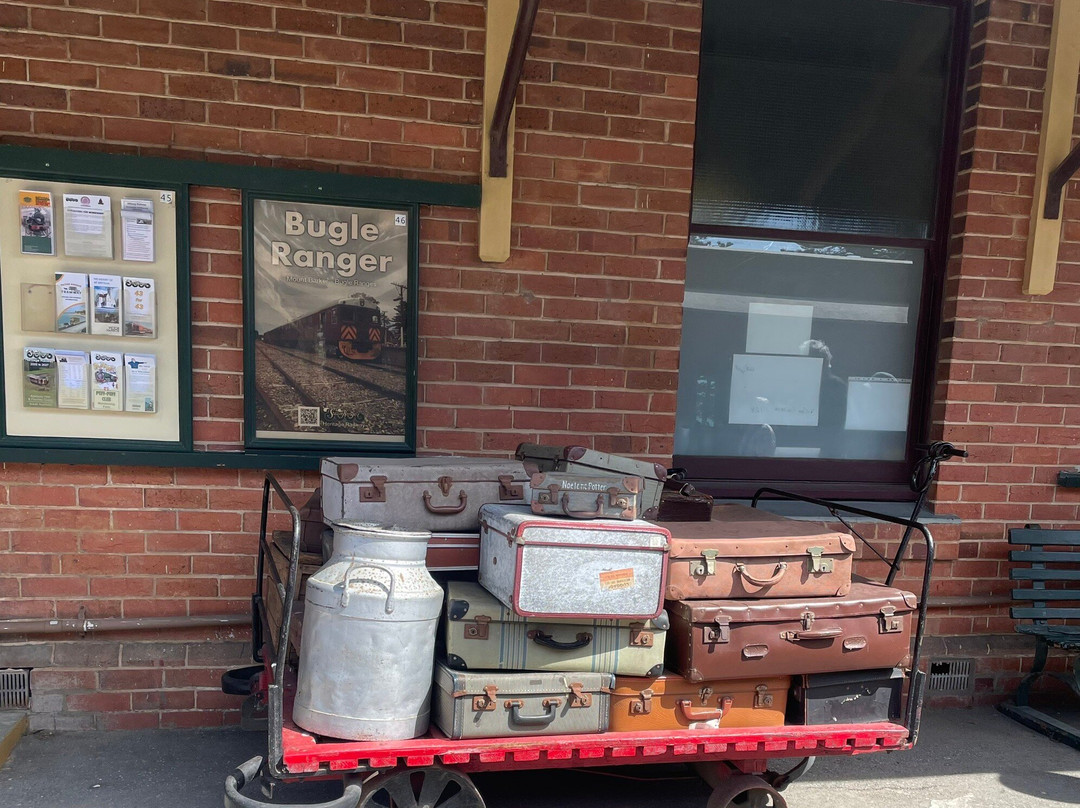
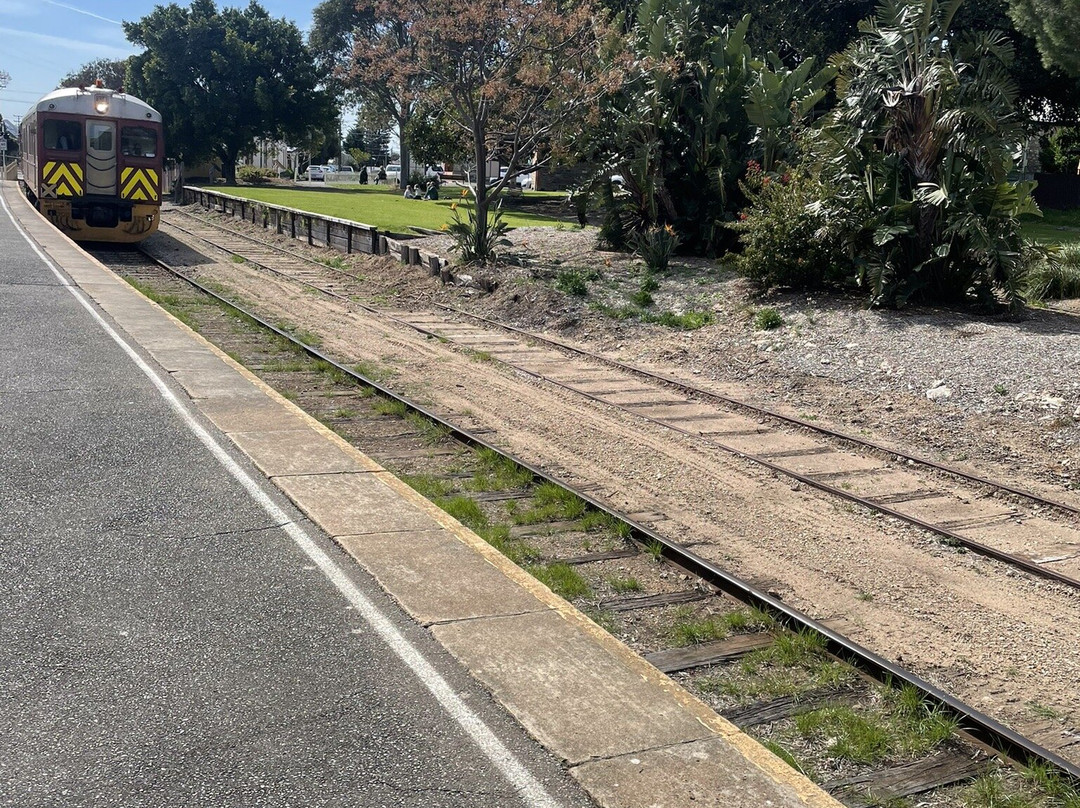
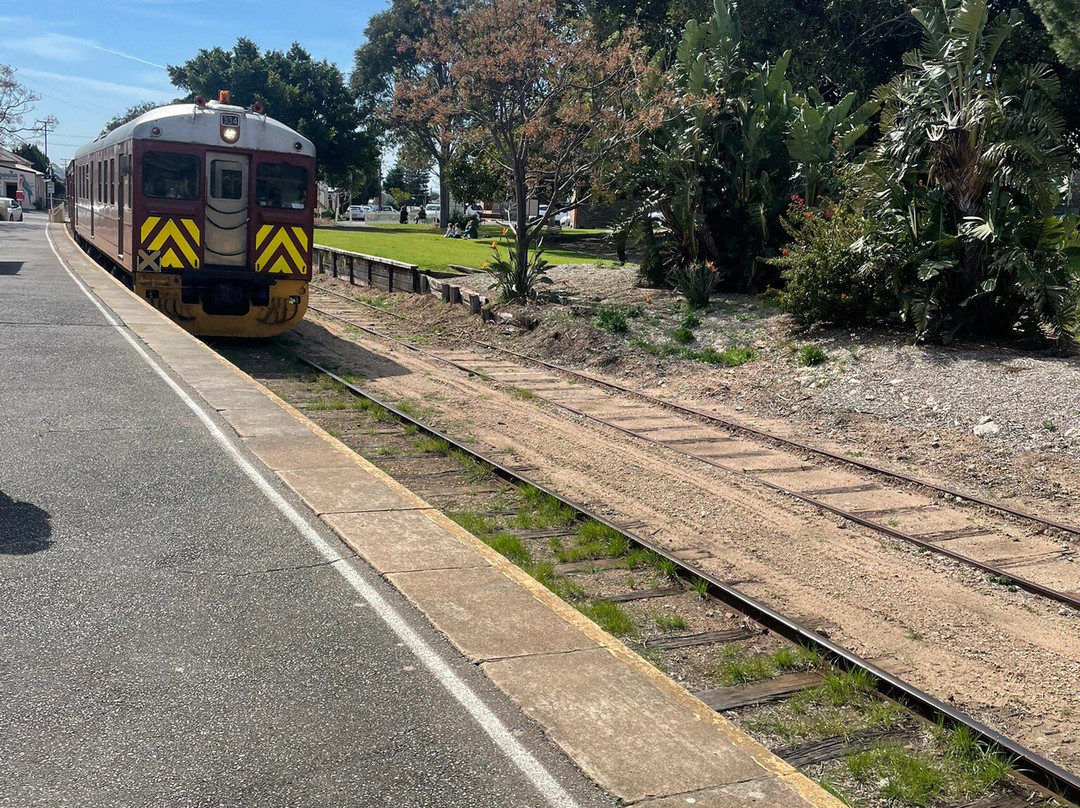
Stepping onto the Port Elliot Station platform on a whim turned out to be a stroke of perfect timing. The welcoming volunteers shared that the legendary Cockle Train was due within the hour, offering a spontaneous opportunity to journey down the coast to Victor Harbor. The return schedule aligned beautifully, providing just enough time at the turnaround to wander through the charming Art Gallery directly opposite the historic Victor Harbor station before catching the engine back.
The whistle blows, a sharp and silver cry,
Tearing the hem of the wide southern sky.
With a shudder of iron and a breath of white steam,
The old train awakens from yesterday’s dream.
Along the curved shoreline, where time loses pace,
She rolls with a heavy, mechanical grace.
From Goolwa’s calm waters where riverboats rest,
To the wild ocean drumming on Victor’s proud breast.
Through windows thrown high to the salt-bitten air,
The sea breeze plays softly in holiday hair.
The click-clack of tracks is a rhythmic refrain,
Singing the song of the old Cockle Train.
Beneath us, the sands where the cockle-men stood,
Now echo the rumble of steel and of wood.
A ghost of the railway, still vibrant and bold,
Chasing the coast as the evening turns gold.
翻译:“考克尔列车”的汽笛声回荡在弗勒里厄半岛上,宛如来自往昔时代的声音,携带着南大洋的咸湿气息以及澳大利亚早期铁路的浪漫情怀。作为澳大利亚最古老的钢轨铁路,这条连接古尔瓦与维克多港的传奇线路始建于1854年,最初是为了满足运输需求而修建的——当时人们用马拉车将货物运送到默里河上的船只旁。如今,这辆复古蒸汽机车发出的有节奏的“呜呜”声,以及那温暖而……车厢内木质装饰的内饰将乘客们带回那个年代——那时旅行是一场值得细细品味的体验,而非与时间赛跑的竞赛。
当列车沿着崎岖的海岸线缓缓前行时,透过车窗眺望,仿佛在翻阅一本鲜活的历史书。我们得以欣赏到恩科恩特湾那永恒而壮丽的景致,铁轨就沿着巍峨险峻的悬崖边缘延伸。这个名字本身便是对历史的致敬;在最初的拓荒时期,当地人常常乘火车前往古尔瓦的海滩,从沙地里捡拾蛤蜊,装满桶后再搭上返程的列车回家。
走出维克多港的站台,空气中依然弥漫着煤烟与擦得锃亮的黄铜发出的气息,让人深切感受到自己与曾经坐过这些座位的历代旅人之间的联系。《蛤蜊列车》不仅仅是一段风景优美的旅程,更是一件保存完好的南澳大利亚活生生的历史见证。它堪称对昔日工程技艺的动人致敬,让蒸汽时代的辉煌得以延续,让所有渴望体验铁路魅力的人都能感受那份激动与愉悦。
心血来潮下踏上波特埃利奥特站的月台,结果恰恰赶上了绝佳的时机。热情好客的志愿者们告诉我们,传说中的“蛤蜊火车”将在一小时内抵达,这为我们提供了一次偶然的机遇——可以乘火车沿着海岸线前往维克多港。返程的时间安排也恰到好处。在折返点处,我有足够的时间漫步于历史悠久的维多利亚港车站正对面的那座迷人的艺术画廊,随后再赶上去往终点的列车。
汽笛声响起,清脆而嘹亮,
划破了南方天际的辽阔夜空。
钢铁身躯微微颤动,白色蒸汽缓缓升腾,
这列老式火车便从昨日的梦境中苏醒过来。
沿着蜿蜒的海岸线前行,时间仿佛放缓了脚步,
列车以一种笨重却极具机械韵律的姿态缓缓前行。从古尔瓦宁静的湖面——河船在此停泊,
到狂野的海洋,拍打着维多利亚骄傲的胸膛。
透过高高敞开的窗扉,咸涩海风拂入,
海风轻柔地在假日的发丝间嬉戏。
铁轨的咔嗒声宛如有节奏的旋律,
吟唱着古老“贝壳火车”的动人歌谣。
在我们脚下,曾是采贝人伫立的沙地,
如今回荡着钢铁与木头的轰鸣之音。
那条铁路的幽灵依然鲜活而勇猛,
沿着海岸线疾驰,直至夜幕染成金黄。


© 2026 Tripadvisor 版权所有。
部分照片由 VFM Leonardo 提供。
TripAdvisor公司对外部网站的内容一概不负责。优惠价格中不含税和其他费用。
ICP证:沪B2-20200433
沪ICP备20013175号
 沪公网安备31010502005427号
鹰程信息技术(上海)有限公司