下载App
资质规则
旅行
账户

jenedc2016
Historic Ghost Town Ruins
Shasta State Historic Park的点评
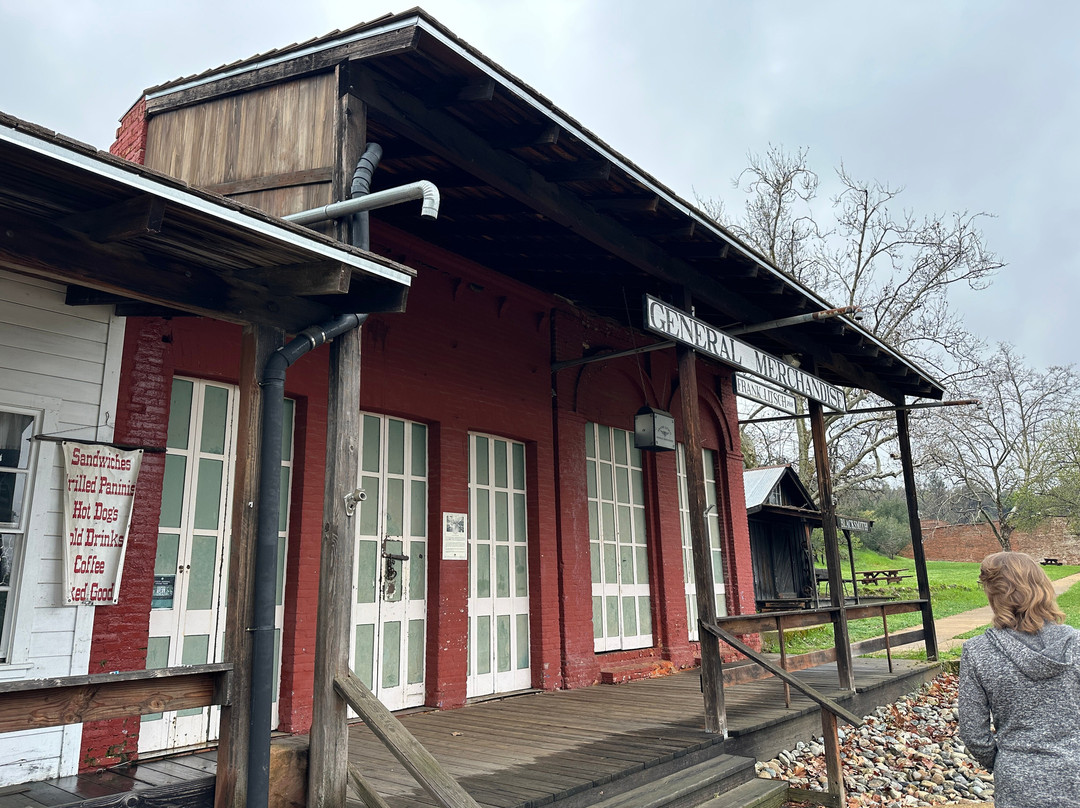
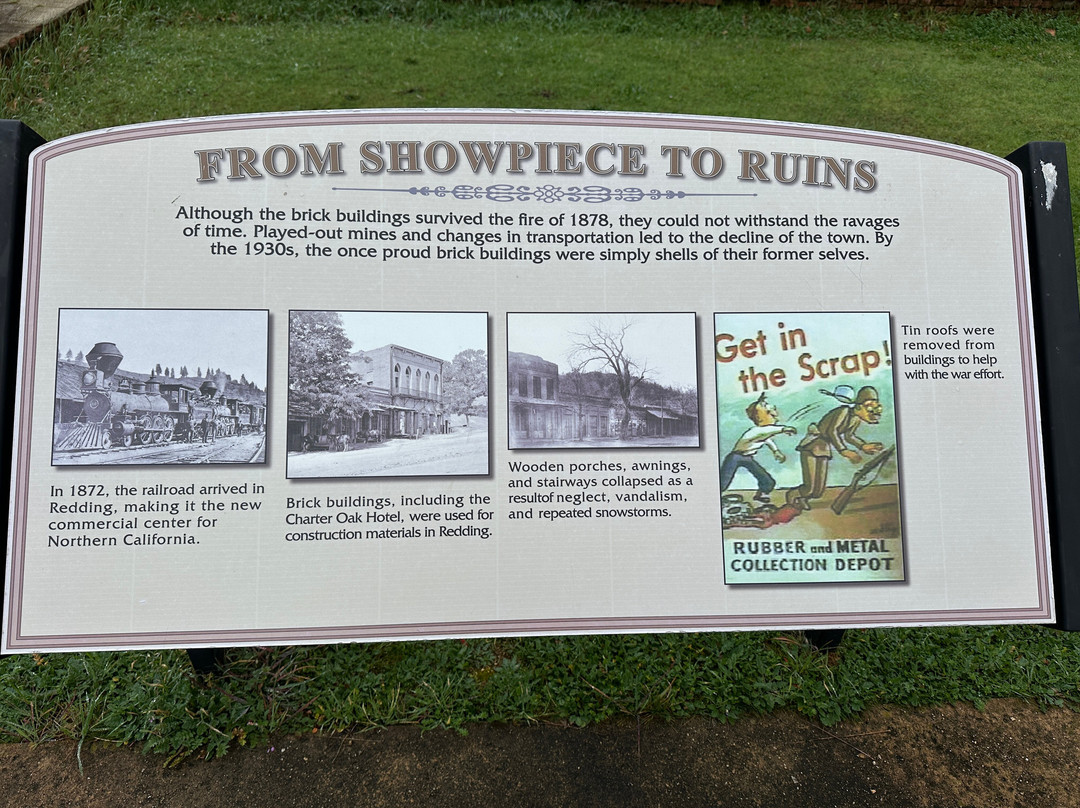
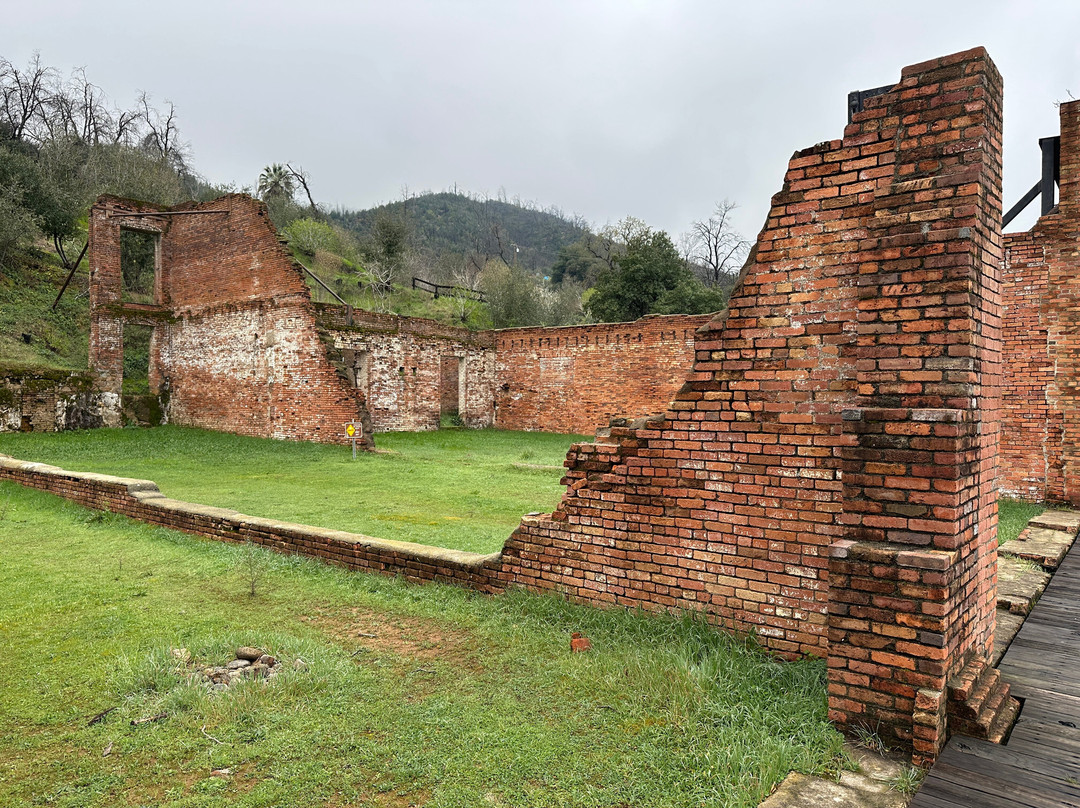
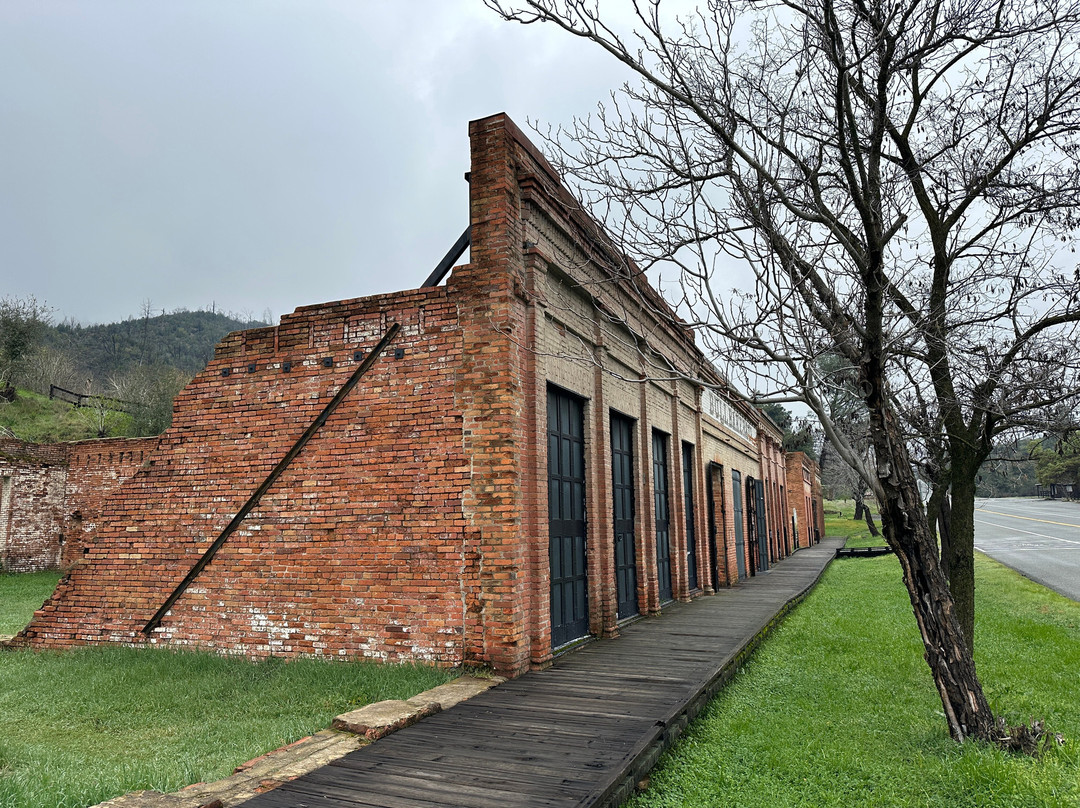
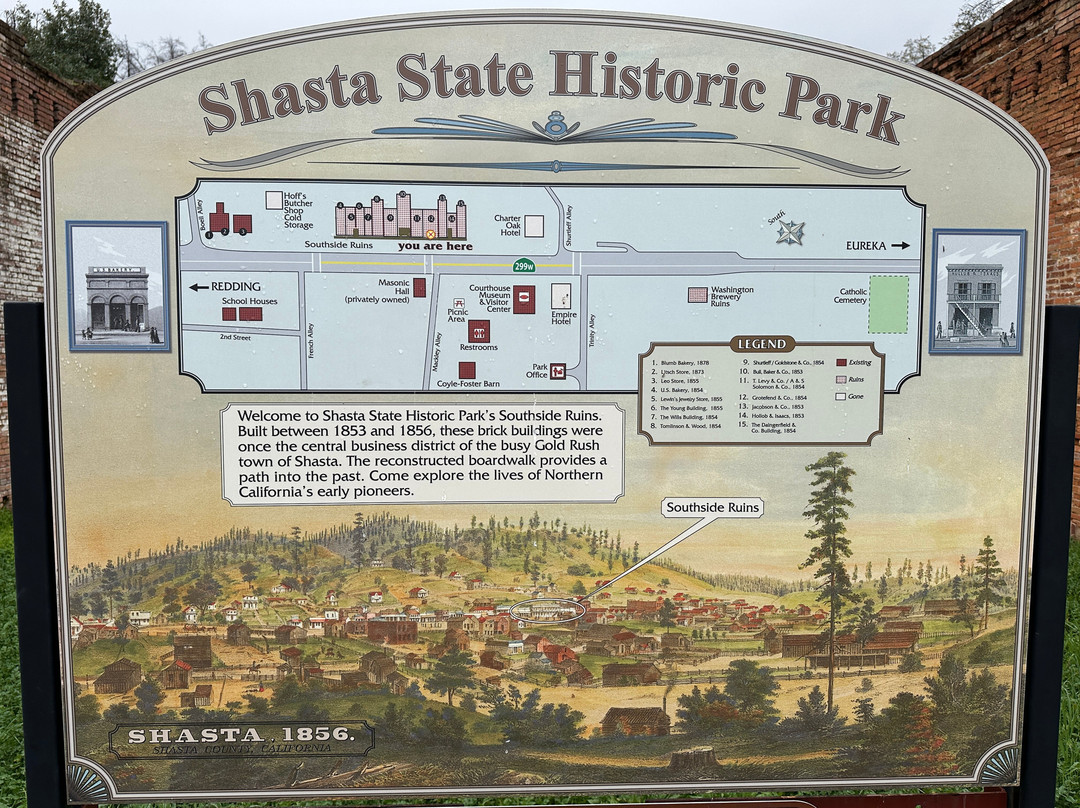
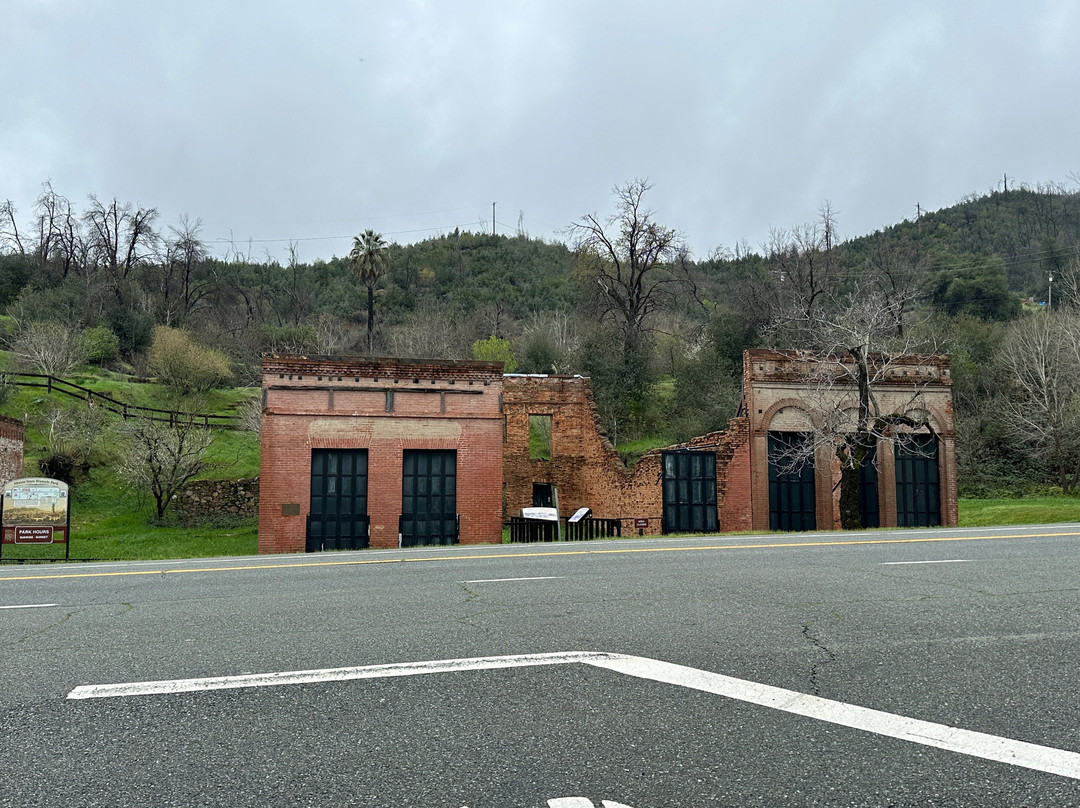
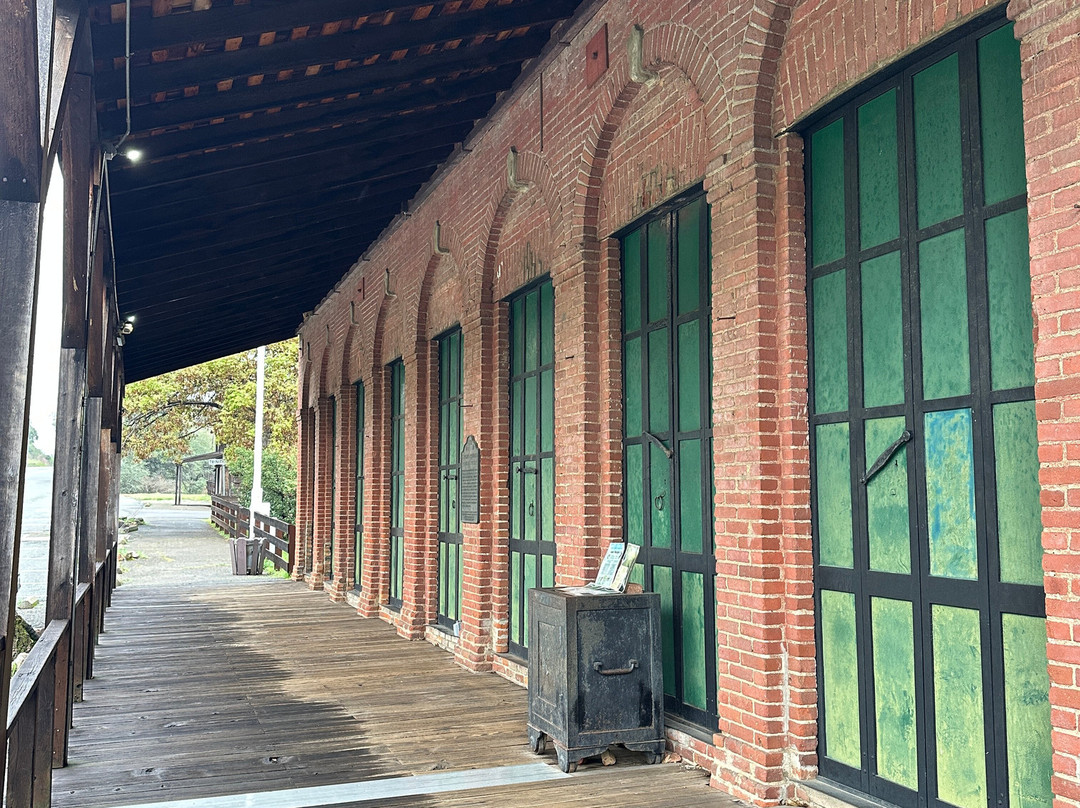
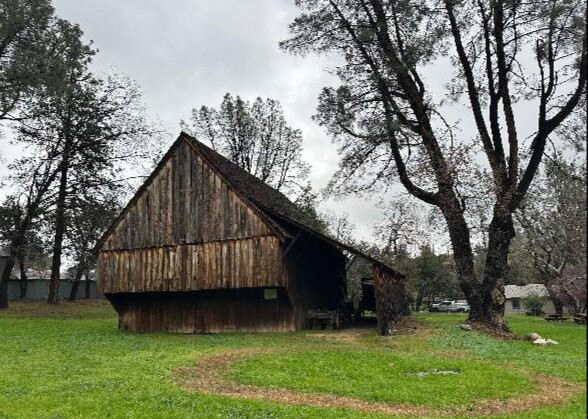
点评:Shasta was the prior, Gold-Rush-era county seat of Shasta County, a booming commercial centre and transit point in the lower, eastern slopes of the Trinity Alps. It grew to serve the gold-mining industry and related commerce and transit for the region. However, with the decline in mining and the construction of the railroad through nearby Redding, the town declined significantly by the 1880s. After the county seat moved to Redding, it continued to decline to become a ghost town. Some historic masonry buildings remain: the courthouse and Masonic Lodge intact; the rest ruins. The site became a state historic park and the ruined buildings are open to the public at all times with no admission. There are signs with detailed information, map, and pictures for the town and the buildings, showing the layout, etc. The highway between through the mountains between Redding and Eureka goes right through the site, so it is an easy place to visit and well worth a stop. There are also restrooms and picnic grounds.
翻译:沙斯塔曾是淘金热时期沙斯塔县的县城,位于三一阿尔卑斯山脉东麓,是一个繁荣的商业中心和交通枢纽。它发展起来服务于淘金业以及该地区相关的商业和交通运输。然而,随着采矿业的衰落以及附近雷丁铁路的修建,到19世纪80年代,沙斯塔镇迅速衰落。县城迁至雷丁后,沙斯塔继续衰落,最终沦为一座鬼城。一些历史悠久的砖石建筑仍然保存完好:法院和共济会会所依然屹立;其余建筑则已成废墟。该遗址现已成为州立历史公园,所有遗址均免费向公众开放。公园内设有标牌,提供关于城镇和建筑的详细信息、地图和图片,展示布局等。连接雷丁和尤里卡的山区公路正好穿过遗址,因此这里交通便利,非常值得一游。此外,公园内还设有洗手间和野餐区。

© 2026 Tripadvisor 版权所有。
部分照片由 VFM Leonardo 提供。
TripAdvisor公司对外部网站的内容一概不负责。优惠价格中不含税和其他费用。
ICP证:沪B2-20200433
沪ICP备20013175号
 沪公网安备31010502005427号
鹰程信息技术(上海)有限公司