下载App
资质规则
旅行
账户
Robert D
Excellent museum
Canadian Museum Of Nature的点评
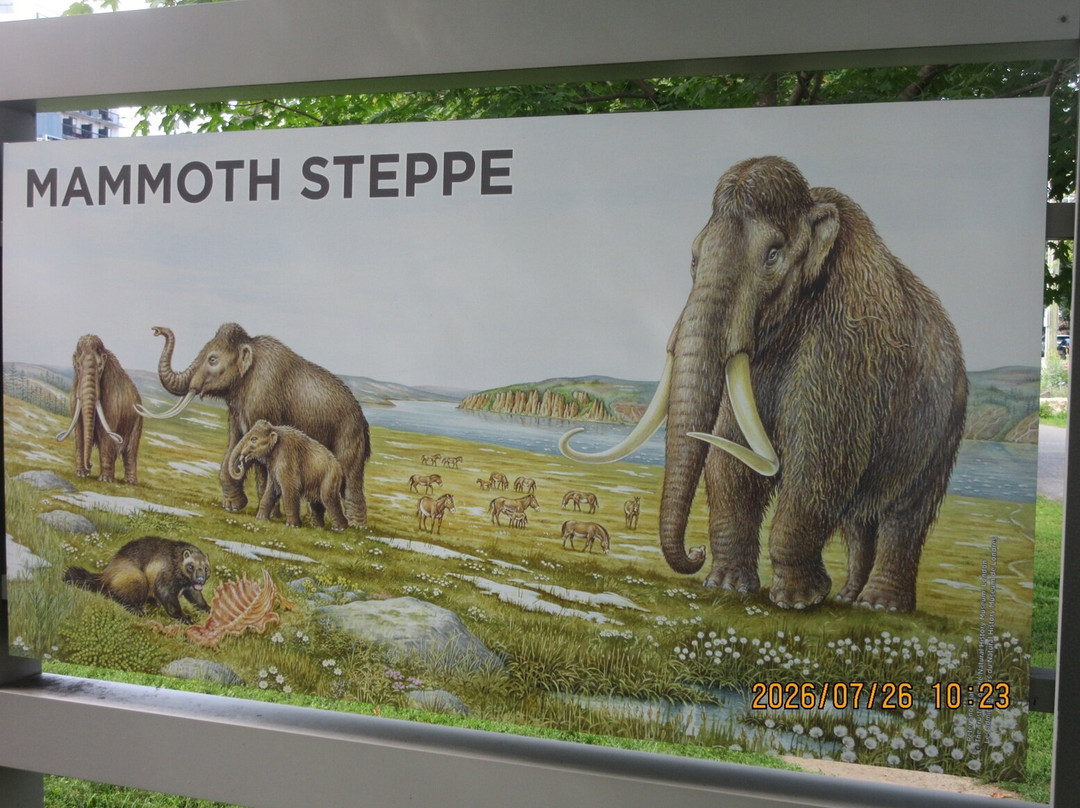
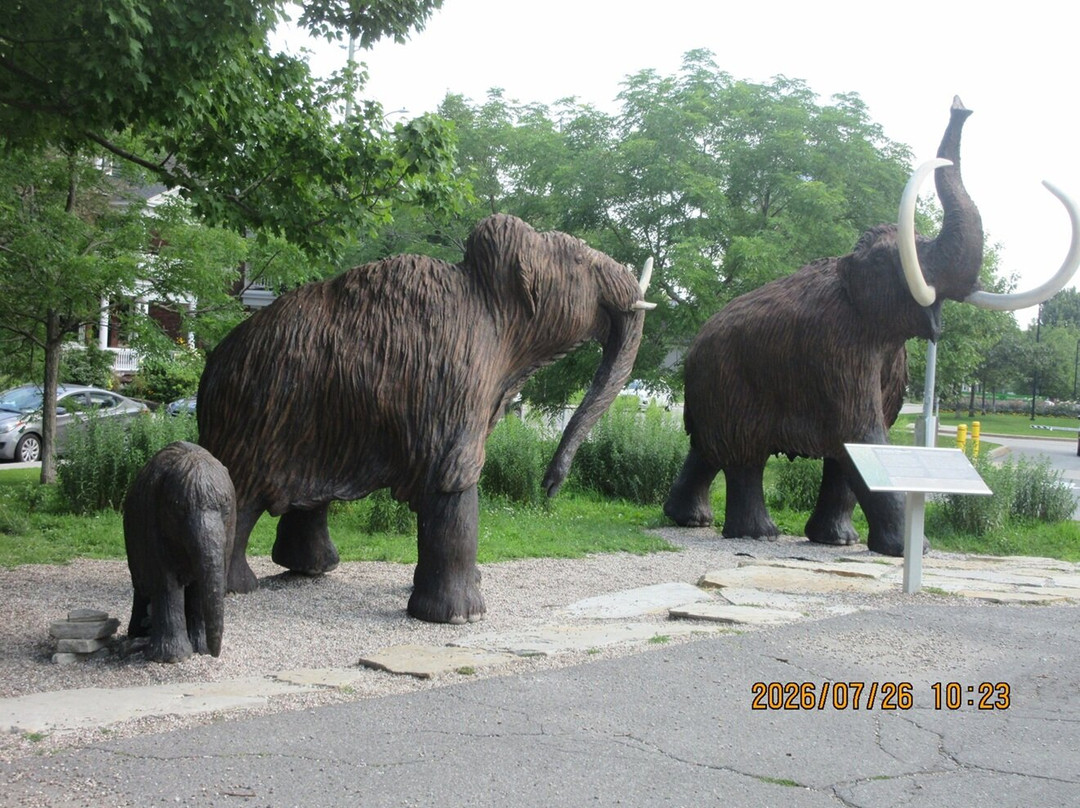
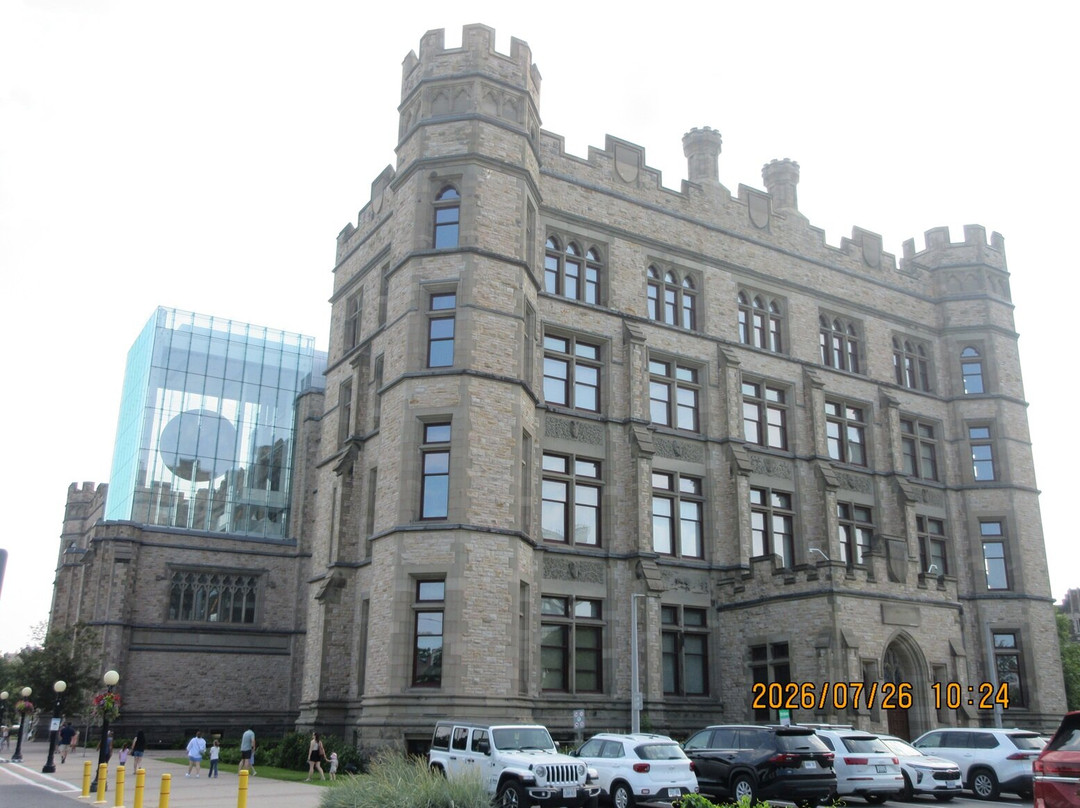
点评:The Canadian Museum of Nature is a short bus ride from Downtown Ottawa. As you approach the entrance, you can see Woolly Mammoths on the streets of Ottawa! (OK, they are sculptures created by museum artists in the 1980s.)
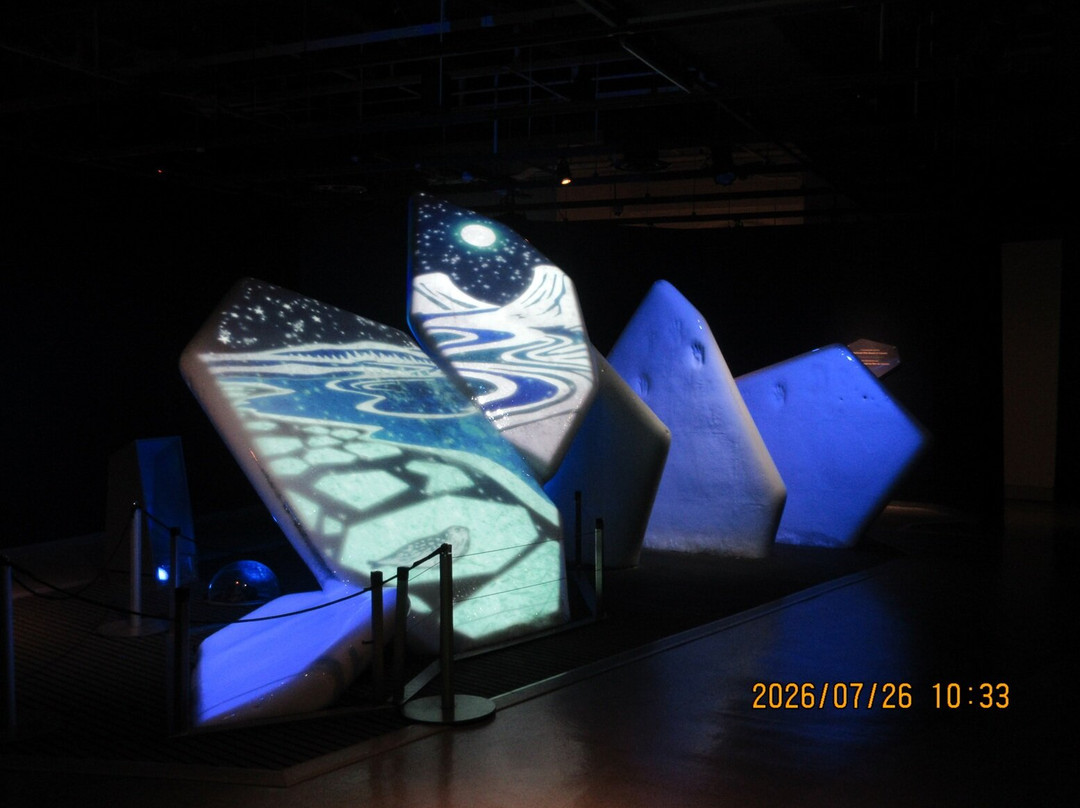
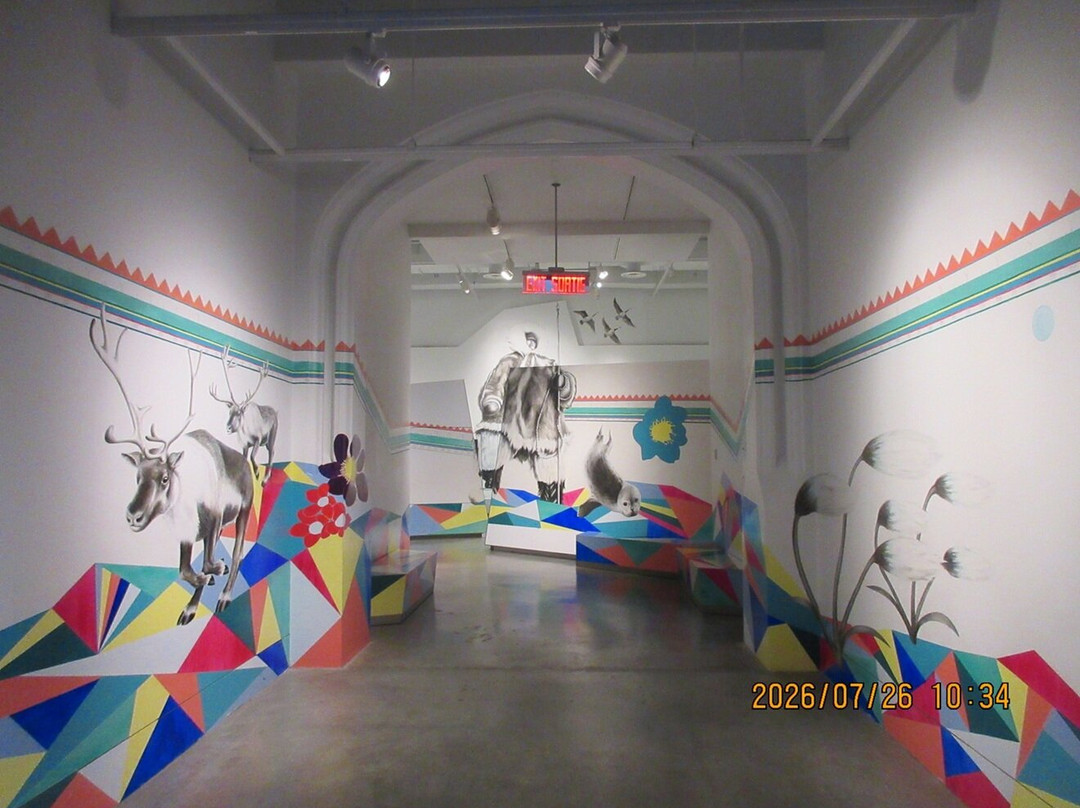
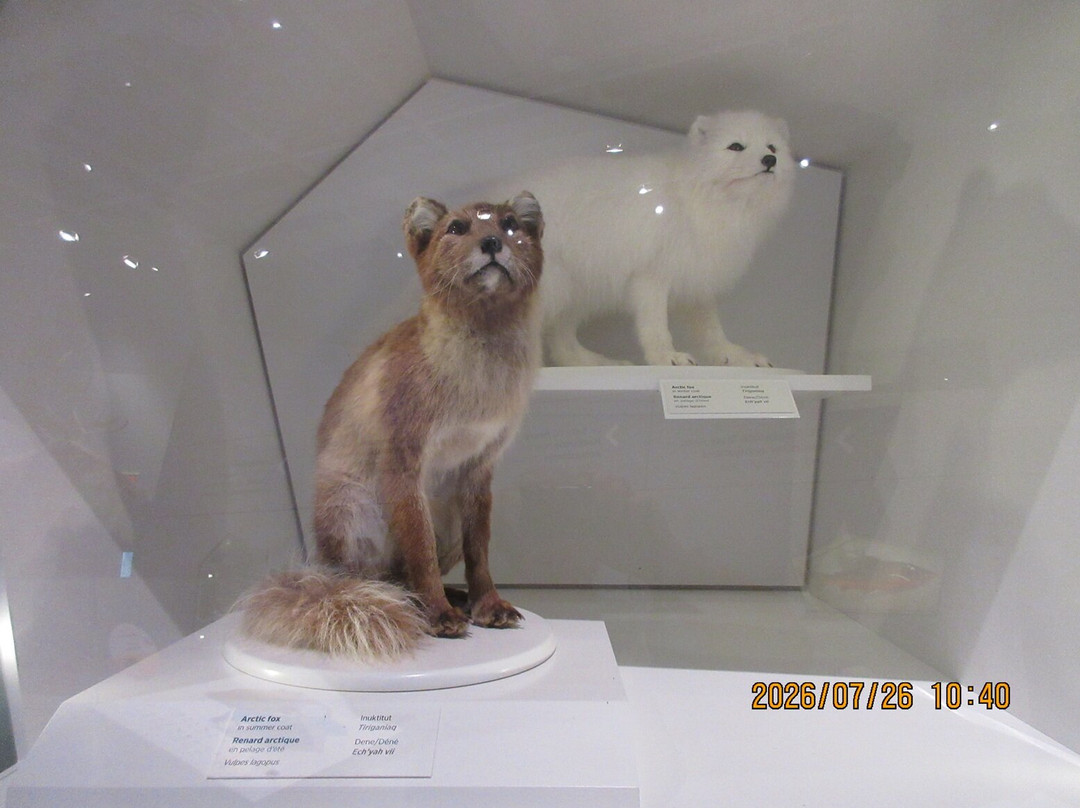
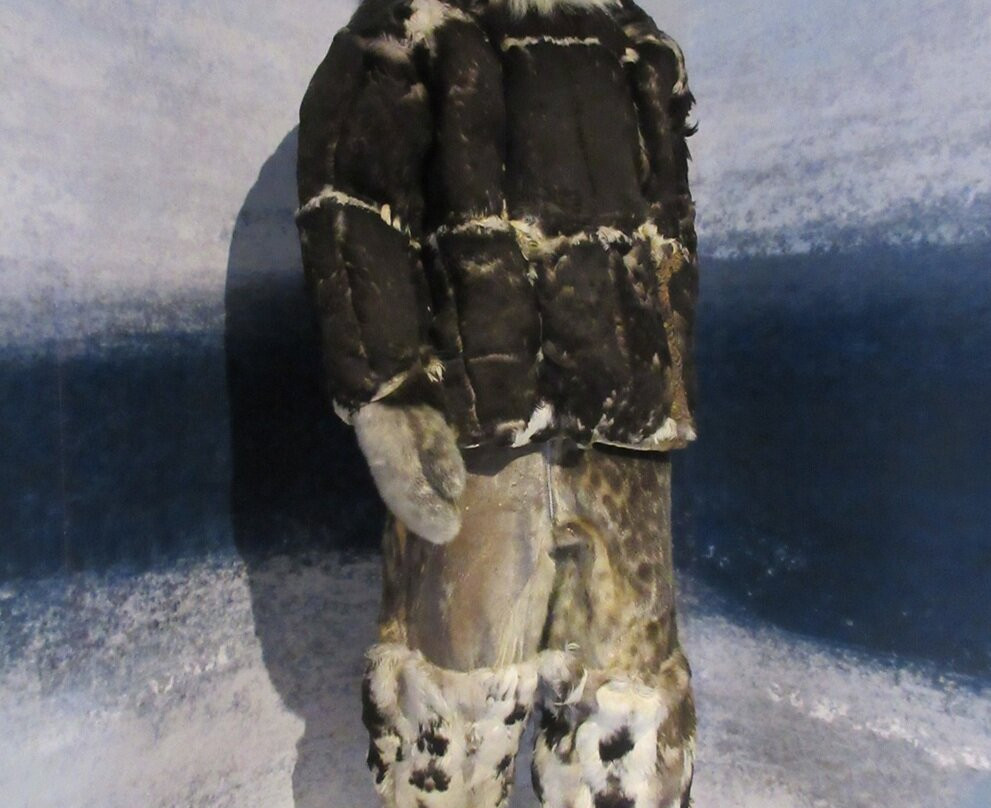
I went to the top floor first to see the Canada Goose Arctic Gallery. An anamorphosis is an optical illusion that appears as a cohesive work of art when seen from a particular location, but becomes fragmented when seen from different viewpoints. "Ilurqusivut" (Our Ways), 2017, by Nancy Saunders communicates a contemporary Inuit perspective on the Arctic. Many Arctic animals were on display. One room was devoted to the Inuktitut, who live on islands in Hudson Bay.
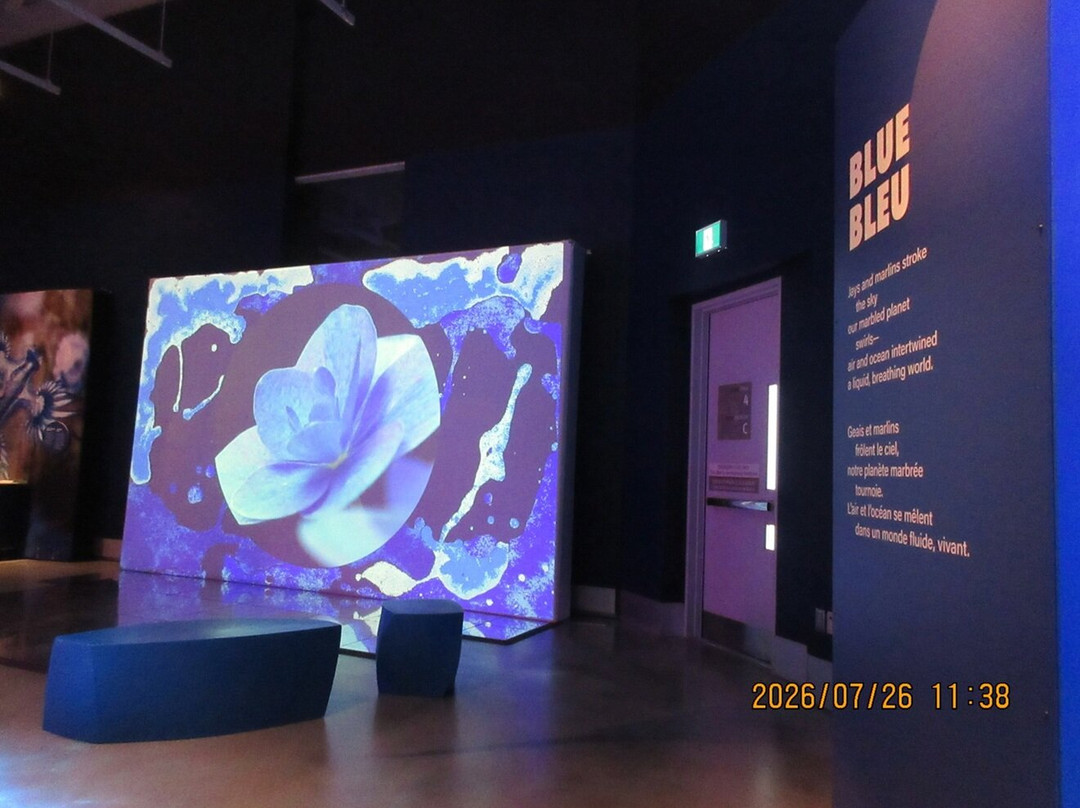
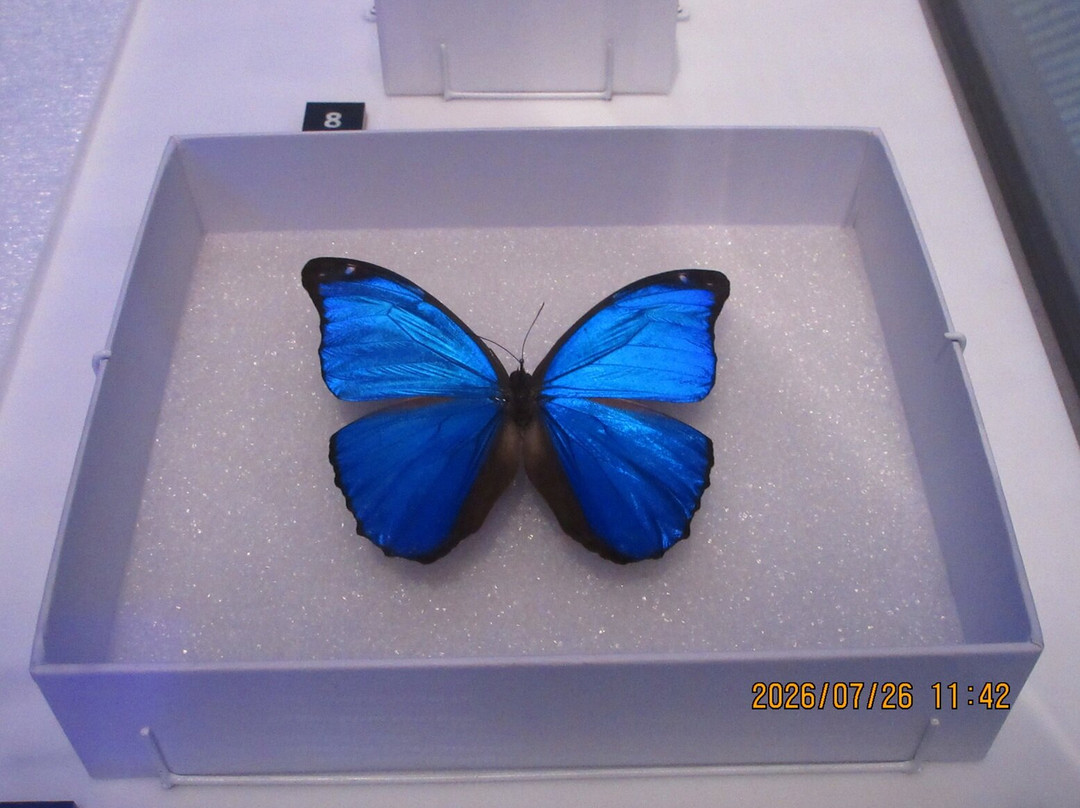
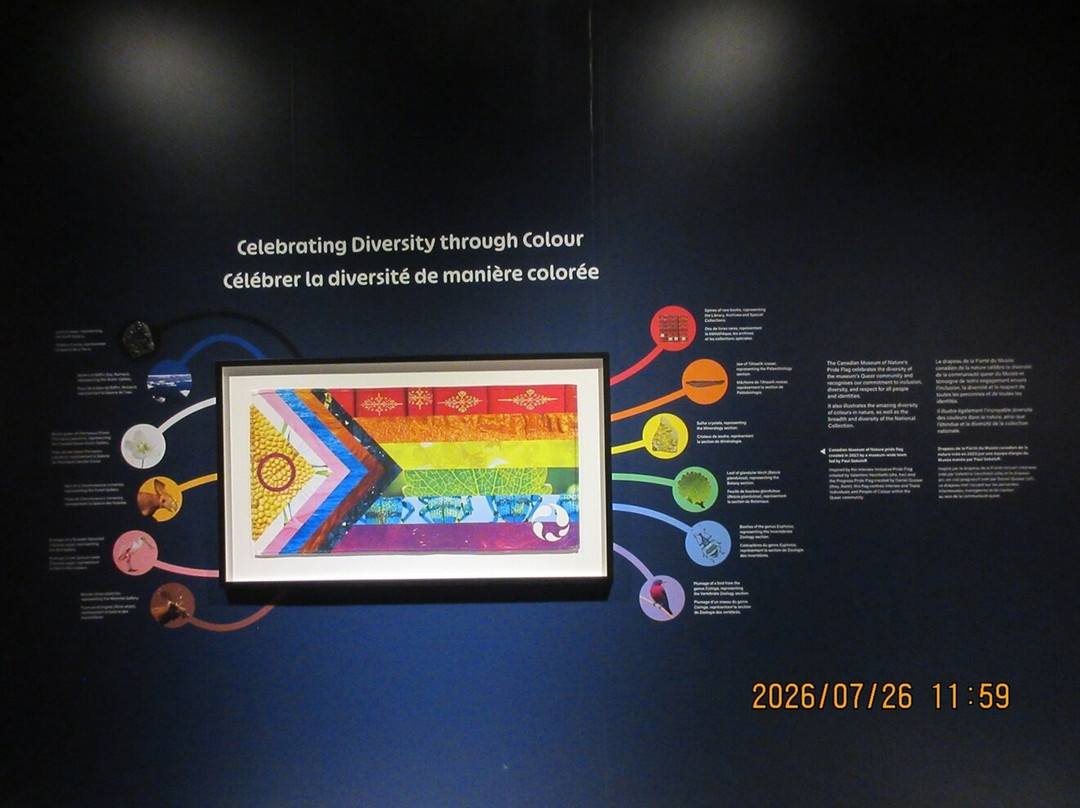
On the other side of the top floor was a "Wild Colour" temporary exhibit. It had sections devoted to various colours in nature. You can see the blue section in my photo. The Canadian Museum of Nature pride flag, 2023, illustrates the amazing diversity of colours in nature, as well as being inclusive of the LGBTQ+ community.
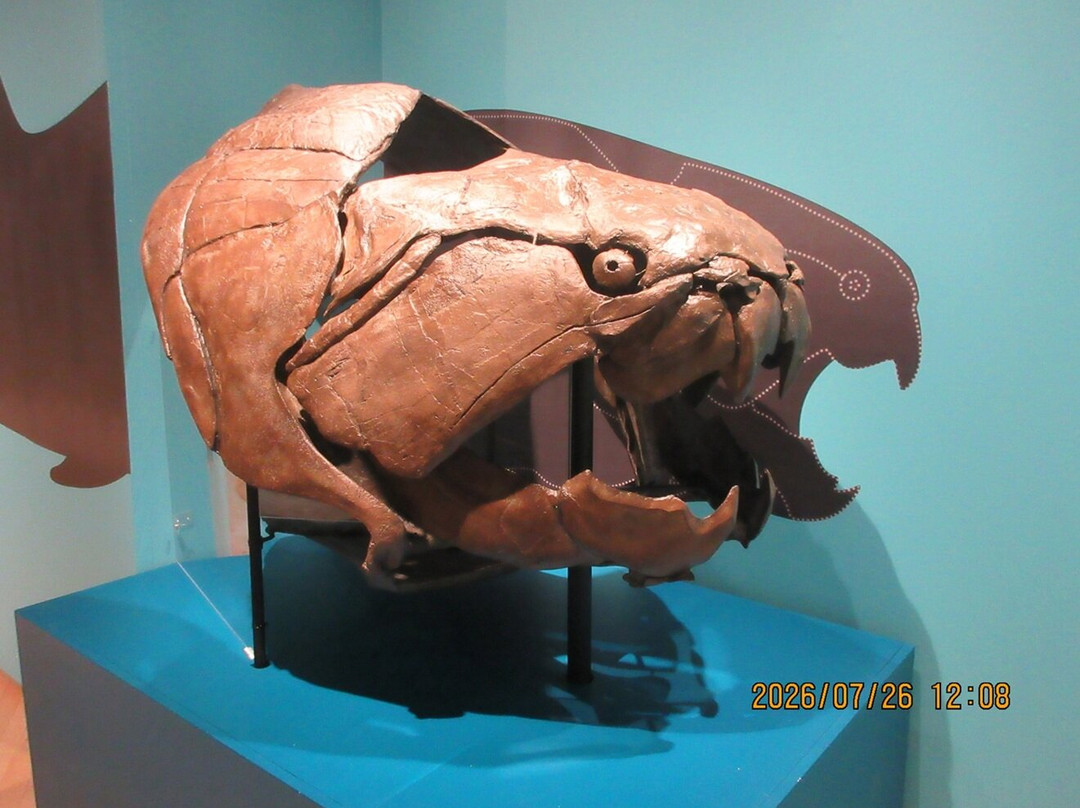
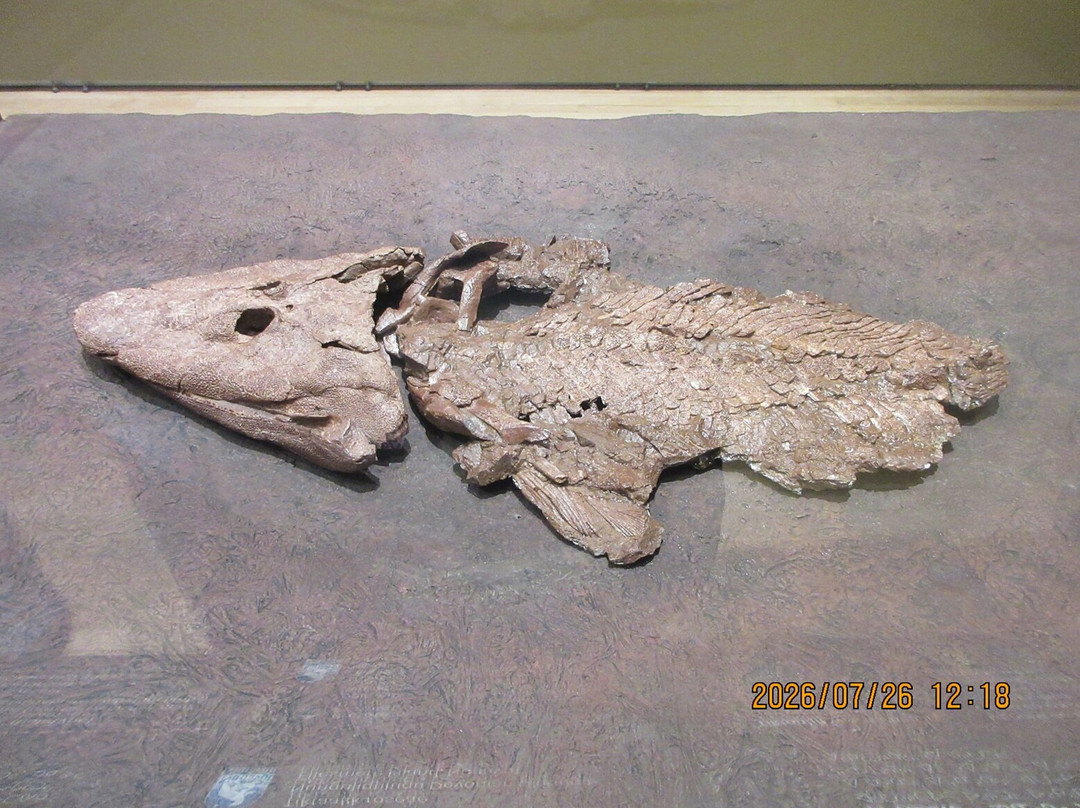
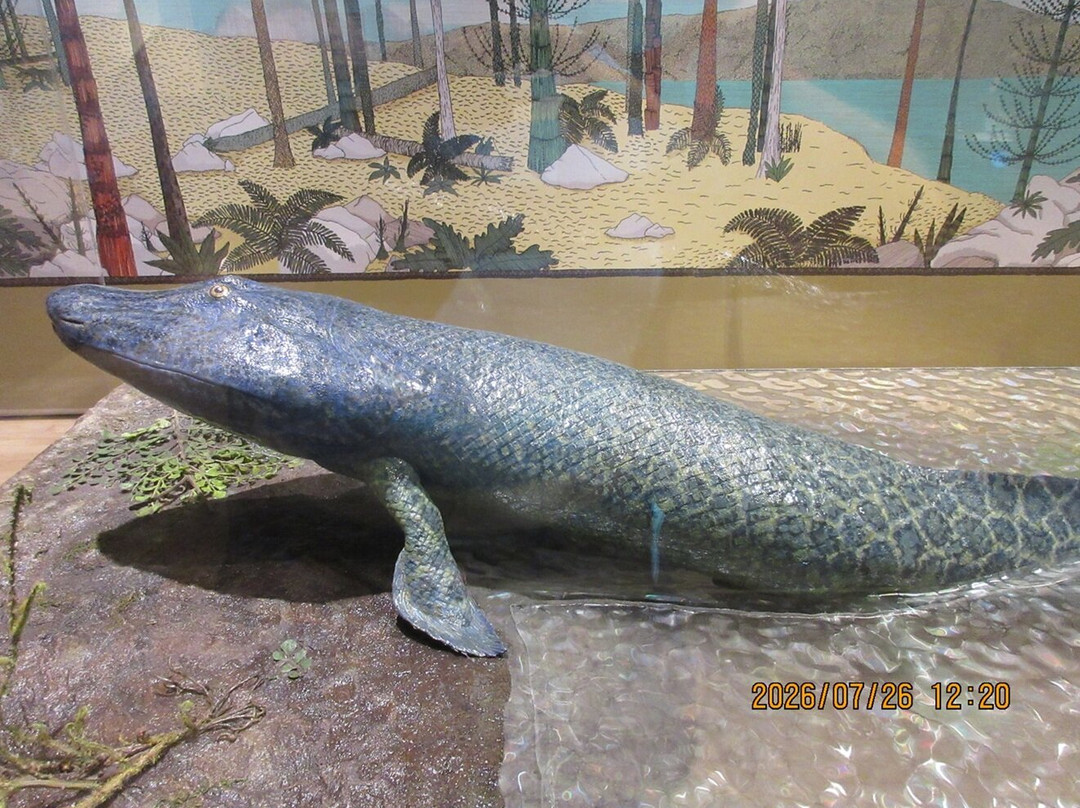
Another temporary exhibit was "Life onto Land: the Devonian". The Devonian Period lasted from 420 to 359 million years ago and was known as "The Age of Fishes". Be amazed at the skull of Dunkleosteus, a carnivorous, armoured jawed fish from the late Devonian Period. During the Devonian, plants spread onto the land and fish were on their way to becoming tetrapods (animals with four limbs). A fossil that represented the transition was found in Nunavut and was given the Inuit name "Tiktaalik".
I spent several hours enjoying the many exhibits.
I went to the top floor first to see the Canada Goose Arctic Gallery. An anamorphosis is an optical illusion that appears as a cohesive work of art when seen from a particular location, but becomes fragmented when seen from different viewpoints. "Ilurqusivut" (Our Ways), 2017, by Nancy Saunders communicates a contemporary Inuit perspective on the Arctic. Many Arctic animals were on display. One room was devoted to the Inuktitut, who live on islands in Hudson Bay.
On the other side of the top floor was a "Wild Colour" temporary exhibit. It had sections devoted to various colours in nature. You can see the blue section in my photo. The Canadian Museum of Nature pride flag, 2023, illustrates the amazing diversity of colours in nature, as well as being inclusive of the LGBTQ+ community.
Another temporary exhibit was "Life onto Land: the Devonian". The Devonian Period lasted from 420 to 359 million years ago and was known as "The Age of Fishes". Be amazed at the skull of Dunkleosteus, a carnivorous, armoured jawed fish from the late Devonian Period. During the Devonian, plants spread onto the land and fish were on their way to becoming tetrapods (animals with four limbs). A fossil that represented the transition was found in Nunavut and was given the Inuit name "Tiktaalik".
I spent several hours enjoying the many exhibits.
翻译:加拿大自然博物馆距离渥太华市中心仅需很短的巴士车程。走近入口处时,您还能看到渥太华街头有长毛猛犸象的雕像哦!(其实那些是博物馆艺术家们在20世纪80年代创作的雕塑。)
我首先前往顶层参观了“加拿大雁北极画廊”。所谓变形艺术,是一种视觉错觉现象:从特定角度观看时,它呈现为一件完整的艺术品;但从其他角度观看则显得支离破碎。“Ilurqusivut”(我们的方式)。2017年,南希·桑德斯创作的展品展现了因纽特人对北极地区的现代视角。展览中展出了许多北极地区的动物。其中一个展厅专门介绍居住在哈德逊湾各岛屿上的因纽特人。
顶楼的另一侧则举办着名为“野性色彩”的临时展览。该展览设有多个展示自然中各种色彩的板块。在我的照片中可以看到蓝色主题的展示区。2023年展出的加拿大自然博物馆骄傲旗,同样体现了大自然中令人惊叹的色彩多样性。该展览也体现了对LGBTQ+社群的包容。
另一场临时展览是“生命登上陆地:泥盆纪”。泥盆纪时期始于4.2亿年前,结束于3.59亿年前,被誉为“鱼类时代”。您可以近距离欣赏到邓氏鱼的头骨——这是一种生活在泥盆纪晚期的肉食性、带有盔甲的有颌鱼类。在泥盆纪时期,植物开始在陆地上生长,鱼类也逐渐演化为四足动物。一块代表这种过渡阶段的化石是在努纳武特发现的,它被赋予了因纽特语名字“Tiktaalik”。
我花了好几个小时来欣赏那些琳琅满目的展品。
我首先前往顶层参观了“加拿大雁北极画廊”。所谓变形艺术,是一种视觉错觉现象:从特定角度观看时,它呈现为一件完整的艺术品;但从其他角度观看则显得支离破碎。“Ilurqusivut”(我们的方式)。2017年,南希·桑德斯创作的展品展现了因纽特人对北极地区的现代视角。展览中展出了许多北极地区的动物。其中一个展厅专门介绍居住在哈德逊湾各岛屿上的因纽特人。
顶楼的另一侧则举办着名为“野性色彩”的临时展览。该展览设有多个展示自然中各种色彩的板块。在我的照片中可以看到蓝色主题的展示区。2023年展出的加拿大自然博物馆骄傲旗,同样体现了大自然中令人惊叹的色彩多样性。该展览也体现了对LGBTQ+社群的包容。
另一场临时展览是“生命登上陆地:泥盆纪”。泥盆纪时期始于4.2亿年前,结束于3.59亿年前,被誉为“鱼类时代”。您可以近距离欣赏到邓氏鱼的头骨——这是一种生活在泥盆纪晚期的肉食性、带有盔甲的有颌鱼类。在泥盆纪时期,植物开始在陆地上生长,鱼类也逐渐演化为四足动物。一块代表这种过渡阶段的化石是在努纳武特发现的,它被赋予了因纽特语名字“Tiktaalik”。
我花了好几个小时来欣赏那些琳琅满目的展品。


© 2026 Tripadvisor 版权所有。
部分照片由 VFM Leonardo 提供。
TripAdvisor公司对外部网站的内容一概不负责。优惠价格中不含税和其他费用。
ICP证:沪B2-20200433
沪ICP备20013175号
 沪公网安备31010502005427号
鹰程信息技术(上海)有限公司