下载App
资质规则
旅行
账户
David D
Small Shrine with a special fountain in front of it
箱根神社的点评
点评:Tuesday 13th May we visited the impressive Hakone Shrine and it's sprawling grounds.
This is another of the smaller shrines dotted around the gardens of the main Shrine.
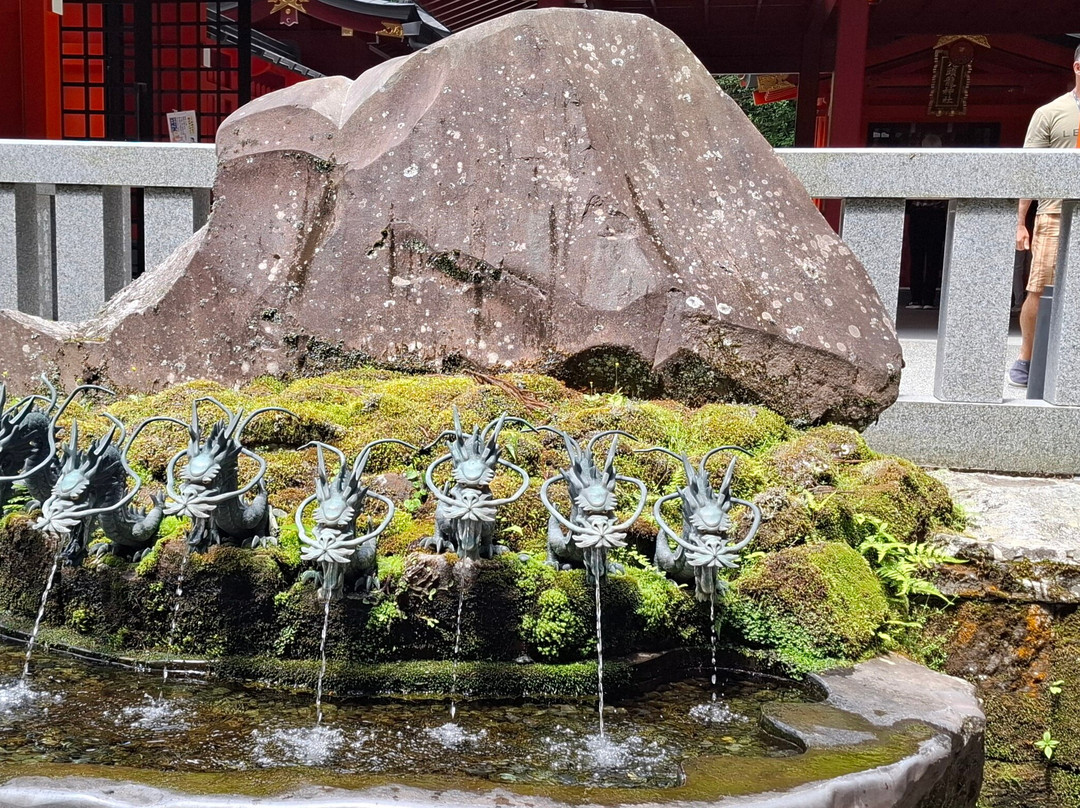
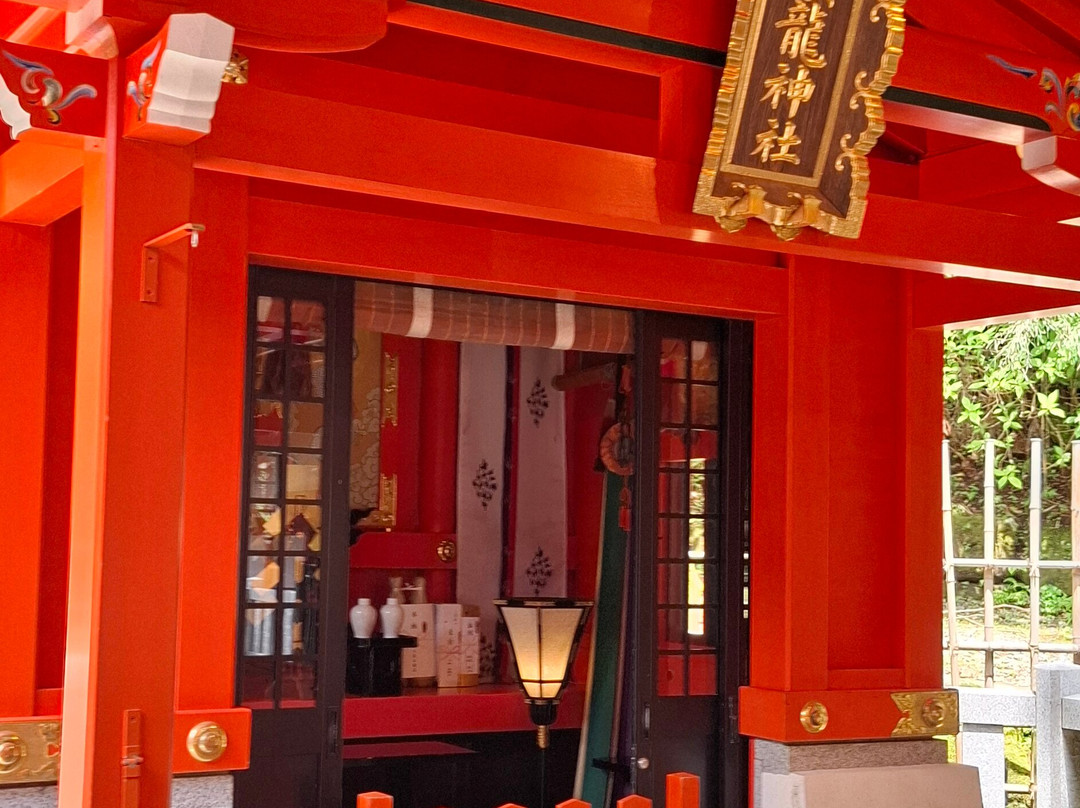
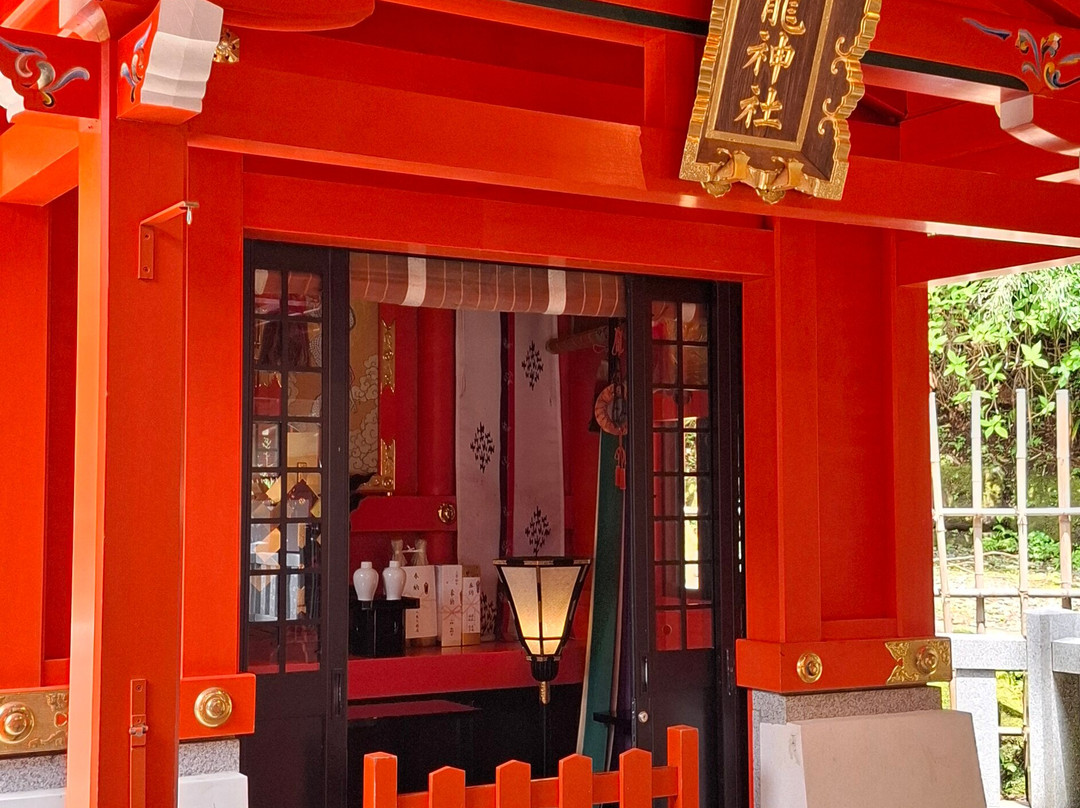
Known as the Kuzuryu Shrine it is dedicate to the nine-headed dragon deity of the same name. The deity is revered as a protector in particular of water.
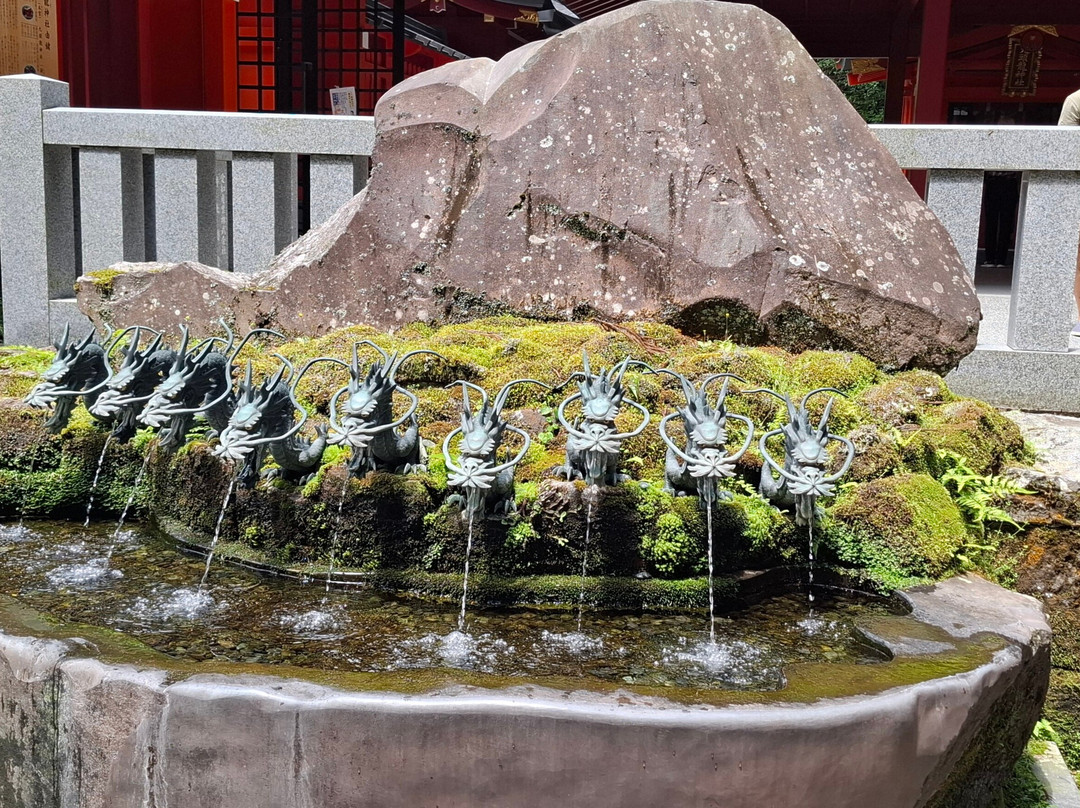
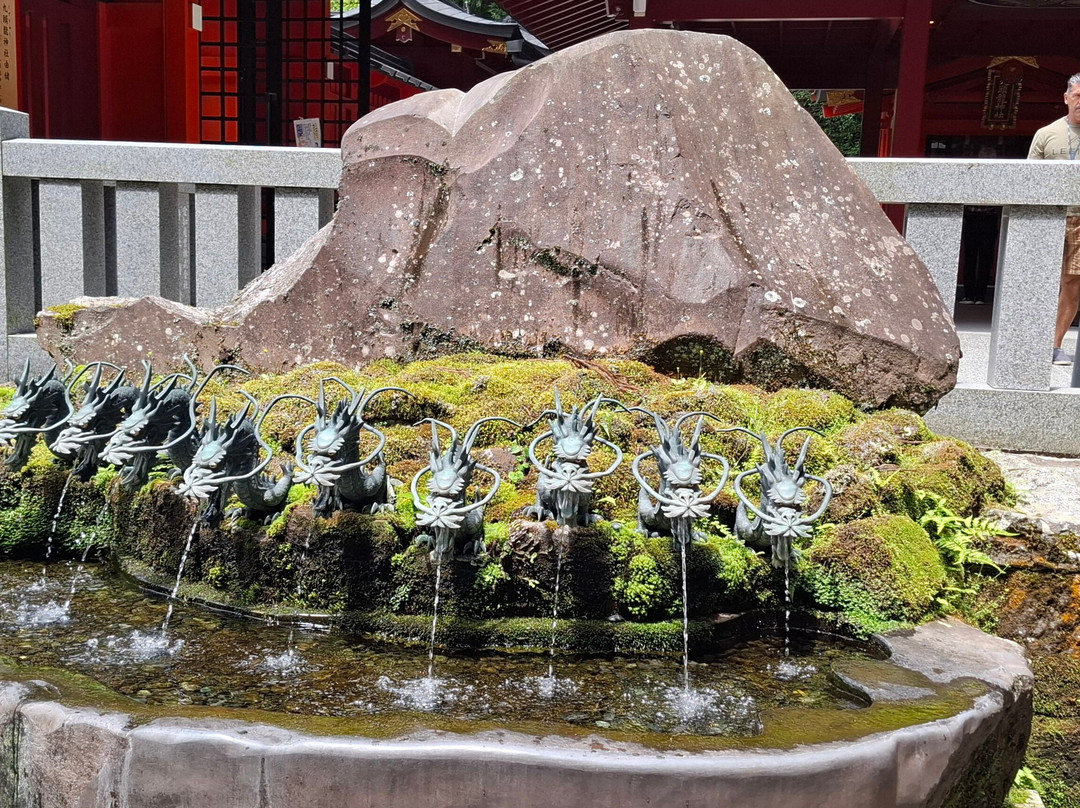
One of the features of the Shrine is the fountain that stands in front of it. The fountain comprises of of nine spouts which are shaped as drangons heads throught which water pours.
The fountain is a point of purification where hands are washed before approaching the Shrine.
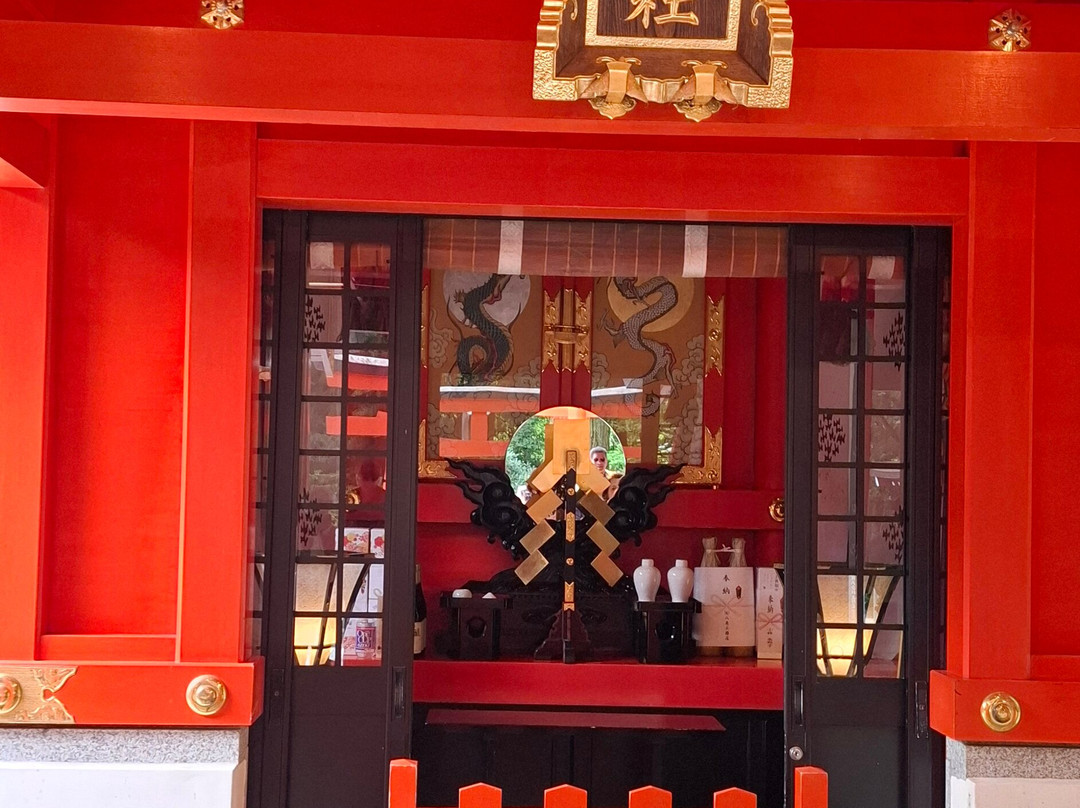
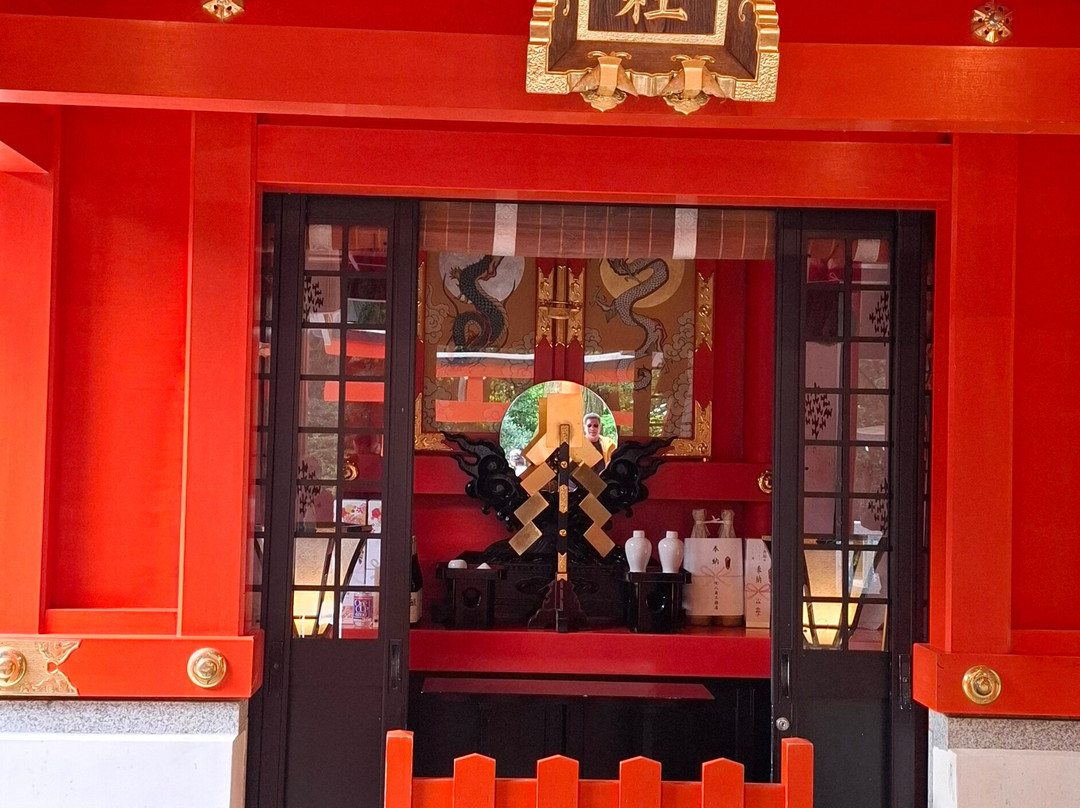
The Shrine is housed in traditional Shinto style building which is painted vibrant red. It is believed that red provides protection against evil spirits and brings vitality and joy.
The Shrine itself appeared to be a wooden structure supported by a central pole, sort of resembling a Christmas tree.
It was surrounded by offerings with a circular mirror behind it.
On the wall behind the Shrine are images of what appears to be snakes. They represent kindness and evil forces, with a significant connection to wealth, water, and renewal.
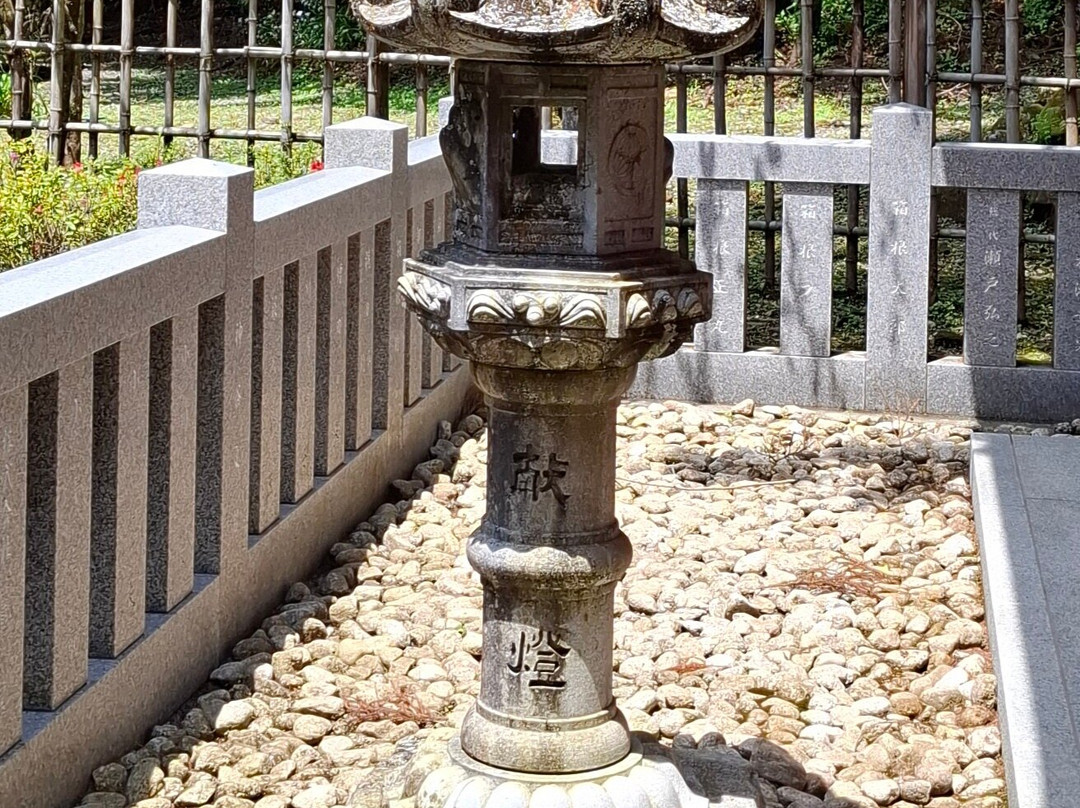
On both sides of the entrance were large stone lantern lights.
This is another of the smaller shrines dotted around the gardens of the main Shrine.
Known as the Kuzuryu Shrine it is dedicate to the nine-headed dragon deity of the same name. The deity is revered as a protector in particular of water.
One of the features of the Shrine is the fountain that stands in front of it. The fountain comprises of of nine spouts which are shaped as drangons heads throught which water pours.
The fountain is a point of purification where hands are washed before approaching the Shrine.
The Shrine is housed in traditional Shinto style building which is painted vibrant red. It is believed that red provides protection against evil spirits and brings vitality and joy.
The Shrine itself appeared to be a wooden structure supported by a central pole, sort of resembling a Christmas tree.
It was surrounded by offerings with a circular mirror behind it.
On the wall behind the Shrine are images of what appears to be snakes. They represent kindness and evil forces, with a significant connection to wealth, water, and renewal.
On both sides of the entrance were large stone lantern lights.
翻译:5月13日,星期二,我们参观了令人印象深刻的箱根神社及其广阔的庭院。
这是散布在主神社花园周围的另一座较小的神社。
九头龙神社供奉着九头龙神。九头龙神被尊为水的守护神。
神社的一大特色是矗立在神社前的喷泉。喷泉由九个形似龙头的喷水口组成,水从喷水口喷涌而出。
喷泉是净身之处,人们在进入神社之前需要洗手。
神社坐落在一座传统的神道教风格建筑内,建筑漆成鲜艳的红色。人们相信红色可以驱邪,并带来活力和喜悦。
神社本身看起来像是一个由中央柱子支撑的木结构建筑,有点像圣诞树。
神龛周围摆满了供品,神龛后方有一面圆形镜子。
神龛后面的墙上挂着一些形似蛇的图案。它们象征着善良与邪恶的力量,与财富、水和复兴有着重要的联系。
入口两侧悬挂着巨大的石灯笼。
这是散布在主神社花园周围的另一座较小的神社。
九头龙神社供奉着九头龙神。九头龙神被尊为水的守护神。
神社的一大特色是矗立在神社前的喷泉。喷泉由九个形似龙头的喷水口组成,水从喷水口喷涌而出。
喷泉是净身之处,人们在进入神社之前需要洗手。
神社坐落在一座传统的神道教风格建筑内,建筑漆成鲜艳的红色。人们相信红色可以驱邪,并带来活力和喜悦。
神社本身看起来像是一个由中央柱子支撑的木结构建筑,有点像圣诞树。
神龛周围摆满了供品,神龛后方有一面圆形镜子。
神龛后面的墙上挂着一些形似蛇的图案。它们象征着善良与邪恶的力量,与财富、水和复兴有着重要的联系。
入口两侧悬挂着巨大的石灯笼。
© 2026 Tripadvisor 版权所有。
部分照片由 VFM Leonardo 提供。
TripAdvisor公司对外部网站的内容一概不负责。优惠价格中不含税和其他费用。
ICP证:沪B2-20200433
沪ICP备20013175号
 沪公网安备31010502005427号
鹰程信息技术(上海)有限公司