下载App
资质规则
旅行
账户

waynesuperc
A memorable highlight of Angkor where the jungle is slowly taking over ancient ruins.
塔普伦寺的点评
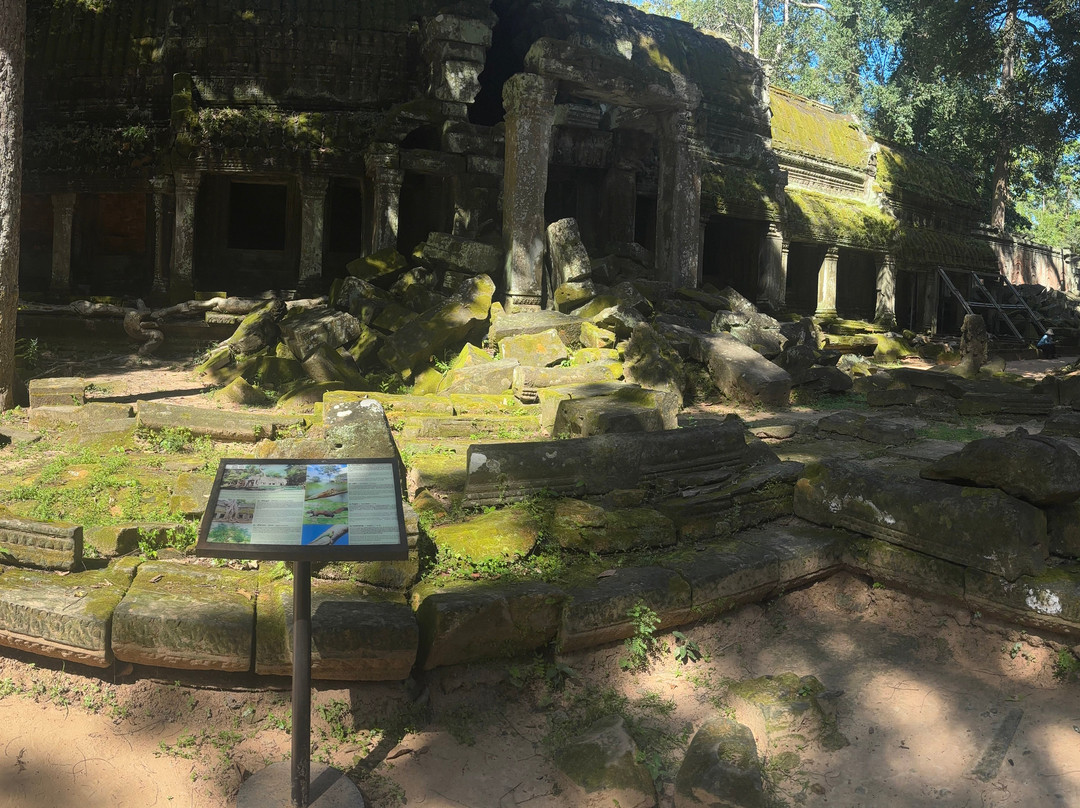
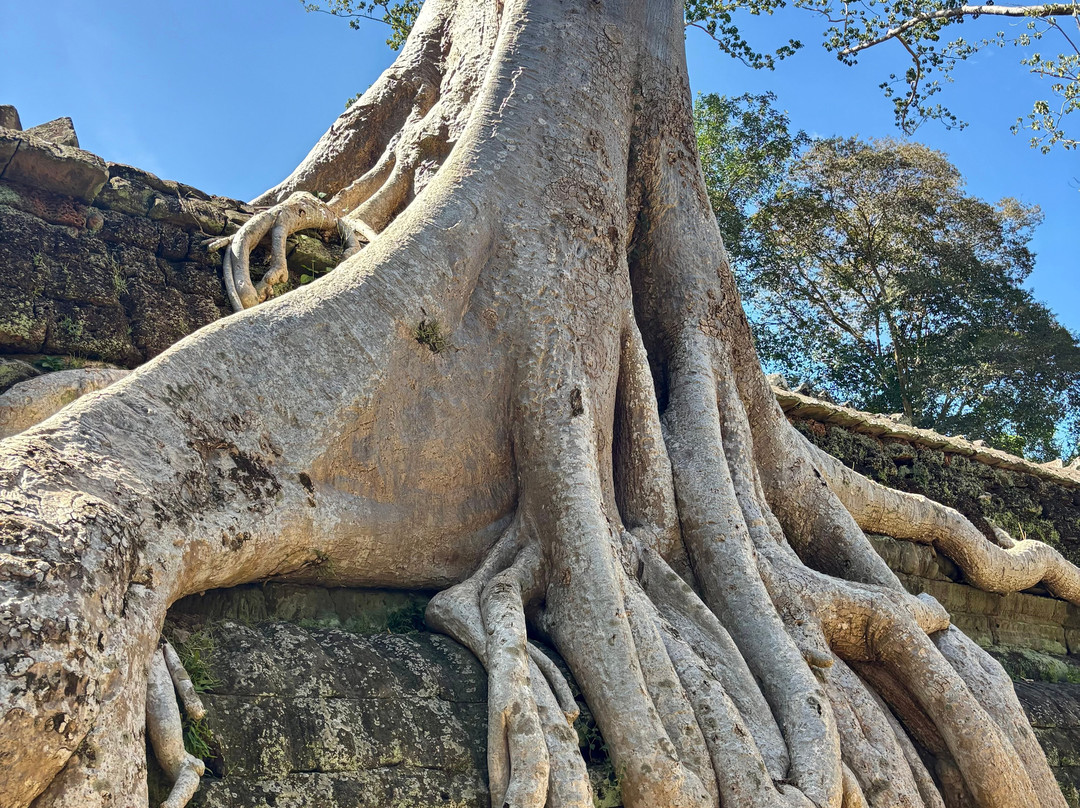
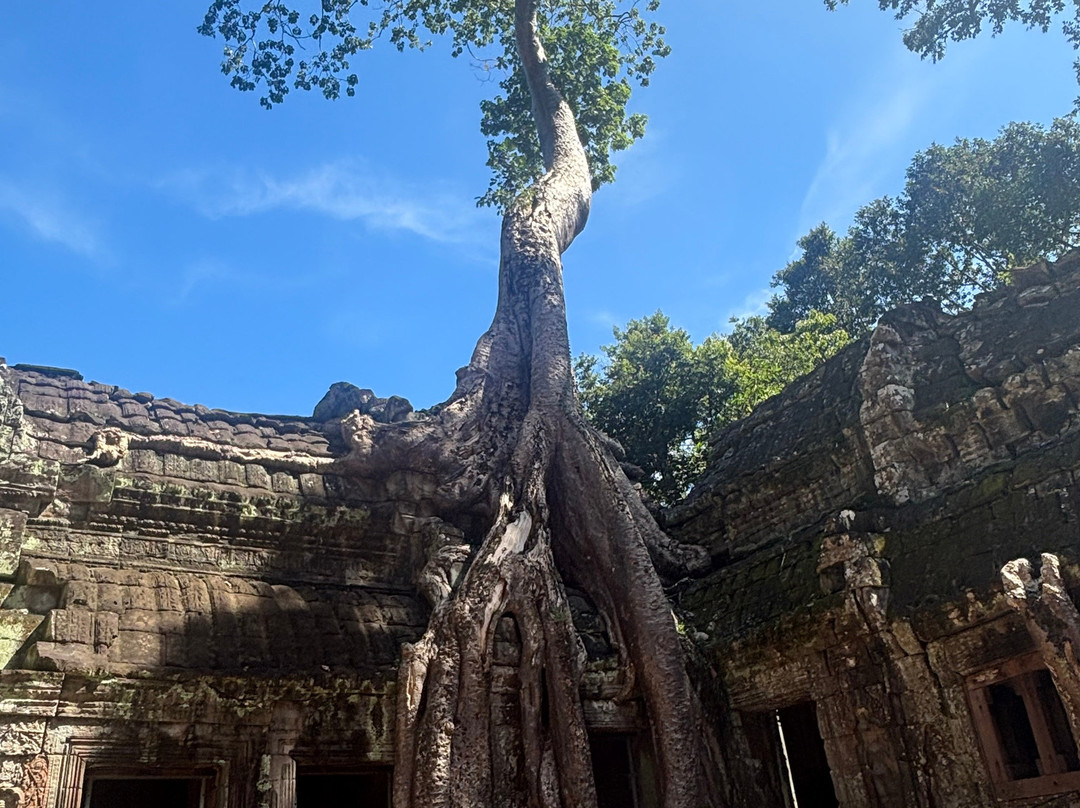
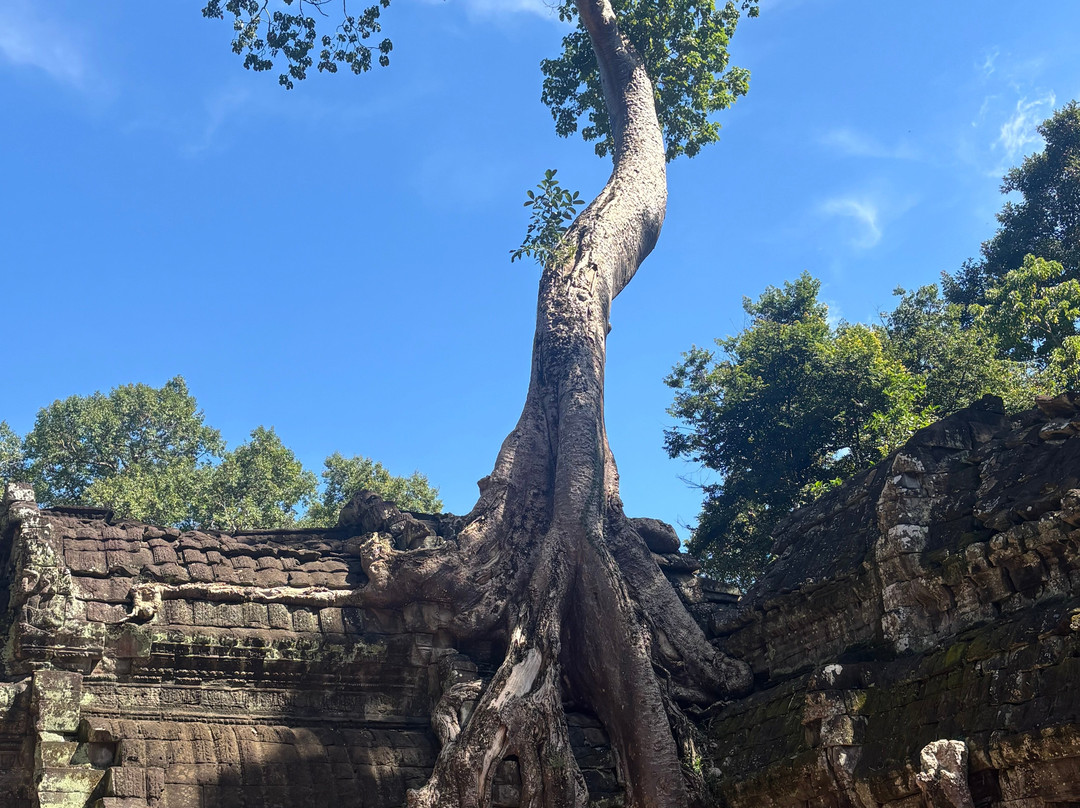
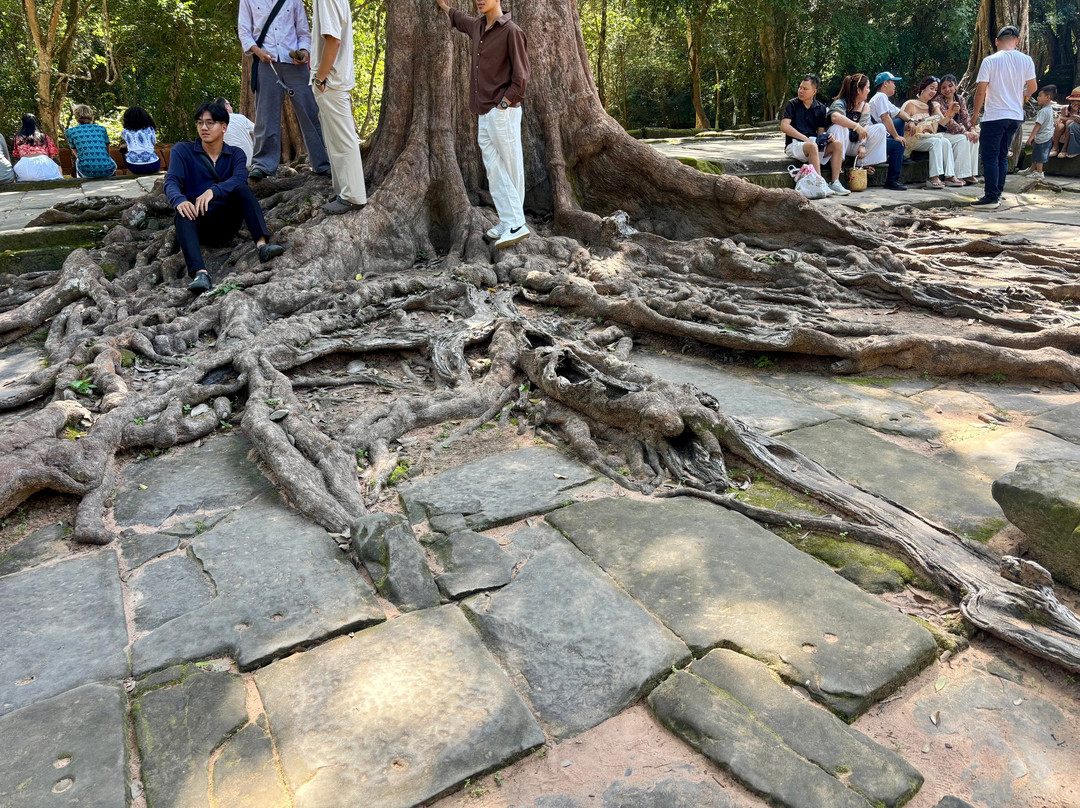
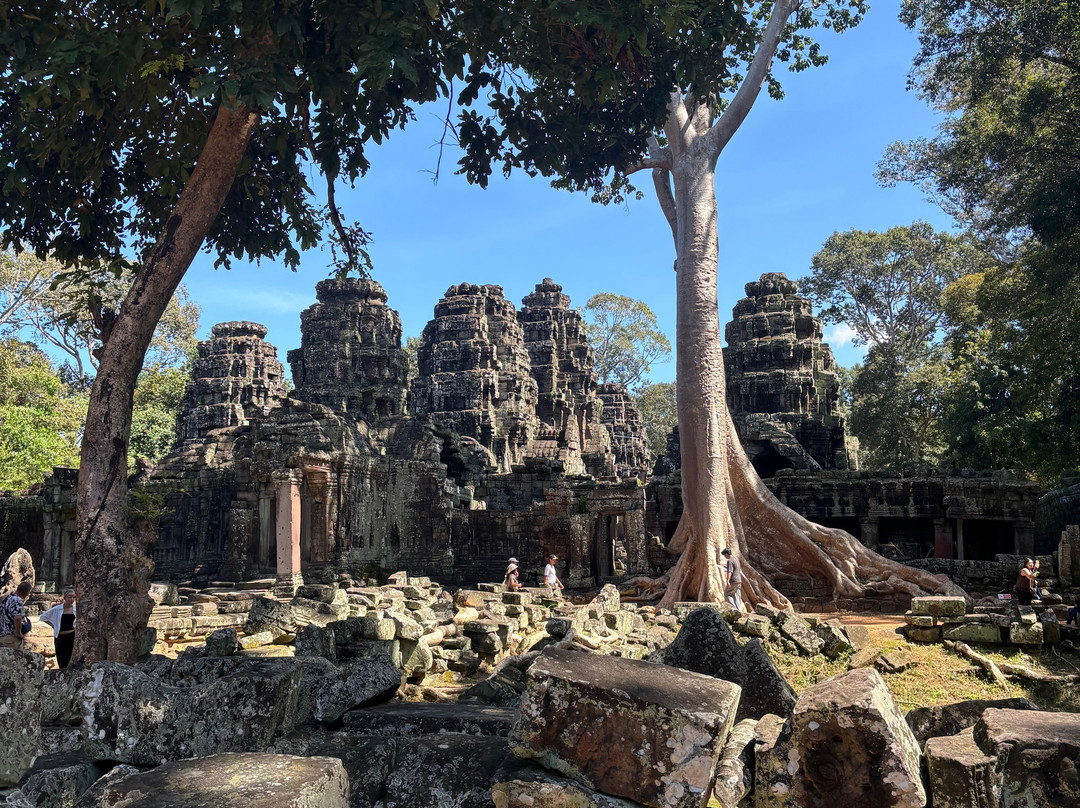
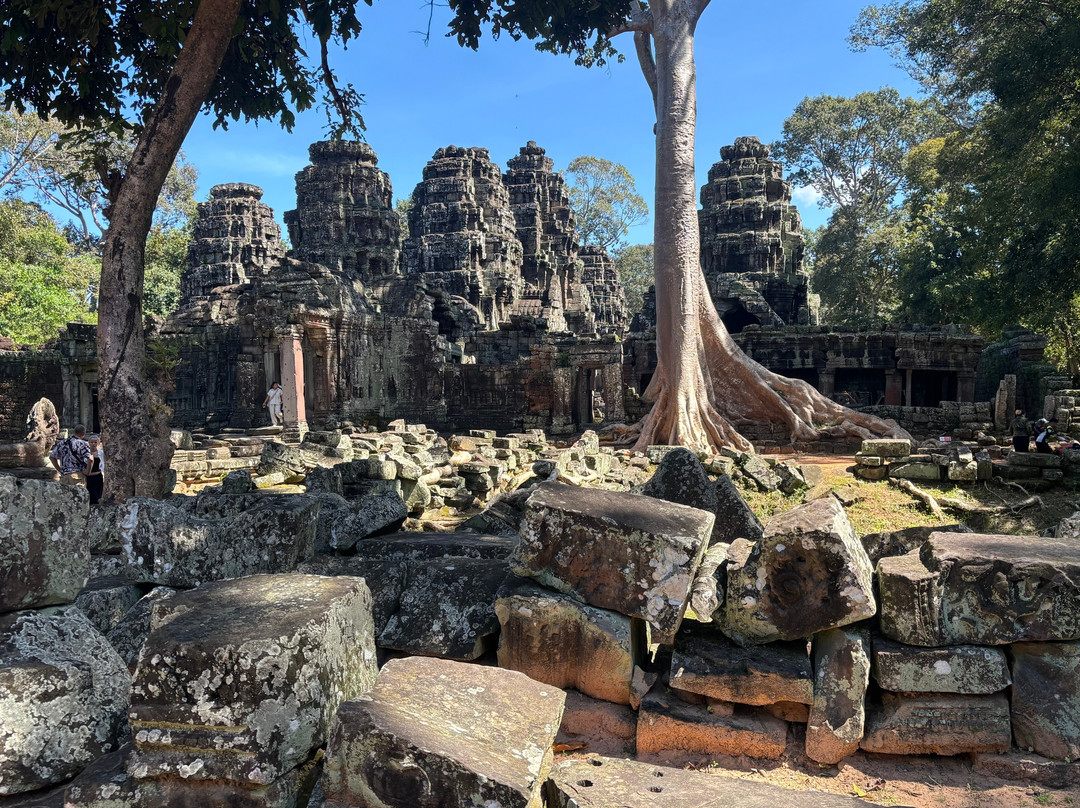
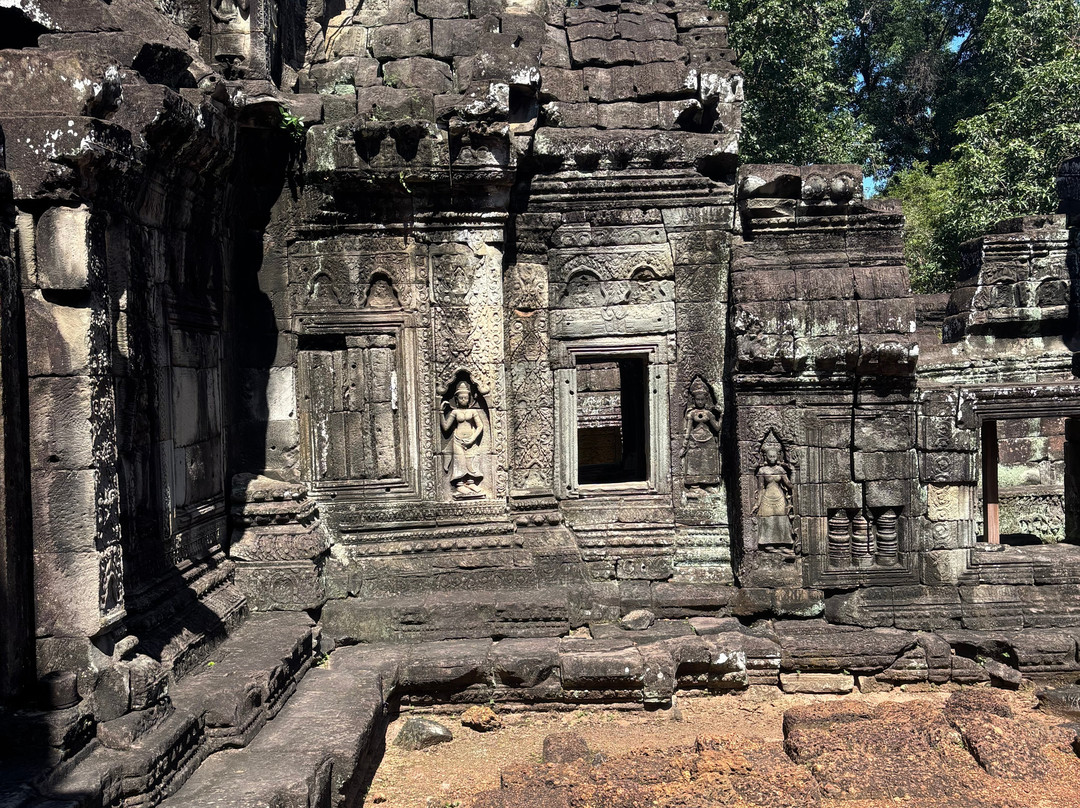
点评:I visited here 13 years ago and unlike the others not much has changed at this temple. Unlike the neatly restored towers of Angkor Wat, Ta Prohm was mostly left just the way explorers found it, wrapped in the Cambodian jungle. Huge silk-cotton and fig trees grow straight out of the stone roofs and courtyards, with thick grey roots spilling over old wall carvings like frozen waterfalls.
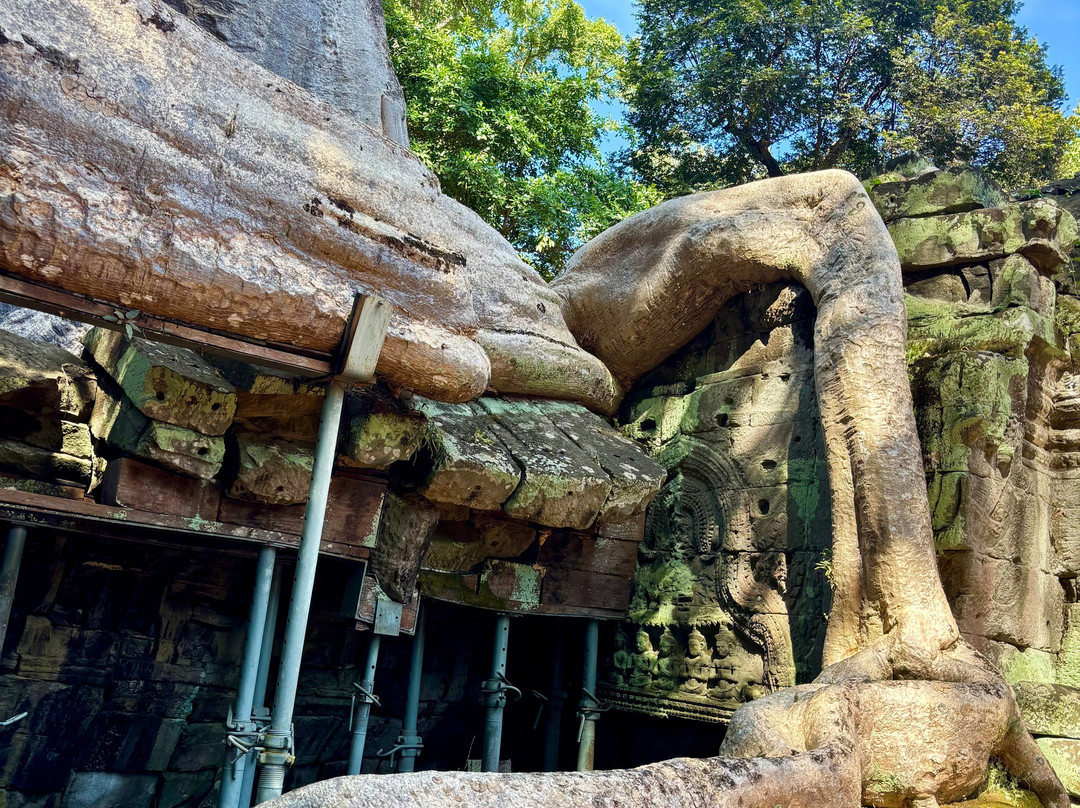
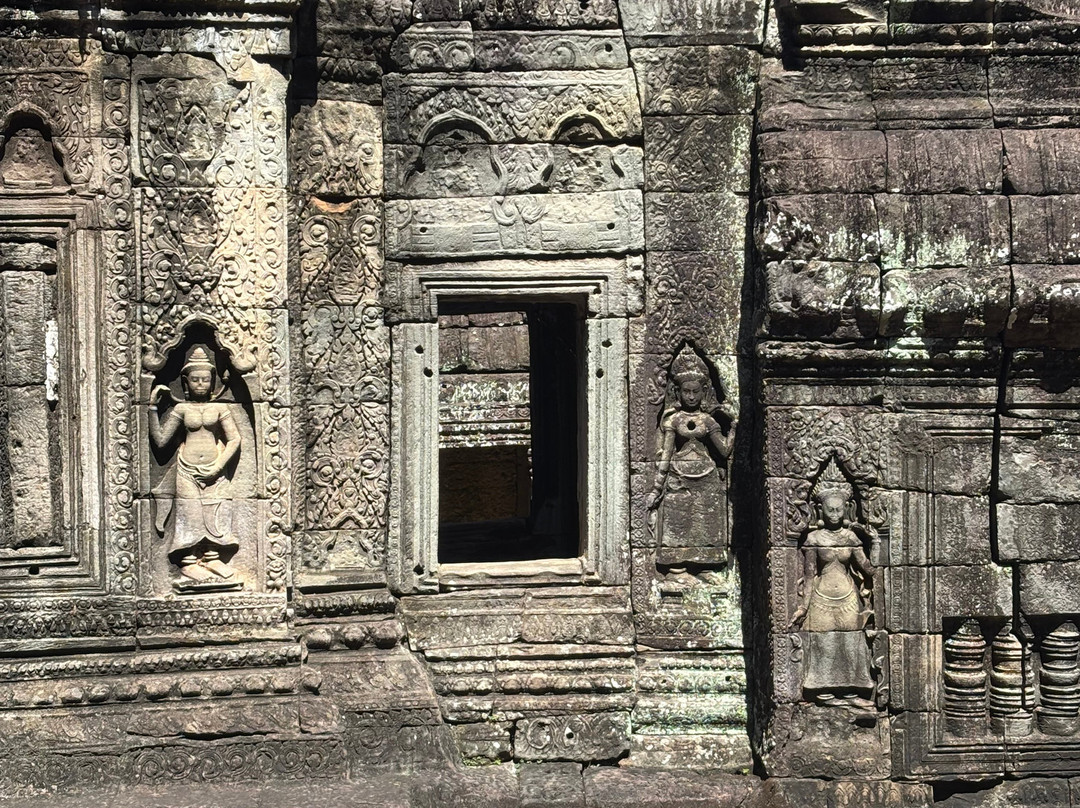
Walking through the shaded, moss-covered hallways feels like stepping onto a movie set—which makes sense, since Tomb Raider was filmed here. The mix of sunlight filtering through the leaves, crumbling stones, and towering trees creates a mood you won't find at any other temple nearby. Even under all the roots and fallen rocks, you can still clearly see detailed stone carvings of spirits and Buddhist symbols, showing a cool contrast between human art and wild nature. Best of all, the thick tree cover keeps you out of the harsh sun, making it much cooler than open temples like Angkor Wat or Bayon.
The main drawback is the heavy crowds. Because it is one of Angkor's "Big Three" temples, the main photo spots—especially the famous root-draped doorways—quickly develop long queues of tourists waiting for pictures. Additionally, wooden boardwalks and roped-off sections, while necessary to protect the fragile and shifting stones, keep you on a fairly strict one-way path that limits your ability to freely wander.
To make the most of your visit, arrive right when the gates open at 7:30 AM (before the sunrise crowds from Angkor Wat finish breakfast and head over) or after 4:00 PM for softer light and thinner crowds. Since most tour buses drop off at the West Gate, entering via the East Gate lets you walk against the main flow of foot traffic for the first half of your visit. Finally, be sure to wear sturdy shoes with good grip, as the sandstone blocks are uneven, worn smooth, and often slick with moss.
翻译:13年前我曾来过这里,与其他遗迹不同,这座寺庙几乎没有什么变化。与修复整齐的吴哥窟塔楼不同,塔普伦寺基本保持了探险家们最初发现它时的模样,被柬埔寨的丛林所环绕。巨大的木棉树和无花果树直接从石制屋顶和庭院中生长出来,粗大的灰色树根如同凝固的瀑布一般,漫过古老的墙面浮雕。
漫步在荫凉且长满青苔的走廊中,仿佛置身电影片场——这也不难理解。自从《古墓丽影》在此取景后,这里便声名大噪。阳光透过树叶洒下,残破的石墙与参天大树相互映衬,营造出一种在周边其他寺庙中都难以寻觅的独特氛围。即便在层层树根与滚落的石块之下,依然能清晰看到众多描绘着神灵与佛教符号的精美石雕,体现了人类艺术与大自然的巧妙融合与鲜明对比。最棒的是,茂密的树冠有效遮挡了烈日,使得这里比吴哥窟或巴戎寺等露天寺庙凉爽得多。最主要的缺点就是人太多。由于它是吴哥古迹中“三大寺庙”之一,那些主要的拍照点——尤其是那些被树根缠绕的经典门廊——很快就会排起长长的游客队伍。此外,虽然木制栈道和用绳索隔离的区域是为了保护那些易碎且不稳定的石块而设,但它们也强迫游客只能沿着一条单向路径行走,从而限制了自由游览的可能。
为了充分享受此次参观体验,。最佳游览时间是在早上7:30大门开启时(此时吴哥窟的晨间游客尚未吃完早餐、尚未涌入景区),或是下午4点之后——此时光线更柔和且游客较少。由于大多数旅游巴士都在西门下车,选择从东门进入便能在游览初期避开大量人流。最后,务必穿上防滑且结实的鞋子,因为这里的砂岩地面凹凸不平、被磨得十分光滑,还常常长满湿滑的苔藓。

© 2026 Tripadvisor 版权所有。
部分照片由 VFM Leonardo 提供。
TripAdvisor公司对外部网站的内容一概不负责。优惠价格中不含税和其他费用。
ICP证:沪B2-20200433
沪ICP备20013175号
 沪公网安备31010502005427号
鹰程信息技术(上海)有限公司