下载App
资质规则
旅行
账户

lisarA320ON
Why Richard Tucker Should be a National Treasure
Maginot Line Tours - Tucker Tours的点评
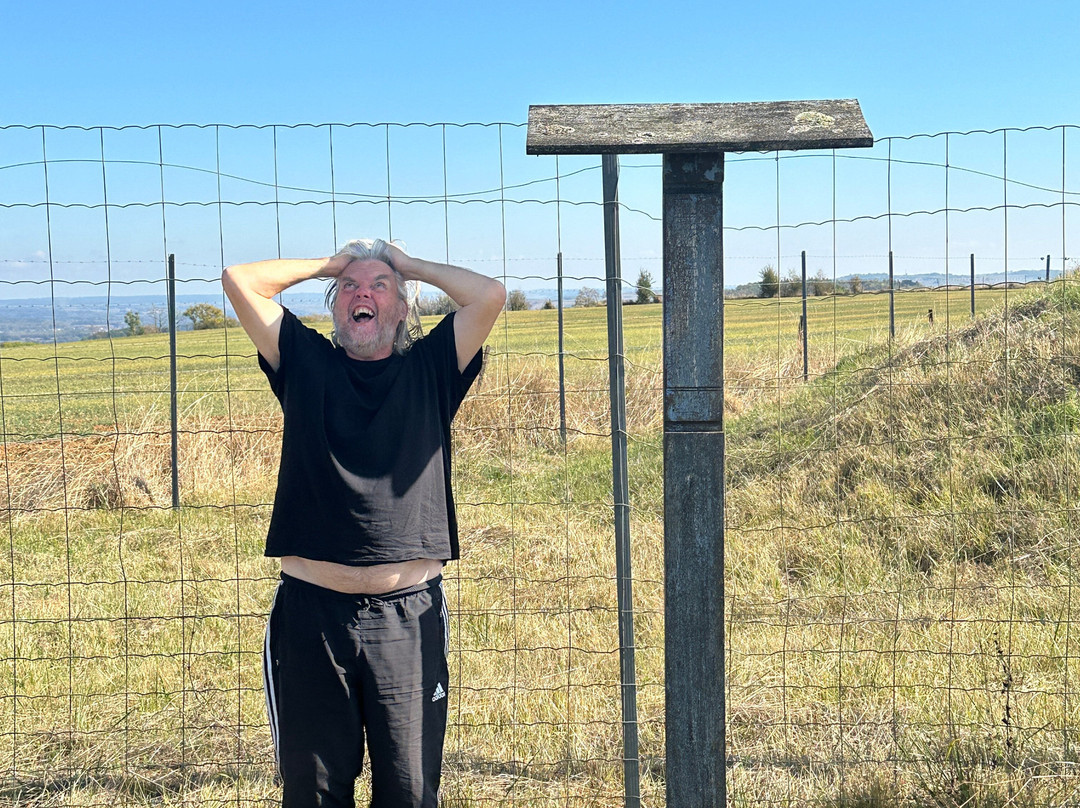
点评:After two full days exploring the Maginot Line and the battlefields around Sedan, France, with Richard Tucker, I felt that my own education was, by comparison, a rumor.
Richard’s tours begin as a pleasant outing and end as a quiet rearrangement of one’s understanding of France. He covers decades of conflict without consulting a note, drawing on his personal collection of historic military maps to put the terrain—and the decisions made on it—into context.
At Bazeilles, he recounts the fighting in 1870, when French marines fought house to house until they ran out of ammunition and, apparently, houses as well. From there, he takes you to Floing, where French cavalry charged the Prussian guns on the heights above Sedan. He explains why it was brave, why it was hopeless, and how the disaster ended with an emperor surrendering. He gestures toward a hillside, and the battle comes to life.
Then comes 1940 and the crossing of the Meuse at Sedan. Richard shows you where the panzers massed, how the Stukas pinned down the defenders while German infantry crossed in rubber boats, and how a front that looked strong on a map came apart in about a day. He tells it plainly. You have never been so interested in a river.
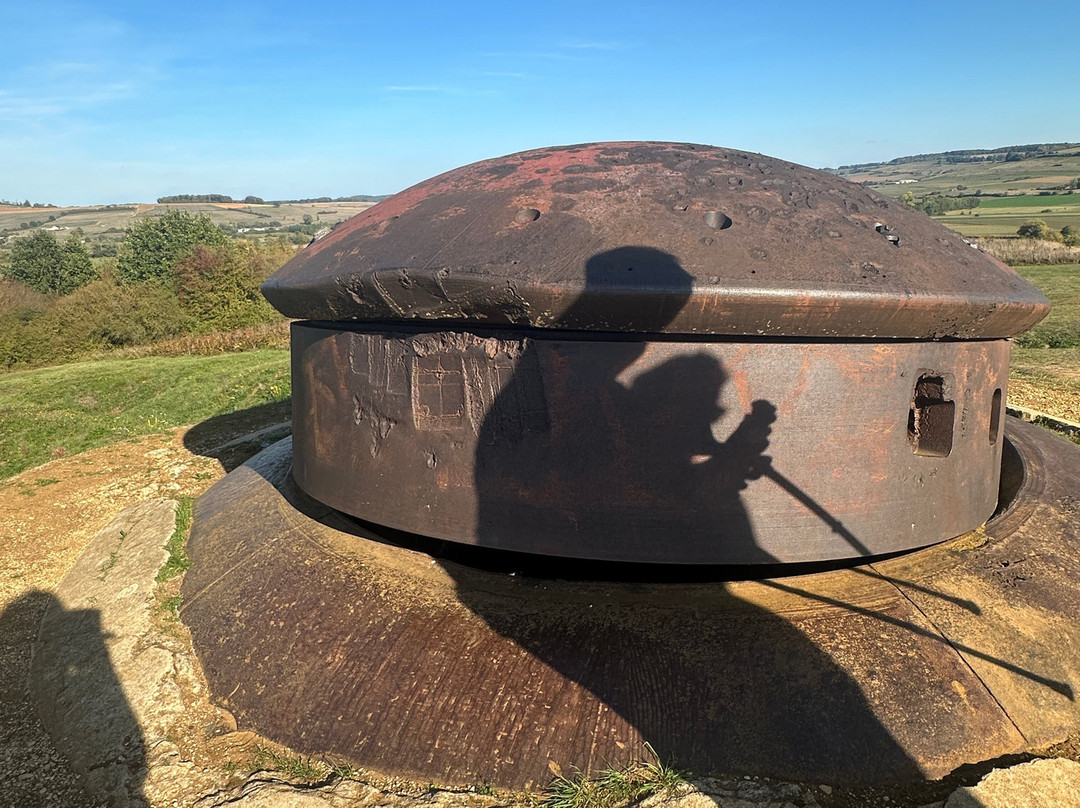
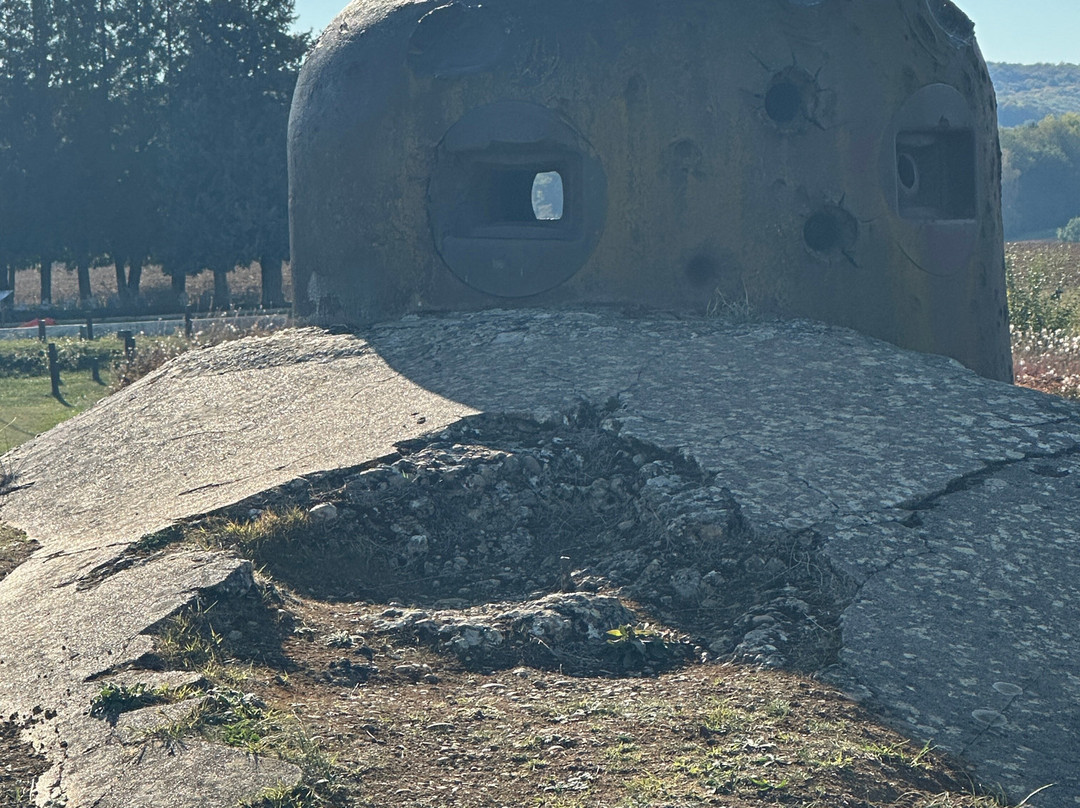
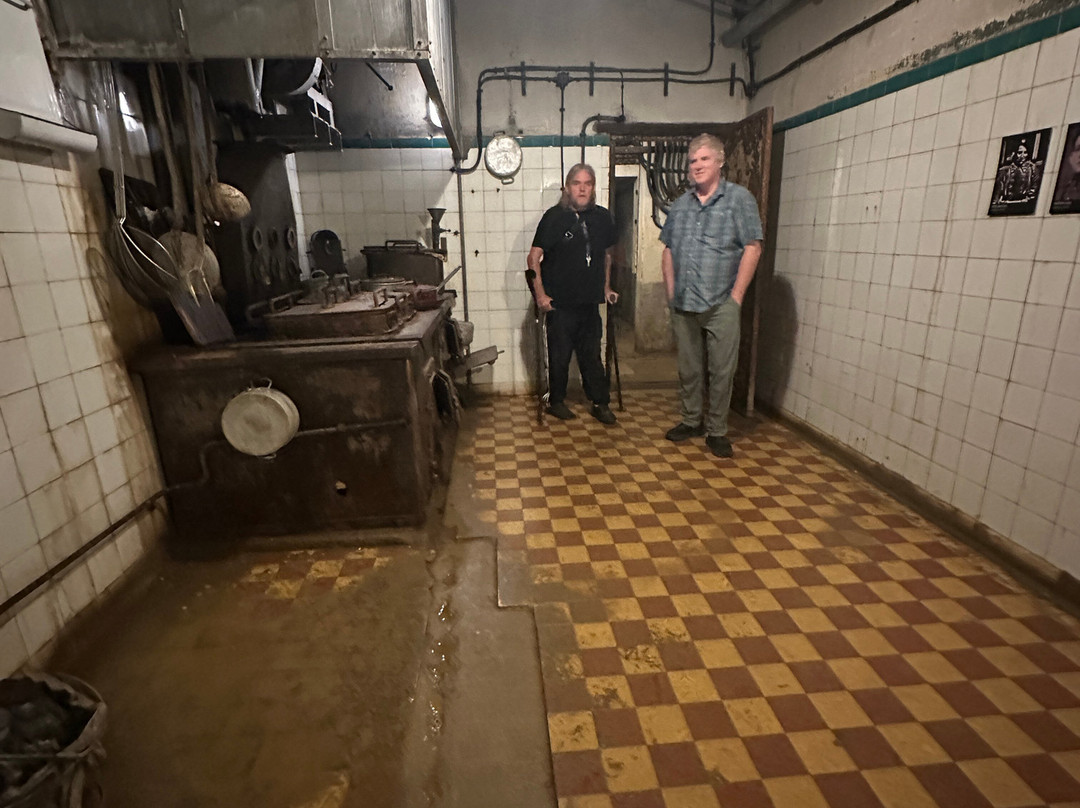
The highlight of our second day—and a stop not to be missed—was Ouvrage La Ferté. Richard explains how this small Maginot Line fortress was designed to function, where its vulnerabilities lay, and what happened when the Germans attacked in May 1940. His account of the assault is the emotional center of the tour: the sustained attack, the isolation of a position that could not be reinforced, and the sequence of events that led to the deaths of the entire garrison.
Why Richard should be a national treasure
• He makes history physical. You don’t just learn about these battles; you stand where they happened.
• He connects the dots. From 1870 through 1917 to 1940, the same landscape keeps being asked the same terrible question.
• He introduces you to his community. His relationships with local historians and museum guides add depth and warmth to the experience. The mutual admiration is unmistakable.
• He is a walking archive. His command of Maginot Line history is extraordinary, and he makes that knowledge accessible without oversimplifying it.
Book a tour with Richard Tucker. He will make you glad you did—and slightly alarmed at how much you now know.
翻译:在与理查德·塔克一起花了整整两天时间考察马其诺防线以及法国色当周边的战场后,我深感自己过往所受的教育相比之下不过是些道听途说罢了。
理查德的讲解之旅起初像是一次愉快的远足,最终却让人对法国的历史认知发生悄然转变。他无需查阅任何笔记便能讲述数十年间的战争历史,还借助自己收藏的历史军事地图来帮助人们理解当时的地形以及在此背景下做出的各种决策。
在巴泽耶……他讲述了1870年的战斗:当时法国海军陆战队挨家挨户与敌人搏斗,直到弹药用尽,显然连可战的房屋也所剩无几。接着,他带我们来到弗卢昂,在那里法国骑兵向塞丹高地上的普鲁士炮台发起了冲锋。他解释了这场冲锋为何堪称英勇、为何注定无望,以及这场灾难是如何以皇帝投降而告终的。他朝山坡方向一指,整场战斗仿佛瞬间鲜活起来。
随后便是1940年,法军试图在塞丹渡过默兹河。理查德向你展示坦克群集结的地点,德国斯图卡俯冲轰炸机如何压制守军,同时德军步兵乘着橡皮艇渡河;他还讲述了原本在地图上看起来坚不可摧的防线是如何在短短一天之内便土崩瓦解的。他讲述得简明易懂。你从未对一条河流产生过如此浓厚的兴趣。
第二天最精彩的亮点——也是绝对不容错过的景点——便是拉费尔特要塞。理查德详细讲解了这座马其诺防线上的小型要塞的运作原理,以及它的弱点所在。以及1940年5月德军发动攻击时发生了什么。他对这次攻击的描述是整个参观过程中的情感核心:持续不断的攻击、无法获得增援的阵地的孤立无援,以及最终导致守军全员阵亡的一系列事件。
为何理查德堪称国宝级人物
• 他让历史变得可触可感。人们不光能了解这些战役,还能站在当年发生战斗的地点亲身感受。
• 他能将历史事件串联起来。从1870年、1917年直至1940年……同样的场景下,人们总是反复问出那个糟糕透顶的问题。
• 他会带你认识当地的社群。他与当地历史学家及博物馆讲解员的深厚交情,为整个体验增添了深度与温度。彼此间的钦佩之情显而易见。
• 他简直就是一座活生生的历史档案馆。他对马其诺防线历史的了解极为深入,还能把这些知识以易于理解的方式呈现出来,而不会将其简单化。
现在就预约理查德·塔克的导览吧!他会让你庆幸自己做了这个选择——同时也会让你因自己如今掌握了这么多知识而有些惊讶不已。

© 2026 Tripadvisor 版权所有。
部分照片由 VFM Leonardo 提供。
TripAdvisor公司对外部网站的内容一概不负责。优惠价格中不含税和其他费用。
ICP证:沪B2-20200433
沪ICP备20013175号
 沪公网安备31010502005427号
鹰程信息技术(上海)有限公司