下载App
资质规则
旅行
账户
vjlvjl
Simply Excellent all the way around
Kishindo Conservation Reserve的点评
点评:We stumbled upon their website while researching safaris in South Africa. I got intrigued by “Tigers in Africa”. Up until that point, I thought Tigers are found only in Asia. So, I studied their website, read their reviews on Trip Advisor, called them to get first hand information. And then I was hooked. Kishindo Tiger Canyon is a conservancy dedicated to tigers in the wild. Their reviews on Trip Advisor are excellent, especially from people who have been on multiple safaris. Having experienced Kishindo, I can attest that the accolades in their reviews are genuine.
Since their reviews on Trip Advisor are excellent, I won’t repeat what other have described so eloquently. I will, instead, focus my comments on Tiger photography at Kishindo.
I am an amateur photographer who developed a passion for wildlife photography about 8 years ago. Since then, I have been to safaris in Kenya, Tanzania, South Africa, Canada (Polar Bears), Brazil (Pantanal), Madagascar, Antarctica, Svalbard, and India (twice).
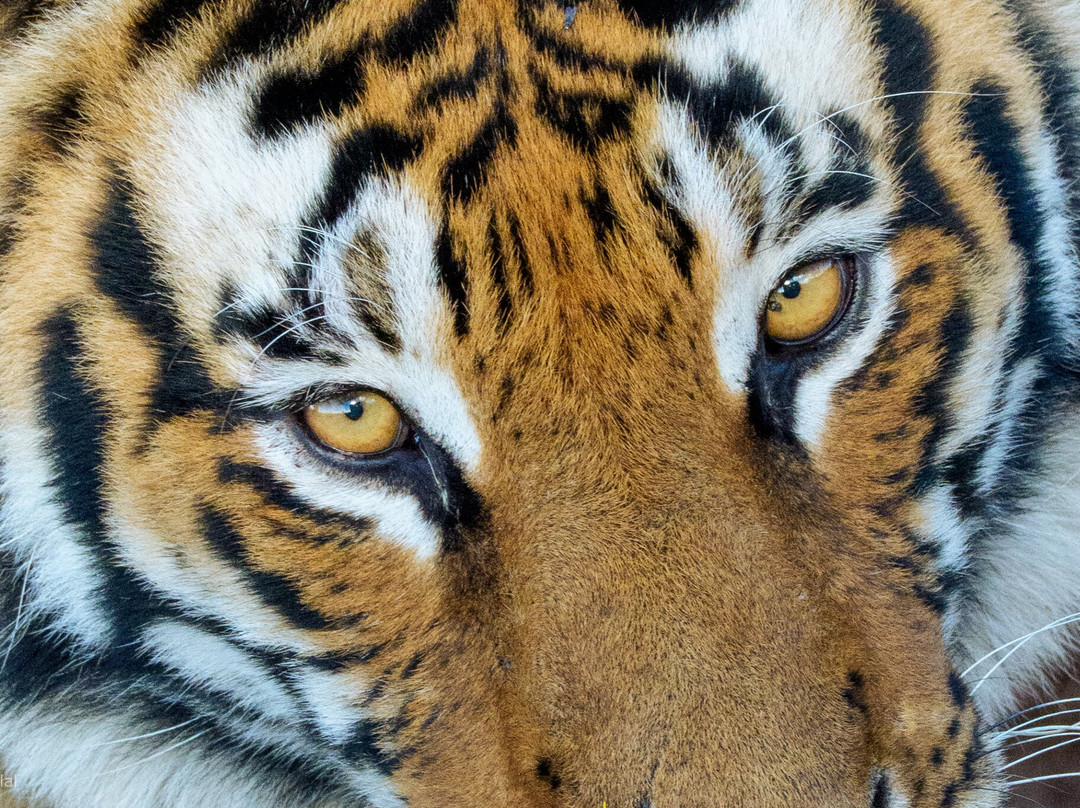
The Tiger photography at Kishindo is par excellence. Simply put, if your interest is in photographing tigers in different habitats, Kishindo is that place. Of course, if you are photographing tigers, you are seeing them also. The reverse, however, is not necessarily true. Photographing tigers in India is great too. The difference in photography between Kishindo and Indian tiger safari is the quality and ease of photography. As just one data point, at Kishindo, I was able to photograph tigers on 7 of the 8 game drives, in 4 different habitats. On the Indian tiger safaris, I was able to photograph tigers on 4 of the 17 game drives but they were all similar habitat (bamboo forests).
The things that made Kishindo special for me were:
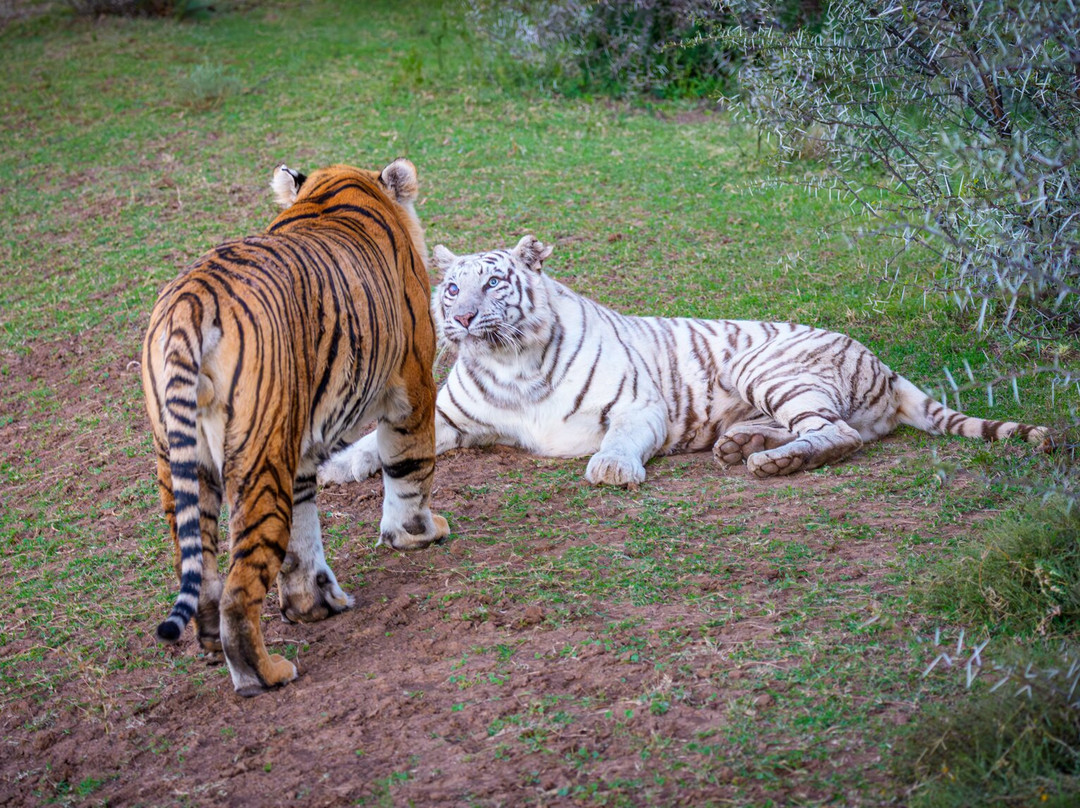
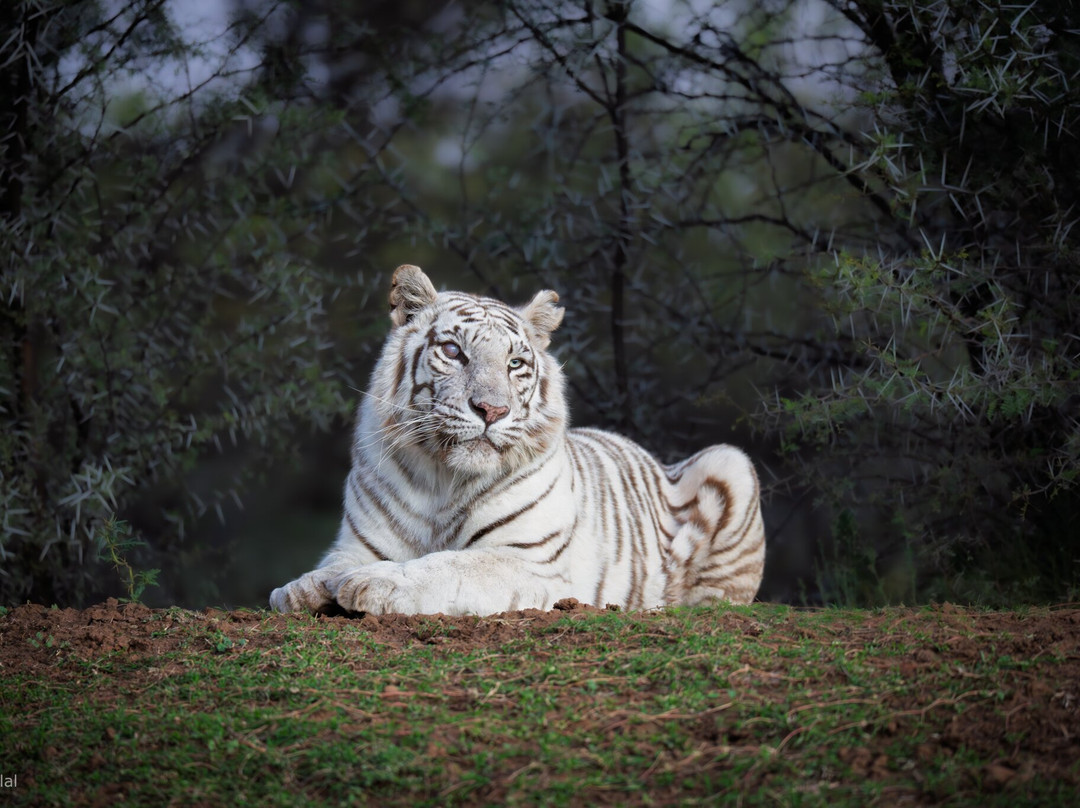
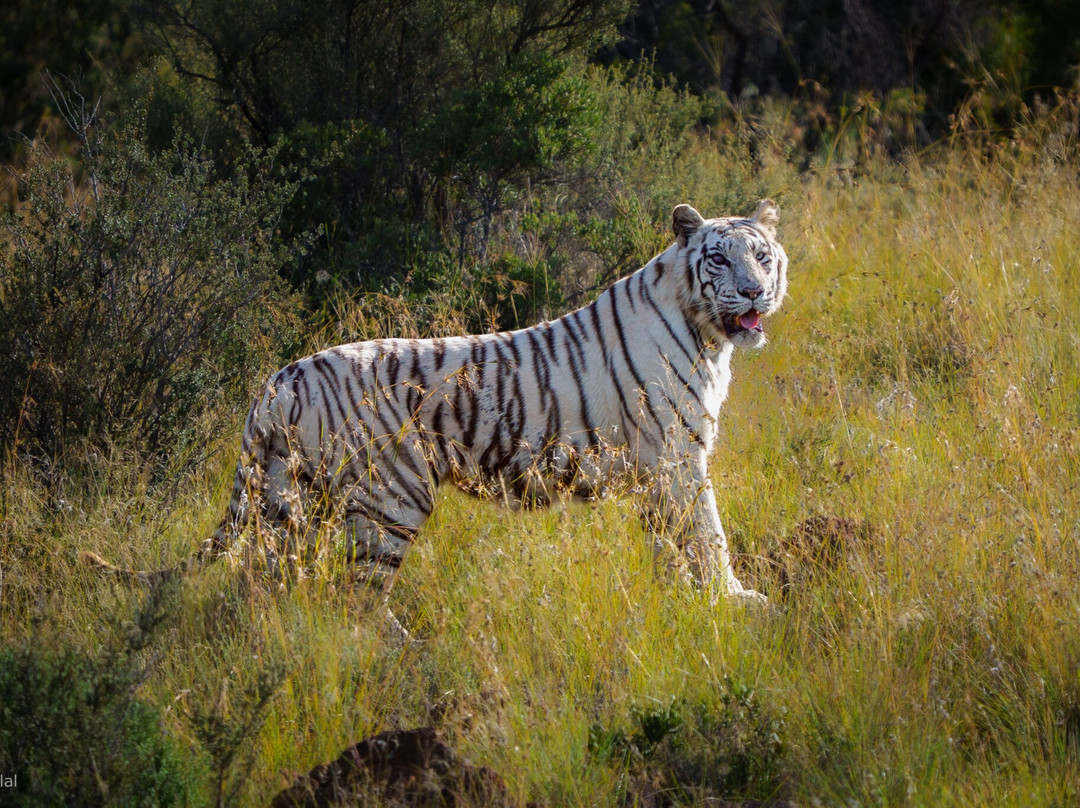
White Tiger: To the best of my knowledge, Kishindo has the only wild white tiger in the world that is not in captivity. And we were able to see her in its natural environment. We saw her walking from 100 meters away, we saw her marking her huge territory, we saw her resting/sleeping, we saw her getting up from her sleep, and we saw her playing with another tiger. We were able to spend a good 4 hours observing her.
Guiding: A good guide can make or break your trip. Our guide - Wes, at Kishindo was simply the best tiger guide I’ve come across. He explained what the tiger was doing (e.g. touching the other tiger’s head to acknowledge or greet them), he could usually predict their next move, he could explain how the tiger received their scratches on other bodies, et al. This type of information enhanced our interest in the tigers, and in getting to know their unique characteristics. Wes was great at scouting the tigers, positioning us to get the compositions I wanted, but above all pointing out things we couldn’t see (or understand) ourselves. It was like getting a crash course in photographing tigers.
Exclusivity: There are only 3 rooms at this conservancy. So, 6 people are the max on game drives at any time. You can do a private vehicle to yourself (at an additional cost) or you can do a shared vehicle at no additional cost. We did the shared vehicle with another couple. So your chances of encountering other vehicles at the same spot, at the same time, is minimal.
Observing behavior: Because of the exclusivity factor, we were able to spend as much time as we wanted to observe their behavior in their natural environment, observing them doing the things they naturally do. In other words, our presence did not alter their behavior. This was a huge factor in making the photography special.
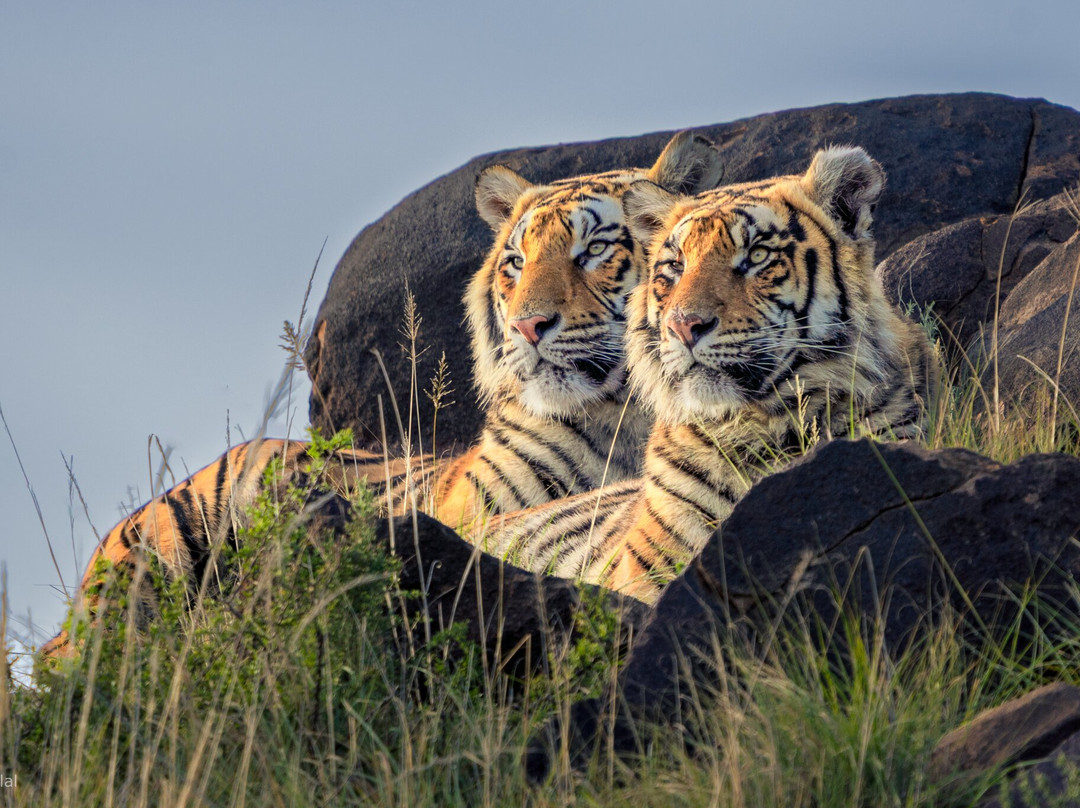
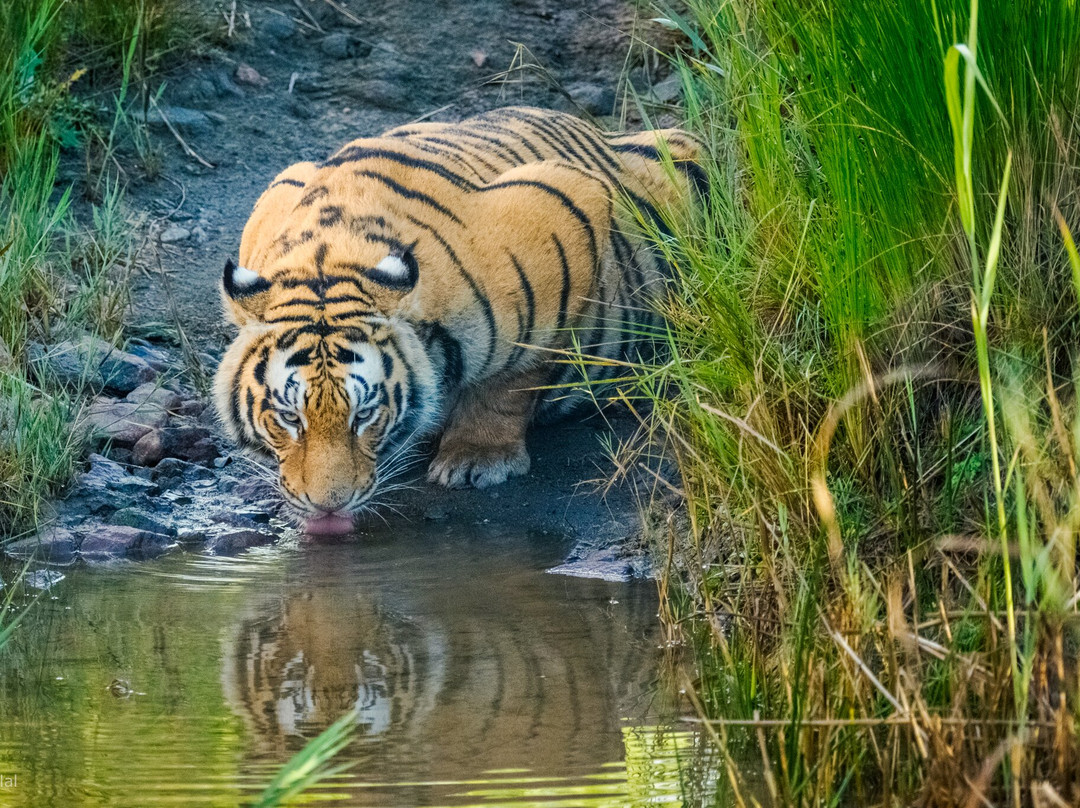
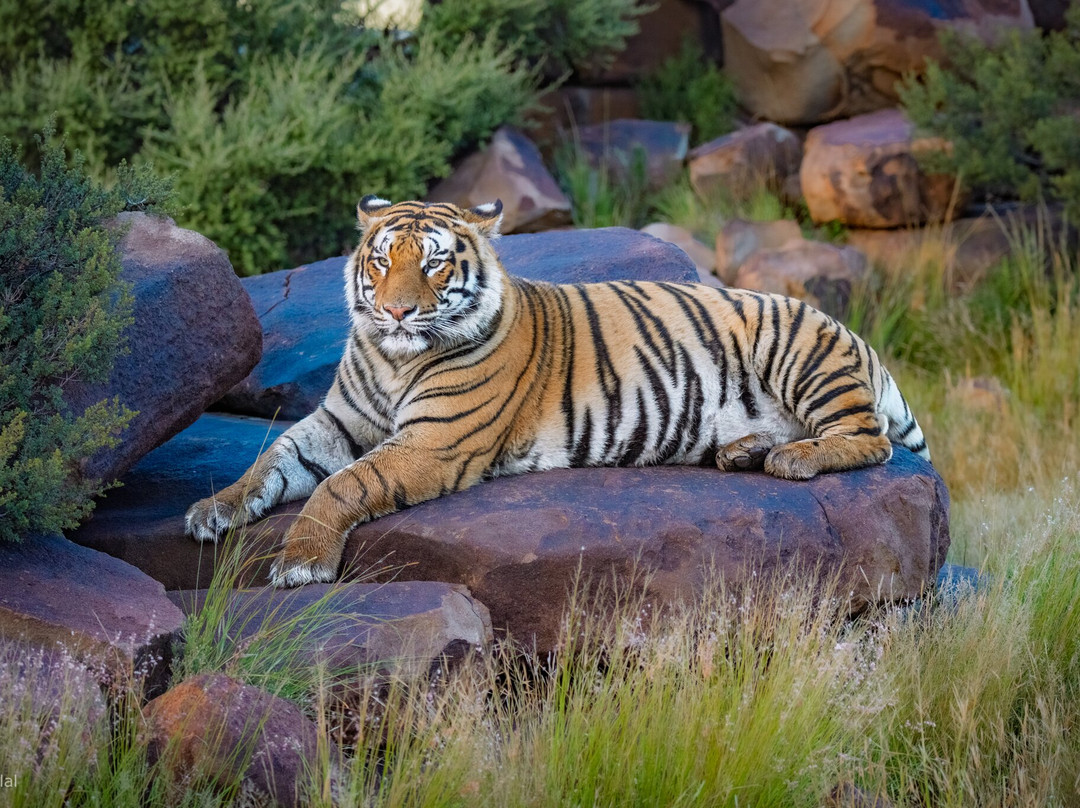
Habitat: There are 4 distinct habitats at Kishindo — Grassland, Savannah, Rocks and Mountains. I was able to photographs in all these habitats. Being able to photograph these magnificent creatures in all these different habitats gave me unique pictures of the same tiger.
Kishindo also has a population of Cheetahs. The cheetahs are habituated. We were therefore able to walk with them at a distance of about 10 meters. This was a great experience, and very exciting walk.
I would rate my Kishindo Tiger safari as the best photography safari I’ve had to date. It was worth every penny and more!
Since their reviews on Trip Advisor are excellent, I won’t repeat what other have described so eloquently. I will, instead, focus my comments on Tiger photography at Kishindo.
I am an amateur photographer who developed a passion for wildlife photography about 8 years ago. Since then, I have been to safaris in Kenya, Tanzania, South Africa, Canada (Polar Bears), Brazil (Pantanal), Madagascar, Antarctica, Svalbard, and India (twice).
The Tiger photography at Kishindo is par excellence. Simply put, if your interest is in photographing tigers in different habitats, Kishindo is that place. Of course, if you are photographing tigers, you are seeing them also. The reverse, however, is not necessarily true. Photographing tigers in India is great too. The difference in photography between Kishindo and Indian tiger safari is the quality and ease of photography. As just one data point, at Kishindo, I was able to photograph tigers on 7 of the 8 game drives, in 4 different habitats. On the Indian tiger safaris, I was able to photograph tigers on 4 of the 17 game drives but they were all similar habitat (bamboo forests).
The things that made Kishindo special for me were:
White Tiger: To the best of my knowledge, Kishindo has the only wild white tiger in the world that is not in captivity. And we were able to see her in its natural environment. We saw her walking from 100 meters away, we saw her marking her huge territory, we saw her resting/sleeping, we saw her getting up from her sleep, and we saw her playing with another tiger. We were able to spend a good 4 hours observing her.
Guiding: A good guide can make or break your trip. Our guide - Wes, at Kishindo was simply the best tiger guide I’ve come across. He explained what the tiger was doing (e.g. touching the other tiger’s head to acknowledge or greet them), he could usually predict their next move, he could explain how the tiger received their scratches on other bodies, et al. This type of information enhanced our interest in the tigers, and in getting to know their unique characteristics. Wes was great at scouting the tigers, positioning us to get the compositions I wanted, but above all pointing out things we couldn’t see (or understand) ourselves. It was like getting a crash course in photographing tigers.
Exclusivity: There are only 3 rooms at this conservancy. So, 6 people are the max on game drives at any time. You can do a private vehicle to yourself (at an additional cost) or you can do a shared vehicle at no additional cost. We did the shared vehicle with another couple. So your chances of encountering other vehicles at the same spot, at the same time, is minimal.
Observing behavior: Because of the exclusivity factor, we were able to spend as much time as we wanted to observe their behavior in their natural environment, observing them doing the things they naturally do. In other words, our presence did not alter their behavior. This was a huge factor in making the photography special.
Habitat: There are 4 distinct habitats at Kishindo — Grassland, Savannah, Rocks and Mountains. I was able to photographs in all these habitats. Being able to photograph these magnificent creatures in all these different habitats gave me unique pictures of the same tiger.
Kishindo also has a population of Cheetahs. The cheetahs are habituated. We were therefore able to walk with them at a distance of about 10 meters. This was a great experience, and very exciting walk.
I would rate my Kishindo Tiger safari as the best photography safari I’ve had to date. It was worth every penny and more!
翻译:我们在研究南非的游猎行程时偶然发现了他们的网站。我被“非洲的老虎”这一主题深深吸引。在此之前,我一直以为老虎只生活在亚洲。于是我仔细浏览了他们的网站,阅读了在Trip Advisor上的用户评价,还打电话去询问以获取第一手信息。从此我便彻底着迷了。Kishindo Tiger Canyon是一个致力于保护野生老虎的保护区。他们在Trip Advisor上的评价极佳,尤其是那些多次参加过游猎活动的游客给出的评价。亲身体验过Kishindo之后,我可以证实,各类评论中所给予的赞誉都是实至名归。
由于他们在Trip Advisor上的评价极佳,我就不再赘述其他人已经描述得十分精彩的内容了。相反,我将重点谈谈在Kishindo拍摄老虎的体验。
我是一名业余摄影师,大约8年前开始对野生动物摄影产生浓厚兴趣。从那时起,我先后前往肯尼亚、坦桑尼亚、南非、加拿大(拍摄北极熊)、巴西(潘塔纳尔湿地)以及马达加斯加进行野外摄影之旅。南极洲、斯瓦尔巴群岛以及印度(两次)。
喜心堂的老虎摄影水平堪称一流。简而言之,如果你有兴趣拍摄不同栖息环境下的老虎,喜心堂就是理想之选。当然,当你拍摄老虎时,你也能亲眼见到它们。不过反过来则未必成立。在印度拍摄老虎也同样很棒。喜心堂与印度老虎 safari 在摄影方面的区别主要在于拍摄质量与便利程度。仅举一个例子来说明。在Kishindo,我在8次游猎活动中有7次成功拍到了老虎,这些老虎生活在4种不同的栖息环境中。而在印度的老虎狩猎之旅中,我在17次游猎活动中只拍到了4次老虎,而且它们都生活在类似的栖息地中——竹林。
对我来说,Kishindo的特别之处在于:
白老虎:据我所知,Kishindo拥有世界上唯一一只未被圈养的野生白老虎。我们得以在它的自然环境中目睹它的身影。我们从100米外看到它行走,看到它标记自己的庞大领地,看到它休息/睡觉,看到它从睡梦中醒来,还看到它与另一只老虎嬉戏。我们足足花了4个小时来观察它。
导游:一位好的导游能决定一次旅行的成败。我们的导游——Kishindo的韦斯,绝对是我见过最出色的老虎向导。他详细解释了老虎的各种行为(比如用头触碰另一只老虎来打招呼或致意)。他通常能预测老虎的下一个动作,也能解释老虎身上的抓痕是如何形成的等等。这类信息大大激发了我们对老虎的兴趣,也让我们更想了解它们独特的特性。Wes很擅长寻找老虎的踪迹,帮我们找到能拍出我想要的构图的理想位置;最重要的是,他能指出那些我们自己无法看到(或理解)的细节。这就好比上了一堂关于拍摄老虎的速成课啊。稀缺性:这个保护区内只有3间客房。因此,任何时候参与游猎活动的人数最多为6人。你可以租用专属车辆(需额外付费),也可以免费使用共享车辆。我们是与另一对夫妇一起乘坐的共享车辆。所以,你在同一时间、同一地点遇到其他车辆的可能性极低。
行为观察:由于这种稀缺性因素……我们能够随心所欲地花费大量时间来观察它们在自然环境中的行为,观察它们做那些天性使然的事情。换句话说,我们的出现并未改变它们的行为。这一点正是让这次摄影体验格外特别的关键因素。
栖息地:Kishindo地区有四种截然不同的栖息地——草原、稀树草原、岩石地带和山区。我得以在这所有四种环境中进行拍摄。能够在各种不同的栖息地中拍摄到这些壮丽的生灵,让我获得了同一只老虎的诸多独特照片。
Kishindo还有一群猎豹。这些猎豹已经适应了人类的存在,因此我们能够保持在大约10米的距离内与它们同行。这是一次极其美妙的体验,也是一次令人兴奋的徒步之旅。
我认为自己在Kishindo的老虎摄影之旅是我迄今为止参加过的最棒的摄影之旅。它所花费的每一分钱都物超所值!
由于他们在Trip Advisor上的评价极佳,我就不再赘述其他人已经描述得十分精彩的内容了。相反,我将重点谈谈在Kishindo拍摄老虎的体验。
我是一名业余摄影师,大约8年前开始对野生动物摄影产生浓厚兴趣。从那时起,我先后前往肯尼亚、坦桑尼亚、南非、加拿大(拍摄北极熊)、巴西(潘塔纳尔湿地)以及马达加斯加进行野外摄影之旅。南极洲、斯瓦尔巴群岛以及印度(两次)。
喜心堂的老虎摄影水平堪称一流。简而言之,如果你有兴趣拍摄不同栖息环境下的老虎,喜心堂就是理想之选。当然,当你拍摄老虎时,你也能亲眼见到它们。不过反过来则未必成立。在印度拍摄老虎也同样很棒。喜心堂与印度老虎 safari 在摄影方面的区别主要在于拍摄质量与便利程度。仅举一个例子来说明。在Kishindo,我在8次游猎活动中有7次成功拍到了老虎,这些老虎生活在4种不同的栖息环境中。而在印度的老虎狩猎之旅中,我在17次游猎活动中只拍到了4次老虎,而且它们都生活在类似的栖息地中——竹林。
对我来说,Kishindo的特别之处在于:
白老虎:据我所知,Kishindo拥有世界上唯一一只未被圈养的野生白老虎。我们得以在它的自然环境中目睹它的身影。我们从100米外看到它行走,看到它标记自己的庞大领地,看到它休息/睡觉,看到它从睡梦中醒来,还看到它与另一只老虎嬉戏。我们足足花了4个小时来观察它。
导游:一位好的导游能决定一次旅行的成败。我们的导游——Kishindo的韦斯,绝对是我见过最出色的老虎向导。他详细解释了老虎的各种行为(比如用头触碰另一只老虎来打招呼或致意)。他通常能预测老虎的下一个动作,也能解释老虎身上的抓痕是如何形成的等等。这类信息大大激发了我们对老虎的兴趣,也让我们更想了解它们独特的特性。Wes很擅长寻找老虎的踪迹,帮我们找到能拍出我想要的构图的理想位置;最重要的是,他能指出那些我们自己无法看到(或理解)的细节。这就好比上了一堂关于拍摄老虎的速成课啊。稀缺性:这个保护区内只有3间客房。因此,任何时候参与游猎活动的人数最多为6人。你可以租用专属车辆(需额外付费),也可以免费使用共享车辆。我们是与另一对夫妇一起乘坐的共享车辆。所以,你在同一时间、同一地点遇到其他车辆的可能性极低。
行为观察:由于这种稀缺性因素……我们能够随心所欲地花费大量时间来观察它们在自然环境中的行为,观察它们做那些天性使然的事情。换句话说,我们的出现并未改变它们的行为。这一点正是让这次摄影体验格外特别的关键因素。
栖息地:Kishindo地区有四种截然不同的栖息地——草原、稀树草原、岩石地带和山区。我得以在这所有四种环境中进行拍摄。能够在各种不同的栖息地中拍摄到这些壮丽的生灵,让我获得了同一只老虎的诸多独特照片。
Kishindo还有一群猎豹。这些猎豹已经适应了人类的存在,因此我们能够保持在大约10米的距离内与它们同行。这是一次极其美妙的体验,也是一次令人兴奋的徒步之旅。
我认为自己在Kishindo的老虎摄影之旅是我迄今为止参加过的最棒的摄影之旅。它所花费的每一分钱都物超所值!

© 2026 Tripadvisor 版权所有。
部分照片由 VFM Leonardo 提供。
TripAdvisor公司对外部网站的内容一概不负责。优惠价格中不含税和其他费用。
ICP证:沪B2-20200433
沪ICP备20013175号
 沪公网安备31010502005427号
鹰程信息技术(上海)有限公司