下载App
资质规则
旅行
账户

Carol B
HISTORIC BACONSTHORPE CASTLE
Baconsthorpe Castle的点评
点评:Thursday 18th June 2025, My husband and I decided to go to visit Baconsthorpe Castle under the care of the English Heritage. We had hoped to visit here the last time we were in Norfolk, but we ran out of time. Baconsthorpe Castle has an interesting history.
The site of Baconsthorpe was acquired from the Bacon family in the early 15th century by William Baxter, a free yeoman.
The earliest castle building, the inner gatehouse, was begun by William’s son, John (d.1479), a lawyer who had risen to prominence as a supporter and agent of William de la Pole, 1st Duke of Suffolk. He changed the family name to Heydon to disguise his comparatively lowly origins.
During the turbulent Wars of the Roses (1455–85), when Yorkists and Lancastrians fought over who should be King of England, John Heydon often switched political allegiances to serve his own ends. He made many enemies, who regarded him as shifty, ruthless and grasping. But cunning lawyer that he was, he always seemed to get the better of them.
From the start, he planned Baconsthorpe to provide his family with an impressive residence to show off their high status as landowners and knights. John’s son, Sir Henry Heydon (d.1504), completed and extended the castle, adding the garden court in the early 16th century. He was knighted at Henry VII’s coronation in 1485 and held several highly responsible positions, which gave the family new status and stability, and allowed his successors to be peaceful and prosperous landlords.
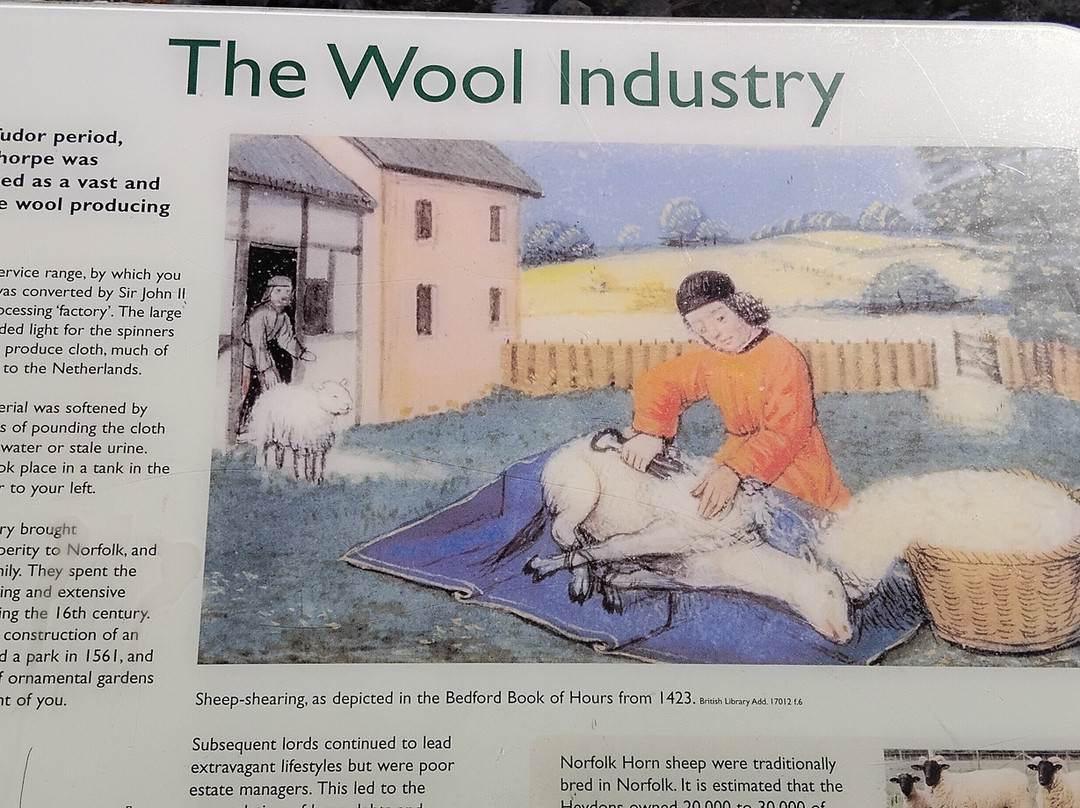
Although the Heydons gained their initial wealth through the legal profession, it was the wool industry that eventually provided the bulk of their wealth. By the Tudor period, Baconsthorpe was established as a vast and profitable wool-producing estate.
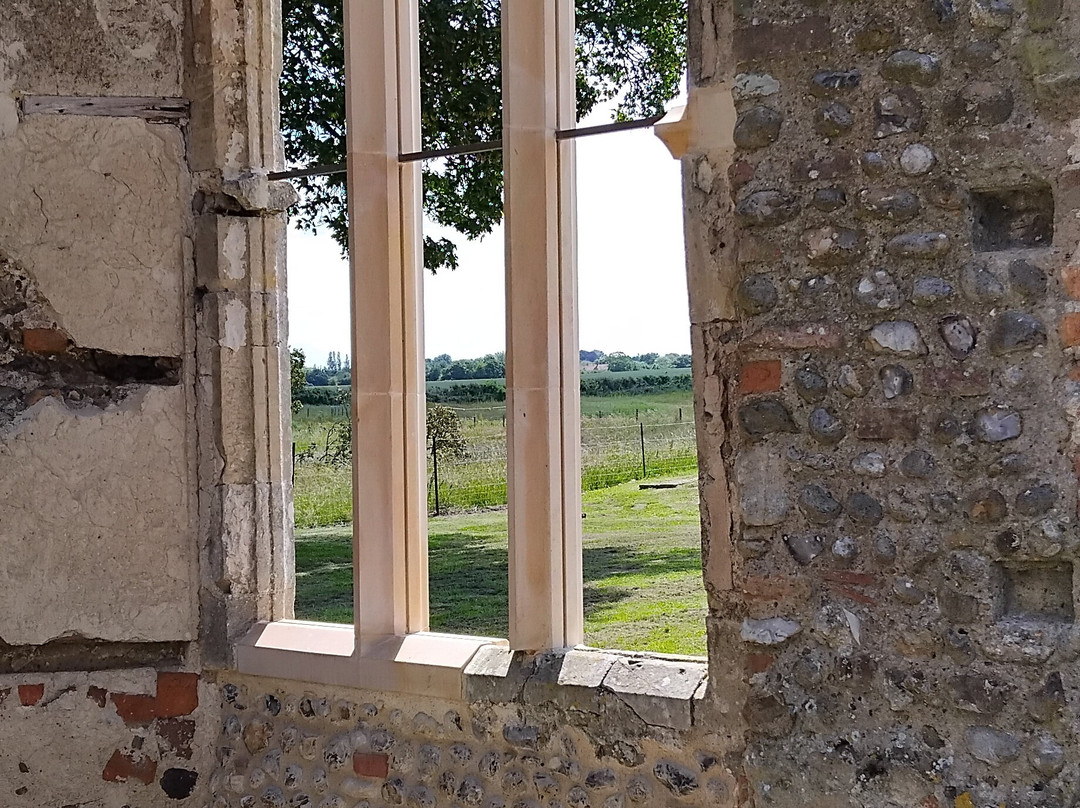
Sir John Heydon II (1470-1550) converted the eastern service range of the castle into a wool processing ‘factory’. Large windows provided light for the spinners and weavers to produce cloth.
The textile industry brought considerable prosperity to the Heydon family, whose cloth was sold in both England and the Netherlands. Sir Christopher Heydon (1518-1579) once entertained 30 head shepherds of his own flocks at Christmas dinner, which suggests that there were 20,000 to 30,000 on his lands.
Profits were spent on lavish living and extensive building works during the 16th century, including the construction of the outer gatehouse and a park in 1561.
Despite the immense wealth they acquired from the wool industry, the Heydons were poor estate managers. Christopher Heydon died in 1579 having accumulated large debts, forcing his son, William, to sell off parts of Baconsthorpe.
Yet the Heydons continued to spent large amounts on the castle. In the late 16th or early 17th century, an ornamental mere was created on the eastern arm of the moat, and the formal gardens which have been recorded on the estate were also probably created at this time.
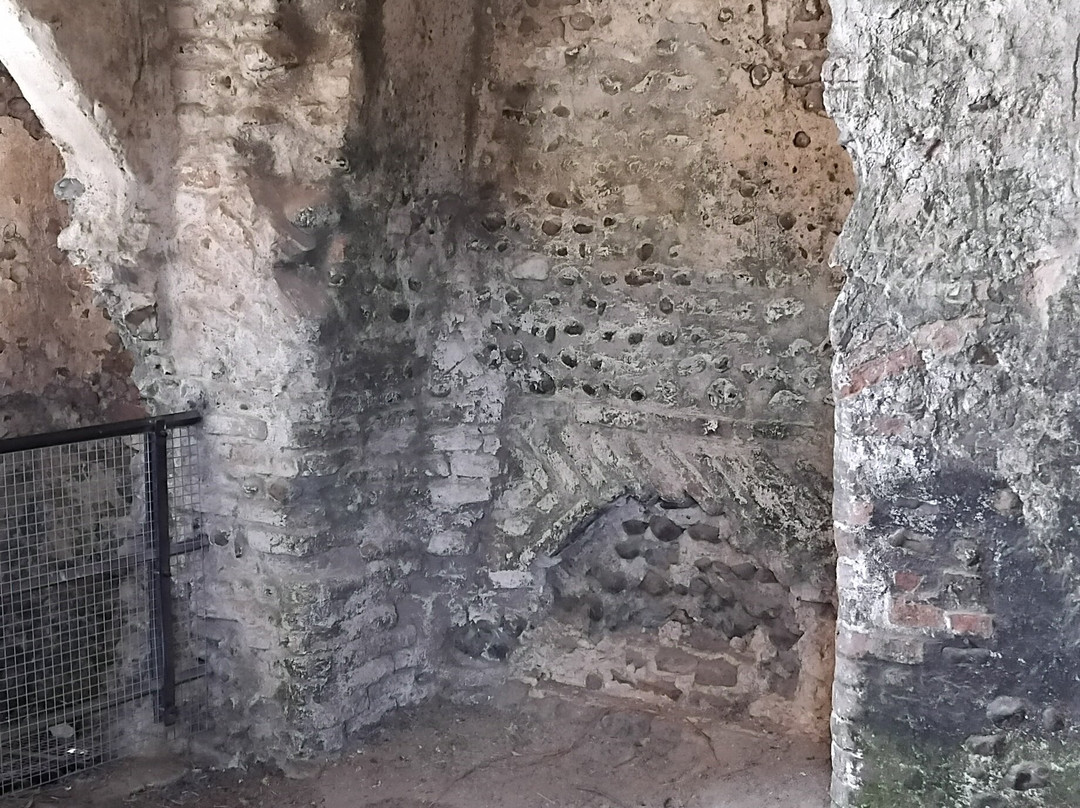
By the mid-17th century the insolvency of successive Heydons forced them to try to pay off their debts by demolishing much of the castle and selling off the materials to be reused in buildings elsewhere. The stained glass Heydon shields were removed from the banqueting hall, and can now be seen in the windows of the south aisle of Baconsthorpe Church.
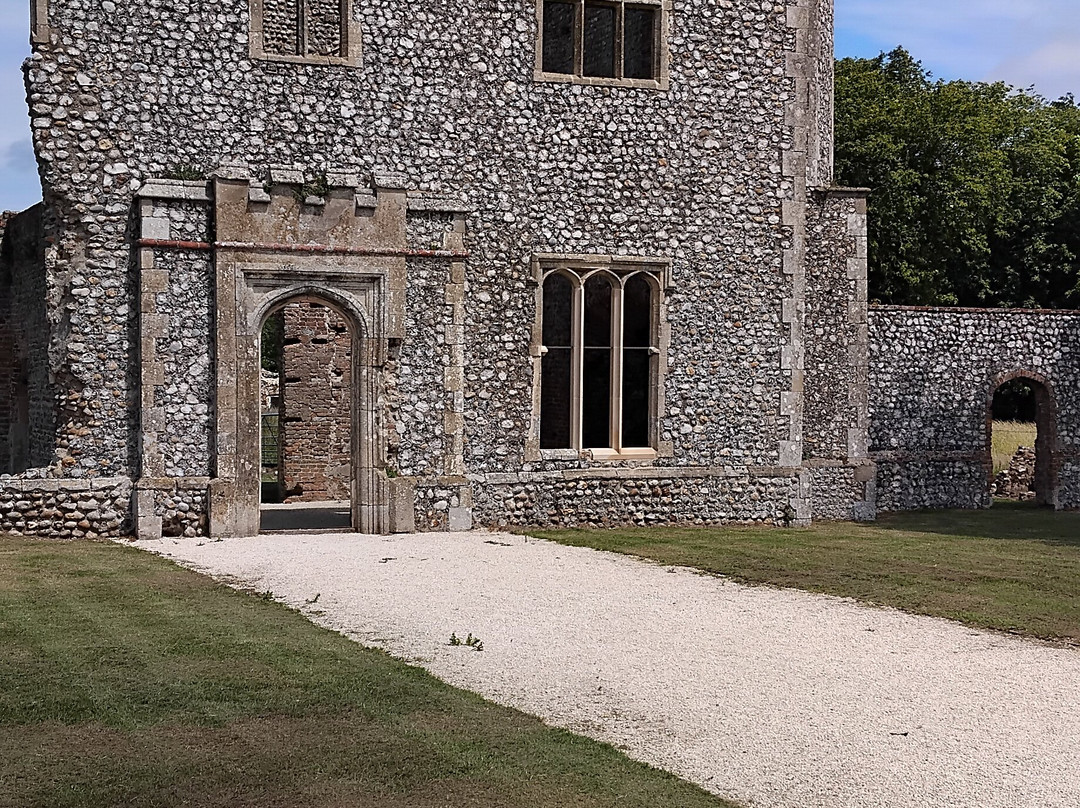
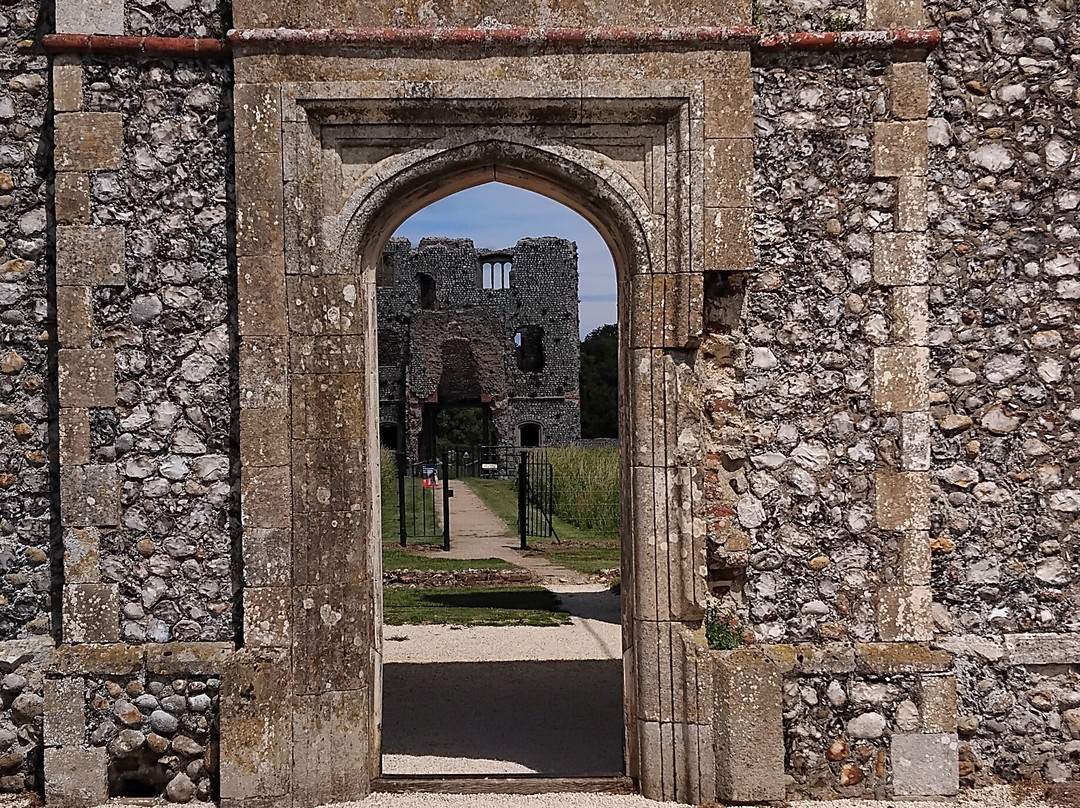
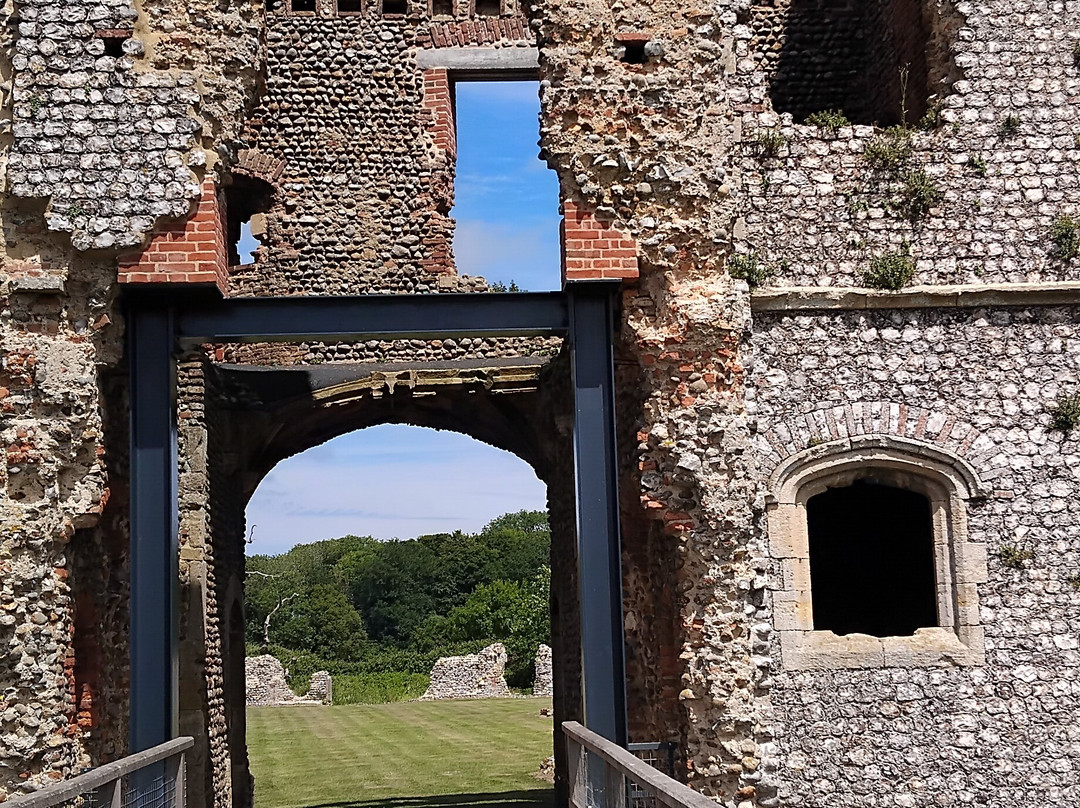
The outer gatehouse survived and was converted into a private dwelling, known as Baconsthorpe Hall. It remained occupied until 1920, when one of the turrets collapsed. Today it is just a ruin like the castle.
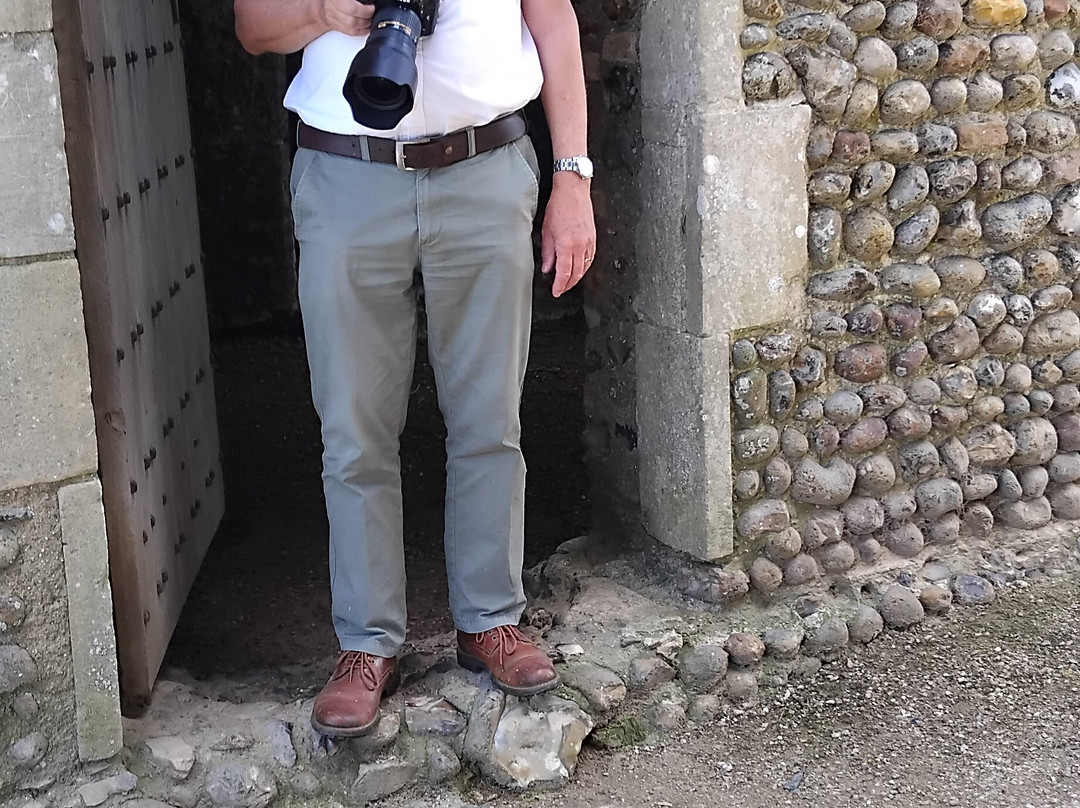
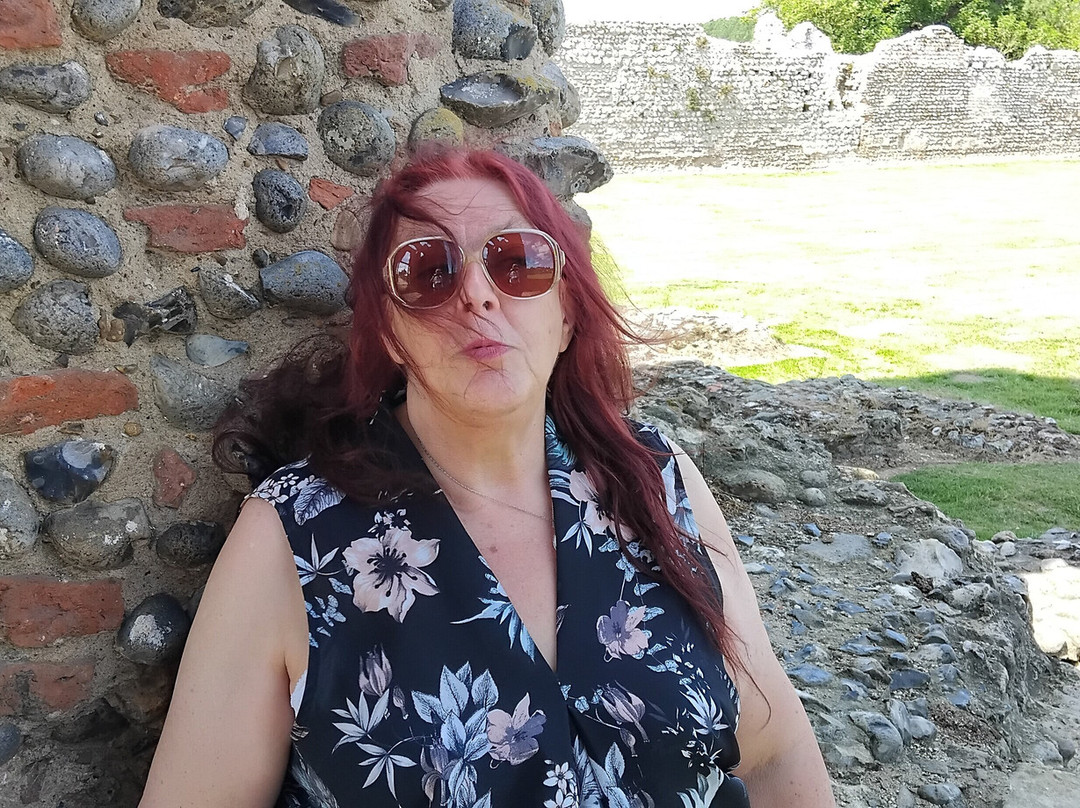
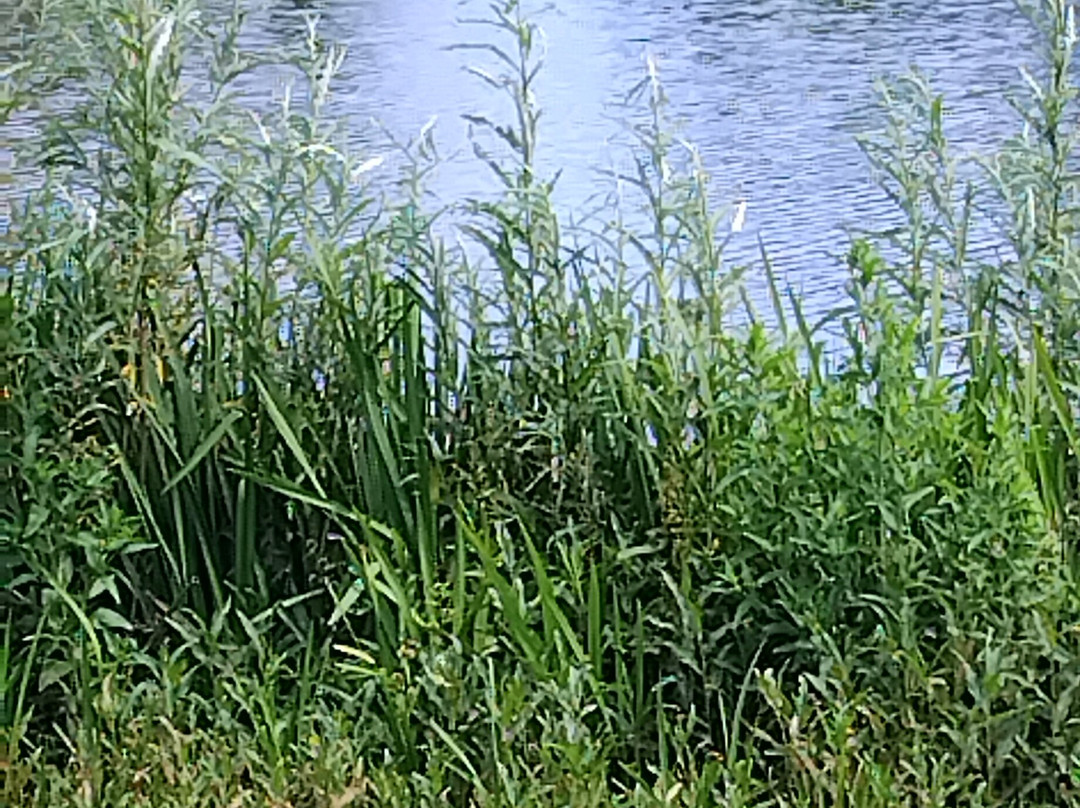
My husband and I wandered round this lovely castle ruin and took lots of photographs. The moat still exists and leads to a mere pool on which a family of white swans were swimming with five babies. The male swan even came out of the water and posed for my husband to take a photo of him.
PLEASE NOTE: THE CAR PARK GRAVEL IS LOSE AND CAN PILE UP BEHIND YOUR CAR AND MAKE IT DIFFICULT TO DRIVE OUT
The site of Baconsthorpe was acquired from the Bacon family in the early 15th century by William Baxter, a free yeoman.
The earliest castle building, the inner gatehouse, was begun by William’s son, John (d.1479), a lawyer who had risen to prominence as a supporter and agent of William de la Pole, 1st Duke of Suffolk. He changed the family name to Heydon to disguise his comparatively lowly origins.
During the turbulent Wars of the Roses (1455–85), when Yorkists and Lancastrians fought over who should be King of England, John Heydon often switched political allegiances to serve his own ends. He made many enemies, who regarded him as shifty, ruthless and grasping. But cunning lawyer that he was, he always seemed to get the better of them.
From the start, he planned Baconsthorpe to provide his family with an impressive residence to show off their high status as landowners and knights. John’s son, Sir Henry Heydon (d.1504), completed and extended the castle, adding the garden court in the early 16th century. He was knighted at Henry VII’s coronation in 1485 and held several highly responsible positions, which gave the family new status and stability, and allowed his successors to be peaceful and prosperous landlords.
Although the Heydons gained their initial wealth through the legal profession, it was the wool industry that eventually provided the bulk of their wealth. By the Tudor period, Baconsthorpe was established as a vast and profitable wool-producing estate.
Sir John Heydon II (1470-1550) converted the eastern service range of the castle into a wool processing ‘factory’. Large windows provided light for the spinners and weavers to produce cloth.
The textile industry brought considerable prosperity to the Heydon family, whose cloth was sold in both England and the Netherlands. Sir Christopher Heydon (1518-1579) once entertained 30 head shepherds of his own flocks at Christmas dinner, which suggests that there were 20,000 to 30,000 on his lands.
Profits were spent on lavish living and extensive building works during the 16th century, including the construction of the outer gatehouse and a park in 1561.
Despite the immense wealth they acquired from the wool industry, the Heydons were poor estate managers. Christopher Heydon died in 1579 having accumulated large debts, forcing his son, William, to sell off parts of Baconsthorpe.
Yet the Heydons continued to spent large amounts on the castle. In the late 16th or early 17th century, an ornamental mere was created on the eastern arm of the moat, and the formal gardens which have been recorded on the estate were also probably created at this time.
By the mid-17th century the insolvency of successive Heydons forced them to try to pay off their debts by demolishing much of the castle and selling off the materials to be reused in buildings elsewhere. The stained glass Heydon shields were removed from the banqueting hall, and can now be seen in the windows of the south aisle of Baconsthorpe Church.
The outer gatehouse survived and was converted into a private dwelling, known as Baconsthorpe Hall. It remained occupied until 1920, when one of the turrets collapsed. Today it is just a ruin like the castle.
My husband and I wandered round this lovely castle ruin and took lots of photographs. The moat still exists and leads to a mere pool on which a family of white swans were swimming with five babies. The male swan even came out of the water and posed for my husband to take a photo of him.
PLEASE NOTE: THE CAR PARK GRAVEL IS LOSE AND CAN PILE UP BEHIND YOUR CAR AND MAKE IT DIFFICULT TO DRIVE OUT
翻译:2025年6月18日星期四,我和丈夫决定在英格兰遗产委员会的安排下参观培根斯托普城堡。上次我们来到诺福克时本也想来参观,可惜时间不够。培根斯托普城堡有着有趣的历史。
15世纪初,自由自耕农威廉·巴克斯特从培根家族手中购得了培根斯托普这块土地。
最早的城堡建筑——内门楼,是由威廉的儿子约翰(卒于1479年)开始修建的。他是一名律师,因作为萨福克第一代公爵威廉·德·拉·波尔的支持者与代理人而声名鹊起。为了掩盖自己出身低微的事实,他将姓氏改为“海顿”。
在动荡不安的玫瑰战争期间(1455–1485年),约克派与兰开斯特派为争夺英格兰王位而争斗不休。约翰·海顿常常为了自身利益而频繁改变政治立场。他因此树敌众多,人们认为他狡猾、冷酷且贪得无厌。不过,身为一名精明老练的律师,他似乎总能占上风,战胜他们。
从一开始,他建造培根斯托普城堡的目的就是为家人提供一个气派的居所,以彰显他们作为地主和骑士的显赫地位。约翰的儿子亨利·海登爵士(卒于1504年)完成了城堡的建造并进行了扩建,于16世纪初增建了花园庭院。亨利七世于1485年加冕时册封他为爵士,此后他还担任了多个要职,这些都为家族带来了新的地位与稳定性。他使得后继者们能够成为安宁且富庶的地主。
虽然海德恩家族最初是通过从事法律行业积累财富的,但最终为其带来巨额财富的却是羊毛产业。到了都铎王朝时期,培根斯托普已发展成为一个规模庞大且盈利丰厚的羊毛生产庄园。
约翰·海德恩二世爵士(1470-1550)将城堡东侧的附属建筑群改造成了一座羊毛加工“工厂”。大窗户为纺纱工和织布工提供了充足的光线,使他们能够生产布料。
纺织业给海顿家族带来了巨大的繁荣,他们的布料在英格兰和荷兰都有销售。克里斯托弗·海顿爵士(1518-1579)曾在圣诞节宴请了30名自己牧群中的牧羊长,由此可以推测他的领地内约有2万至3万只羊。
16世纪期间,这些利润被用来维持奢华的生活以及进行大规模的建筑工程。包括1561年时对外门楼及公园的修建。
尽管从羊毛产业中获得了巨额财富,海顿家族却不擅长管理产业。克里斯托弗·海顿于1579年去世时背负着大量债务,迫使其子威廉不得不变卖贝肯斯托普庄园的部分地产。
然而,海顿家族仍继续在城堡上投入大量资金。16世纪末或17世纪初,人们在护城河的东侧修建了一处景观池塘。当时,庄园内有记载的那些规整的花园很可能也是在此时修建的。
到了17世纪中叶,海顿家族接连陷入财政困境,为了偿还债务,他们不得不拆毁城堡的大部分建筑,将建筑材料出售以供其他地方的建筑使用。原本位于宴会厅内的带有海顿家族徽章的彩绘玻璃窗也被拆除,如今这些玻璃窗则镶嵌在培根斯托普教堂南侧走道的窗户上。外侧的门楼保存了下来,后被改作私人住宅,即如今的贝肯斯托普庄园。该住宅一直有人居住至1920年,后来其中一个塔楼倒塌了。如今,它和城堡本身一样,也只剩一片废墟。
我和丈夫漫步在这片迷人的城堡废墟中,拍下了许多照片。护城河依然存在,它通向一个小池塘,有一窝白天鹅正带着五只幼鸟在池塘中嬉水。那只公天鹅甚至还从水中上岸,摆好姿势让丈夫为它拍照。请注意:停车场的碎石较为松散,可能会堆积在您的车后,导致难以驶出。
15世纪初,自由自耕农威廉·巴克斯特从培根家族手中购得了培根斯托普这块土地。
最早的城堡建筑——内门楼,是由威廉的儿子约翰(卒于1479年)开始修建的。他是一名律师,因作为萨福克第一代公爵威廉·德·拉·波尔的支持者与代理人而声名鹊起。为了掩盖自己出身低微的事实,他将姓氏改为“海顿”。
在动荡不安的玫瑰战争期间(1455–1485年),约克派与兰开斯特派为争夺英格兰王位而争斗不休。约翰·海顿常常为了自身利益而频繁改变政治立场。他因此树敌众多,人们认为他狡猾、冷酷且贪得无厌。不过,身为一名精明老练的律师,他似乎总能占上风,战胜他们。
从一开始,他建造培根斯托普城堡的目的就是为家人提供一个气派的居所,以彰显他们作为地主和骑士的显赫地位。约翰的儿子亨利·海登爵士(卒于1504年)完成了城堡的建造并进行了扩建,于16世纪初增建了花园庭院。亨利七世于1485年加冕时册封他为爵士,此后他还担任了多个要职,这些都为家族带来了新的地位与稳定性。他使得后继者们能够成为安宁且富庶的地主。
虽然海德恩家族最初是通过从事法律行业积累财富的,但最终为其带来巨额财富的却是羊毛产业。到了都铎王朝时期,培根斯托普已发展成为一个规模庞大且盈利丰厚的羊毛生产庄园。
约翰·海德恩二世爵士(1470-1550)将城堡东侧的附属建筑群改造成了一座羊毛加工“工厂”。大窗户为纺纱工和织布工提供了充足的光线,使他们能够生产布料。
纺织业给海顿家族带来了巨大的繁荣,他们的布料在英格兰和荷兰都有销售。克里斯托弗·海顿爵士(1518-1579)曾在圣诞节宴请了30名自己牧群中的牧羊长,由此可以推测他的领地内约有2万至3万只羊。
16世纪期间,这些利润被用来维持奢华的生活以及进行大规模的建筑工程。包括1561年时对外门楼及公园的修建。
尽管从羊毛产业中获得了巨额财富,海顿家族却不擅长管理产业。克里斯托弗·海顿于1579年去世时背负着大量债务,迫使其子威廉不得不变卖贝肯斯托普庄园的部分地产。
然而,海顿家族仍继续在城堡上投入大量资金。16世纪末或17世纪初,人们在护城河的东侧修建了一处景观池塘。当时,庄园内有记载的那些规整的花园很可能也是在此时修建的。
到了17世纪中叶,海顿家族接连陷入财政困境,为了偿还债务,他们不得不拆毁城堡的大部分建筑,将建筑材料出售以供其他地方的建筑使用。原本位于宴会厅内的带有海顿家族徽章的彩绘玻璃窗也被拆除,如今这些玻璃窗则镶嵌在培根斯托普教堂南侧走道的窗户上。外侧的门楼保存了下来,后被改作私人住宅,即如今的贝肯斯托普庄园。该住宅一直有人居住至1920年,后来其中一个塔楼倒塌了。如今,它和城堡本身一样,也只剩一片废墟。
我和丈夫漫步在这片迷人的城堡废墟中,拍下了许多照片。护城河依然存在,它通向一个小池塘,有一窝白天鹅正带着五只幼鸟在池塘中嬉水。那只公天鹅甚至还从水中上岸,摆好姿势让丈夫为它拍照。请注意:停车场的碎石较为松散,可能会堆积在您的车后,导致难以驶出。

© 2026 Tripadvisor 版权所有。
部分照片由 VFM Leonardo 提供。
TripAdvisor公司对外部网站的内容一概不负责。优惠价格中不含税和其他费用。
ICP证:沪B2-20200433
沪ICP备20013175号
 沪公网安备31010502005427号
鹰程信息技术(上海)有限公司