下载App
资质规则
旅行
账户

500TourOperator
Mount Kilimanjaro a top of highest peak in Africa, breathtaking sunrises, and sweeping panoramic views
Mount Kilimanjaro的点评
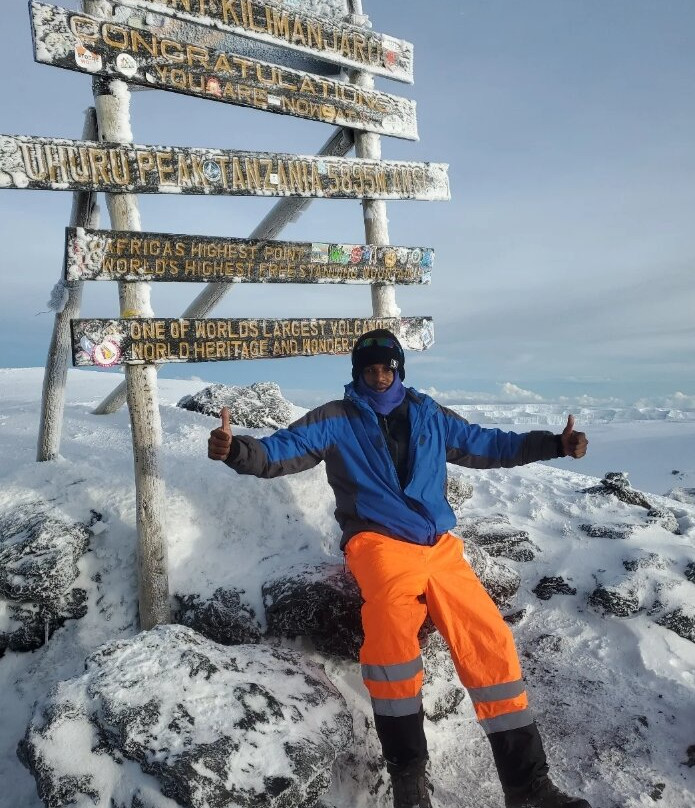
点评:Climbing Mount Kilimanjaro is an extraordinary adventure that combines breathtaking natural beauty, personal challenge, and cultural immersion. Standing at 5,895 meters (19,341 feet), it is Africa’s tallest peak, the highest free-standing mountain in the world, and one of the Seven Summits for mountaineers to conquer.
Scenery and Environment
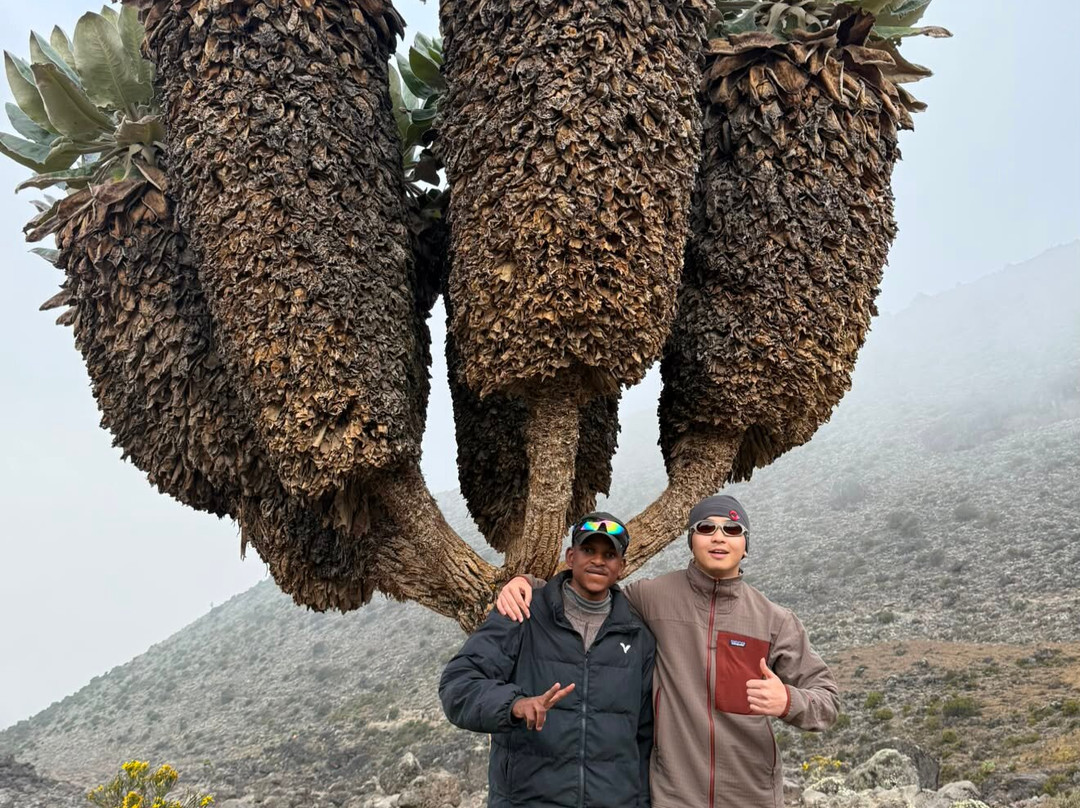
Kilimanjaro offers a stunning progression through five distinct ecological zones: tropical rainforest, heath and moorland, alpine desert, and the icy summit zone. Each day presents dramatically changing landscapes—from lush forests alive with birds and wildlife to the stark, otherworldly deserts that gradually give way to glaciers and snow-capped peaks. The sunrise at Uhuru Peak, viewed from above the clouds, is often described as a life-altering moment, unforgettable in its majesty.
Routes and Trekking Experience
There are seven established routes to the summit, including popular options like Machame (“Whiskey Route”), Lemosho, Marangu (“Coca-Cola Route”), Rongai, Umbwe, Shira, and the Northern Circuit. The Lemosho and Machame routes are noted for scenic diversity and achieving higher summit success through proper acclimatization; Marangu offers cabin-style accommodation but a lower success rate due to shorter duration. Most treks range from 5 to 9 days, with summit day demanding 12–14 hours of strenuous hiking. Despite its daunting elevation, Kilimanjaro is a non-technical climb, requiring no ropes or ice axes, making it accessible to fit adventurers with thoughtful preparation.
Guides and Support
One of the most consistently praised aspects is the professionalism and dedication of the guides, porters, and chefs. Climbers frequently highlight how guides monitor oxygen levels, set pacing for acclimatization, and provide morale boosts—critical for summit success. Porters manage the logistics of camps and equipment with efficiency, often going unnoticed but forming the backbone of the experience. Chefs serve fresh, satisfying meals daily, making high-altitude trekking far more comfortable and enjoyable.
Challenges
Altitude sickness remains the greatest risk, potentially affecting even experienced hikers. Temperature extremes—from tropical warmth at the base to potentially -20°C at the summit—demand proper layering and careful preparation. Summit night, often starting around midnight, is physically and mentally taxing, with thin air, steep inclines, and frigid temperatures challenging even the most determined.
Rewards
The rewards of Kilimanjaro extend beyond the summit. Visitors speak of the profound sense of achievement, the beauty of landscapes that shift dramatically with altitude, and the bonds formed with fellow climbers and the support team. Wildlife sightings near the mountain, including encounters with elephants, giraffes, and monkeys, enrich the journey. Trekking Kilimanjaro therefore combines adventure, natural wonder, and cultural exposure to Tanzania's Chagga communities.
Practical Advice
Training and preparation: Three or more months of cardio, leg stamina, and hiking experience is advised.
Timing: Dry seasons (January–March and June–October) provide the best conditions for summit views and trail safety.
Permits and guides: Tanzanian law requires licensed guides and permits. Choose reputable tour operators with good reviews.
Gear: Warm layers, waterproofs, trekking poles, and sturdy boots are essential. Supplemental oxygen may be available for contingency.
Acclimatization: Following “pole pole” (slow, steady) pacing ensures higher success and safety.
Climbing Mount Kilimanjaro requires paying mandatory park fees, typically totaling around $970–$1,000 per person for a standard 7-day climb, with the busiest climbs occurring on popular routes like Machame, Lemosho, and Marangu.
Admission Fees (2026 Rates)
The costs for climbing Mount Kilimanjaro are primarily associated with Kilimanjaro National Park fees, which are mandatory for all climbers:
Conservation Fee: $70 per person per day for adults (ages 16+) and $20 per day for children (5–15 years)
2
. This supports trail maintenance, park operations, rangers, and ecosystem conservation.
Overnight Fees: Dependent on route:
Camping Fee: $50 per person per night (Machame, Lemosho, Umbwe, Rongai, Northern Circuit)
2
.
Hut Fee: $60 per person per night (Marangu Route only)
1
.
Rescue Fee: One-time fee of $20 per trip to support park emergency services
2
.
Crew/Support Fees: Costs for guides, porters, and cooks, usually covered by the tour operator.
VAT: 18% is added to most fee components.
Optional Add-ons: Crater Camp near the summit may incur extra charges.
2 Sources
Example: A 7-day Lemosho climb: conservation fee $490 + camping $300 + rescue $20 = ~$810 before VAT, totaling roughly $970–$1,000 per climber
Climbing Kilimanjaro+1
. Full climbs including crew, food, lodging pre- and post-climb, tips, and gear can cost $2,300–$5,000 per person
Much Better Adventures
Crowd Sizes
While exact numbers fluctuate daily, crowd sizes depend on route choice and season:
Popular Routes: Machame, Lemosho, Marangu, and Rongai have higher traffic, especially during July, August, and December–January peak periods, sometimes with 10–20 climbers per guide in mid-range climbs
Smaller Groups: Ethical and premium operators often limit group sizes to ~12 climbers, improving summit success chances and reducing congestion.
Off-Peak Climbing: May provide a quieter experience but weather and trail conditions can be less predictable.
Summit Crowding: Even on reduced group sizes, the final ascent may experience temporary bottle-necking due to summit coordination along the Marangu and Machame routes
Conclusion
Mount Kilimanjaro is more than a hike—it’s a transformative journey. The combination of diverse landscapes, the thrill of high-altitude trekking, and professional support make it one of the most approachable peaks for a serious adventure while still offering the profound challenge and reward associated with the world’s tallest free-standing mountain. Whether for personal achievement, scenic photography, or bucket-list fulfillment, Kilimanjaro delivers a once-in-a-lifetime experience that climbers remember forever.
Climbing Kilimanjaro is, unequivocally, challenging, humbling, and exhilarating—the quintessence of an epic adventure that leaves you standing above the clouds and gazing at the world from Africa’s highest point.
Scenery and Environment
Kilimanjaro offers a stunning progression through five distinct ecological zones: tropical rainforest, heath and moorland, alpine desert, and the icy summit zone. Each day presents dramatically changing landscapes—from lush forests alive with birds and wildlife to the stark, otherworldly deserts that gradually give way to glaciers and snow-capped peaks. The sunrise at Uhuru Peak, viewed from above the clouds, is often described as a life-altering moment, unforgettable in its majesty.
Routes and Trekking Experience
There are seven established routes to the summit, including popular options like Machame (“Whiskey Route”), Lemosho, Marangu (“Coca-Cola Route”), Rongai, Umbwe, Shira, and the Northern Circuit. The Lemosho and Machame routes are noted for scenic diversity and achieving higher summit success through proper acclimatization; Marangu offers cabin-style accommodation but a lower success rate due to shorter duration. Most treks range from 5 to 9 days, with summit day demanding 12–14 hours of strenuous hiking. Despite its daunting elevation, Kilimanjaro is a non-technical climb, requiring no ropes or ice axes, making it accessible to fit adventurers with thoughtful preparation.
Guides and Support
One of the most consistently praised aspects is the professionalism and dedication of the guides, porters, and chefs. Climbers frequently highlight how guides monitor oxygen levels, set pacing for acclimatization, and provide morale boosts—critical for summit success. Porters manage the logistics of camps and equipment with efficiency, often going unnoticed but forming the backbone of the experience. Chefs serve fresh, satisfying meals daily, making high-altitude trekking far more comfortable and enjoyable.
Challenges
Altitude sickness remains the greatest risk, potentially affecting even experienced hikers. Temperature extremes—from tropical warmth at the base to potentially -20°C at the summit—demand proper layering and careful preparation. Summit night, often starting around midnight, is physically and mentally taxing, with thin air, steep inclines, and frigid temperatures challenging even the most determined.
Rewards
The rewards of Kilimanjaro extend beyond the summit. Visitors speak of the profound sense of achievement, the beauty of landscapes that shift dramatically with altitude, and the bonds formed with fellow climbers and the support team. Wildlife sightings near the mountain, including encounters with elephants, giraffes, and monkeys, enrich the journey. Trekking Kilimanjaro therefore combines adventure, natural wonder, and cultural exposure to Tanzania's Chagga communities.
Practical Advice
Training and preparation: Three or more months of cardio, leg stamina, and hiking experience is advised.
Timing: Dry seasons (January–March and June–October) provide the best conditions for summit views and trail safety.
Permits and guides: Tanzanian law requires licensed guides and permits. Choose reputable tour operators with good reviews.
Gear: Warm layers, waterproofs, trekking poles, and sturdy boots are essential. Supplemental oxygen may be available for contingency.
Acclimatization: Following “pole pole” (slow, steady) pacing ensures higher success and safety.
Climbing Mount Kilimanjaro requires paying mandatory park fees, typically totaling around $970–$1,000 per person for a standard 7-day climb, with the busiest climbs occurring on popular routes like Machame, Lemosho, and Marangu.
Admission Fees (2026 Rates)
The costs for climbing Mount Kilimanjaro are primarily associated with Kilimanjaro National Park fees, which are mandatory for all climbers:
Conservation Fee: $70 per person per day for adults (ages 16+) and $20 per day for children (5–15 years)
2
. This supports trail maintenance, park operations, rangers, and ecosystem conservation.
Overnight Fees: Dependent on route:
Camping Fee: $50 per person per night (Machame, Lemosho, Umbwe, Rongai, Northern Circuit)
2
.
Hut Fee: $60 per person per night (Marangu Route only)
1
.
Rescue Fee: One-time fee of $20 per trip to support park emergency services
2
.
Crew/Support Fees: Costs for guides, porters, and cooks, usually covered by the tour operator.
VAT: 18% is added to most fee components.
Optional Add-ons: Crater Camp near the summit may incur extra charges.
2 Sources
Example: A 7-day Lemosho climb: conservation fee $490 + camping $300 + rescue $20 = ~$810 before VAT, totaling roughly $970–$1,000 per climber
Climbing Kilimanjaro+1
. Full climbs including crew, food, lodging pre- and post-climb, tips, and gear can cost $2,300–$5,000 per person
Much Better Adventures
Crowd Sizes
While exact numbers fluctuate daily, crowd sizes depend on route choice and season:
Popular Routes: Machame, Lemosho, Marangu, and Rongai have higher traffic, especially during July, August, and December–January peak periods, sometimes with 10–20 climbers per guide in mid-range climbs
Smaller Groups: Ethical and premium operators often limit group sizes to ~12 climbers, improving summit success chances and reducing congestion.
Off-Peak Climbing: May provide a quieter experience but weather and trail conditions can be less predictable.
Summit Crowding: Even on reduced group sizes, the final ascent may experience temporary bottle-necking due to summit coordination along the Marangu and Machame routes
Conclusion
Mount Kilimanjaro is more than a hike—it’s a transformative journey. The combination of diverse landscapes, the thrill of high-altitude trekking, and professional support make it one of the most approachable peaks for a serious adventure while still offering the profound challenge and reward associated with the world’s tallest free-standing mountain. Whether for personal achievement, scenic photography, or bucket-list fulfillment, Kilimanjaro delivers a once-in-a-lifetime experience that climbers remember forever.
Climbing Kilimanjaro is, unequivocally, challenging, humbling, and exhilarating—the quintessence of an epic adventure that leaves you standing above the clouds and gazing at the world from Africa’s highest point.
翻译:攀登乞力马扎罗山是一场非同寻常的冒险之旅,它融合了令人叹为观止的自然美景、对个人意志的考验以及多元文化的体验。这座山峰海拔5,895米(19,341英尺),是非洲最高的山峰,也是世界上最高的独立山峰,同时还是登山爱好者们渴望征服的“世界七大高峰”之一。
自然景观与生态环境
攀登过程中,游客将依次穿越五个截然不同的生态区域:热带雨林、灌丛与荒原地带,以及高山荒漠。以及冰封的峰顶地带。每日的景色都在发生着戏剧性的变化——从鸟语花香、野生动物栖息的茂密森林,到荒凉得宛如异星之地的荒漠,后者又逐渐过渡为冰川与白雪覆盖的山峰。从云层之上俯瞰乌呼鲁峰的日出景象,常被形容为改变人生的时刻,其壮丽景象令人终生难忘。
路线与徒步体验
通往峰顶的路线共有七条,其中包括颇受欢迎的马查梅路线(“威士忌路线”)和莱莫肖路线等。马朗古路线(“可口可乐路线”)、隆盖路线、翁布韦路线、希拉路线以及北部环线。莱莫绍路线和马查梅路线以景色多样著称,且由于登山者能有充足时间适应高海拔环境,登顶成功率也更高;马朗古路线虽提供木屋式住宿,但由于行程时间较短,登顶成功率则相对较低。大多数登山行程需要5至9天时间,而登顶当天则需连续徒步12至14个小时。尽管乞力马扎罗山海拔极高,但它属于非技术性攀登路线,无需使用绳索或冰镐。这使得经过充分准备的冒险者也能顺利完成攀登。
向导与支援团队
最受赞誉的一点便是向导、背夫以及厨师的专业素养与敬业精神。登山者们常常提到,向导会密切监测氧气水平、合理安排适应节奏,并鼓舞队员士气——这些对成功登顶至关重要。背夫们则高效处理营地搭建与装备管理事宜;虽然他们往往不为人所注意,却是整个登山体验得以顺利进行的基石。厨师们每日烹制新鲜可口的餐食,让高海拔徒步变得更加舒适愉快。
挑战
高原反应仍是最大的风险,即便是经验丰富的徒步者也可能受到影响。气温变化极大——山脚处温暖如热带气候,而山顶温度可能低至零下20摄氏度——因此必须合理穿搭衣物并做好充分准备。登顶之夜通常从午夜开始,此时空气稀薄、坡度陡峭,对体力和精神都是极大的考验。严寒的低温甚至对意志最坚定的人也是一种考验。
回报
攀登乞力马扎罗山的回报远不止登上山顶这一刻。攀登者们纷纷表示,那种成就感无与伦比;随着海拔升高,沿途的风景也变幻无穷、美不胜收;与同行者及后勤团队之间建立的深厚情谊更是珍贵。在山附近还常能见到各种野生动物,如大象、长颈鹿和猴子,为整个旅程增添了别样的乐趣。因此,攀登乞力马扎罗山是一场融合了冒险与自然奇观的体验。体验坦桑尼亚查加族的文化与风土人情。
实用建议
训练与准备:建议提前三个月以上进行有氧运动、腿部力量训练以及徒步训练。
最佳时节:旱季(1月至3月及6月至10月)是观赏山顶景色并确保徒步安全的最佳时期。
许可证与向导:根据坦桑尼亚法律规定,必须聘请持有执照的向导并办理相关许可证。请选择口碑良好、评价优秀的旅行社。
装备准备:保暖衣物、防水装备、登山杖以及结实的靴子都是必不可少的。在紧急情况下,可提供补充氧气。
适应训练:以“慢而稳”的节奏进行训练,能显著提高成功率并确保安全。
攀登乞力马扎罗山需要缴纳规定的公园费用,对于常规的7天攀登行程而言,每人需支付的费用约为970至1,000美元。其中,马查梅路线、莱莫绍路线和马朗古路线是最受欢迎的攀登路线。入场费(2026年收费标准)
攀登乞力马扎罗山的费用主要涉及乞力马扎罗国家公园的入园费,所有登山者都必须缴纳此费用:
环境保护费:成年人(16岁及以上)每人每天70美元;儿童(5至15岁)每人每天20美元。该费用用于徒步路线的维护、公园运营、护林员工作以及生态系统保护。
过夜费用:根据所选路线而定:
露营费:每人每晚50美元(适用于马切梅、莱莫绍、翁布韦、隆盖及北部环线路线)。帐篷费用:每人每晚60美元(仅适用于马兰古路线)
1.
救援费用:每次行程需支付20美元,用于支持公园的紧急救援服务。
2.
向导及后勤人员费用:包括向导、搬运工和厨师的费用,通常由旅行社承担。
增值税:大多数费用项目均需加收18%的增值税。
可选附加服务:位于峰顶附近的火山口营地可能会产生额外费用。
参考资料来源:
示例:一次为期7天的勒莫肖路线攀登行程:环境保护费490美元 + 露营费300美元 + 救援费20美元 = 增值税前费用约810美元,最终总费用约为970至1,000美元左右。每位登山者费用:000
攀登乞力马扎罗山+1
全程攀登服务包含登山队、餐饮、登山前后的住宿、小费以及装备,费用约为每人2,300至5,000美元。
Much Better Adventures
人数规模
虽然具体人数每日有所变化,但登山者数量取决于所选路线及季节:
热门路线:马查梅路线、莱莫绍路线、马朗古路线及龙盖路线的登山者较多,尤其在7月、8月以及12月至1月的旺季期间。有时,在难度适中的攀登活动中,每名向导需要带领10至20名登山者。
小团队模式:注重道德规范且定位高端的旅行社通常会将团队规模控制在约12人左右,这样既能提高登顶成功率,又能减少人多拥挤的情况。
淡季攀登:虽然能享受更为宁静的登山体验,但天气和路况可能较难预测。
登顶点拥挤问题:即便缩减了团队规模,。在马拉古和马查梅两条路线上,最后一段攀登过程可能会因山顶地区的协调工作而出现短暂的拥堵现象。
结语
攀登乞力马扎罗山不仅仅是一段徒步之旅,更是一次充满变革意义的体验。多样的自然景观、高海拔徒步的刺激感以及专业团队的全程支持,使得这里成为最适合初学者尝试的顶级攀登目的地;同时,作为世界上最高的独立山峰,它依然能带来极具挑战性且值得铭记的成就感。无论是为了个人成就、拍摄壮丽风景,还是完成毕生心愿,乞力马扎罗山都能带来一生仅此一次的体验,让登山者终生难忘。
攀登乞力马扎罗山无疑是一项充满挑战、令人谦卑却又令人心潮澎湃的壮举——这是一场真正的史诗级冒险,能让你站在云层之上,从非洲的最高点俯瞰整个世界。
自然景观与生态环境
攀登过程中,游客将依次穿越五个截然不同的生态区域:热带雨林、灌丛与荒原地带,以及高山荒漠。以及冰封的峰顶地带。每日的景色都在发生着戏剧性的变化——从鸟语花香、野生动物栖息的茂密森林,到荒凉得宛如异星之地的荒漠,后者又逐渐过渡为冰川与白雪覆盖的山峰。从云层之上俯瞰乌呼鲁峰的日出景象,常被形容为改变人生的时刻,其壮丽景象令人终生难忘。
路线与徒步体验
通往峰顶的路线共有七条,其中包括颇受欢迎的马查梅路线(“威士忌路线”)和莱莫肖路线等。马朗古路线(“可口可乐路线”)、隆盖路线、翁布韦路线、希拉路线以及北部环线。莱莫绍路线和马查梅路线以景色多样著称,且由于登山者能有充足时间适应高海拔环境,登顶成功率也更高;马朗古路线虽提供木屋式住宿,但由于行程时间较短,登顶成功率则相对较低。大多数登山行程需要5至9天时间,而登顶当天则需连续徒步12至14个小时。尽管乞力马扎罗山海拔极高,但它属于非技术性攀登路线,无需使用绳索或冰镐。这使得经过充分准备的冒险者也能顺利完成攀登。
向导与支援团队
最受赞誉的一点便是向导、背夫以及厨师的专业素养与敬业精神。登山者们常常提到,向导会密切监测氧气水平、合理安排适应节奏,并鼓舞队员士气——这些对成功登顶至关重要。背夫们则高效处理营地搭建与装备管理事宜;虽然他们往往不为人所注意,却是整个登山体验得以顺利进行的基石。厨师们每日烹制新鲜可口的餐食,让高海拔徒步变得更加舒适愉快。
挑战
高原反应仍是最大的风险,即便是经验丰富的徒步者也可能受到影响。气温变化极大——山脚处温暖如热带气候,而山顶温度可能低至零下20摄氏度——因此必须合理穿搭衣物并做好充分准备。登顶之夜通常从午夜开始,此时空气稀薄、坡度陡峭,对体力和精神都是极大的考验。严寒的低温甚至对意志最坚定的人也是一种考验。
回报
攀登乞力马扎罗山的回报远不止登上山顶这一刻。攀登者们纷纷表示,那种成就感无与伦比;随着海拔升高,沿途的风景也变幻无穷、美不胜收;与同行者及后勤团队之间建立的深厚情谊更是珍贵。在山附近还常能见到各种野生动物,如大象、长颈鹿和猴子,为整个旅程增添了别样的乐趣。因此,攀登乞力马扎罗山是一场融合了冒险与自然奇观的体验。体验坦桑尼亚查加族的文化与风土人情。
实用建议
训练与准备:建议提前三个月以上进行有氧运动、腿部力量训练以及徒步训练。
最佳时节:旱季(1月至3月及6月至10月)是观赏山顶景色并确保徒步安全的最佳时期。
许可证与向导:根据坦桑尼亚法律规定,必须聘请持有执照的向导并办理相关许可证。请选择口碑良好、评价优秀的旅行社。
装备准备:保暖衣物、防水装备、登山杖以及结实的靴子都是必不可少的。在紧急情况下,可提供补充氧气。
适应训练:以“慢而稳”的节奏进行训练,能显著提高成功率并确保安全。
攀登乞力马扎罗山需要缴纳规定的公园费用,对于常规的7天攀登行程而言,每人需支付的费用约为970至1,000美元。其中,马查梅路线、莱莫绍路线和马朗古路线是最受欢迎的攀登路线。入场费(2026年收费标准)
攀登乞力马扎罗山的费用主要涉及乞力马扎罗国家公园的入园费,所有登山者都必须缴纳此费用:
环境保护费:成年人(16岁及以上)每人每天70美元;儿童(5至15岁)每人每天20美元。该费用用于徒步路线的维护、公园运营、护林员工作以及生态系统保护。
过夜费用:根据所选路线而定:
露营费:每人每晚50美元(适用于马切梅、莱莫绍、翁布韦、隆盖及北部环线路线)。帐篷费用:每人每晚60美元(仅适用于马兰古路线)
1.
救援费用:每次行程需支付20美元,用于支持公园的紧急救援服务。
2.
向导及后勤人员费用:包括向导、搬运工和厨师的费用,通常由旅行社承担。
增值税:大多数费用项目均需加收18%的增值税。
可选附加服务:位于峰顶附近的火山口营地可能会产生额外费用。
参考资料来源:
示例:一次为期7天的勒莫肖路线攀登行程:环境保护费490美元 + 露营费300美元 + 救援费20美元 = 增值税前费用约810美元,最终总费用约为970至1,000美元左右。每位登山者费用:000
攀登乞力马扎罗山+1
全程攀登服务包含登山队、餐饮、登山前后的住宿、小费以及装备,费用约为每人2,300至5,000美元。
Much Better Adventures
人数规模
虽然具体人数每日有所变化,但登山者数量取决于所选路线及季节:
热门路线:马查梅路线、莱莫绍路线、马朗古路线及龙盖路线的登山者较多,尤其在7月、8月以及12月至1月的旺季期间。有时,在难度适中的攀登活动中,每名向导需要带领10至20名登山者。
小团队模式:注重道德规范且定位高端的旅行社通常会将团队规模控制在约12人左右,这样既能提高登顶成功率,又能减少人多拥挤的情况。
淡季攀登:虽然能享受更为宁静的登山体验,但天气和路况可能较难预测。
登顶点拥挤问题:即便缩减了团队规模,。在马拉古和马查梅两条路线上,最后一段攀登过程可能会因山顶地区的协调工作而出现短暂的拥堵现象。
结语
攀登乞力马扎罗山不仅仅是一段徒步之旅,更是一次充满变革意义的体验。多样的自然景观、高海拔徒步的刺激感以及专业团队的全程支持,使得这里成为最适合初学者尝试的顶级攀登目的地;同时,作为世界上最高的独立山峰,它依然能带来极具挑战性且值得铭记的成就感。无论是为了个人成就、拍摄壮丽风景,还是完成毕生心愿,乞力马扎罗山都能带来一生仅此一次的体验,让登山者终生难忘。
攀登乞力马扎罗山无疑是一项充满挑战、令人谦卑却又令人心潮澎湃的壮举——这是一场真正的史诗级冒险,能让你站在云层之上,从非洲的最高点俯瞰整个世界。

© 2026 Tripadvisor 版权所有。
部分照片由 VFM Leonardo 提供。
TripAdvisor公司对外部网站的内容一概不负责。优惠价格中不含税和其他费用。
ICP证:沪B2-20200433
沪ICP备20013175号
 沪公网安备31010502005427号
鹰程信息技术(上海)有限公司