下载App
资质规则
旅行
账户

Myo M
Fairly comprehensive "through historical timeline" :)
National Museum of History的点评
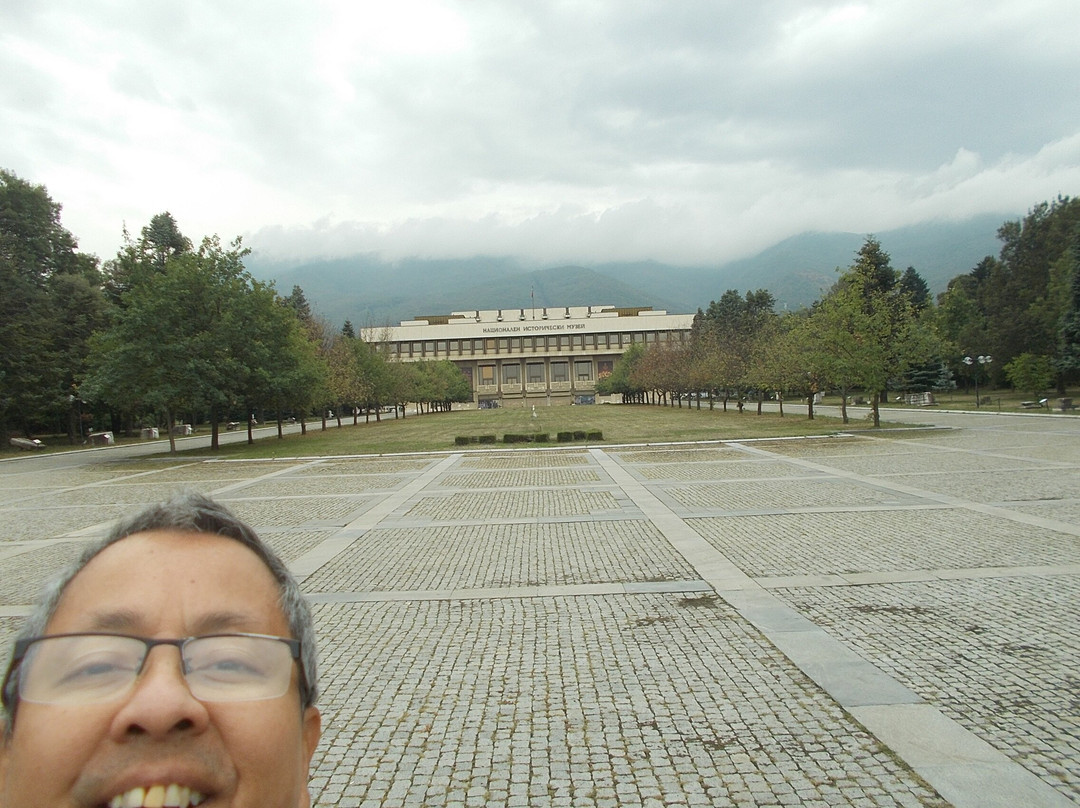
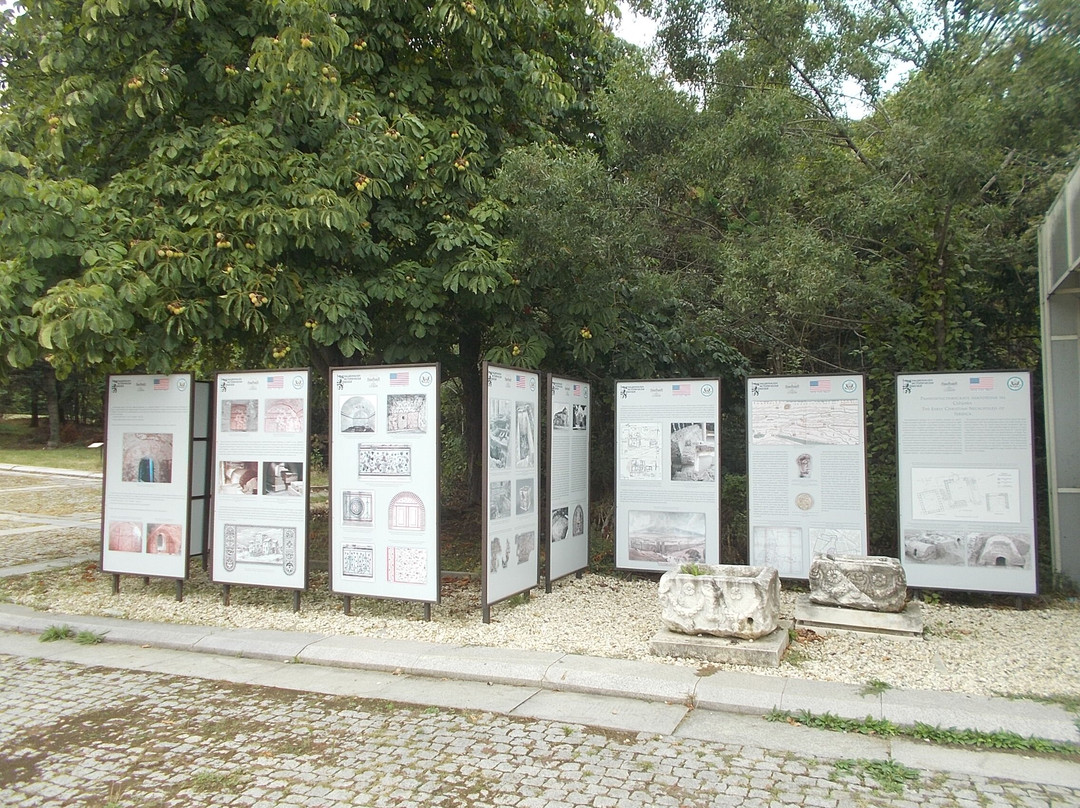
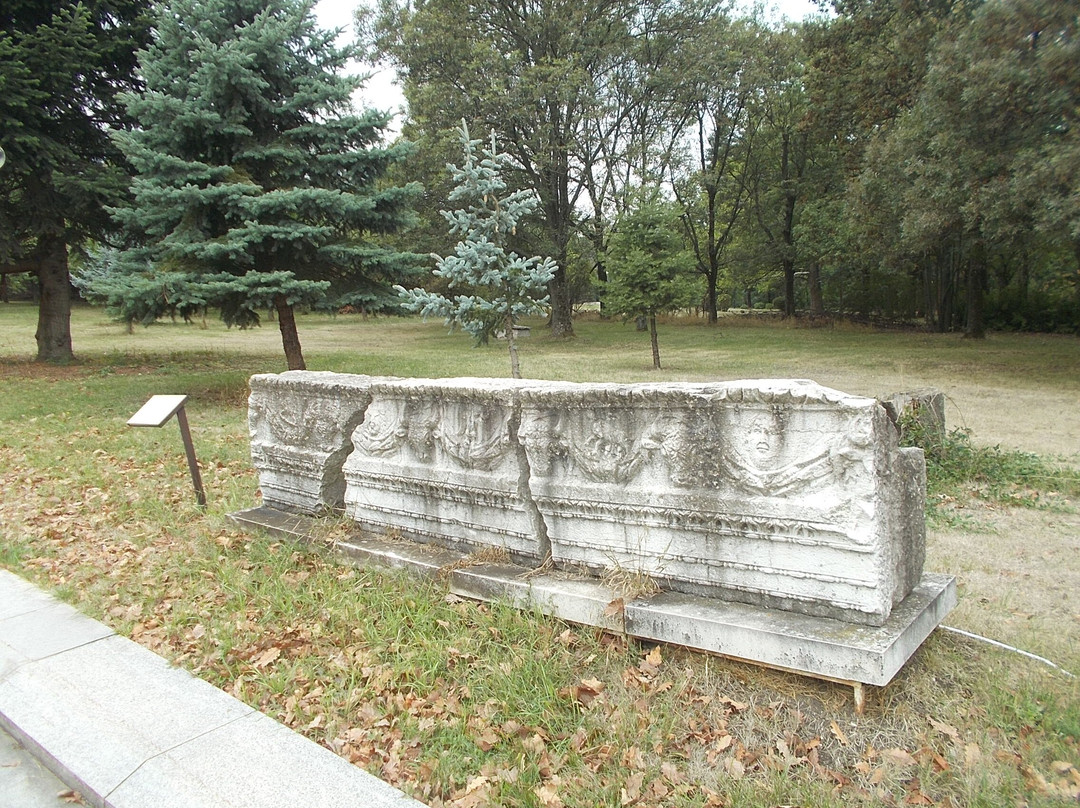
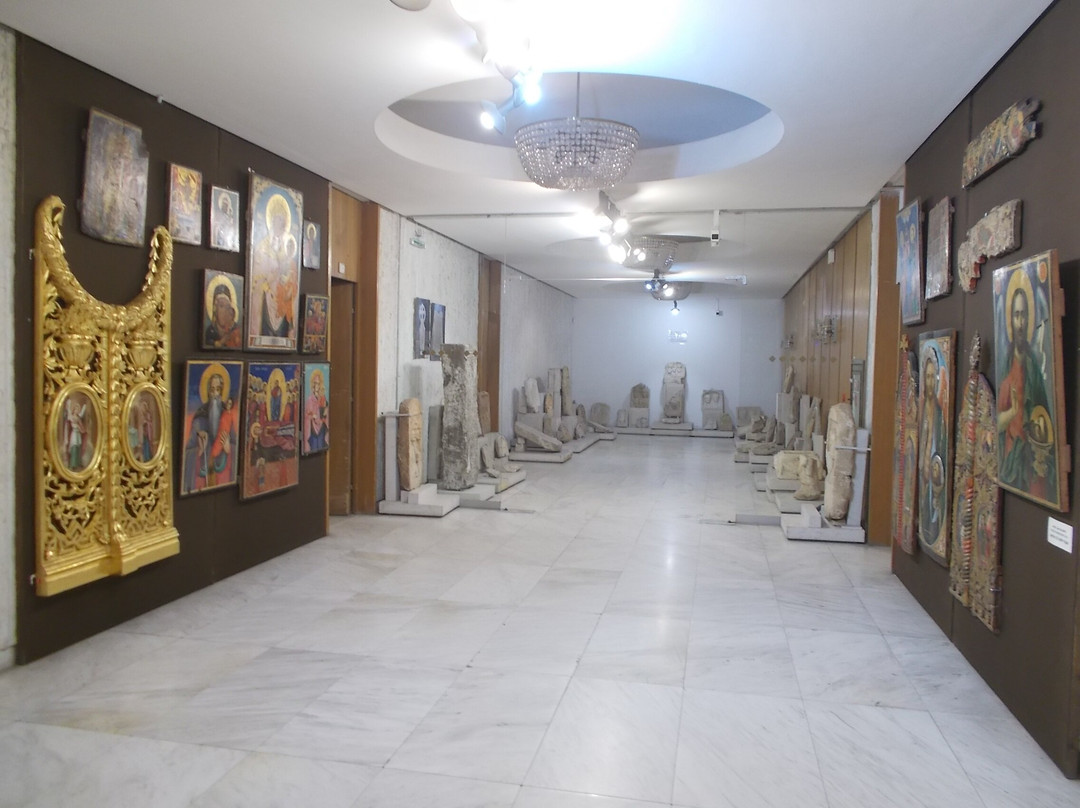
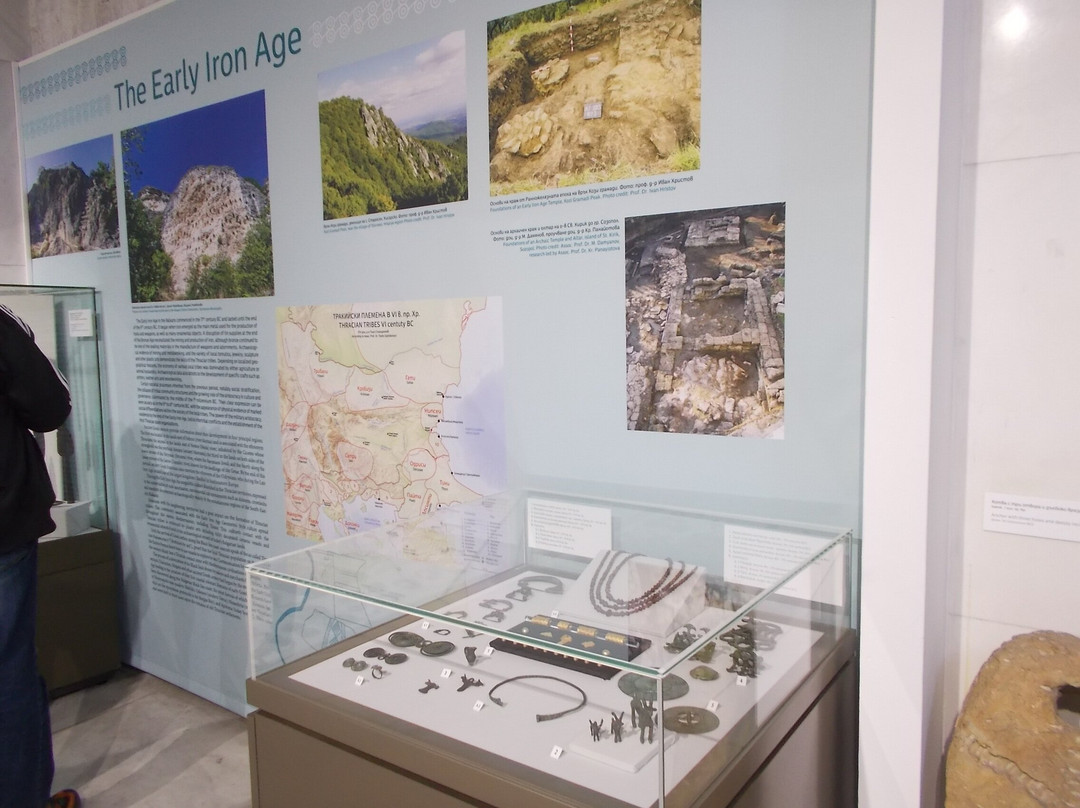
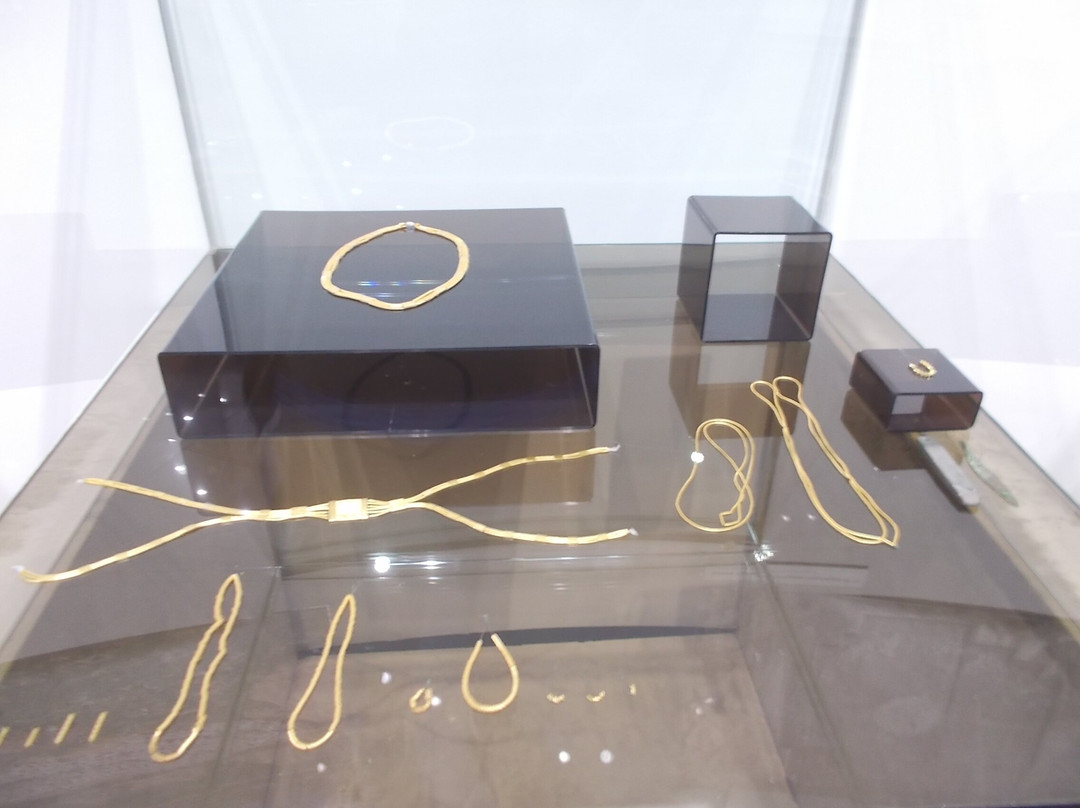
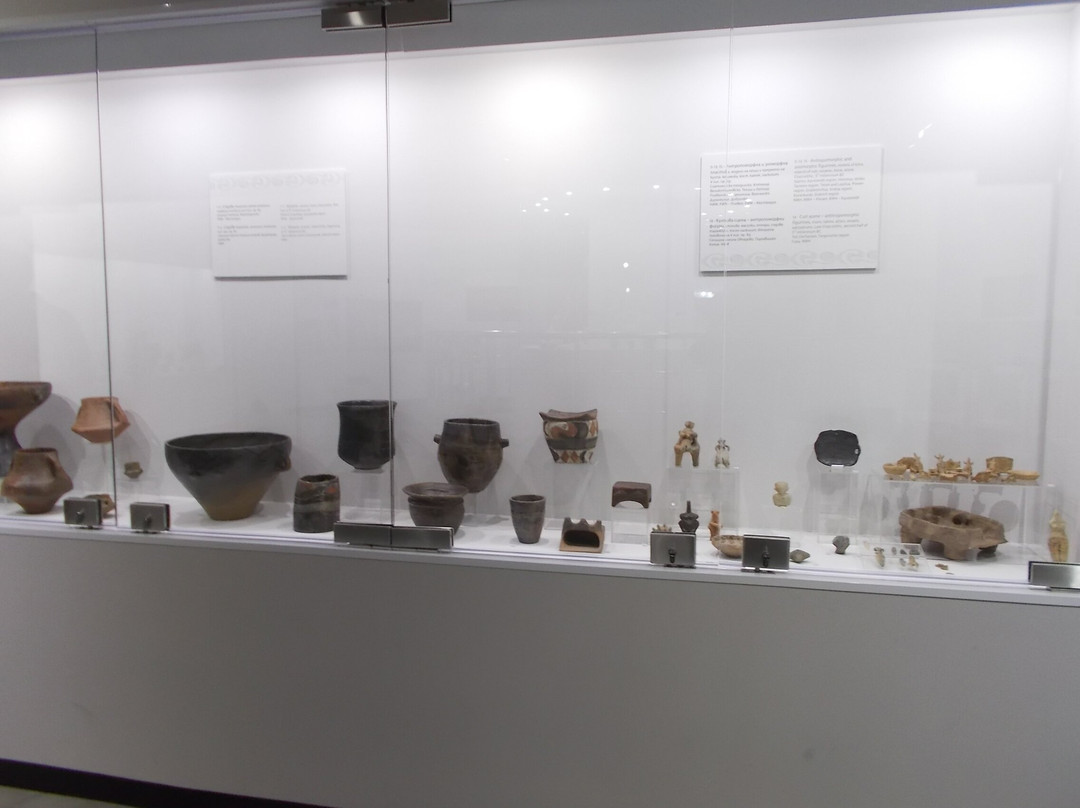
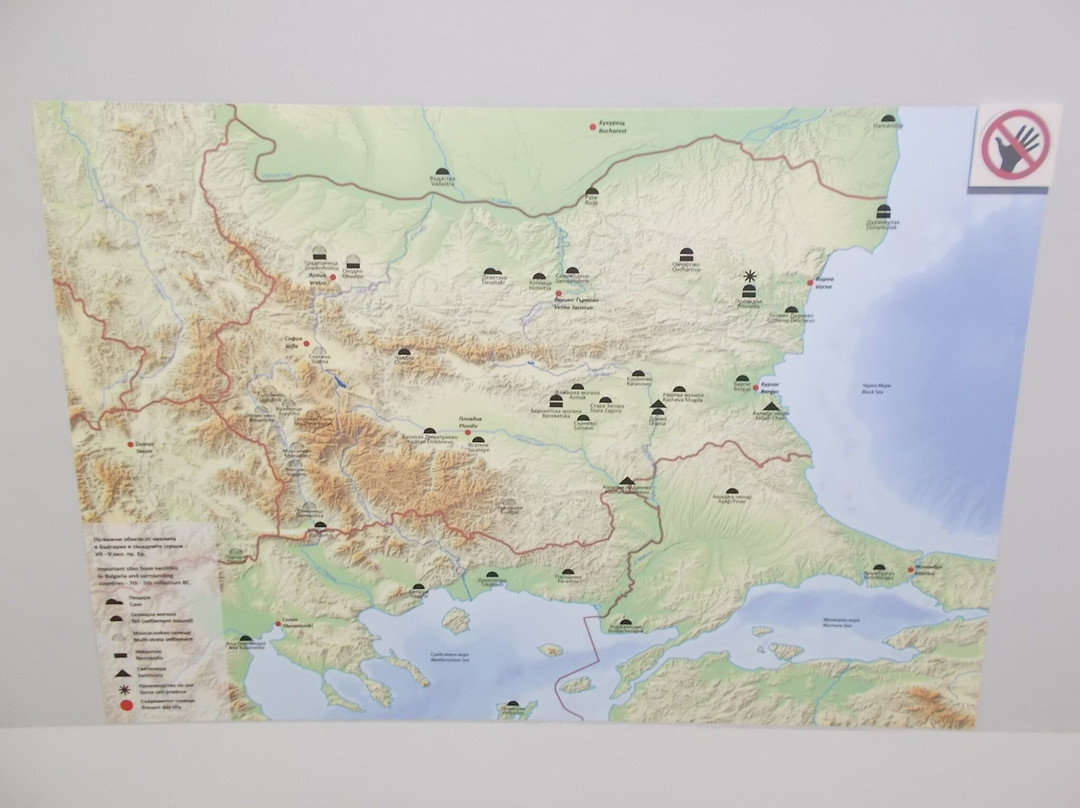
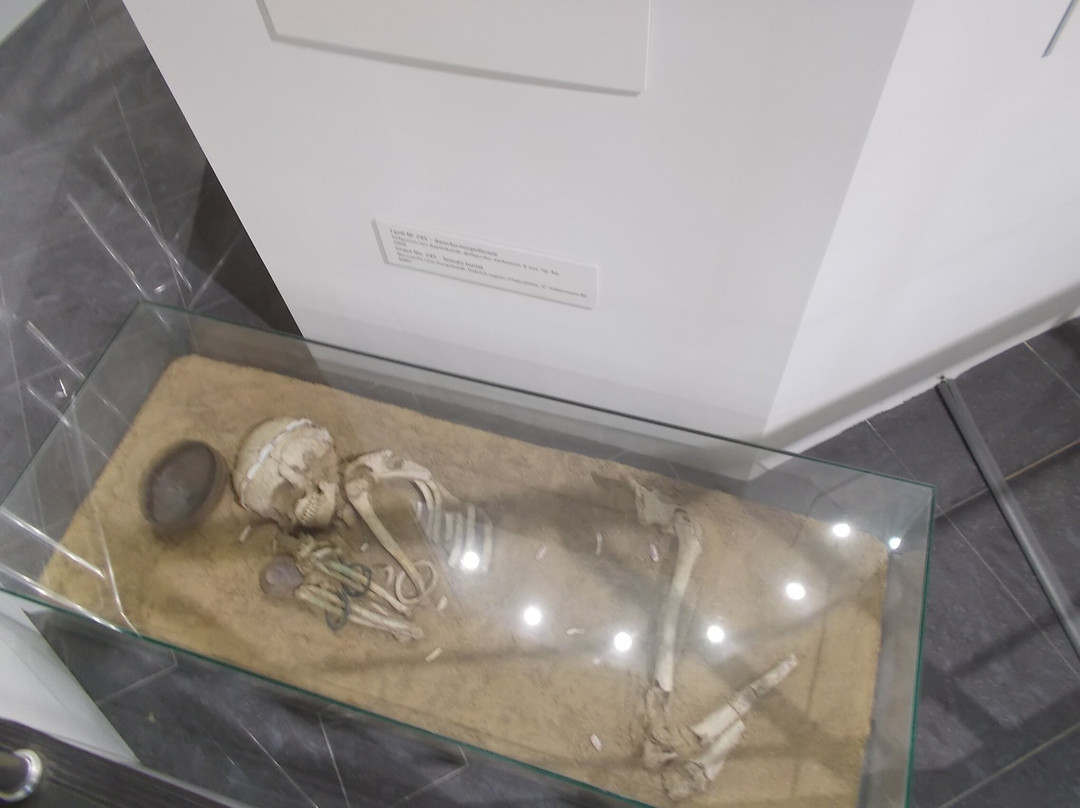
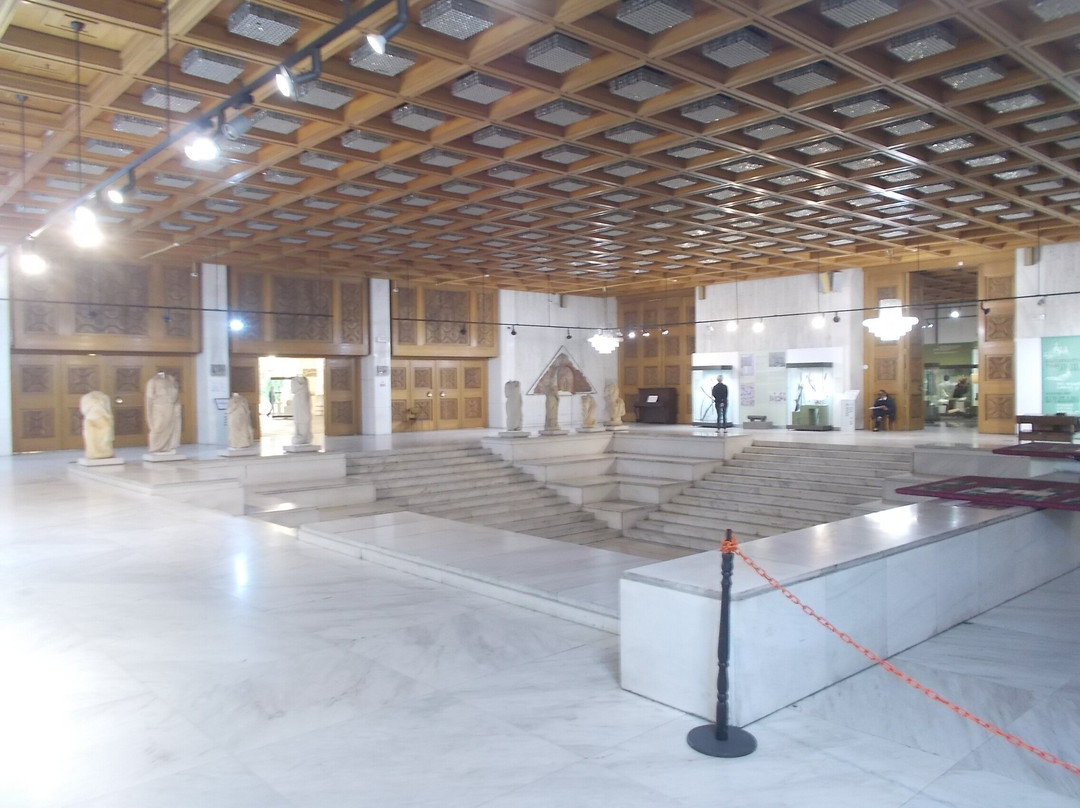
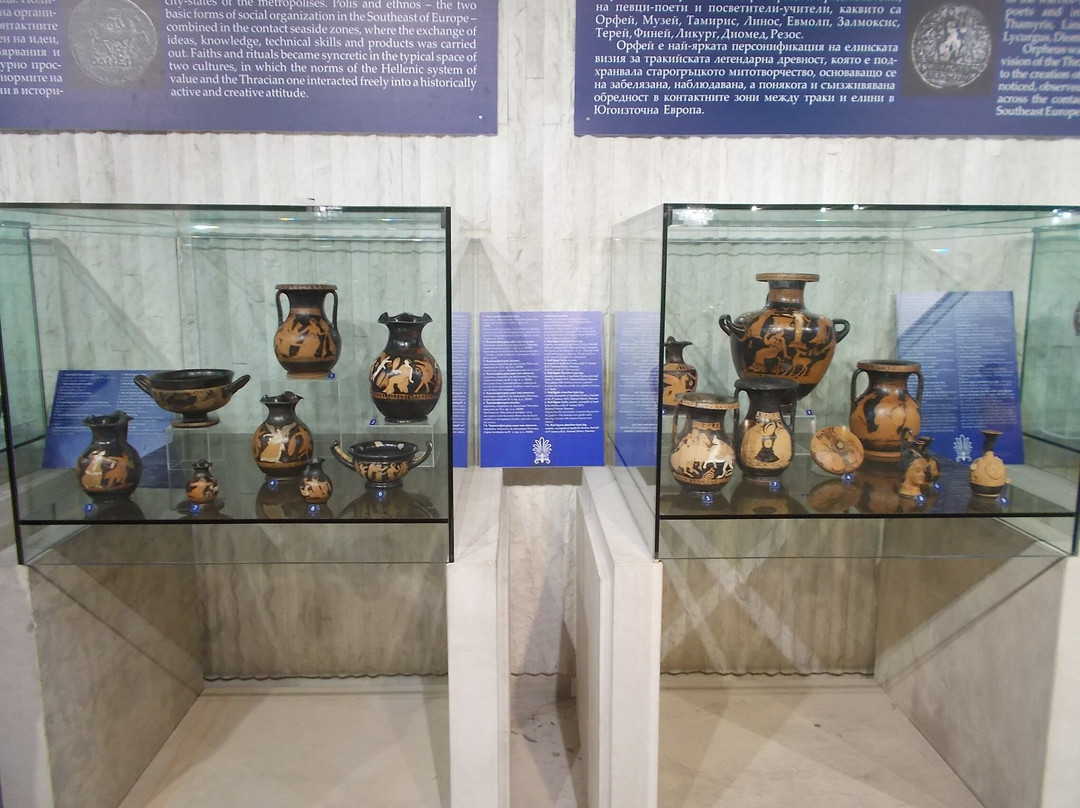
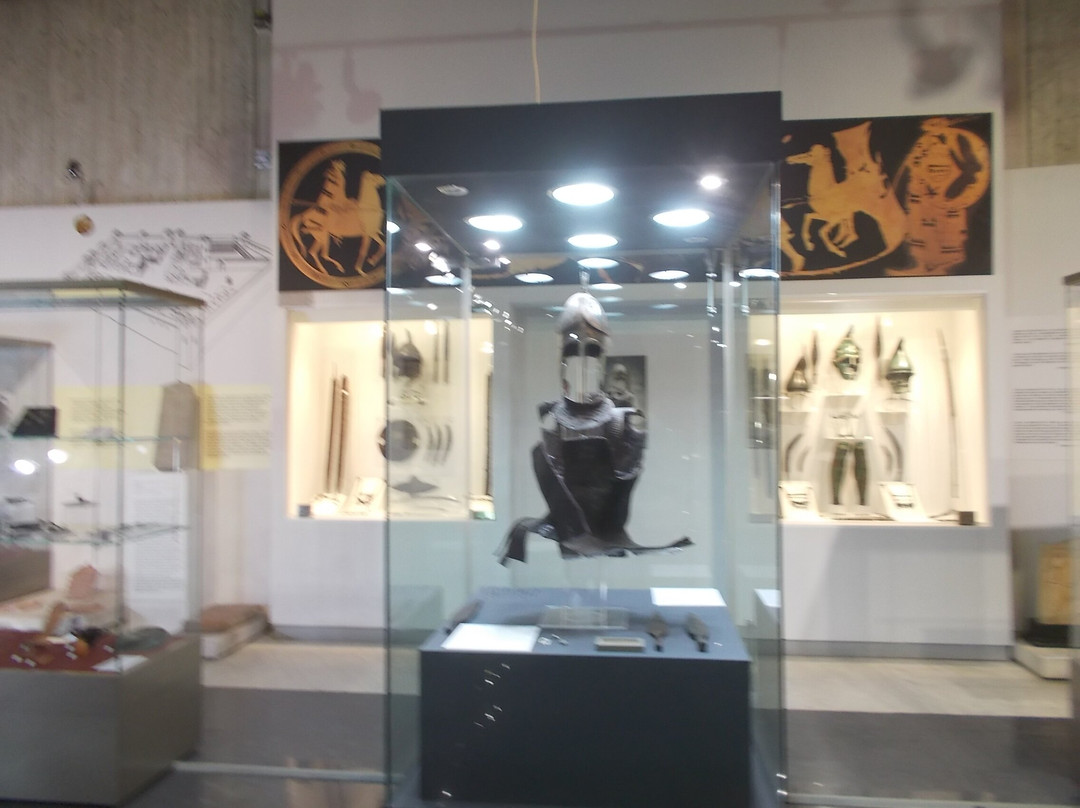
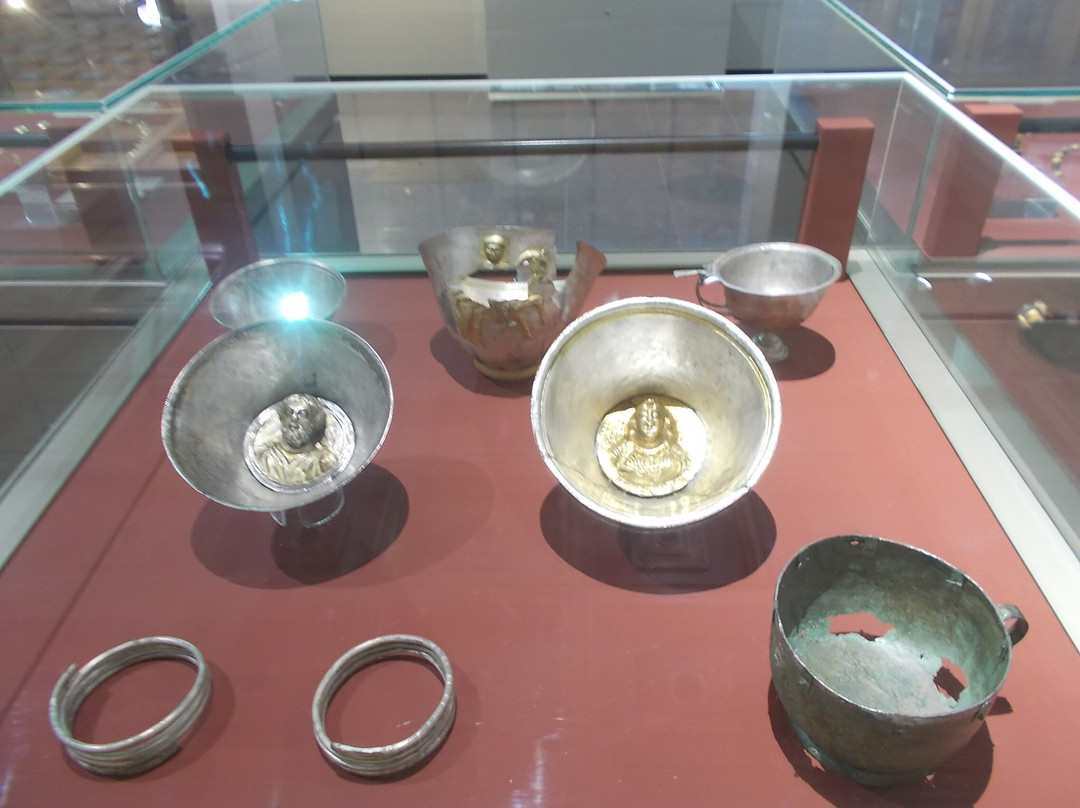
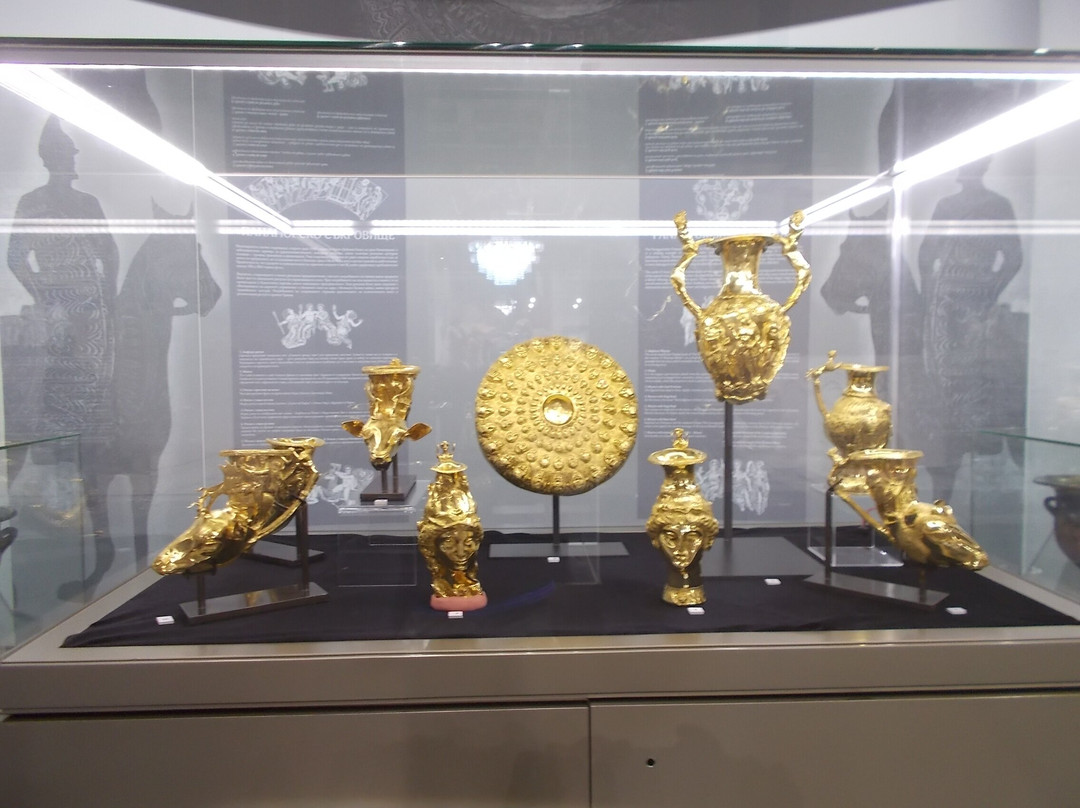
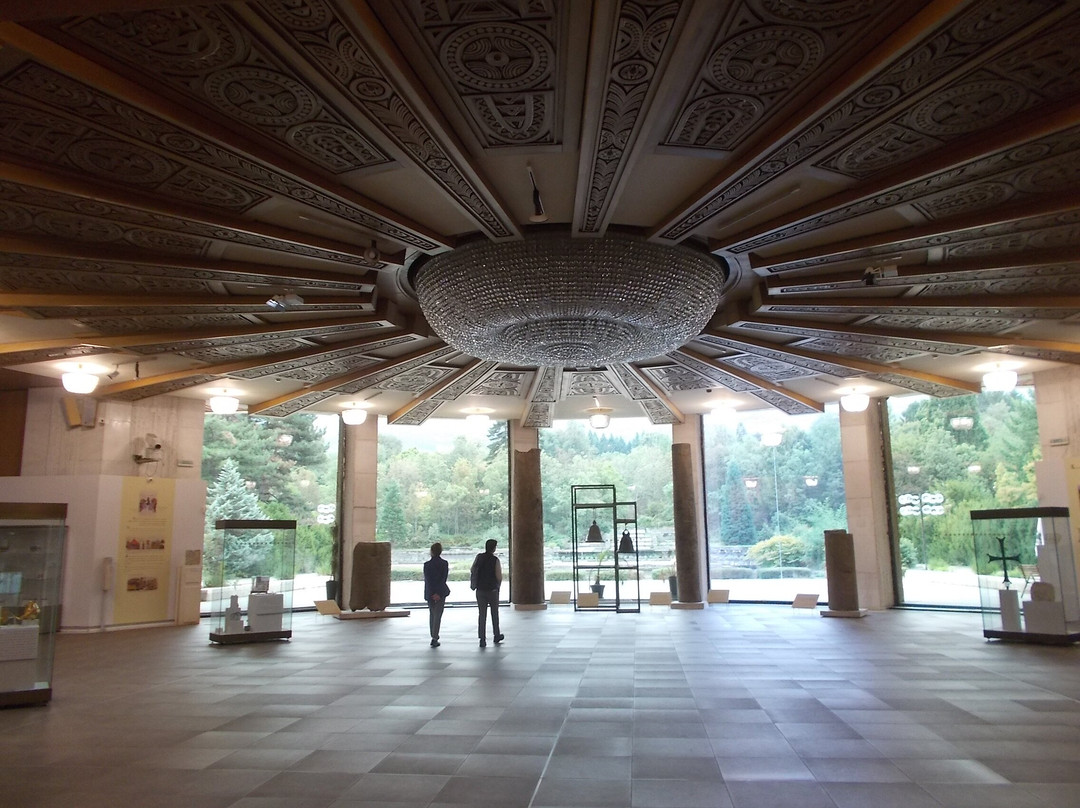
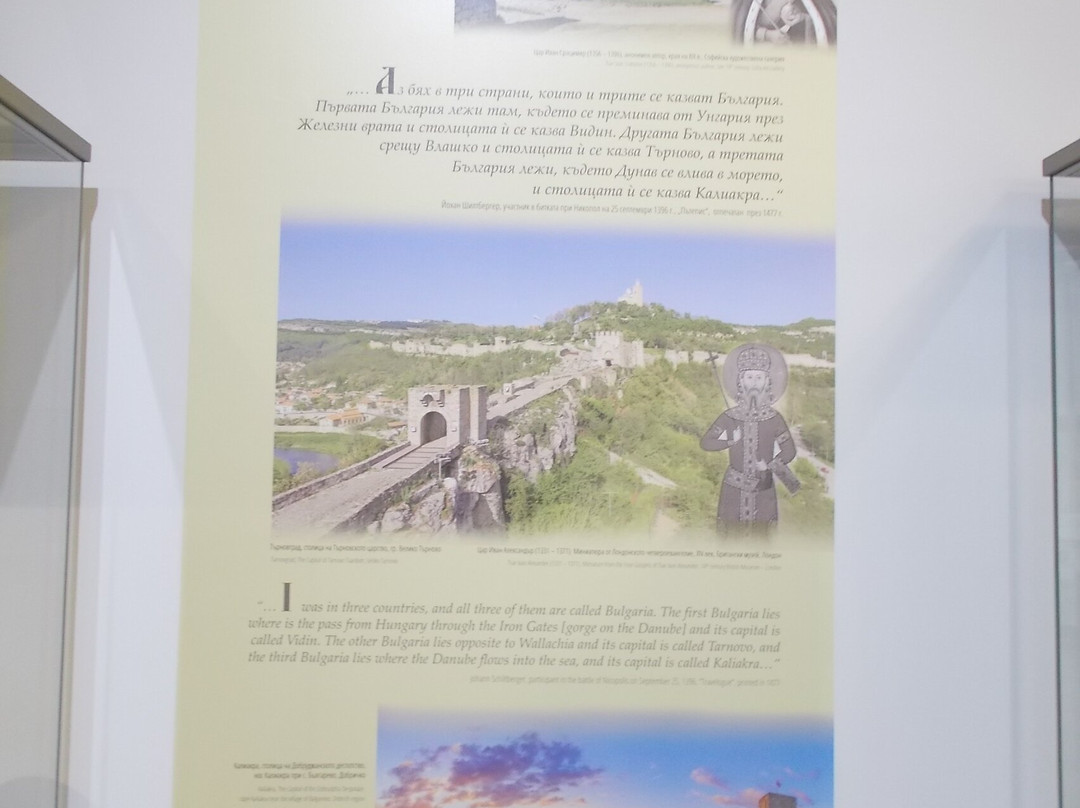
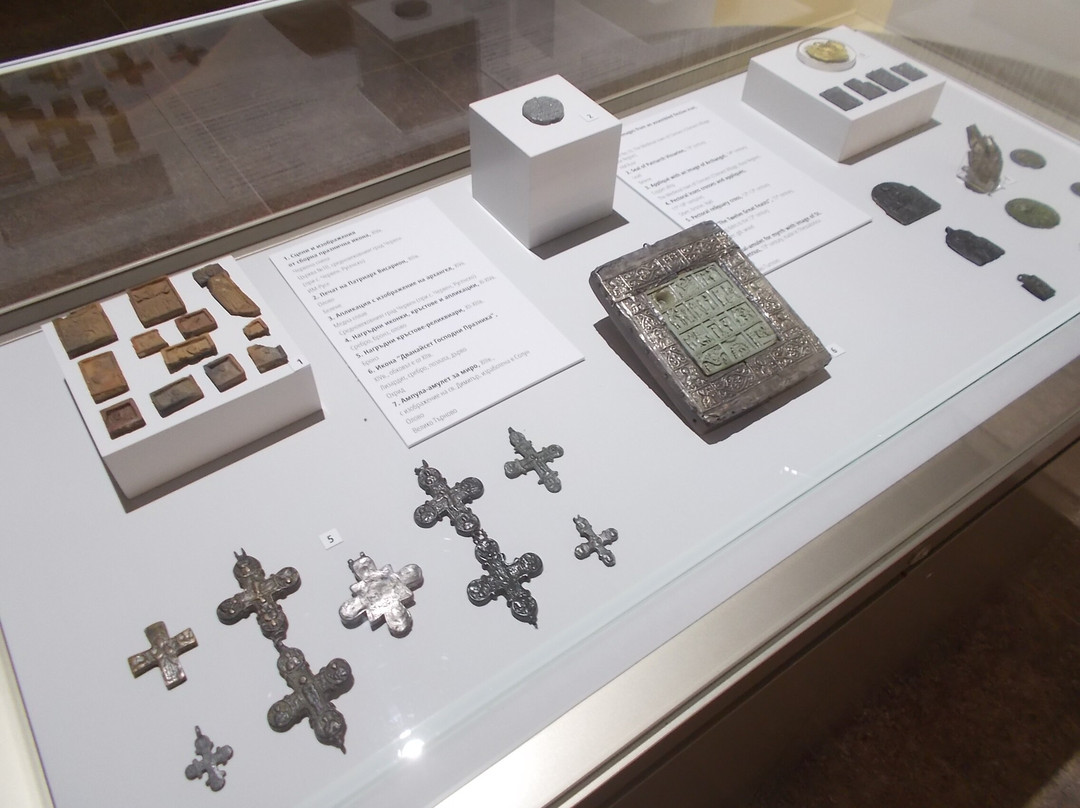
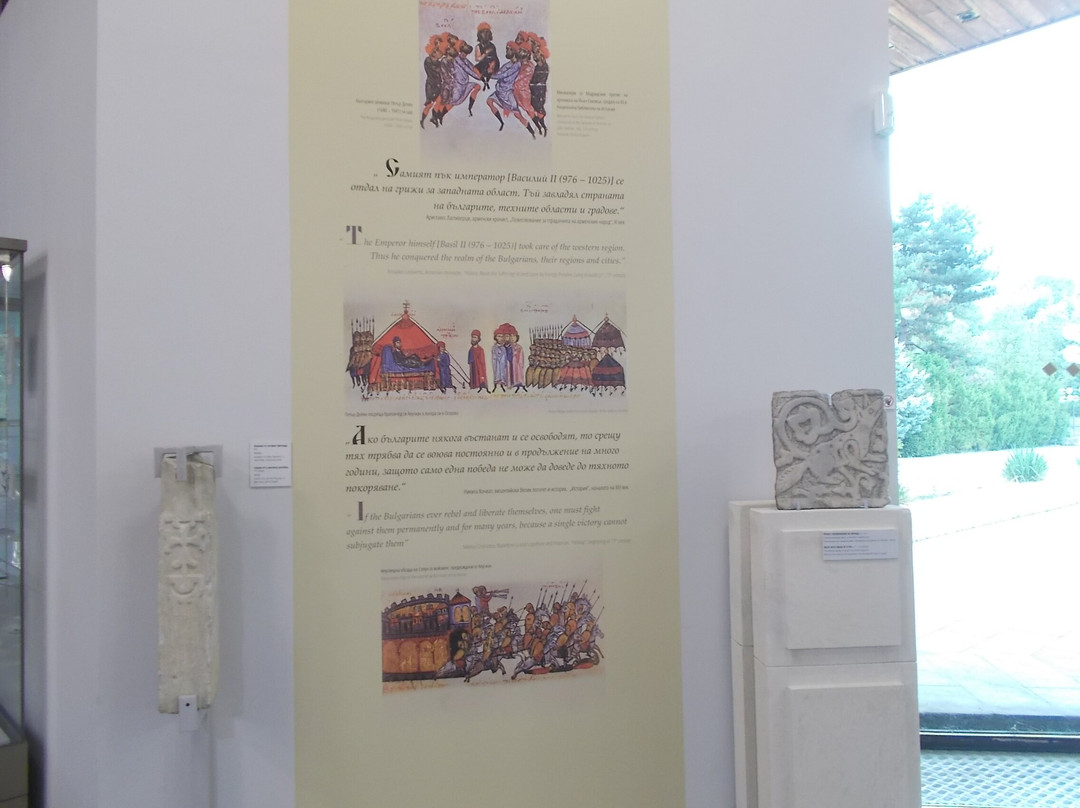
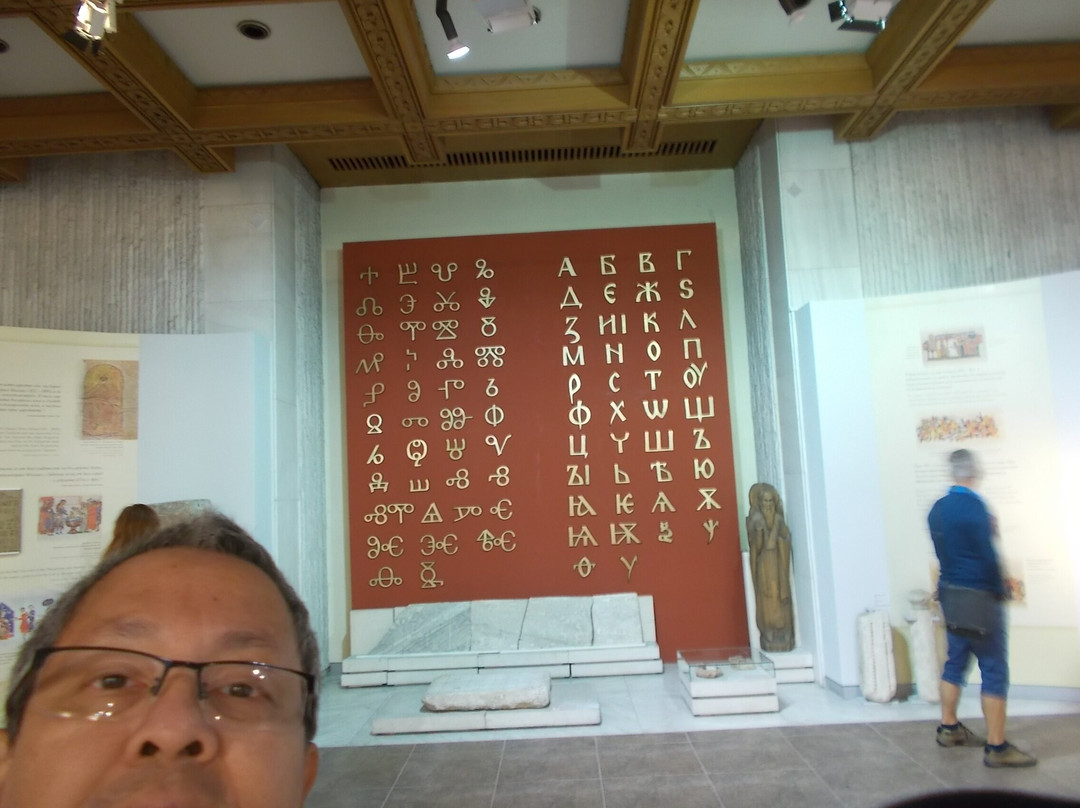
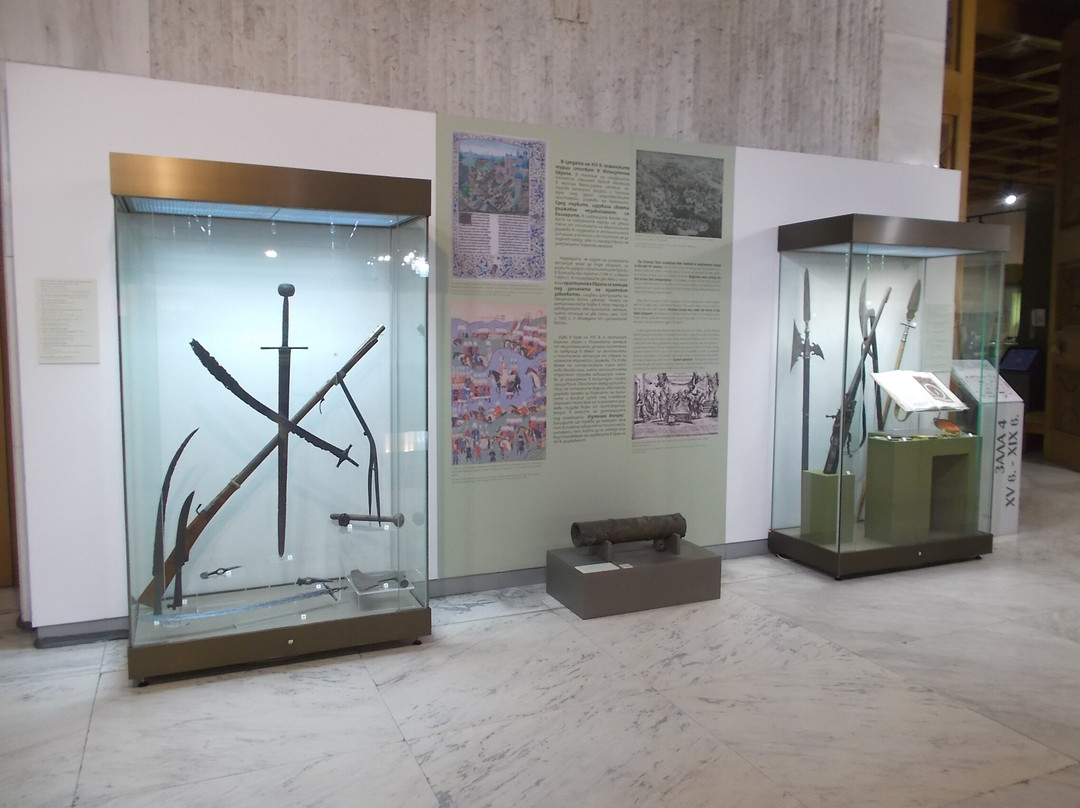
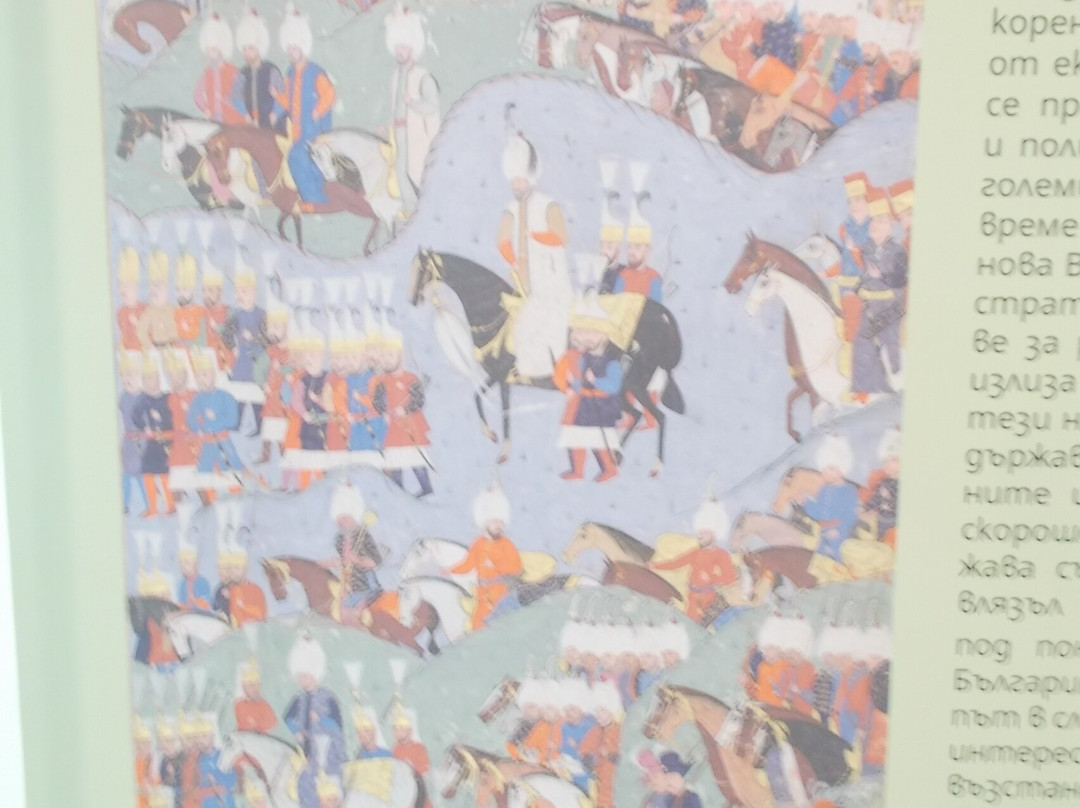
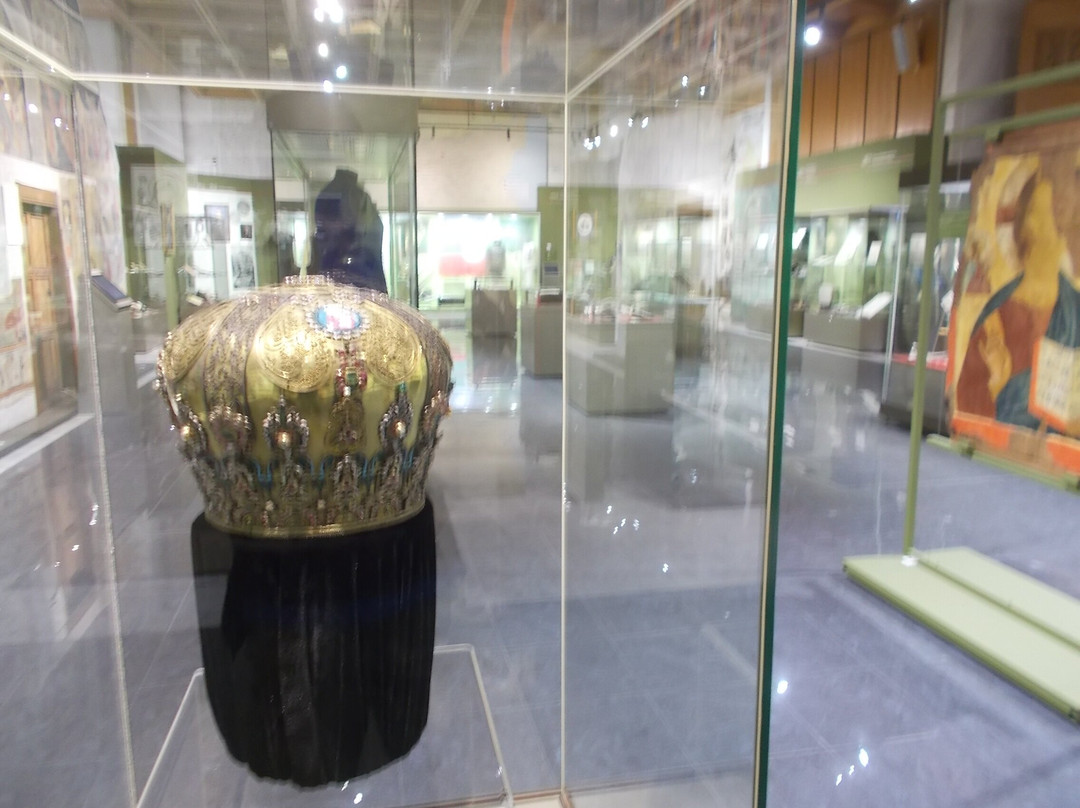
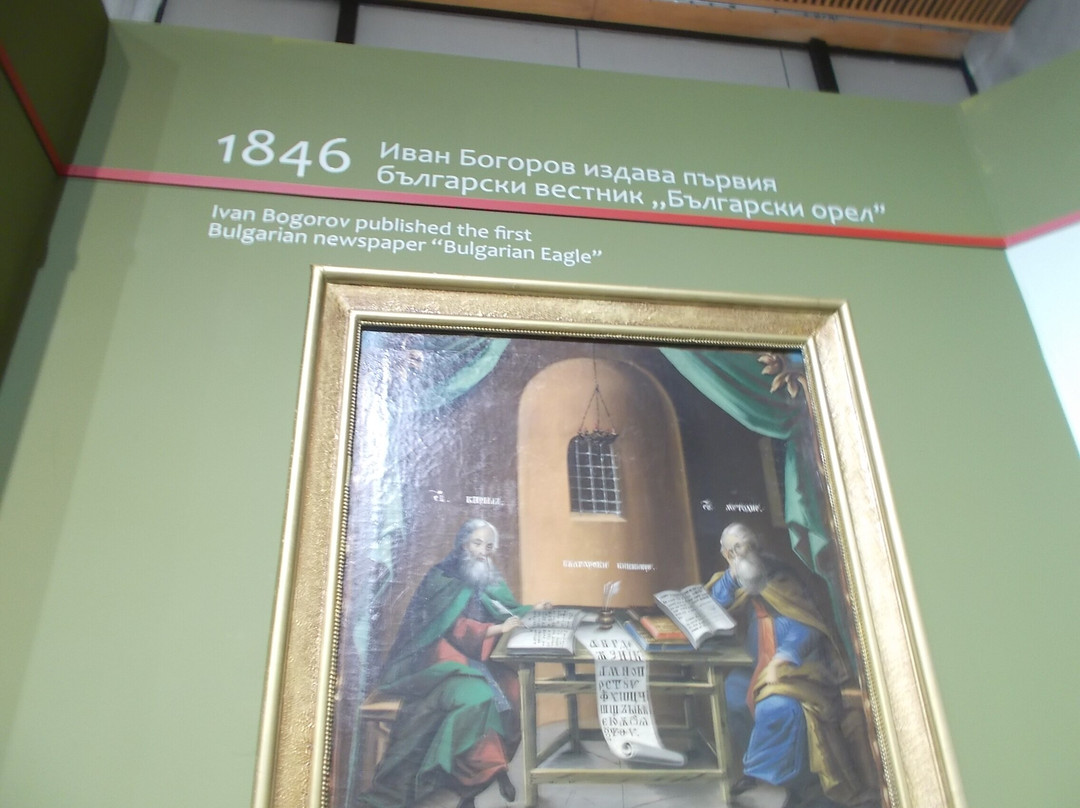
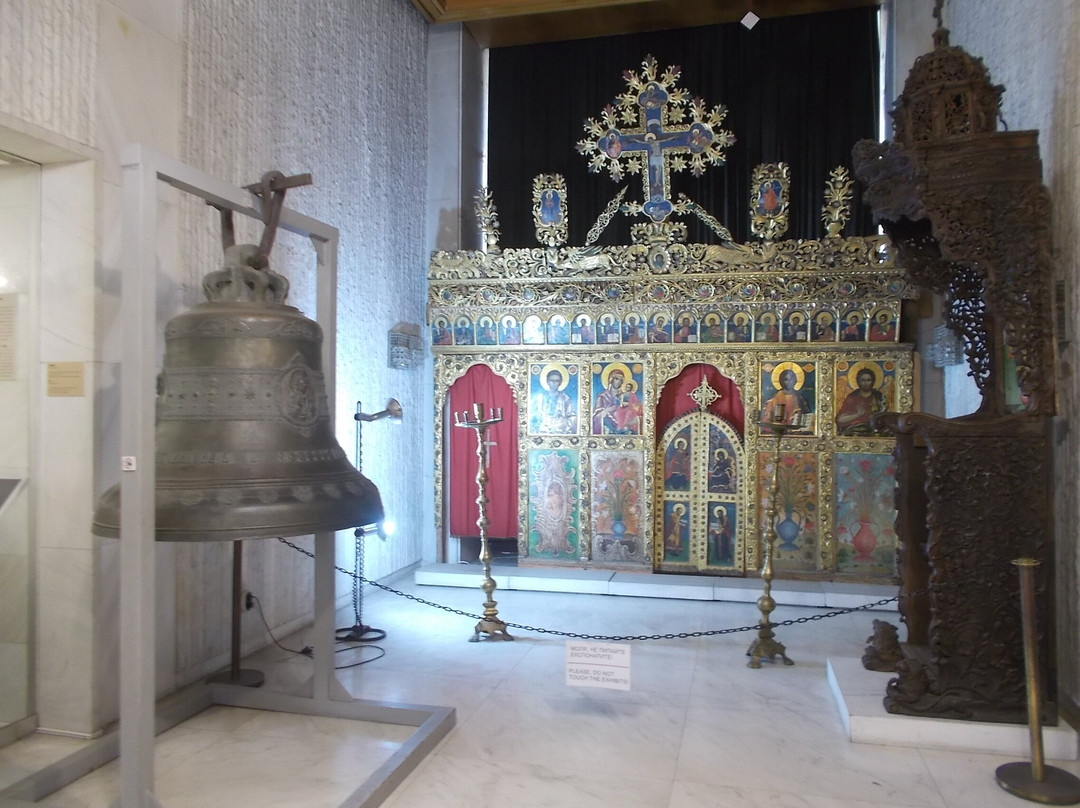
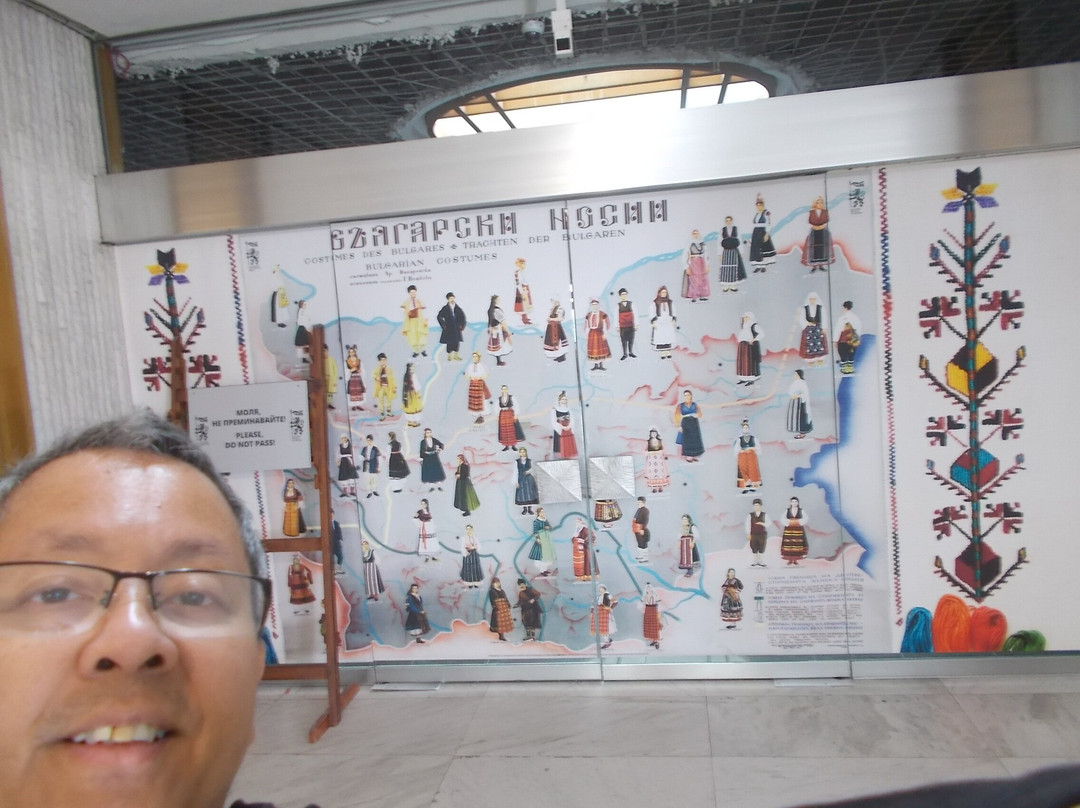
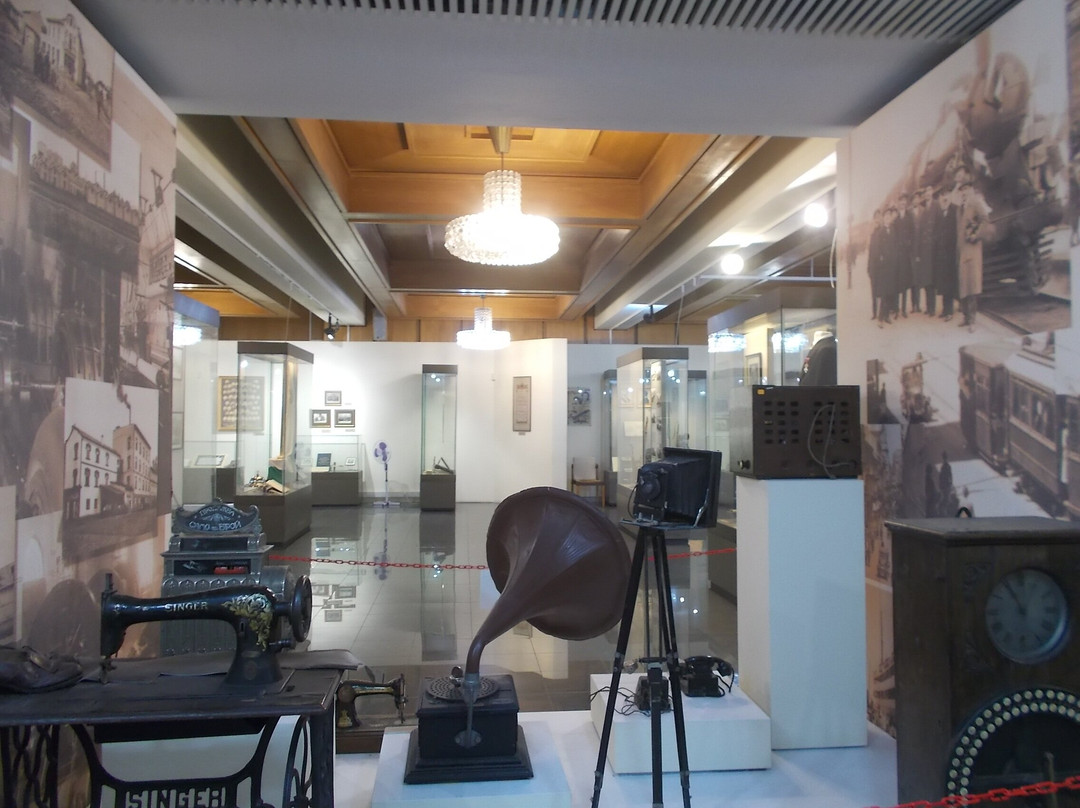
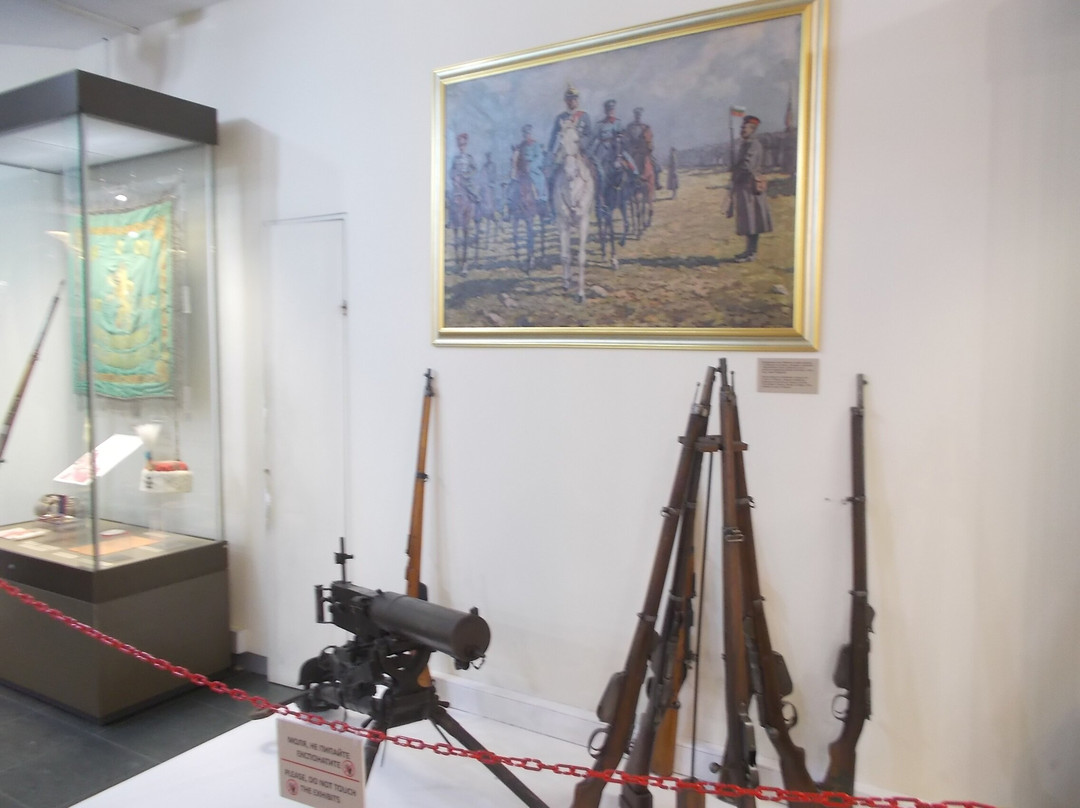
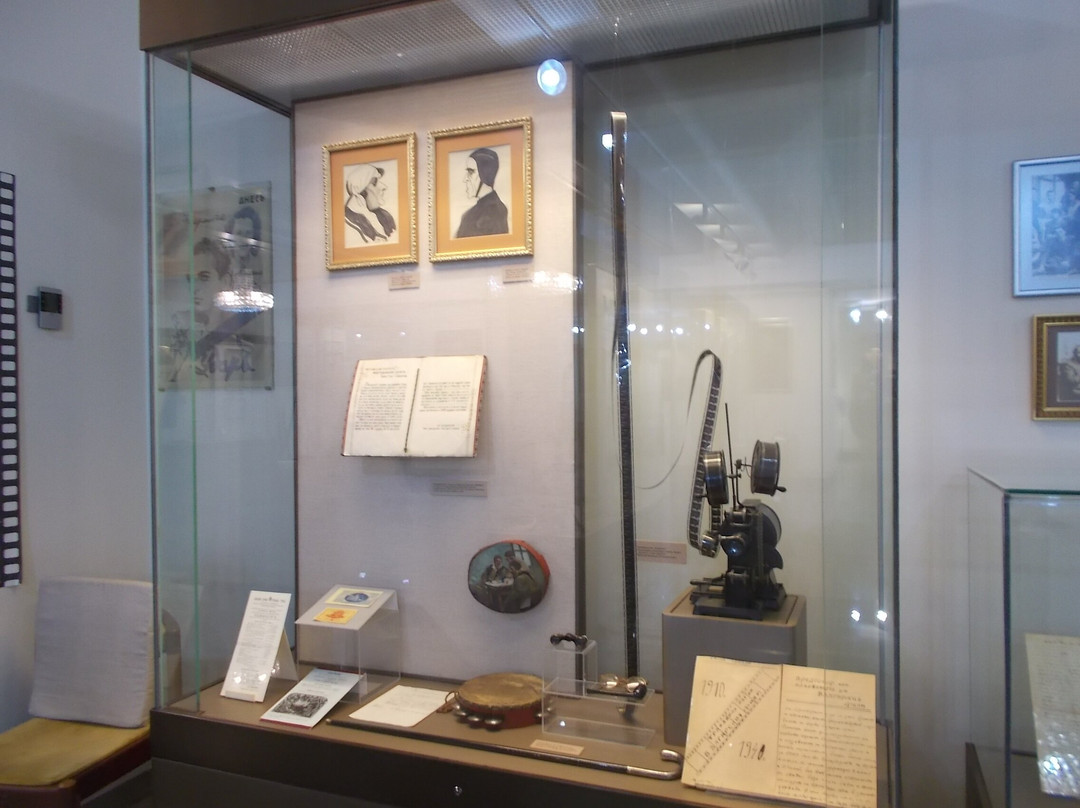
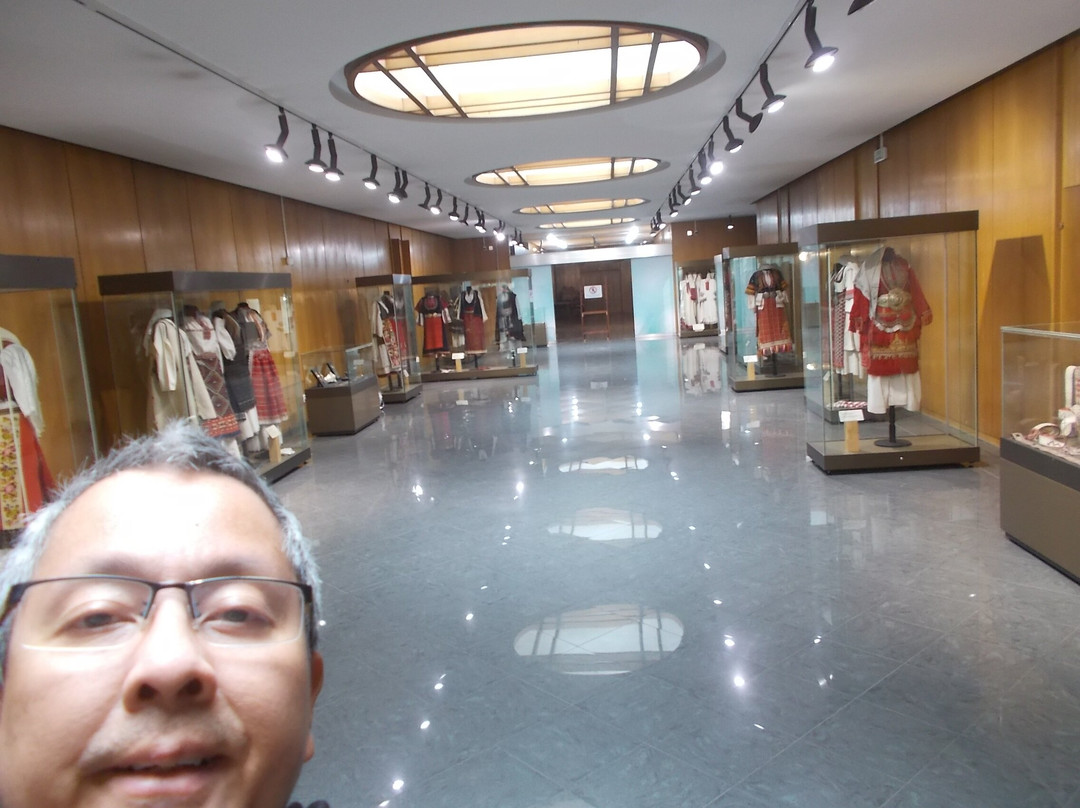
点评:About 4 floors of the Museum in total (but actually only two of those with displays to see), it was quite an "enjoyable walk" I would say on the "main 2nd floor" going from room to room by actually following a historical timeline (yes with "directions on the floor" guiding from like the Iron Age to the Ancient Kingdoms to the Ottoman period) before heading up to the top floor with displays from the modern time of like the early 1900's. And yes, especially nice to see were "highlight displays" (in my opinion) of some chart of alphabets (in the room of Ancient Kingdoms so likely not the alphabets of the modern time), a map with illustrations likely of the various tribes of people spread out over the country, and a collection of costumes also likely of the country's various tribes.
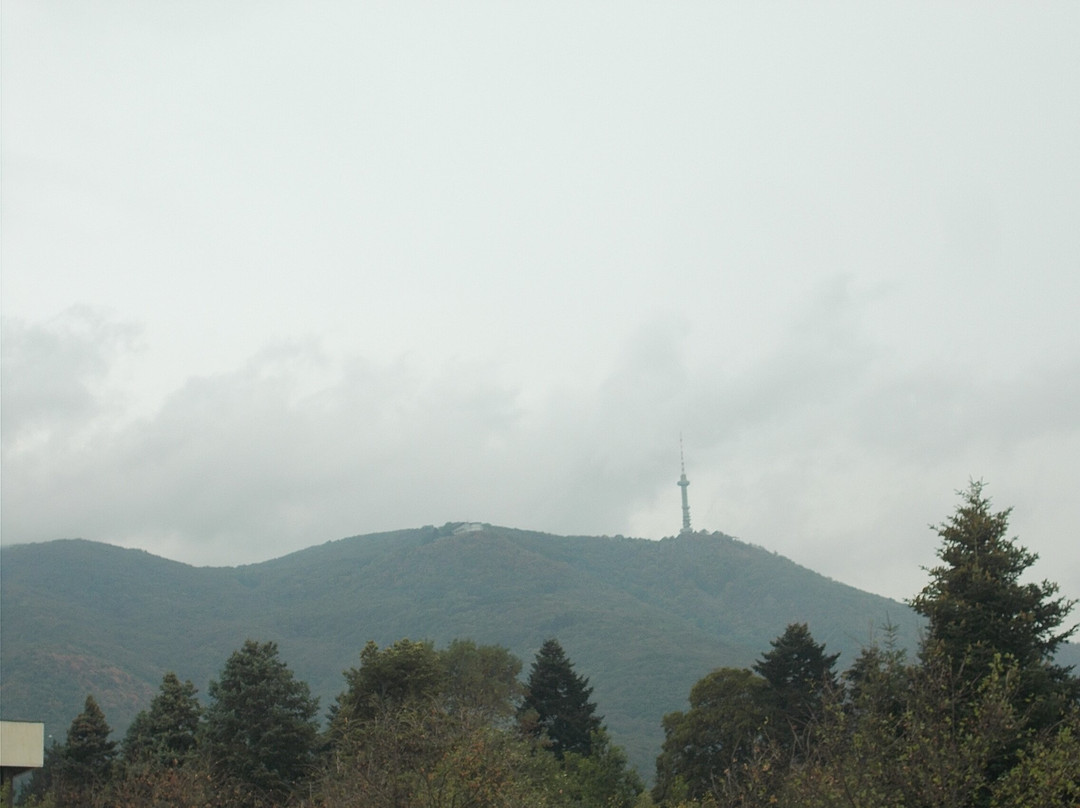
At about a 20-minute "tram ride" from in front of the big Sofia Central Station (followed by about a 5-minute bus ride after getting off the tram to right in front of this museum), this visit was followed by that to Boyana Church not too far away by taking another bus along kind of a "winding uphill" way for about 10 minutes (with its "colorful interior" of scenes of religion for a worthwhile visit).
At about a 20-minute "tram ride" from in front of the big Sofia Central Station (followed by about a 5-minute bus ride after getting off the tram to right in front of this museum), this visit was followed by that to Boyana Church not too far away by taking another bus along kind of a "winding uphill" way for about 10 minutes (with its "colorful interior" of scenes of religion for a worthwhile visit).
翻译:博物馆总共有四层楼(但实际上只有两层有展品),在二楼(主展厅)参观是一次相当愉快的体验。沿着历史时间轴(没错,地板上有指示牌,引导参观者从铁器时代到古代王国再到奥斯曼帝国时期)逐个展厅参观,之后前往顶楼,那里展出的是20世纪初的现代展品。尤其值得一提的是一些“亮点展品”(在我看来),例如古代王国展厅里的字母表(很可能不是现代字母表)、一幅可能描绘了全国各地不同部落的地图,以及一系列可能代表该国各个部落的服饰。
从索非亚中央火车站前乘坐电车约 20 分钟(下电车后再乘坐约 5 分钟公交车即可到达博物馆正前方),参观完博物馆后,又乘坐另一辆公交车沿着蜿蜒的上坡路行驶约 10 分钟,前往不远处的博亚纳教堂(教堂内部装饰色彩缤纷,描绘了宗教场景,值得一游)。
从索非亚中央火车站前乘坐电车约 20 分钟(下电车后再乘坐约 5 分钟公交车即可到达博物馆正前方),参观完博物馆后,又乘坐另一辆公交车沿着蜿蜒的上坡路行驶约 10 分钟,前往不远处的博亚纳教堂(教堂内部装饰色彩缤纷,描绘了宗教场景,值得一游)。

© 2026 Tripadvisor 版权所有。
部分照片由 VFM Leonardo 提供。
TripAdvisor公司对外部网站的内容一概不负责。优惠价格中不含税和其他费用。
ICP证:沪B2-20200433
沪ICP备20013175号
 沪公网安备31010502005427号
鹰程信息技术(上海)有限公司