下载App
资质规则
旅行
账户

Sherpa4538776****
Not to be Missed
万佛寺的点评
点评:*) How to reach: After taking Exit B from Sha Tin Station, turn left and make your way down the ramp towards the street.
*) It’s not the easiest place to reach but this should help you get there:
1. Take the East Rail Line to the Sha Tin Metro Station, Exit B
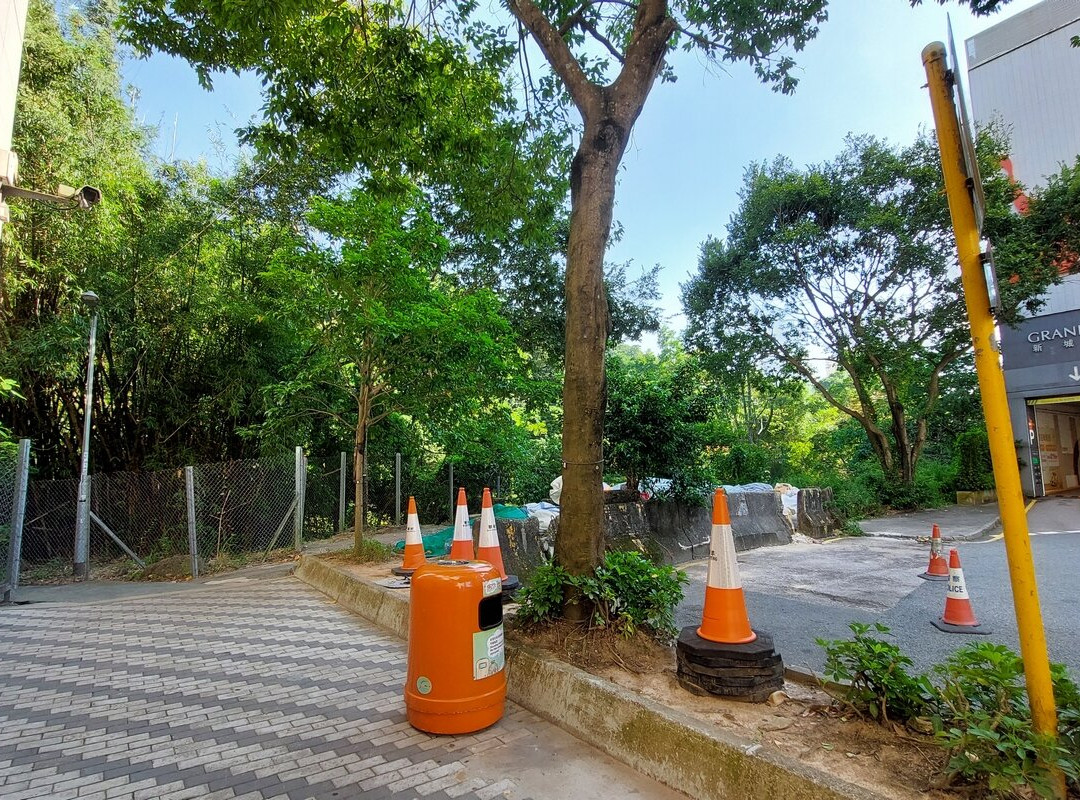
2. Turn left and walk down the pedestrian ramp.
3. At the bottom of the ramp is a sign for the Government Building. Follow this sign onto Pai Tau Street.
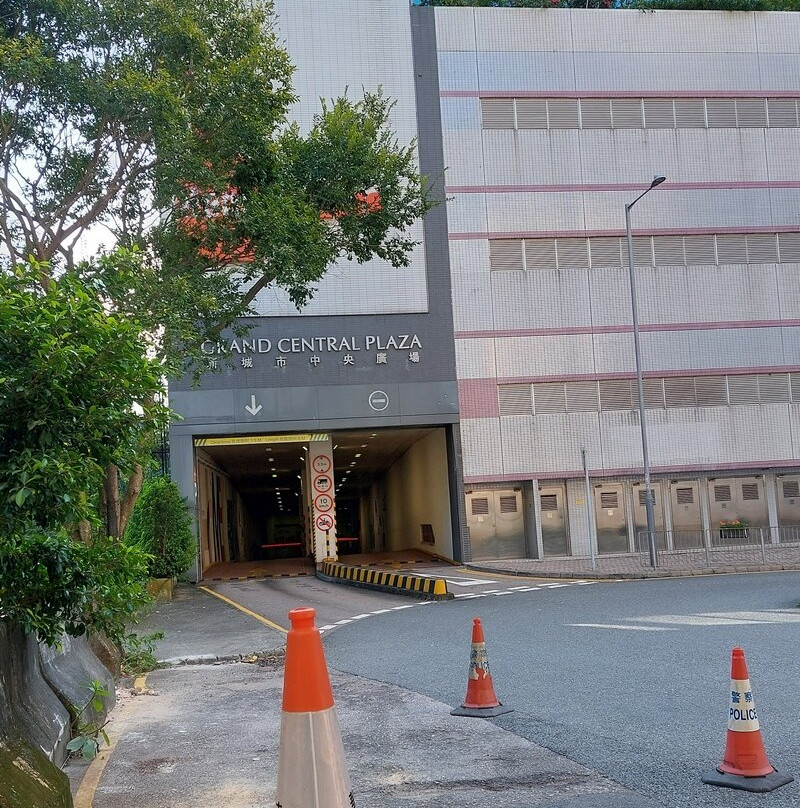
4. Follow Pai Tau Street as it turns left. You’ll see a large Ikea sign on your right.
5. Turn right at the first street, Sheung Wo Che Road.
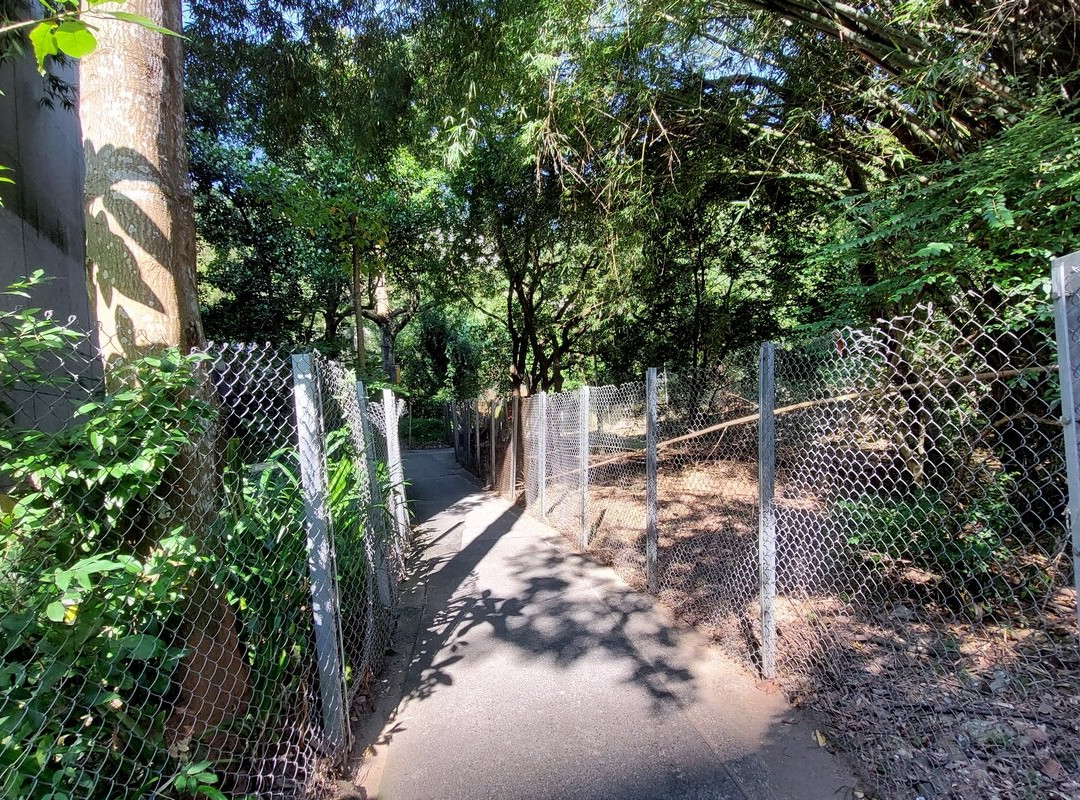
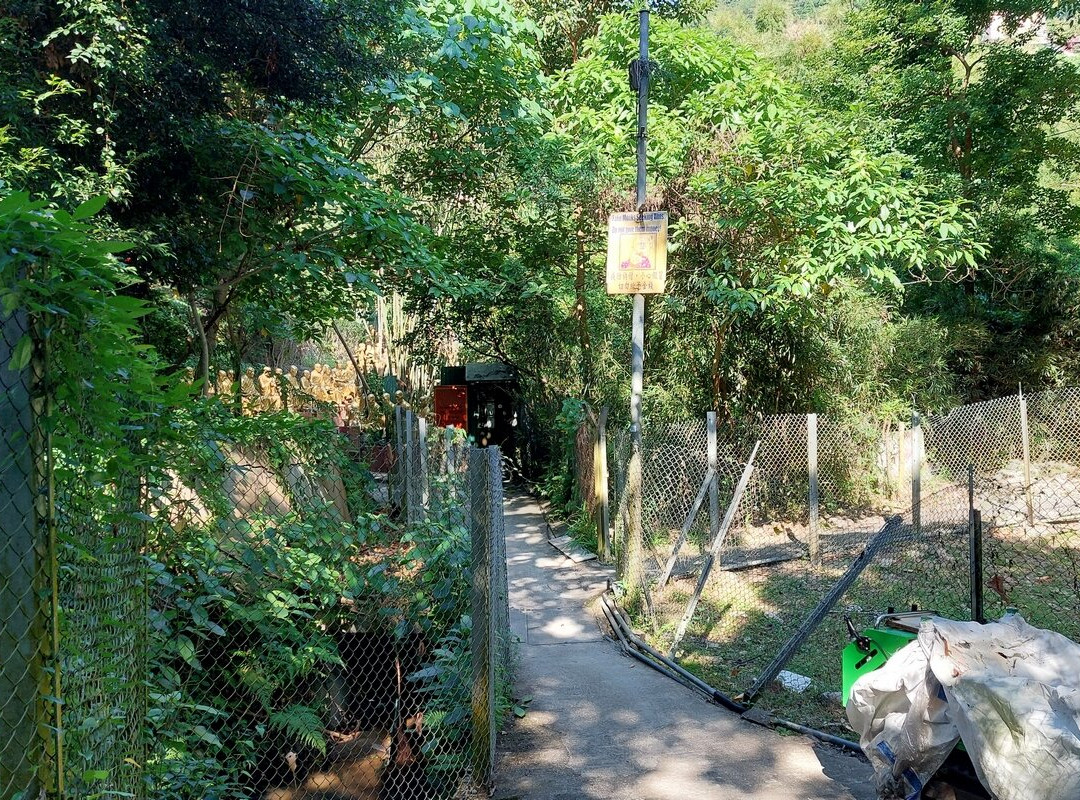
6. Walk to the end of the Sheung Wo She Road which looks like a dead-end, where there is a small path on your left-hand side which leads to the entrance to the monastery.
7. The walk to here from the Sha Tin Station should take no longer than five minutes.
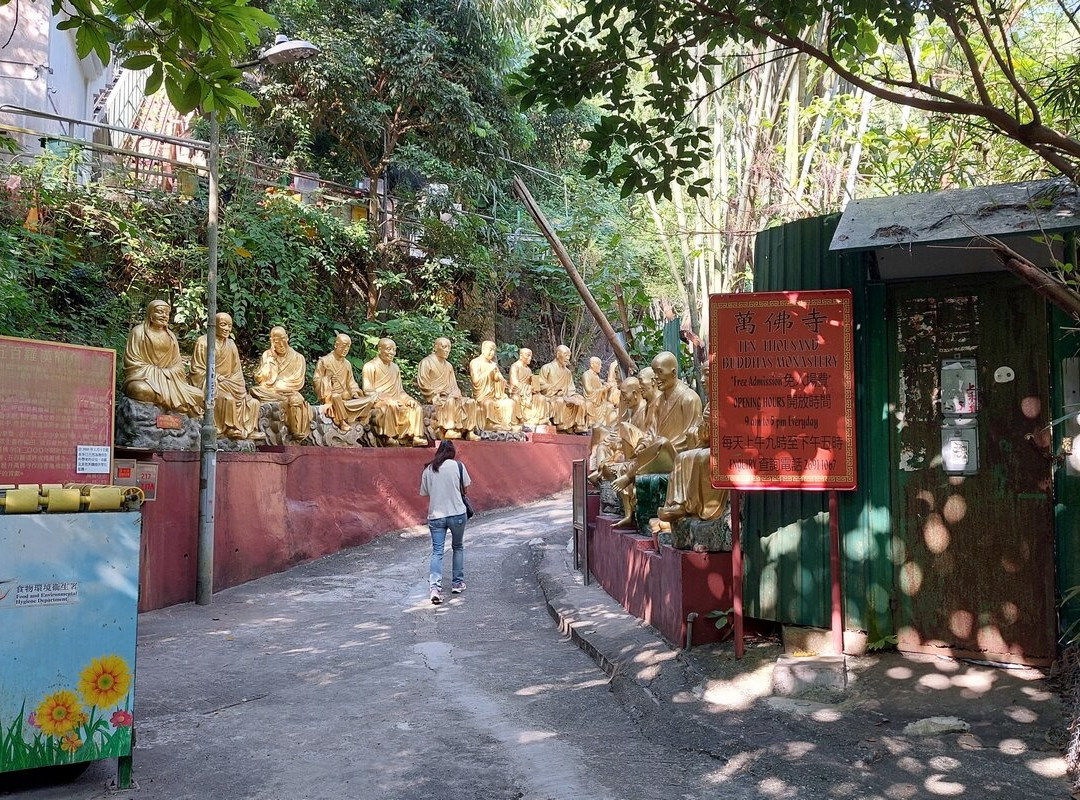
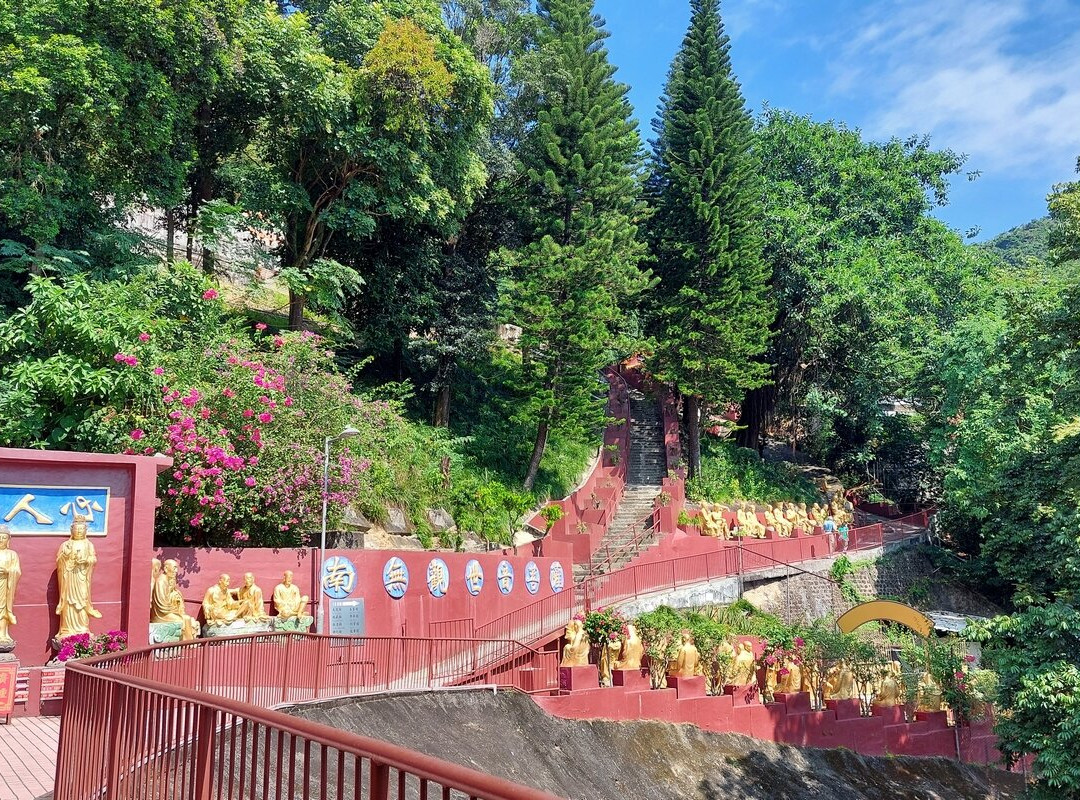
8. Walk up the staircase lined with Buddha statues—it takes about 20 minutes and 431 steps up the staircase to reach the temple.
*) There is absolutely no signage on the way, it is like they don't want you to reach there sort of hidden, but it's totally worth the effort.
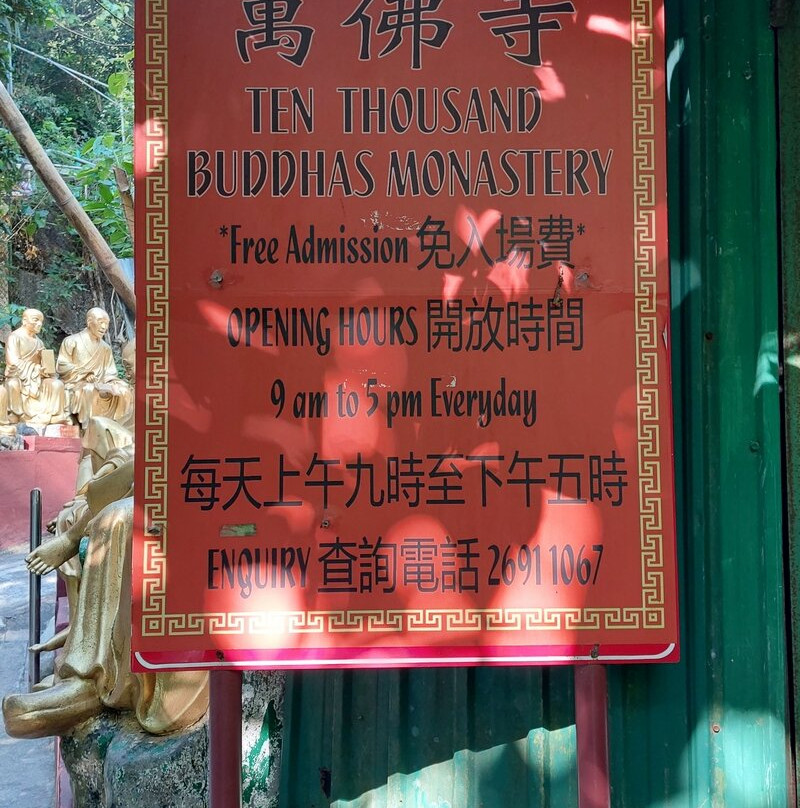
*) There is no admission fee. A small restaurant at the first level offers refreshments, but bring your own water for the trail.
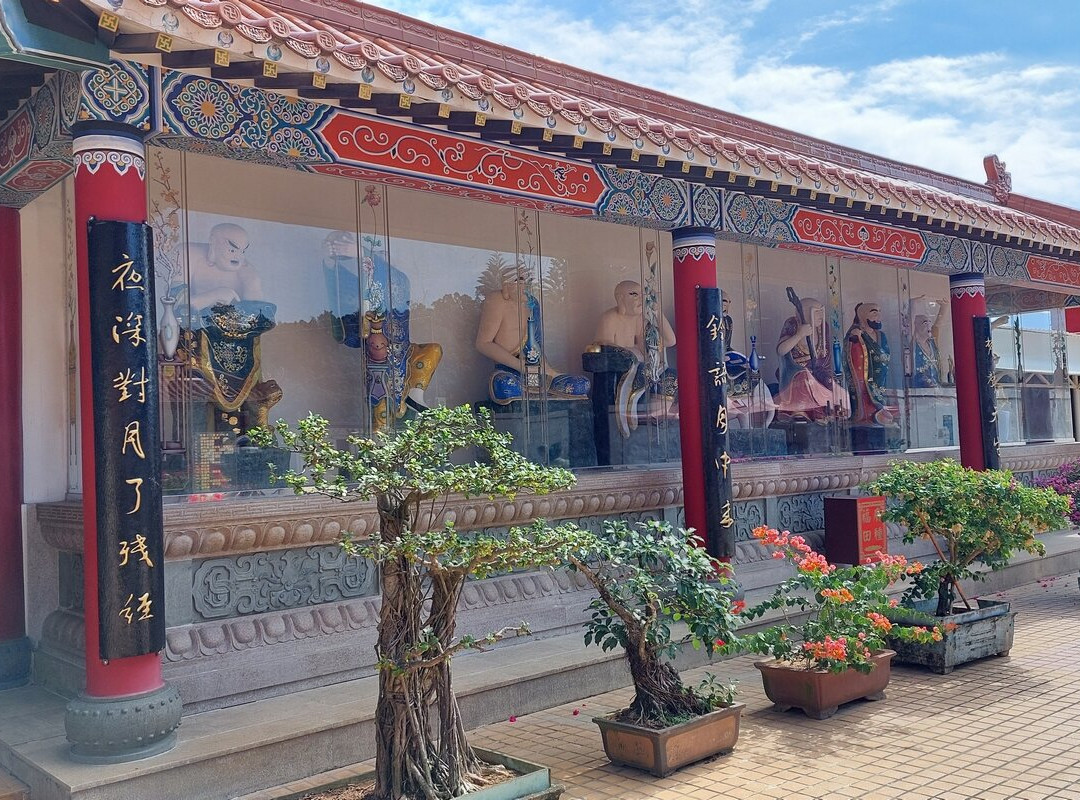
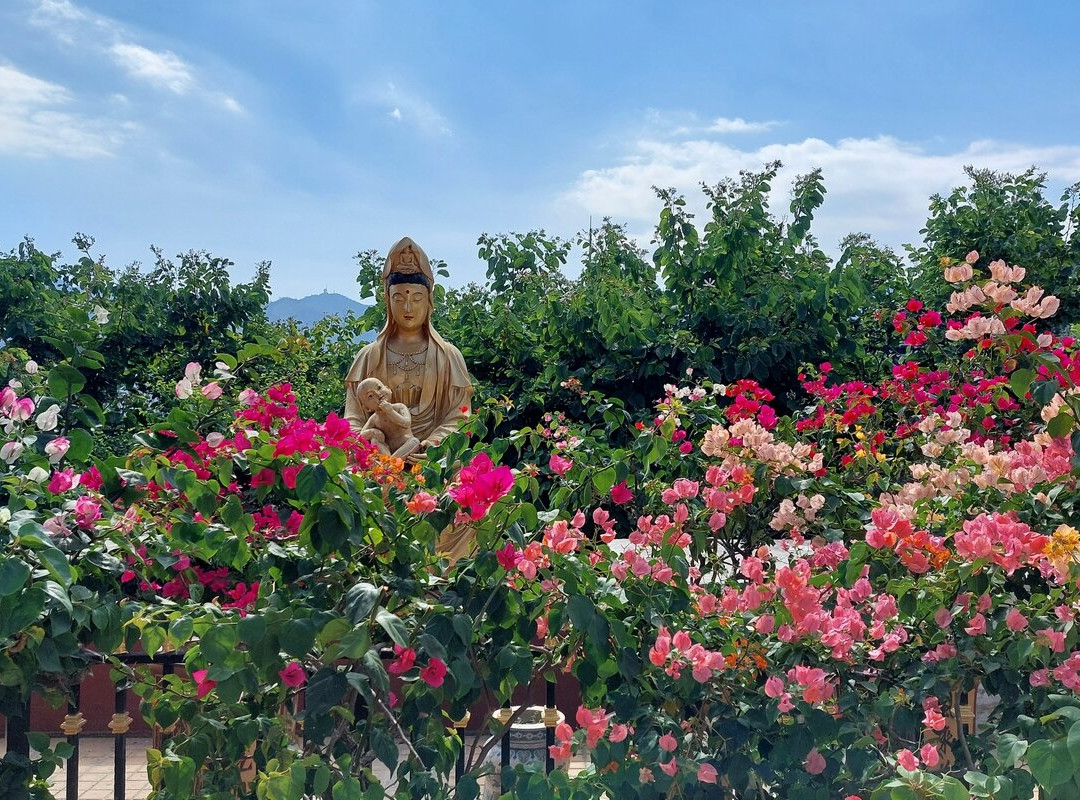
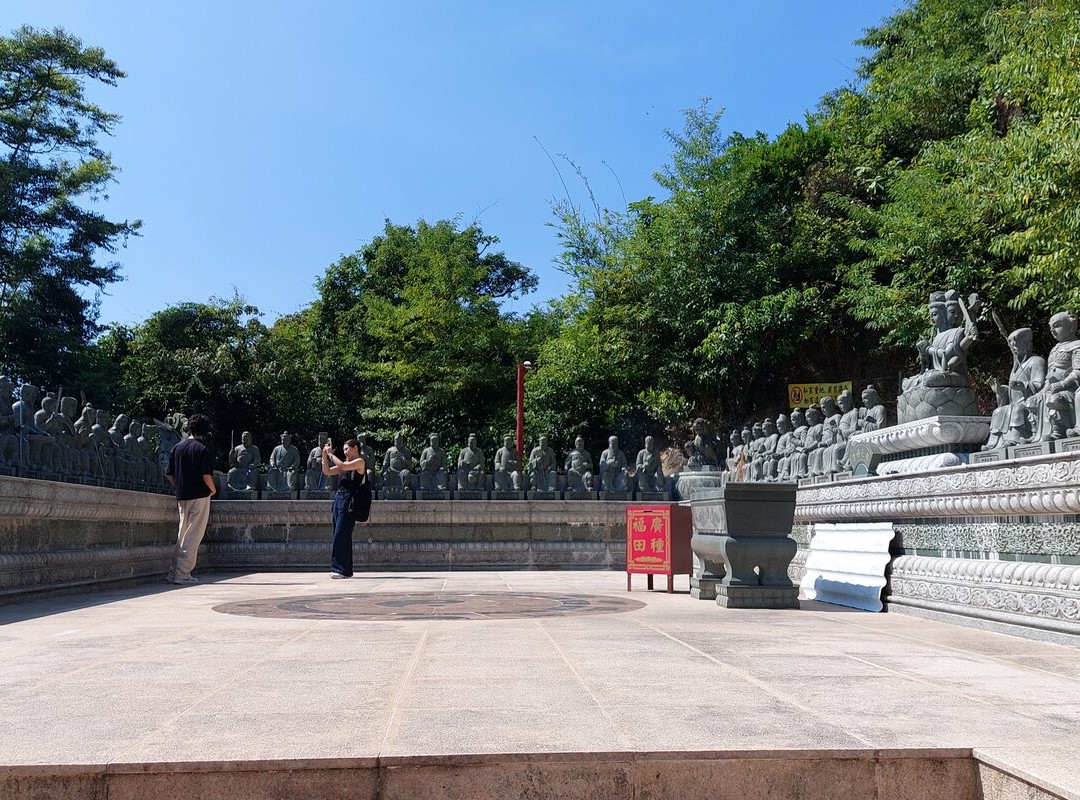
*) The walk up is lined with hundreds of golden Buddha statues, each with a different expression. try to avoid the (sometimes aggressive) monkeys.
*) There were also benches along the way to rest.
*) There were restrooms but they were old style with hole in the ground and not the western styled ones.
At the top
===================
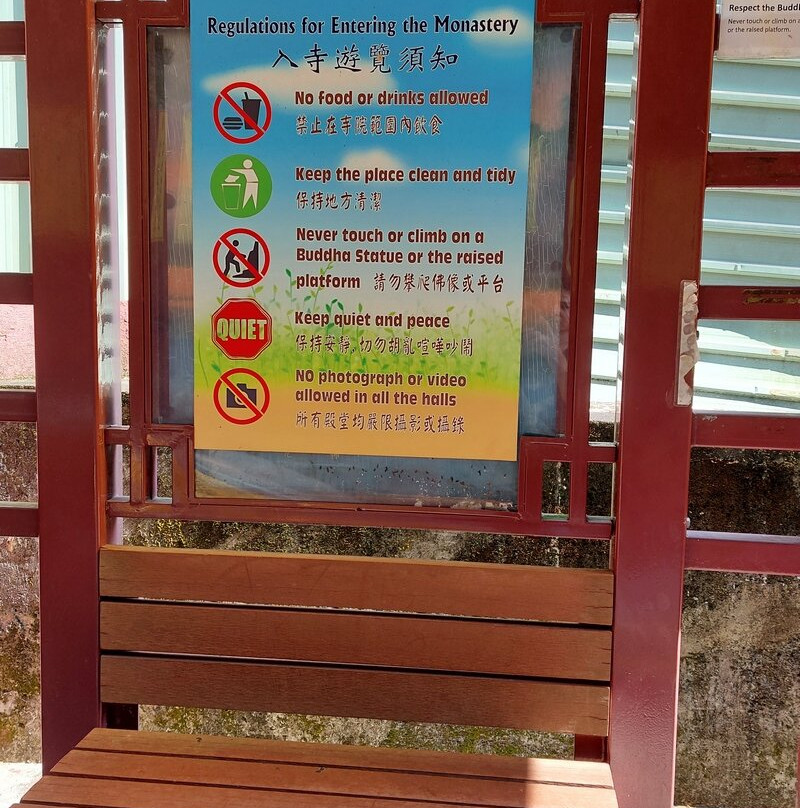
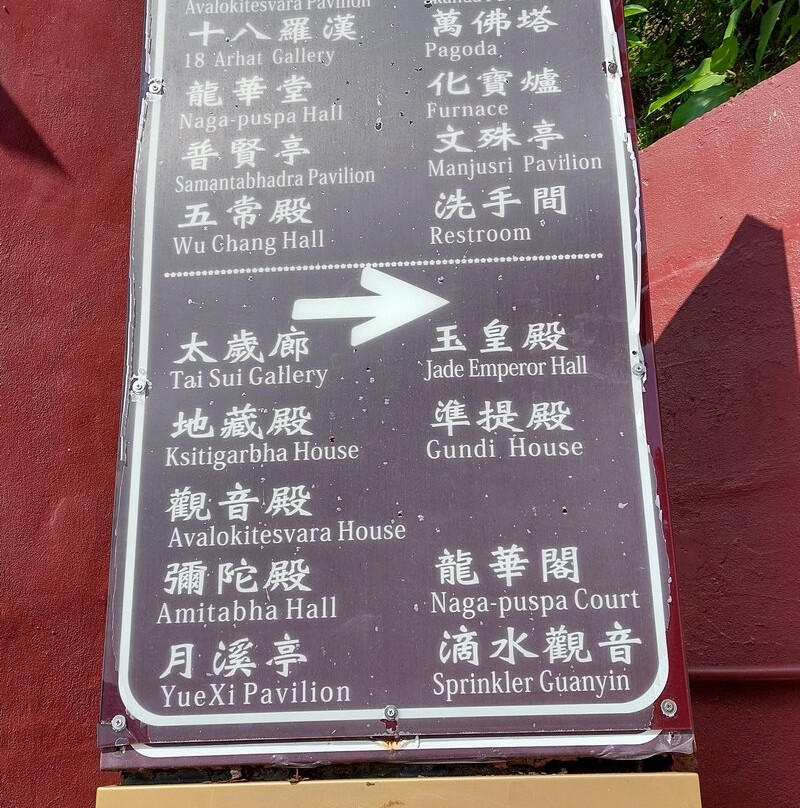
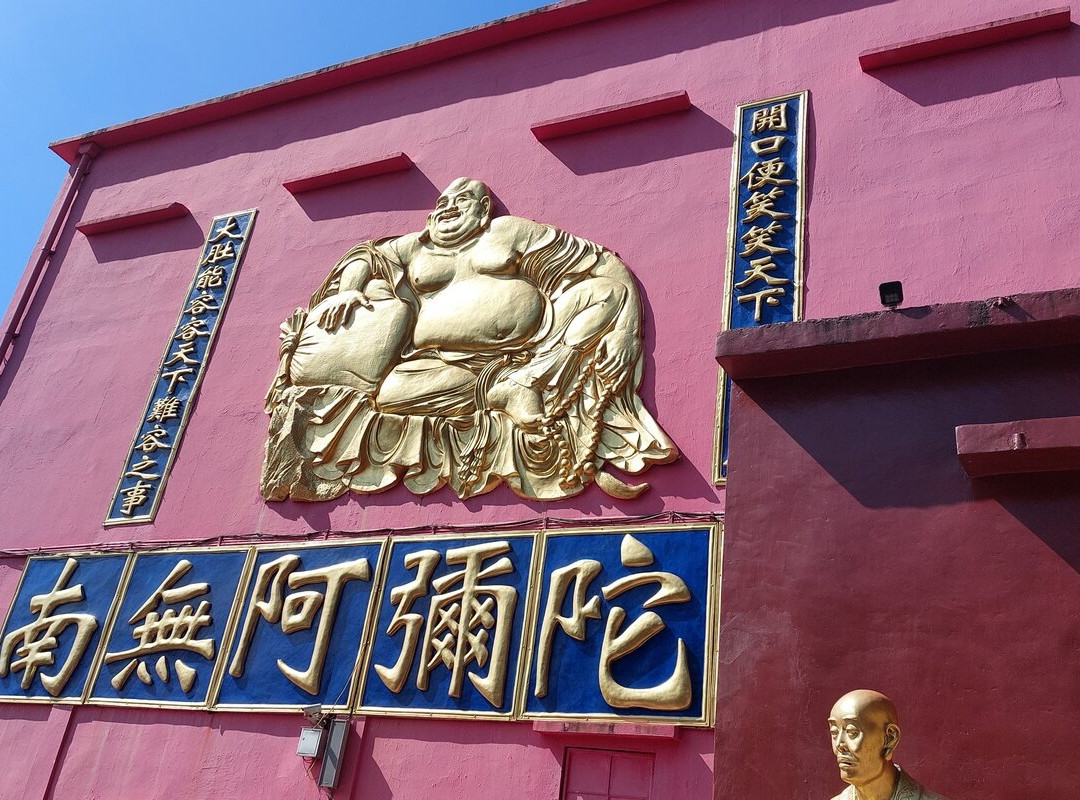
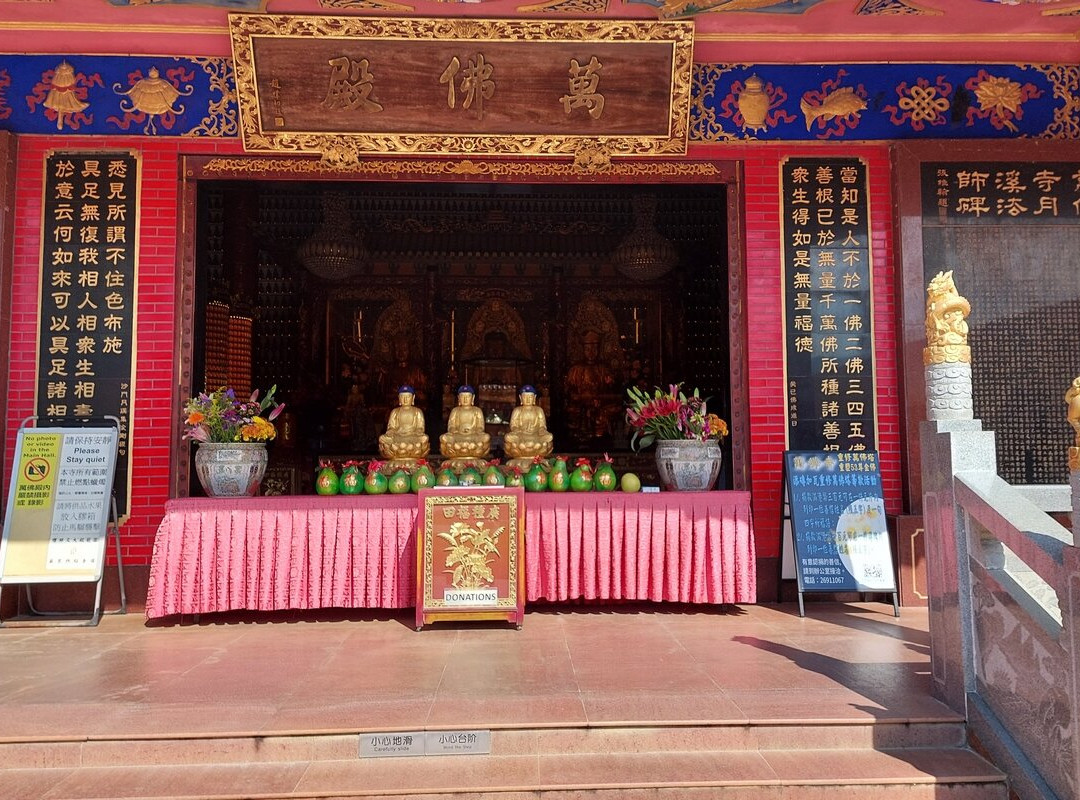
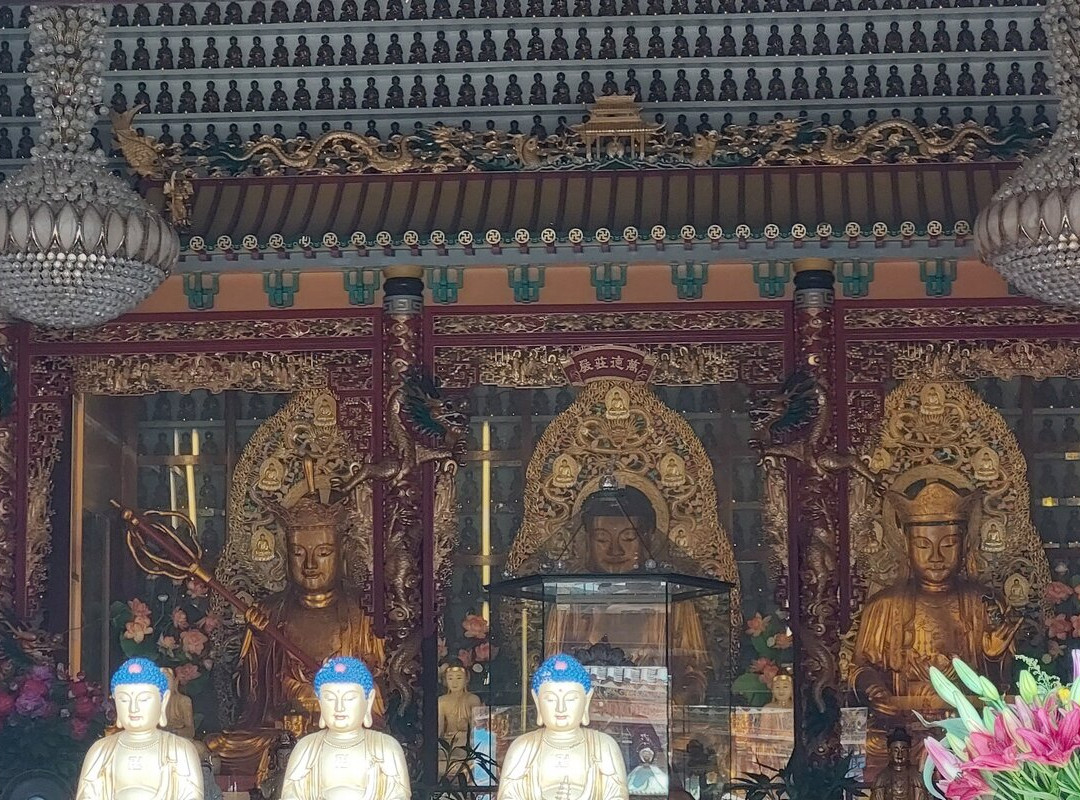
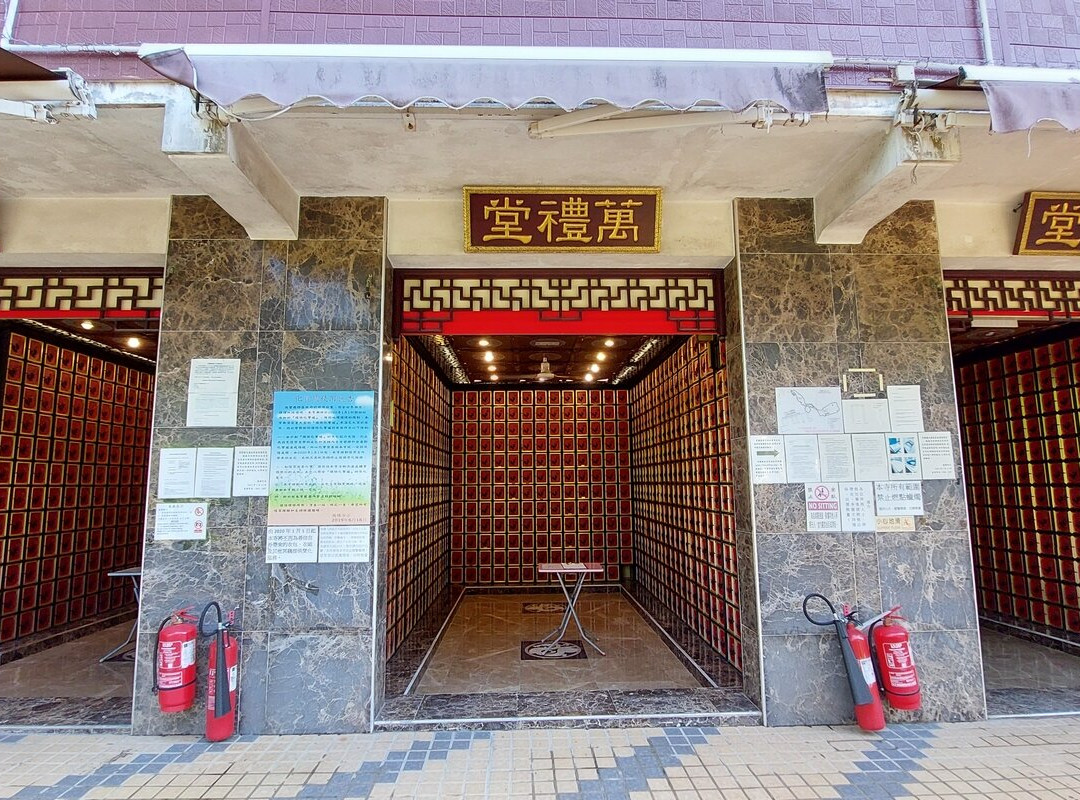
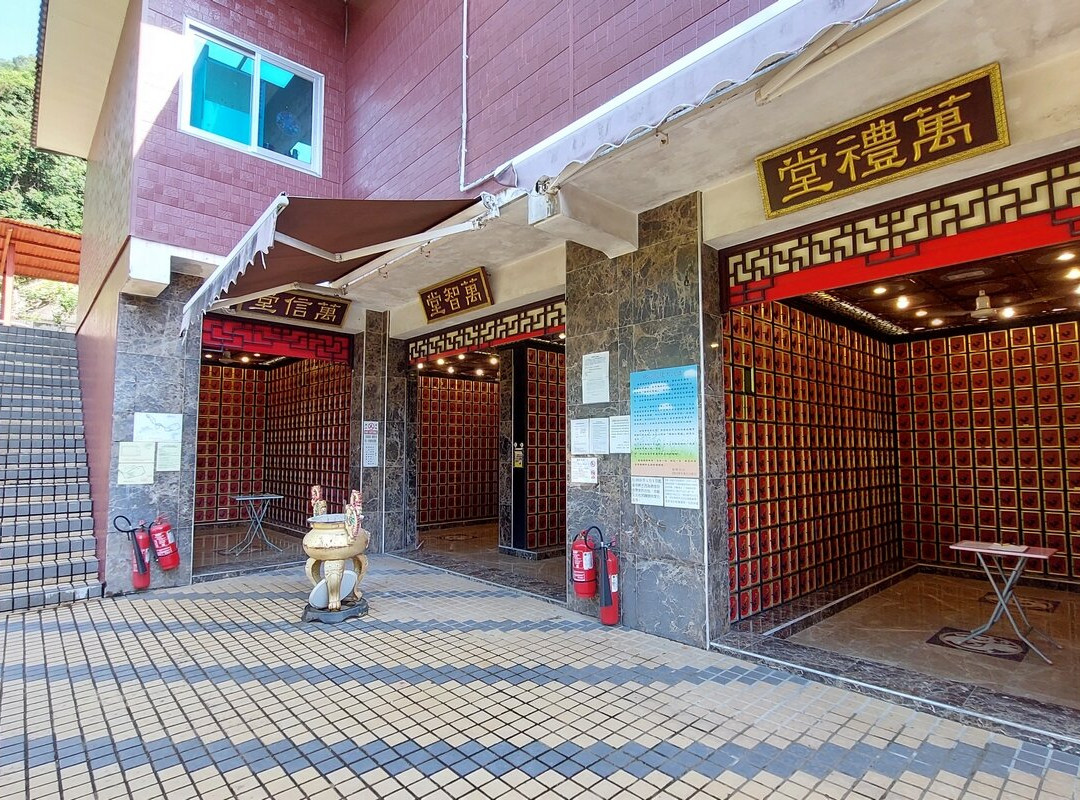
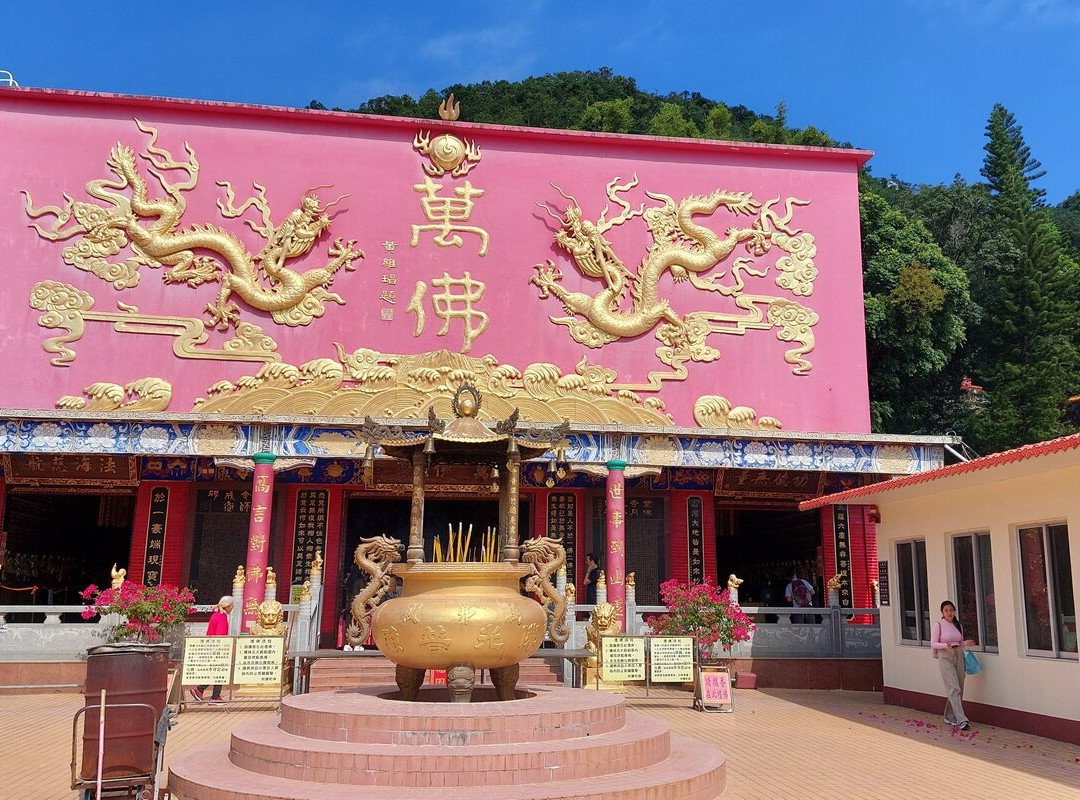
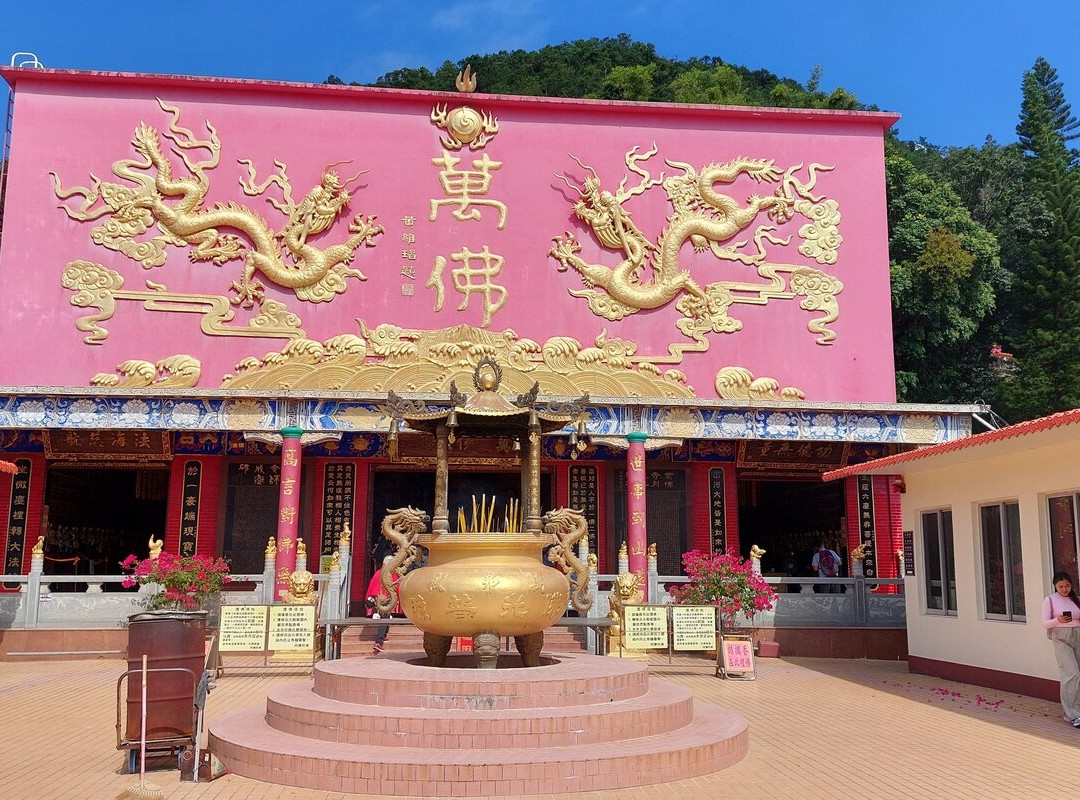
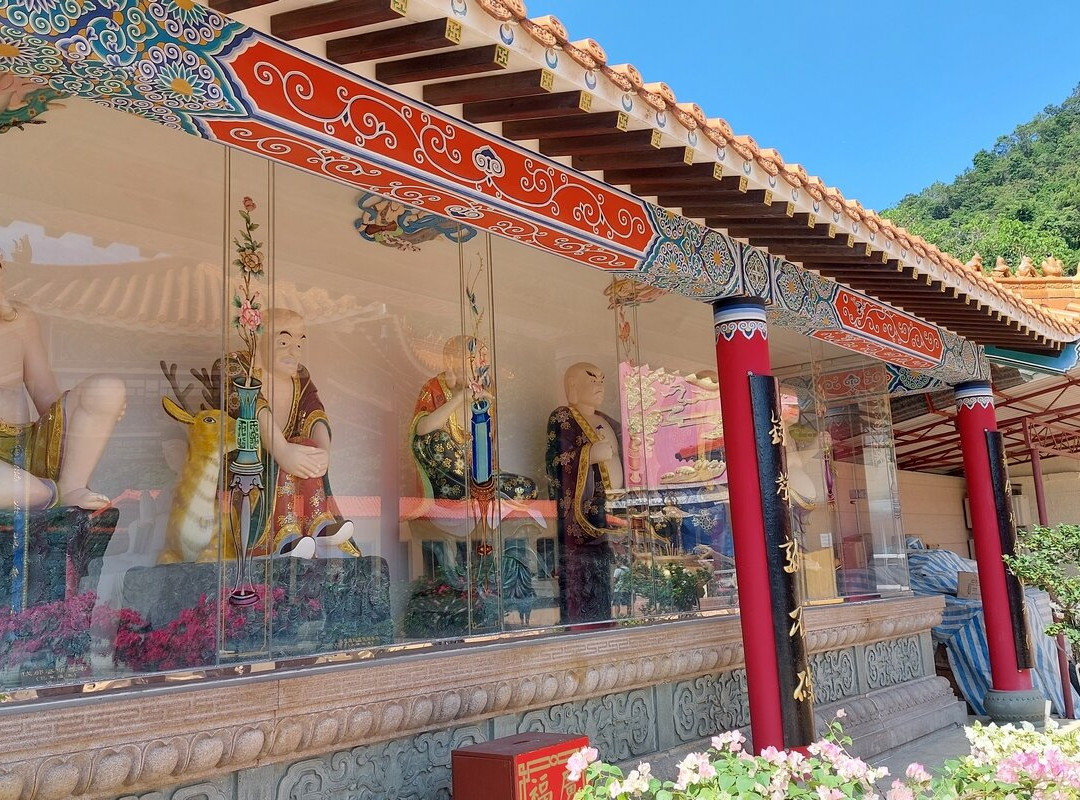
- Ten Thousand Buddhas Temple: The lower portion of the grounds is home to the Ten Thousand Buddhas Temple. Inside the walls are over 12,800 uniquely carved statues of Buddha. The temple was founded in 1949 by the Reverend Yuet Kai and his body still sits, preserved, on display at the center of the temple. You are not allowed to take pictures while in the main hall here but you take pictures from outside the main hall.
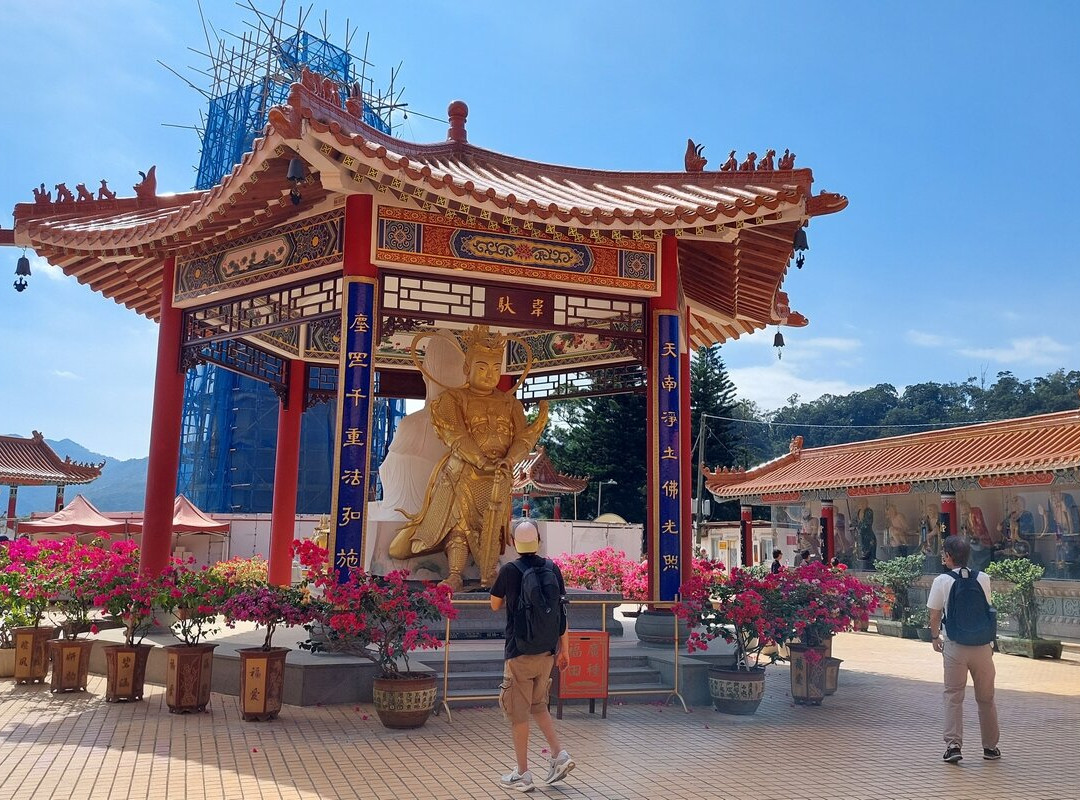
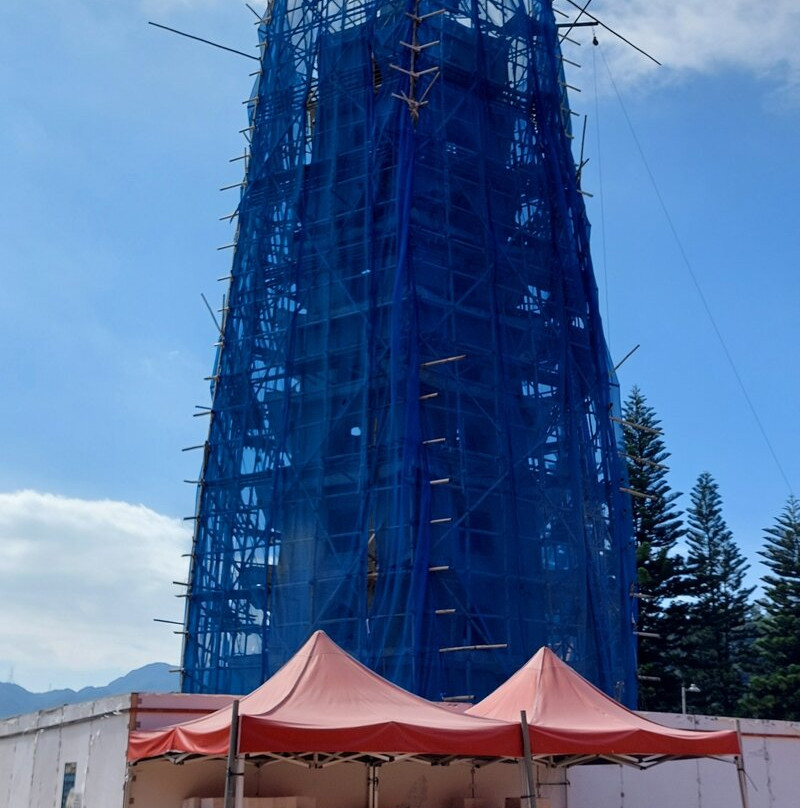
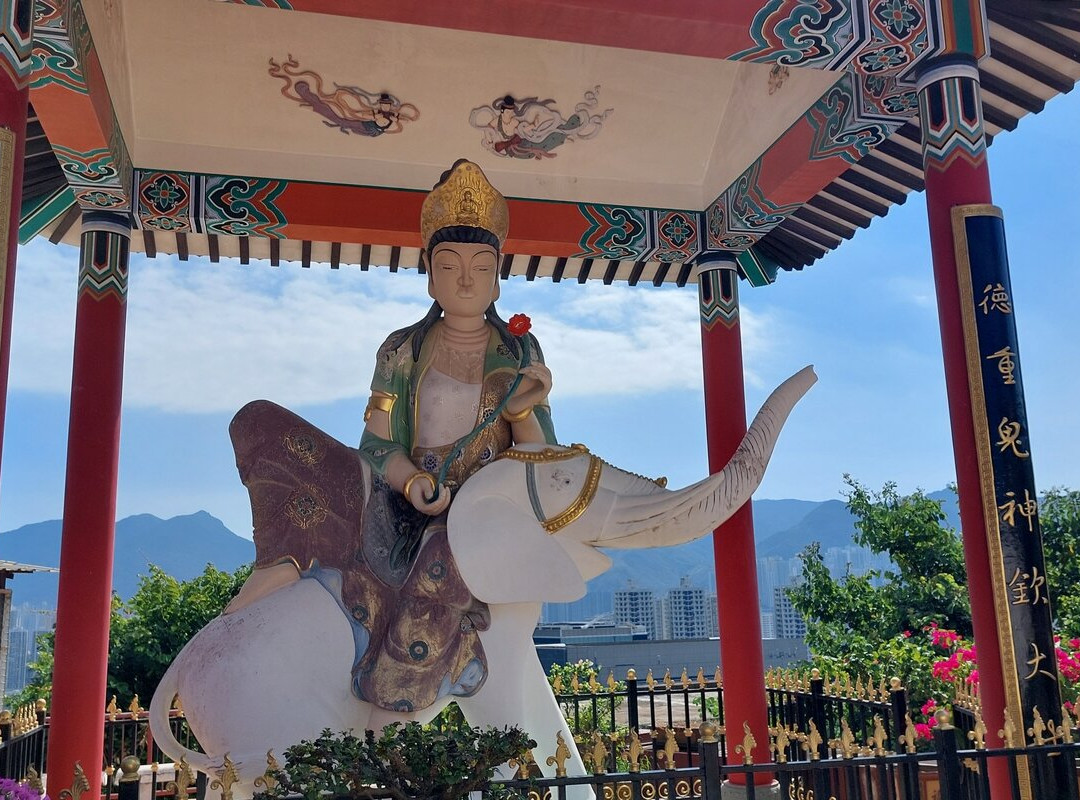
- Pagoda and Surrounding Area: Some more interesting and Beautiful statues surround the plaza where the famous Pagoda stands overlooking the city. This is the Pagoda featured on the HK $100 from 1985 to 2002.
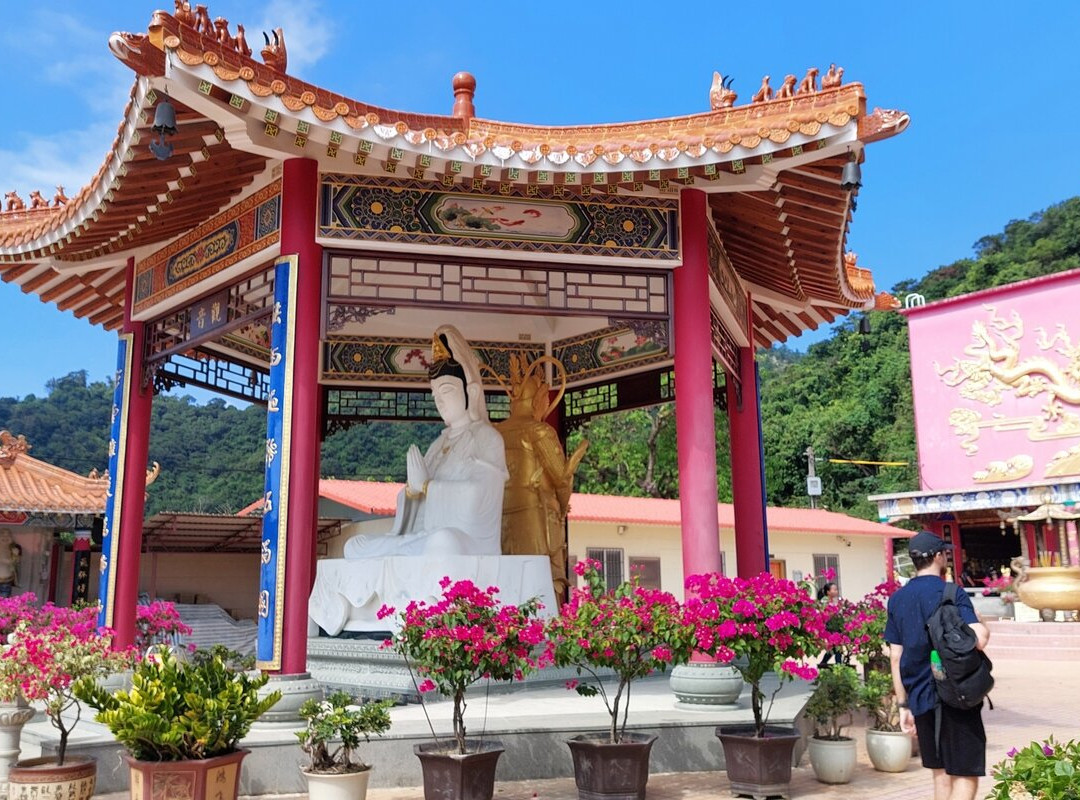
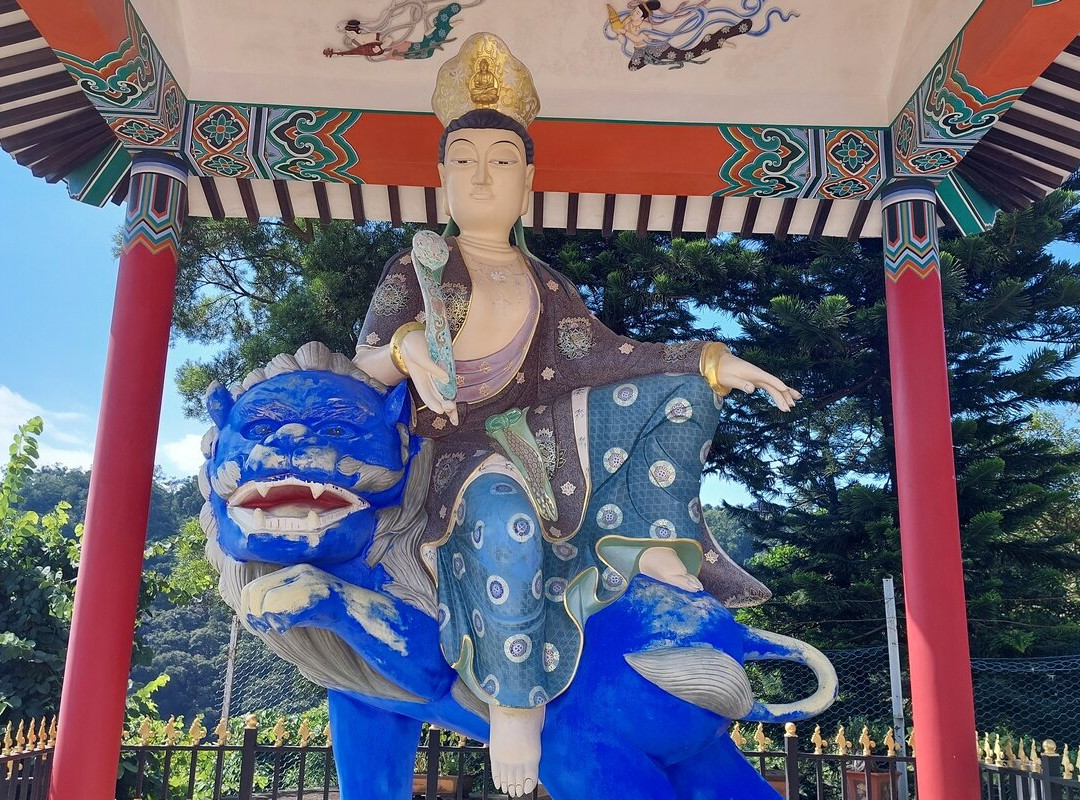
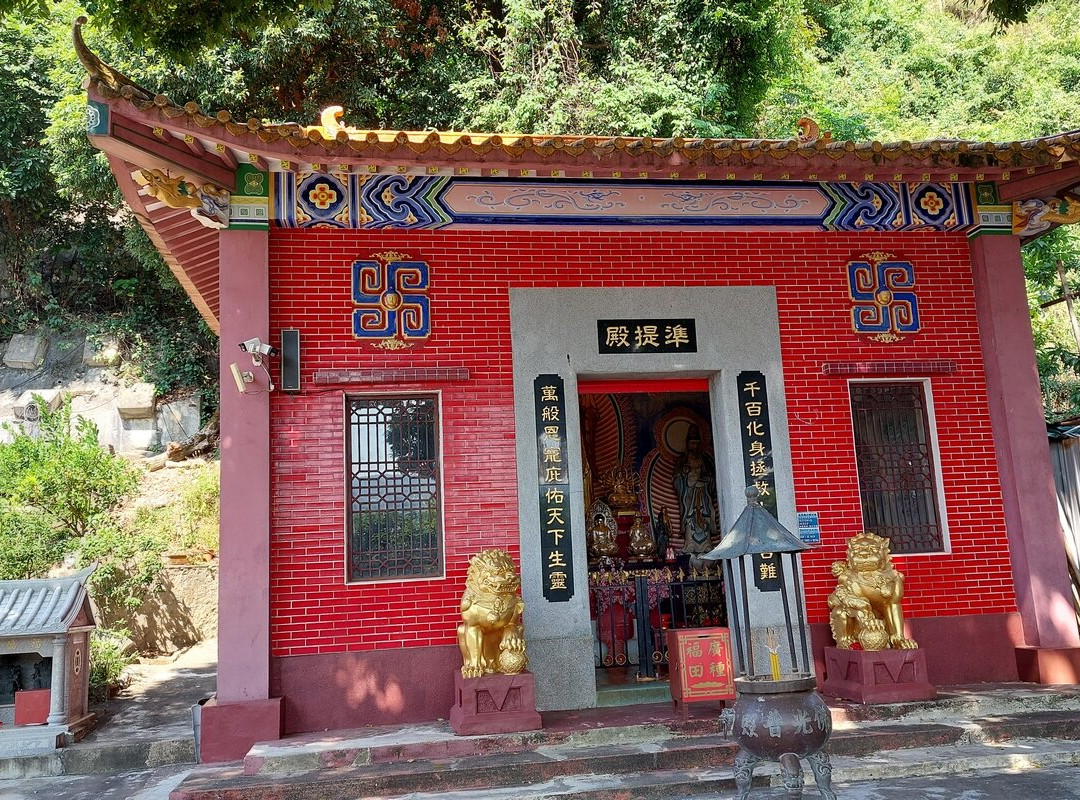
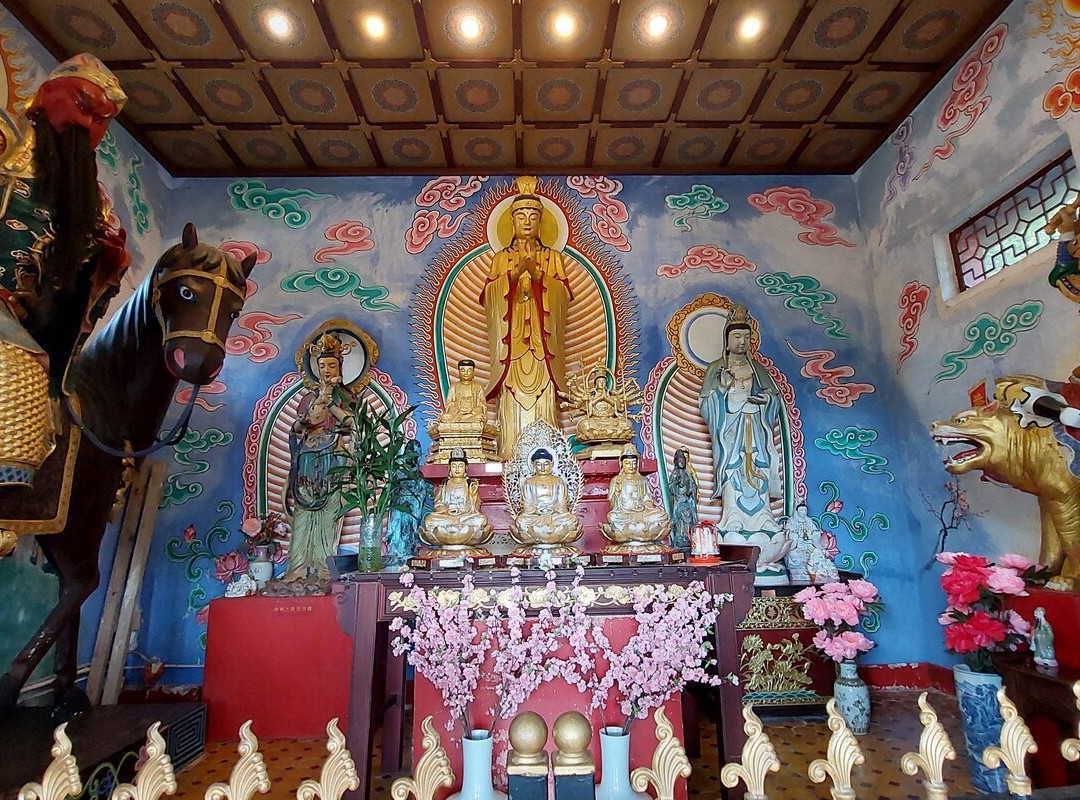
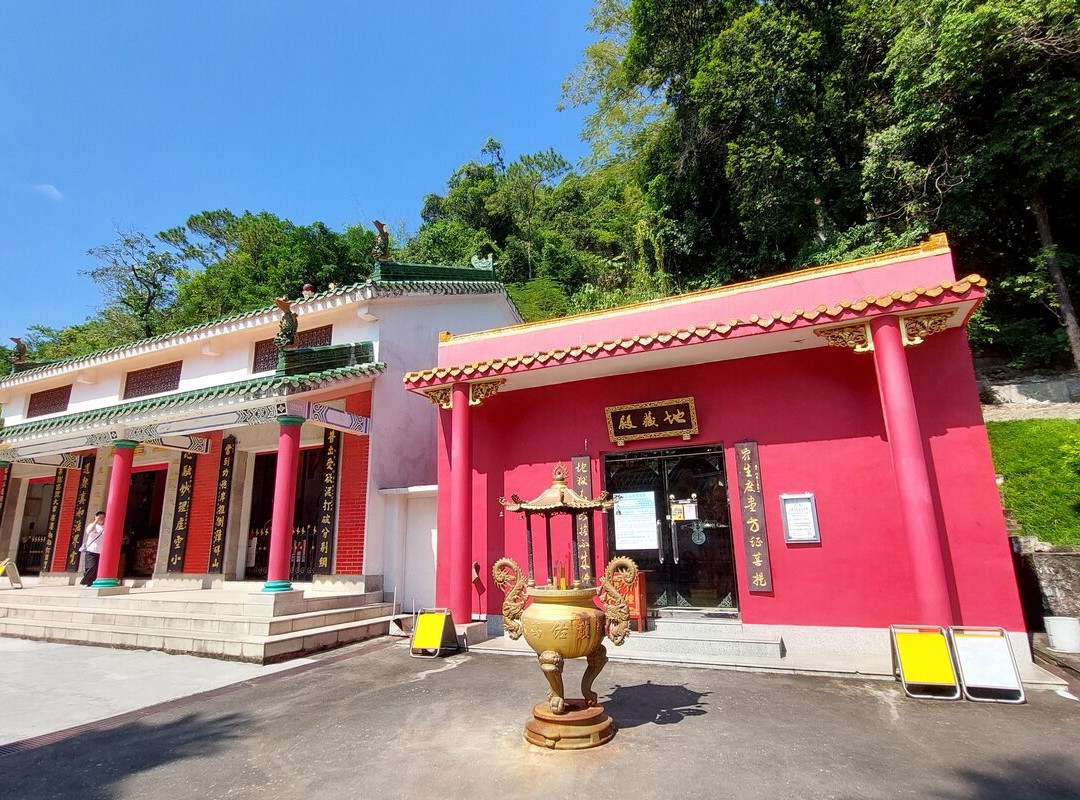
- Four More Temples: A bit further, (up some more stairs) are 4 more temples and more Buddhist statues. Each temple has a different statue of Buddha to worship. The area with the watefall and a white statue was closed for maintenance when I was there. Don’t miss this second level.
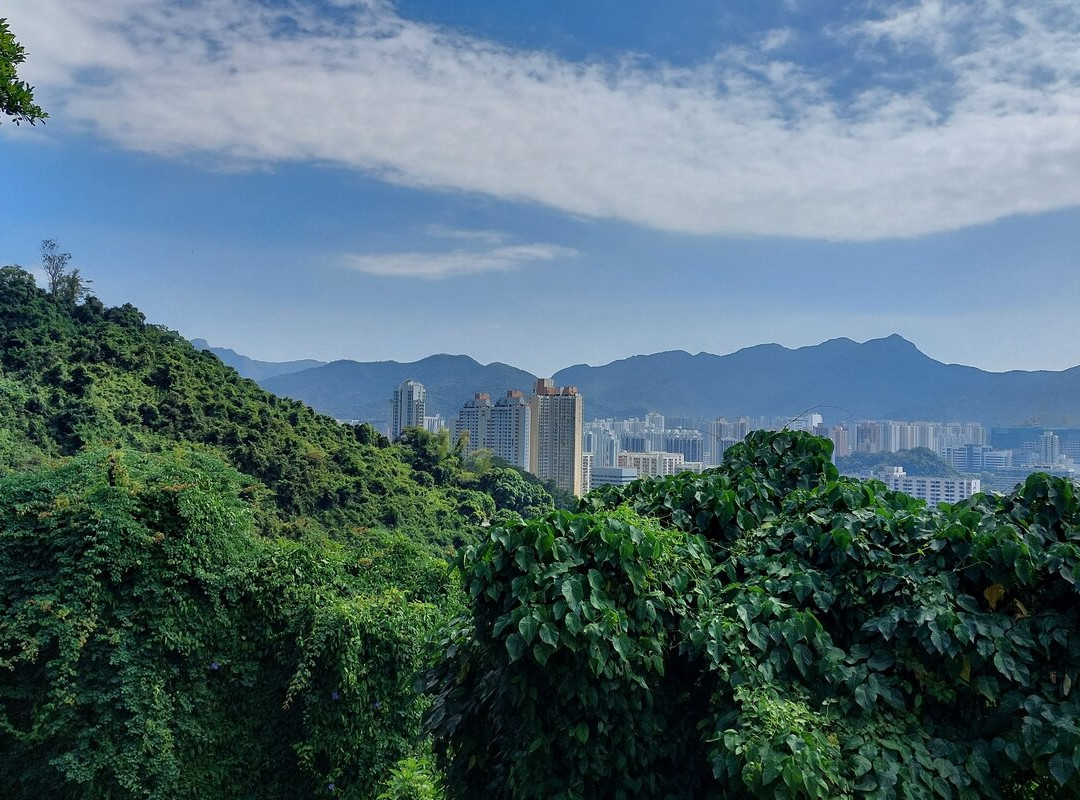
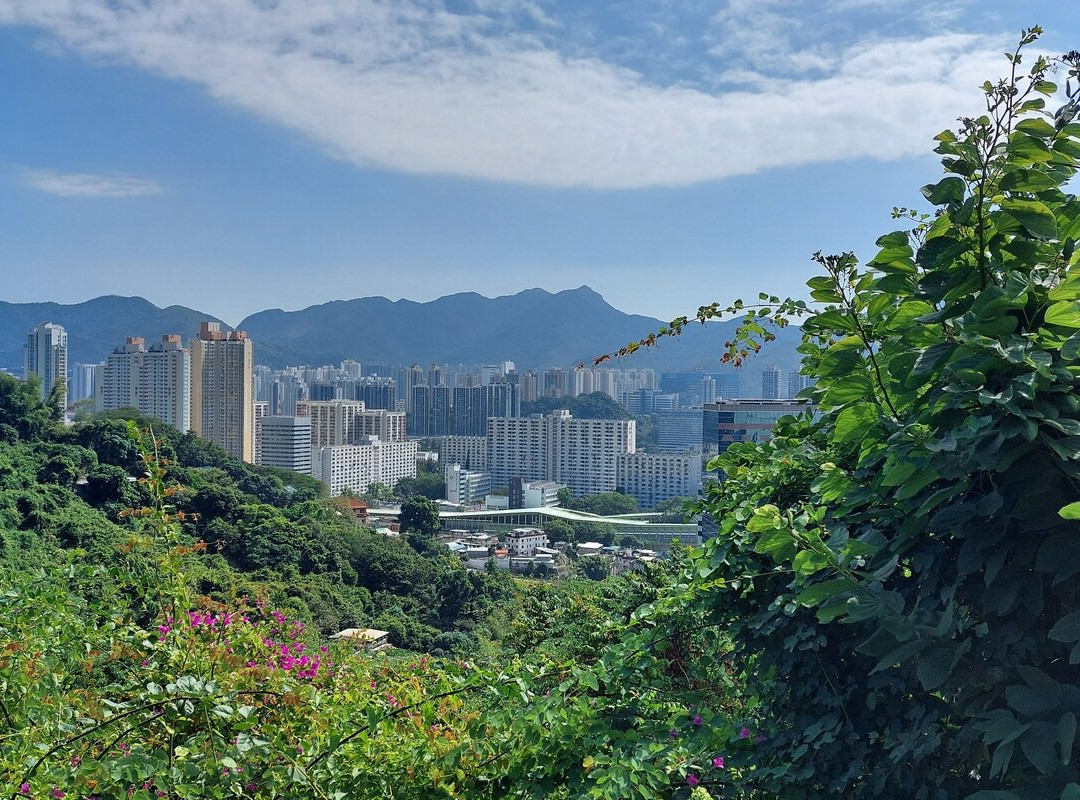
- The View from 10,000 Buddhas Monastery: It’s a beautiful area, up in the trees with fantastic views of the metropolis below.
翻译:*) 如何到达:从沙田站B出口出来后,向左转,沿着行人坡道走向街道。
*) 虽然这不是一个最容易到达的地点,但以下指引应能帮助你顺利抵达:
1. 乘坐东铁线至沙田地铁站,从B出口离开。
2. 向左转,沿着行人坡道步行。
3. 坡道尽头有一块指向政府大楼的指示牌,顺着该指示牌即可进入排头街。
4. 沿排头街直走,街道会向左转弯;此时你会看到右侧有一个大型的宜家标志。5. 在第一条街道处向右转,即上禾斜路。
6. 沿着看似死路的上禾斜路一直走到底,左侧会有一条小径,沿着它即可到达寺院入口。
7. 从沙田站走到这里应不会超过五分钟。
8. 沿着排列着佛像的楼梯向上走——大约需要20分钟,爬过431级台阶后才能抵达寺庙。
*) 沿途完全没有任何指示标志。那里仿佛是个隐秘的所在,他们似乎并不希望有人找到它,但这一切努力绝对是值得的。
*) 无需支付门票费用。第一层有个小餐馆可以买些点心饮料,不过登山途中还是建议自带饮用水。
*) 沿途排列着数百尊金色佛像,每一尊的表情都各不相同。记得要避开那些(有时会很有攻击性的)猴子哦。
*) 路上还设有一些长椅供人们休息。*) 那里有厕所,但都是老式设计——地面上有个坑洞,并非西式厕所。
顶部
===================
- 万佛寺:寺院的下方区域便是万佛寺的所在地。围墙内有超过12,800尊雕刻风格各不相同的佛像。该寺由月溪法师于1949年创立,他的遗体经保存处理后,至今仍陈列在寺院中央供人瞻仰。在这里的大殿内不允许拍照,但可以在大殿外拍照。
- 佛塔及周边区域:在这座俯瞰全城的著名佛塔所在的广场周围,还有一些颇具趣味且造型优美的雕像。这座佛塔正是1985年至2002年间出现在100港元纸币上的图案。
- 另外四座寺庙:再往前走一点(需要再爬几级台阶),还有四座寺庙以及更多的佛教雕像。每座寺庙都供奉着形态各异的佛像供人膜拜。我去的时候,有瀑布和白色雕像的区域因维修而关闭了。千万别错过第二层观景台哦。
- 从万佛寺俯瞰的景色:那是个非常美丽的地方,身处树梢之间,可以欣赏到下方大都市的绝美风光。

© 2026 Tripadvisor 版权所有。
部分照片由 VFM Leonardo 提供。
TripAdvisor公司对外部网站的内容一概不负责。优惠价格中不含税和其他费用。
ICP证:沪B2-20200433
沪ICP备20013175号
 沪公网安备31010502005427号
鹰程信息技术(上海)有限公司