下载App
资质规则
旅行
账户

Mami U
Rose O’Neill: Artful Lifetime of Kewpies 👼🏻
Bonniebrook Historical Society and Kewpie Museum的点评
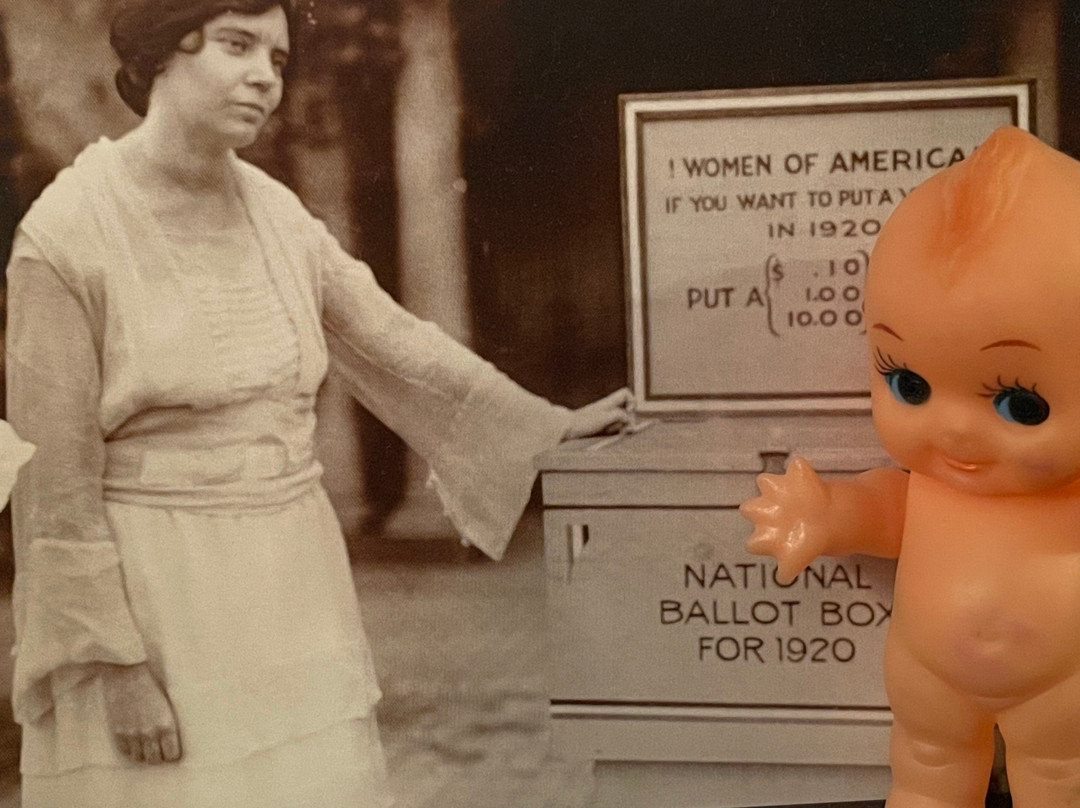
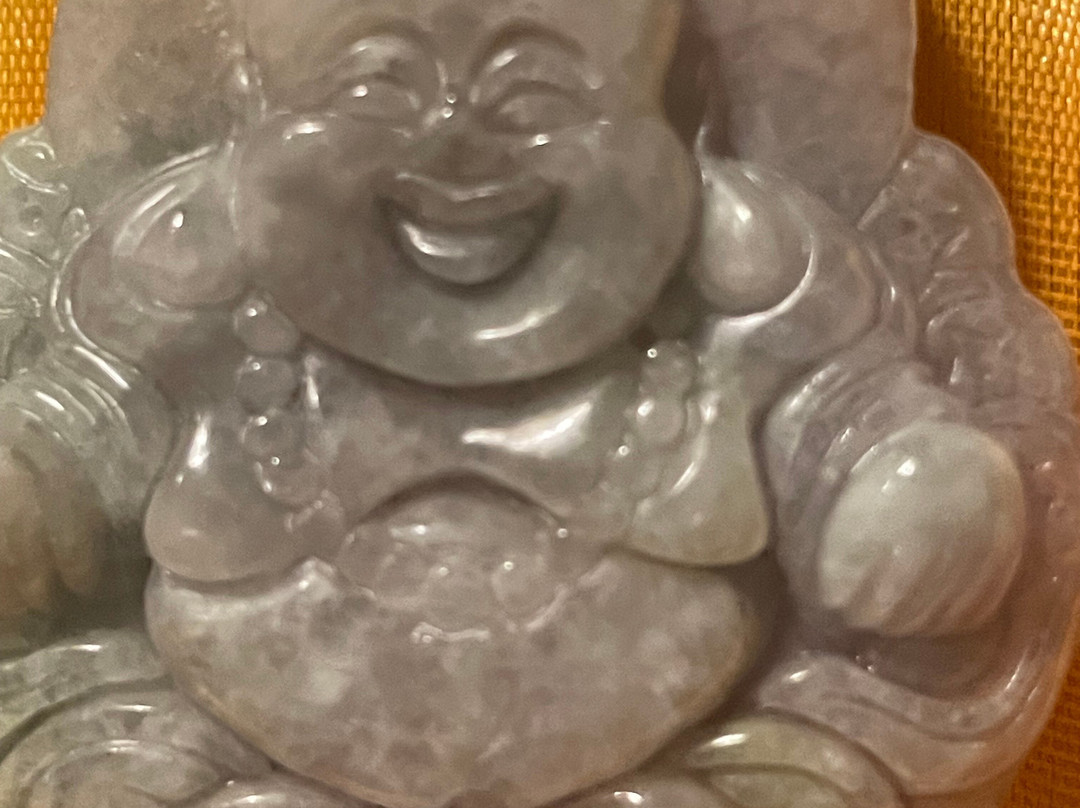
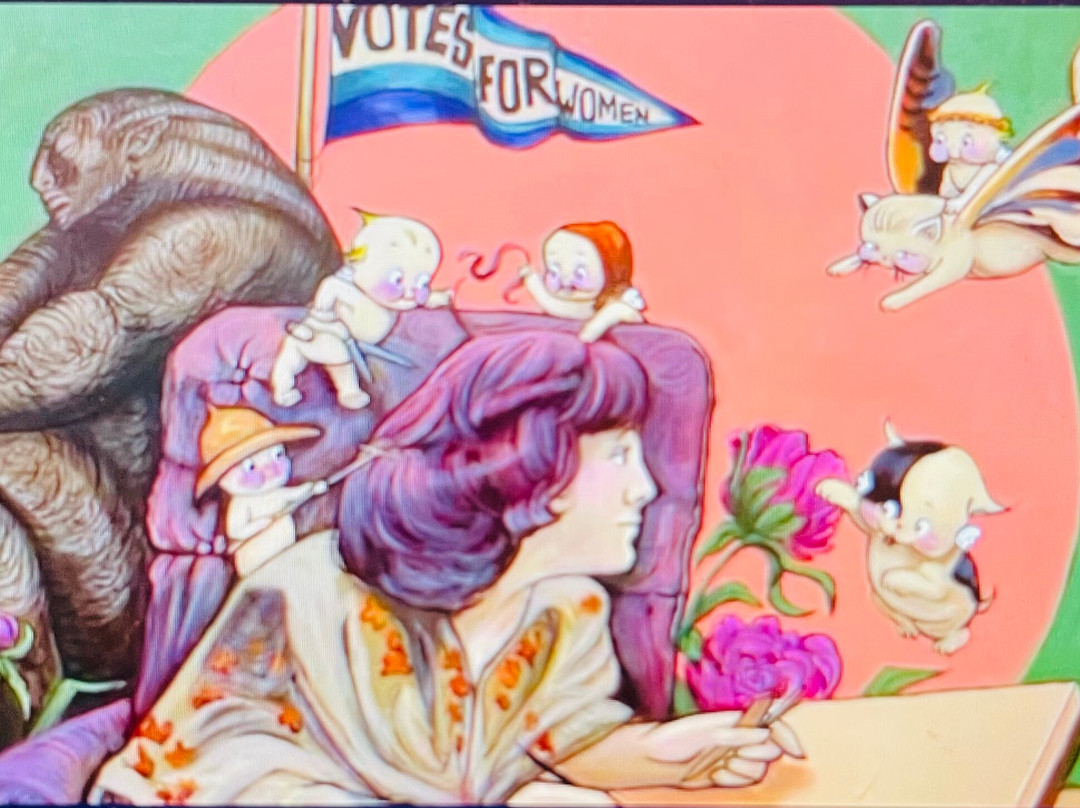
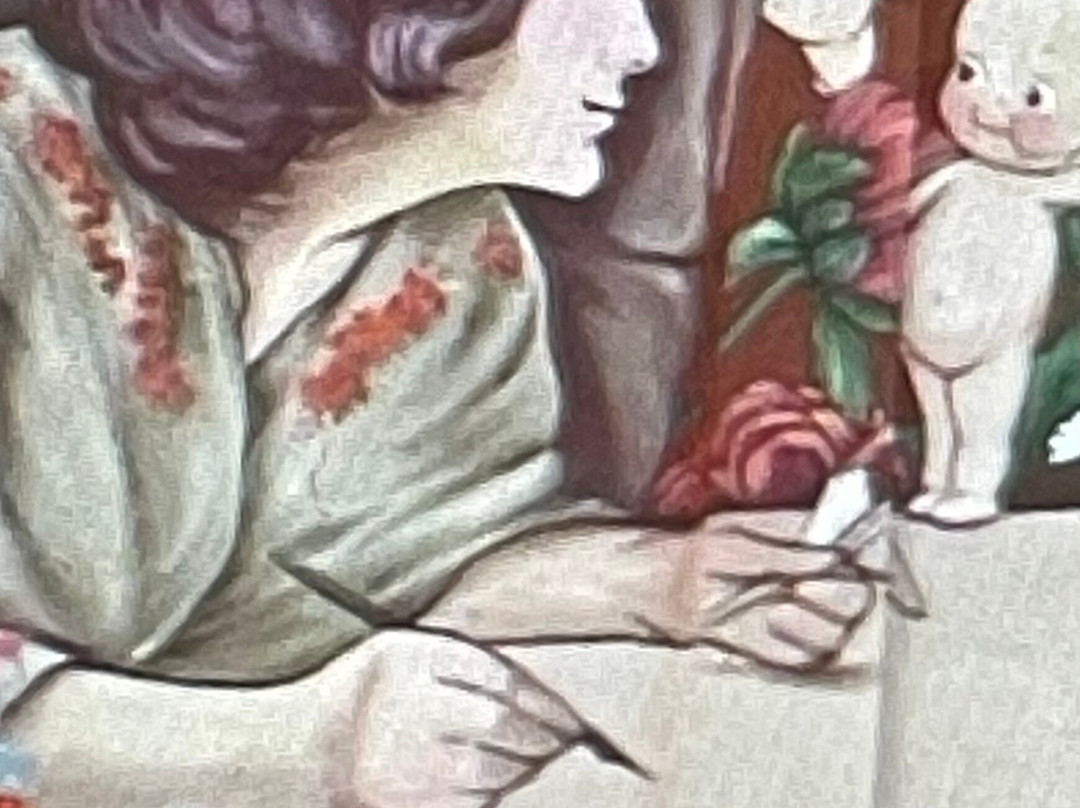
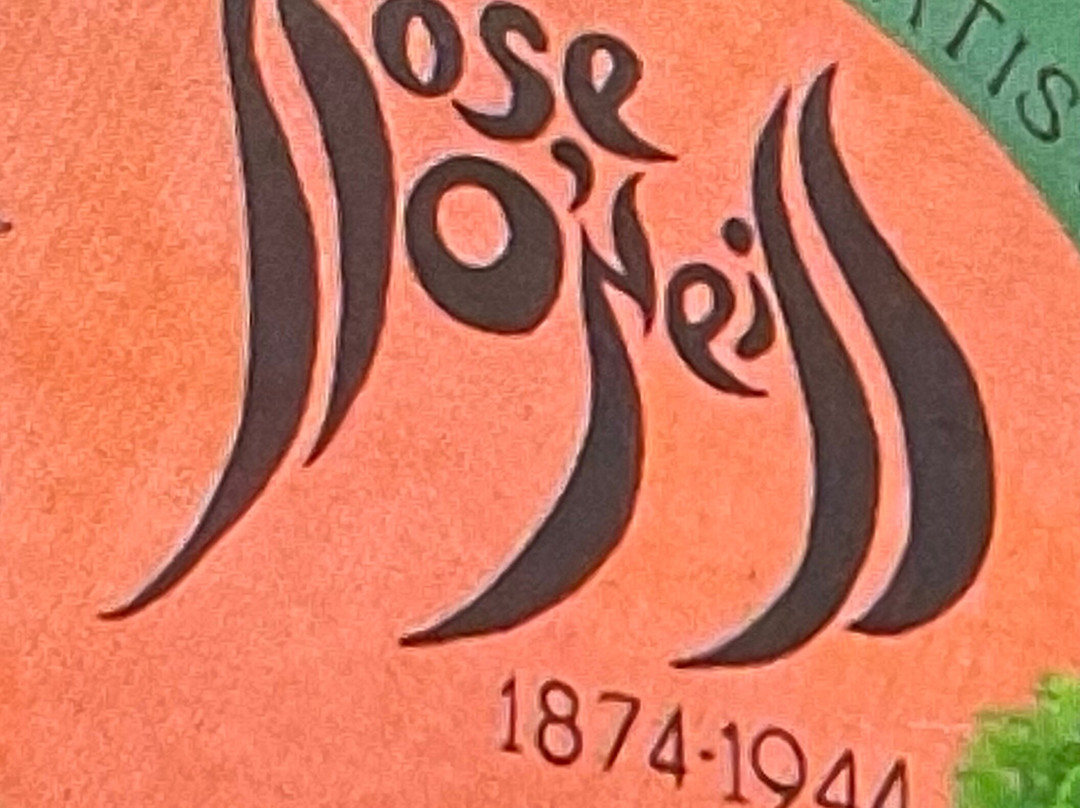
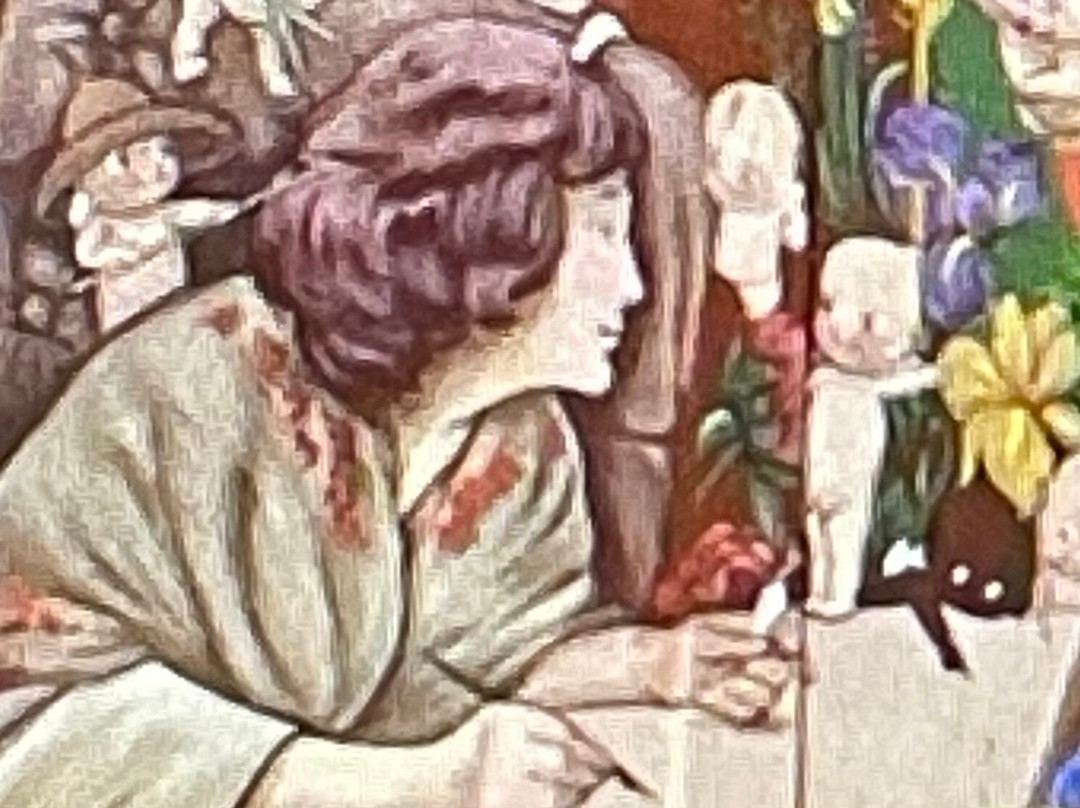
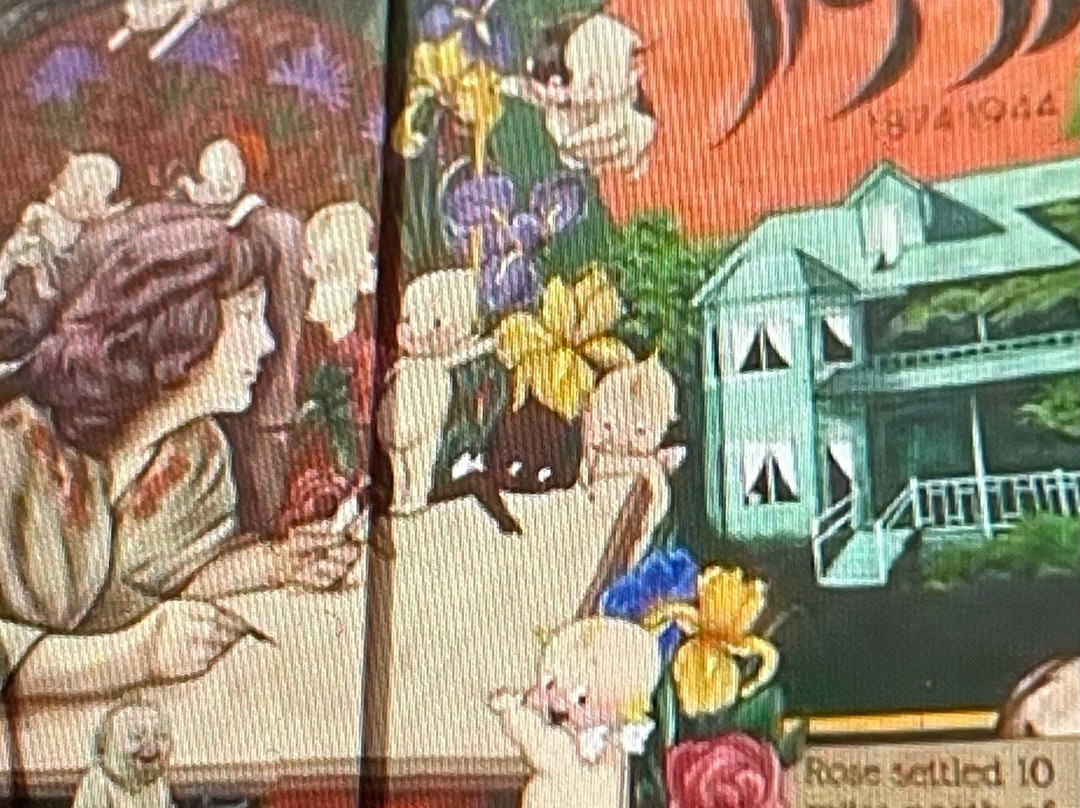
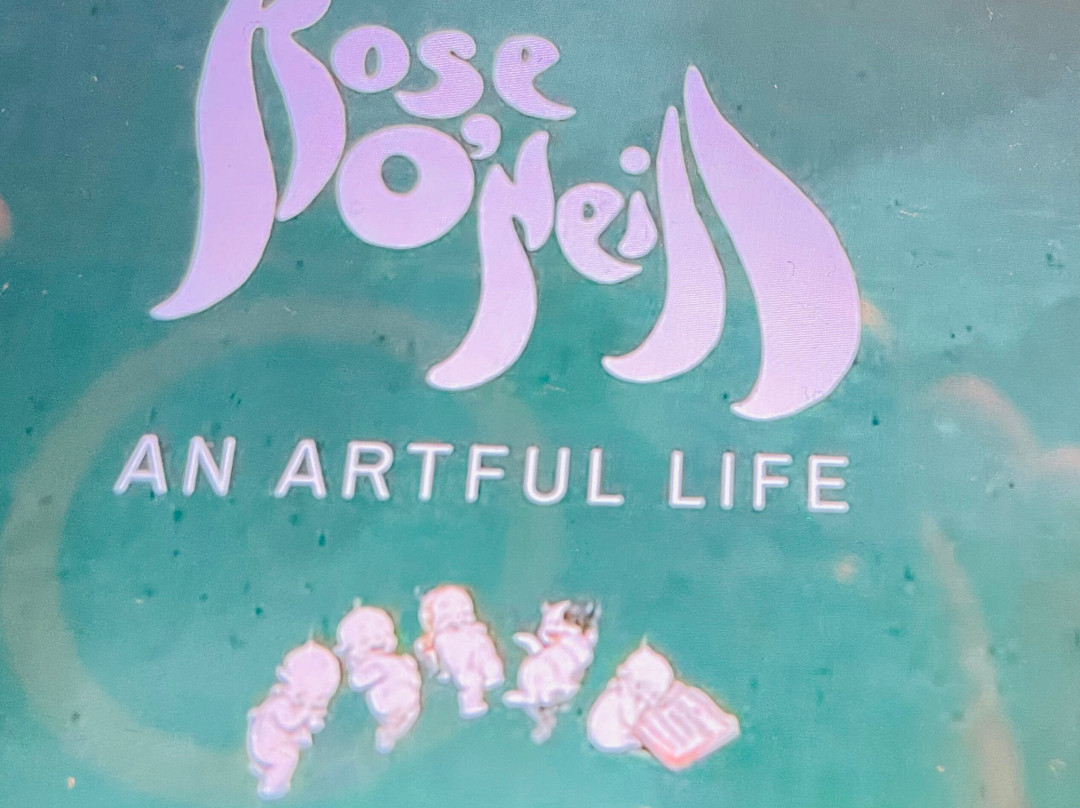
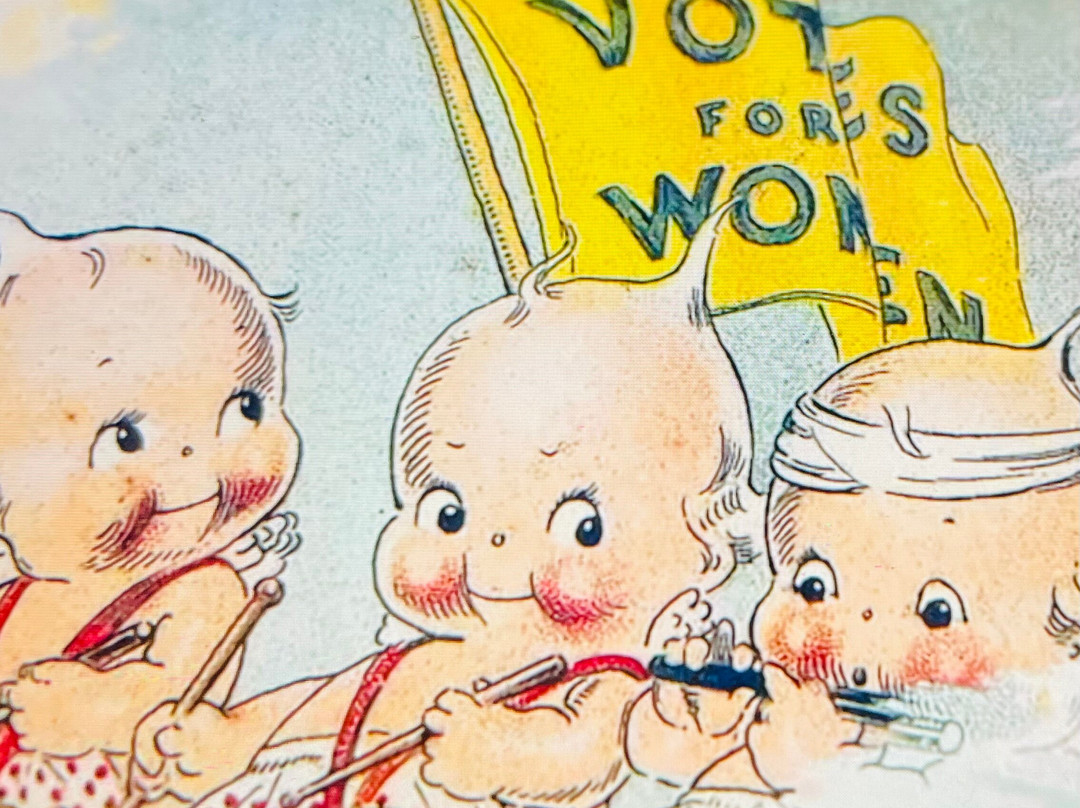
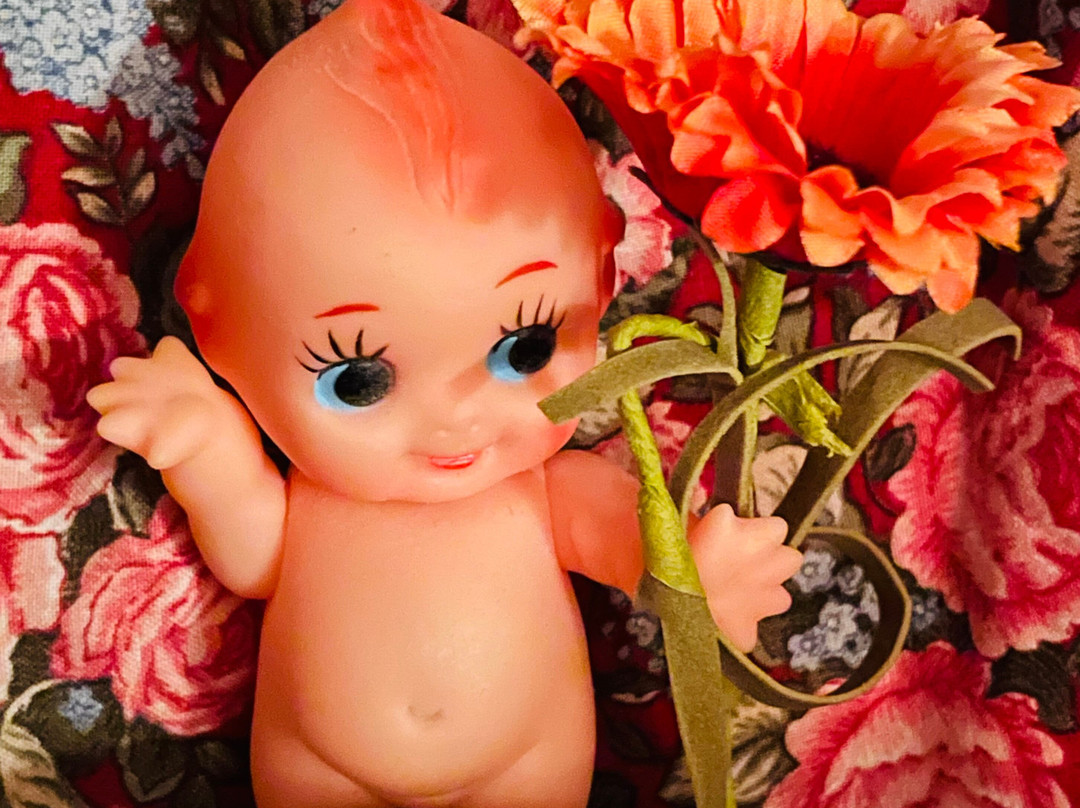
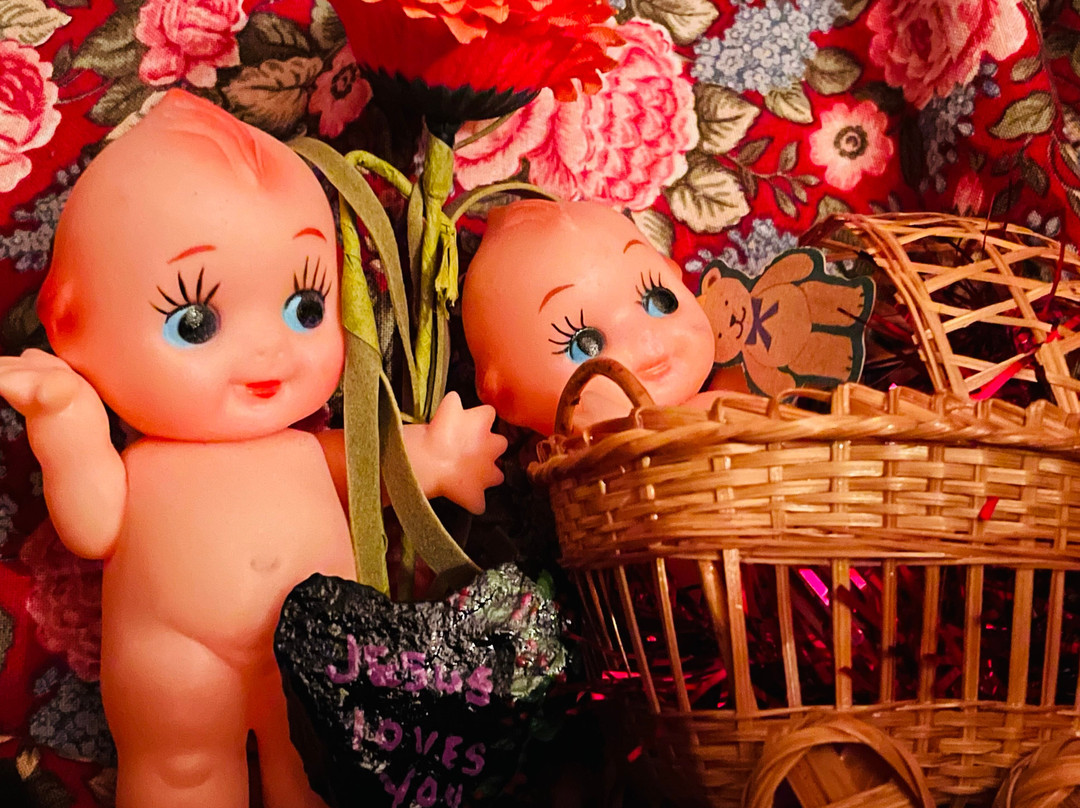
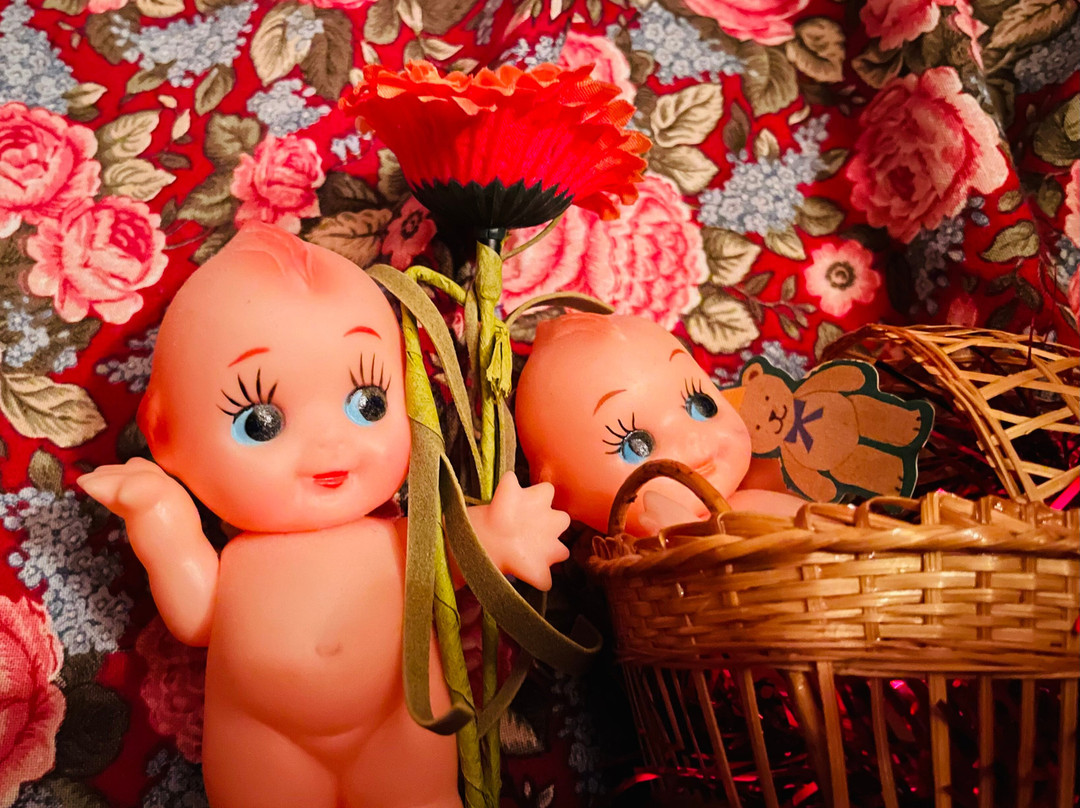
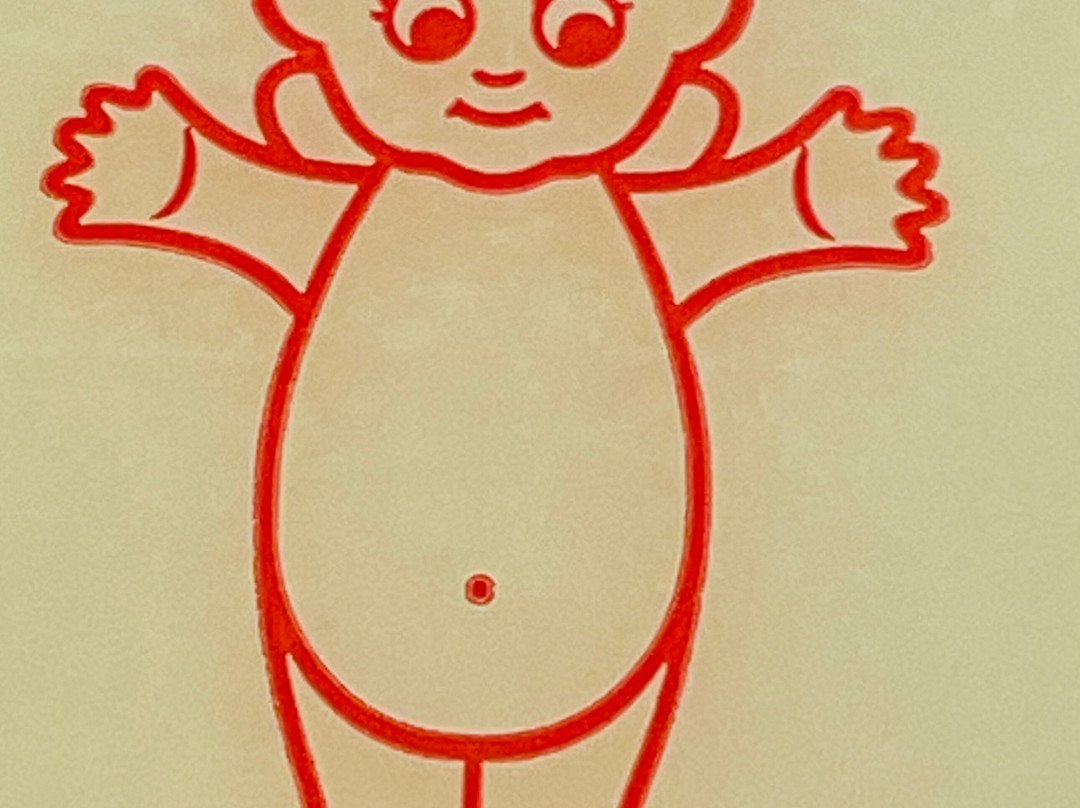
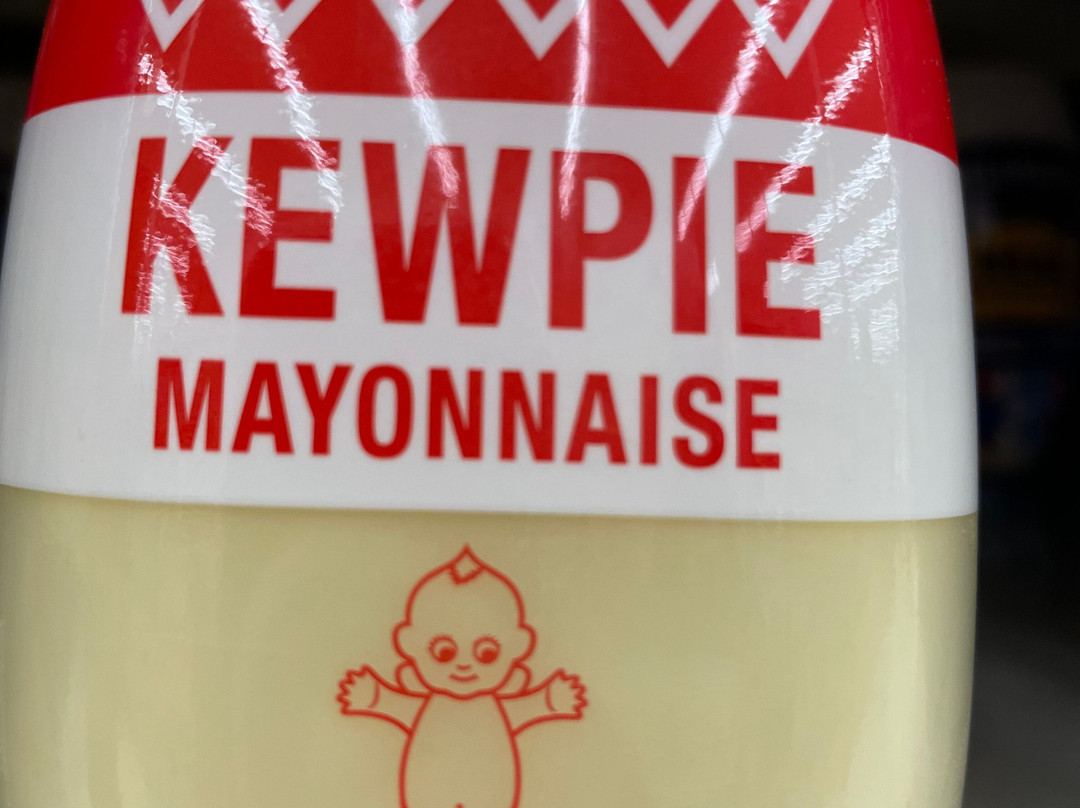
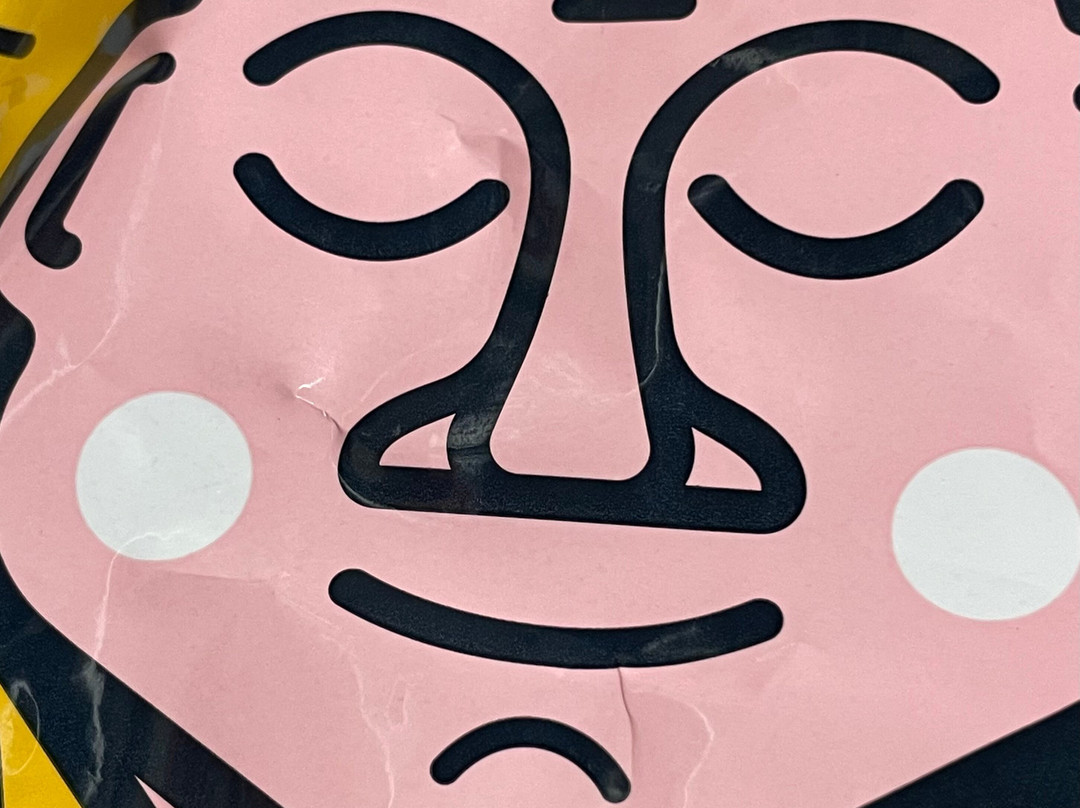
点评:I really enjoyed the Ozarks Public Television’s (OPT) newest locally-produced history documentary, “Rose O’Neill: An Artful Life”! I learned more about Rose O’Neill and the Kewpies than I knew before. Kewpies were my mother’s favorite doll. She was the reason why I fell in love with Kewpies👼🏻! It is very informative and interesting documentary about the woman who created the world of Kewpies! Just eight miles north of Branson lies a lite known treasure named Bonniebrook, the birthplace of a phenomenon that captured both America’s and Japan’s heart and has remained popular for decades. Bonniebrook was once home to Rose O’Neill, creator of the impish creatures she called Kewpies, because they looked like tiny Cupids with tiny blue wings! O'Neill described the characters as "a sort of little round fairy whose one idea is to teach people to be merry and kind at the same time." Born in Wilkes-Barre, Pennsylvania and raised in rural Nebraska, Rose O'Neill (1874-1944) taught herself how to draw, achieved success at a young age, gained tremendous wealth from the creation of Kewpie dolls, and contributed to the women's suffrage movement. She created the first comic strip published by a woman in the United States, was married and divorced twice, and hosted events for celebrated authors, artists, and poets of the day, including James Montgomery Flagg, Edwin Arlington Robinson, Khalil Gibran, and Booth Tarkington, before settling down in the Ozarks region of Missouri. It's a small museum, but it's a lovely feeling about the history of the life of Rosie O'Neal. She was born 152 years ago, but her Kewpie dolls are still alive today especially in JAPAN. It was there, in 1909, that Rose dreamed of cherubic little elves bouncing on her bed. Awakening, she hurried to her drawing table and sketched the first of her sweet Kewpies. The museum is packed full of art and Kewpie dolls. Kewpies also became deeply tied to Japanese popular culture after being introduced to Japan in the early 20th century. As the story goes, in the 1910s, Toichiro Nakashima, an intern for Japan’s Department of Agriculture and Commerce, traveled to the U.S., where he encountered mayonnaise. Inspired by its nutritional value, he aimed to make mayonnaise a household staple in Japan. In 1925, he launched Kewpie Mayonnaise, an egg-yolk-based formula designed to improve public health. Recognizing the popularity of Kewpie dolls, Nakashima reportedly struck a licensing deal with O’Neill, using the cherubic figures to market his brand. At the time, he also acquired the exclusive rights to commercial use of the Kewpie likeness in Japan and other Asian markets. Can still find Kewpies and their influence in a wide variety of cultures and forms. Asian groceries in the U.S., for example, still stock their shelves with Kewpie Mayonnaise. The tour guides in this documentary were very helpful and knowledgeable to help explain about her life and the history of the dolls. She spent her final years at Bonniebrook. But then, Rose O’Neill dreamed another dream. In the same house, in the same room where she brought forth the famous Kewpies almost thirty years before, there suddenly came another. This time it was a little laughing Buddha-like figure called Ho-Ho. He sits in a Buddhist meditation, with little plump hands spread out on little plump knees, but his head is thrown back in a hearty laugh! Ho-Ho laugh is not quite like any other laughter. It is sad that the Ho-Ho was Rose’s last creation because it was not very successful. There is something odd about that laugh. It is funny, contagious, and winsome, but the wisdom of the ages is in it too. Hotei is known in the West as the Laughing Buddha.
Bonniebrook was placed on the National Register of Historic Places in 1984. It's a wonderful feeling after what I've seen today on this documentary! Bonniebrook’s museum contains Rose’s original artwork, doll molds, and sketches.
The building stands as a tribute to the little Kewpies that became symbols of innocence, love, and good cheer, and to the woman who created them. Bonniebrook is open from April through November, Mondays through Saturdays, from 9 A.M. to 4 P.M. Admission is $7 for adults and children 12 and under are admitted free. To get there from Branson, go north on Highway 65 past Bear Creek. Turn right on Rose O’Neill Road, and go one mile to the Bonniebrook Park entrance. Fantastic small Museum for one of a kind successful woman business with a huge heart of gold!
翻译:我非常喜欢奥扎克斯公共电视台(OPT)最新制作的历史纪录片——《罗斯·奥尼尔:充满艺术气息的一生》!通过这部影片,我了解到许多关于罗斯·奥尼尔以及Kewpies玩偶的知识。Kewpies可是我母亲最喜欢的玩偶,也正因如此我才爱上了它们👼🏻!这是一部内容丰富且妙趣横生的纪录片,讲述了这位创造出Kewpies世界的女性的一生。布兰森以北仅八英里处,有个鲜为人知的宝地,名叫邦妮布鲁克。这里是某个现象的诞生地——这一现象深深打动了美国与日本民众的心,且数十年来一直广受欢迎。邦妮布鲁克曾是罗斯·奥尼尔的居所,她创造了那些调皮可爱的小生物,并称之为“Kewpies”,因为它们看起来就像长着蓝色小翅膀的迷你丘比特!奥尼尔形容这些角色是:“一种圆圆的小精灵,它们的使命就是教会人们既快乐又友善。”她出生于宾夕法尼亚州的威尔克斯-巴里,在内布拉斯加州的乡村地区长大。罗斯·奥尼尔(1874-1944)自学绘画,年轻时便功成名就。她因创作Kewpie娃娃而积累了巨额财富,还为女性选举权运动做出了贡献。她创作了美国历史上由女性创作的第一个连环漫画。她结婚两次又两次离异,还曾为当时许多知名作家、艺术家和诗人举办聚会,其中包括詹姆斯·蒙哥马利·弗拉格、埃德温·阿灵顿·罗宾逊、卡里尔·纪伯伦以及布斯·塔金顿。在定居于密苏里州的奥扎克地区之前。这是一座小型博物馆,但这里洋溢着一种温馨的氛围,让人能了解罗西·奥尼尔的生平历史。她出生于152年前,不过她设计的库比娃娃至今依然广受欢迎,尤其是在日本。1909年,罗西在梦中看到一群可爱的小天使在她的床上蹦跳。醒来后,她立刻奔向画桌,勾勒出了第一个可爱的库比娃娃的形象。这座博物馆里陈列着大量艺术品和库比娃娃。20世纪初,Kewpie被引入日本后,便与日本的流行文化紧密联系在一起。相传在1910年代,时任日本农商务省实习生的中岛藤一郎前往美国,在那里他第一次接触到了蛋黄酱。受到其营养价值的启发,他决心让蛋黄酱成为日本家庭的必备食品。1925年,他推出了以蛋黄为原料、旨在改善公众健康的Kewpie蛋黄酱。鉴于可妮娃娃的极高人气,据称中岛与奥尼尔达成了许可协议,借助这些可爱的娃娃形象来推广自己的品牌。同时,他还获得了可妮娃娃形象在日本及其他亚洲市场的独家商业使用权。时至今日,我们仍能在各种文化和产品形式中看到可妮娃娃及其影响力。比如,美国的亚洲食品杂货店至今仍在货架上陈列着可妮牌蛋黄酱。在这部纪录片中,导游们非常热心且博学,他们帮助解释了她的生平以及这些玩偶的历史。她在邦妮布鲁克度过了生命的最后岁月。然而,罗斯·奥尼尔又做了一个梦。就在近三十年前她创作出著名的“Kewpie娃娃”的那所房子、那个房间里,突然又诞生了另一个玩偶。这次是一个长得像笑和尚的小人偶,名叫“Ho-Ho”。他正保持着佛教冥想时的姿势端坐着。他那双圆润的小手摊放在圆润的小膝盖上,头却向后仰着,放声大笑!这种“呵呵”的笑声与其他任何笑声都不太一样。可惜的是,这个“呵呵笑”是罗斯最后的创作,不过并未大获成功。这种笑声颇为奇特——它既风趣、富有感染力又惹人喜爱,其中还蕴含着历经千年沉淀的智慧。在西方,布袋和尚便以“笑佛”之名为人所熟知。
邦妮布鲁克于1984年被列入美国国家历史名胜名录。在观看了今天的纪录片之后,我心中涌起了美妙的感受!邦妮布鲁克博物馆里陈列着罗丝的原作、玩偶模具以及各种草图。
这座建筑是对那些象征着纯真、爱心与欢乐的小Kewpie玩偶,以及创造它们的那位女士的最好致敬。邦妮布鲁克博物馆的开放时间为每年4月至11月,周一至周六上午9点至下午4点。成人门票价格为7美元,12岁以下的儿童可免费入馆。从布兰森前往那里的路线是……沿着65号高速公路向北行驶,经过熊溪后,在Rose O’Neill路右转,继续行驶一英里即可到达邦妮布鲁克公园的入口。这里有一座极棒的小型博物馆,专门展示一位独具匠心且事业成功、心地无比善良的女性企业家的事迹!

© 2026 Tripadvisor 版权所有。
部分照片由 VFM Leonardo 提供。
TripAdvisor公司对外部网站的内容一概不负责。优惠价格中不含税和其他费用。
ICP证:沪B2-20200433
沪ICP备20013175号
 沪公网安备31010502005427号
鹰程信息技术(上海)有限公司