下载App
资质规则
旅行
账户

Carol B
SOUTHWELL WORKHOUSE
The Workhouse, Southwell的点评
点评:Sunday 22nd March 2026, My husband and I awoke to a warm and sunny day. We dressed up and then drove up to Southwell in Nottinghamshire to meet our friend Janet.
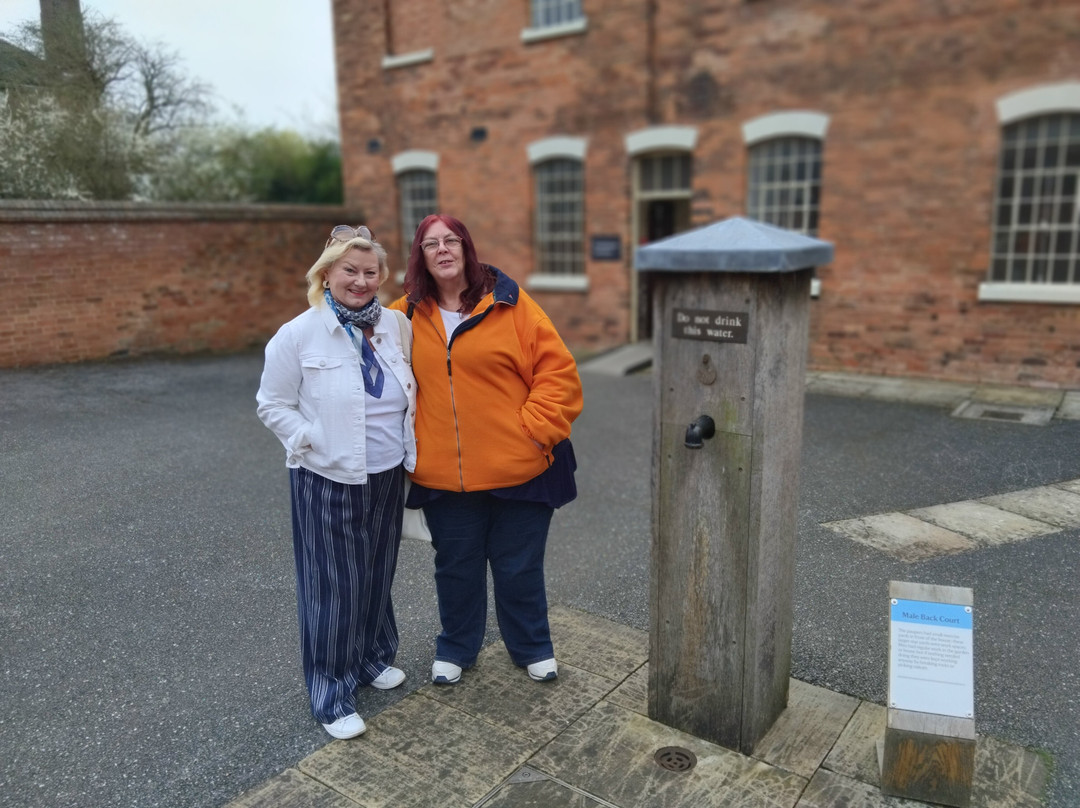
We had all decided to meet at ‘The Workhouse’ in Southwell owned by the National Trust. We arrived here and met Janet in the car park, and there were hugs and kisses all around as we had not seen each other for some time.
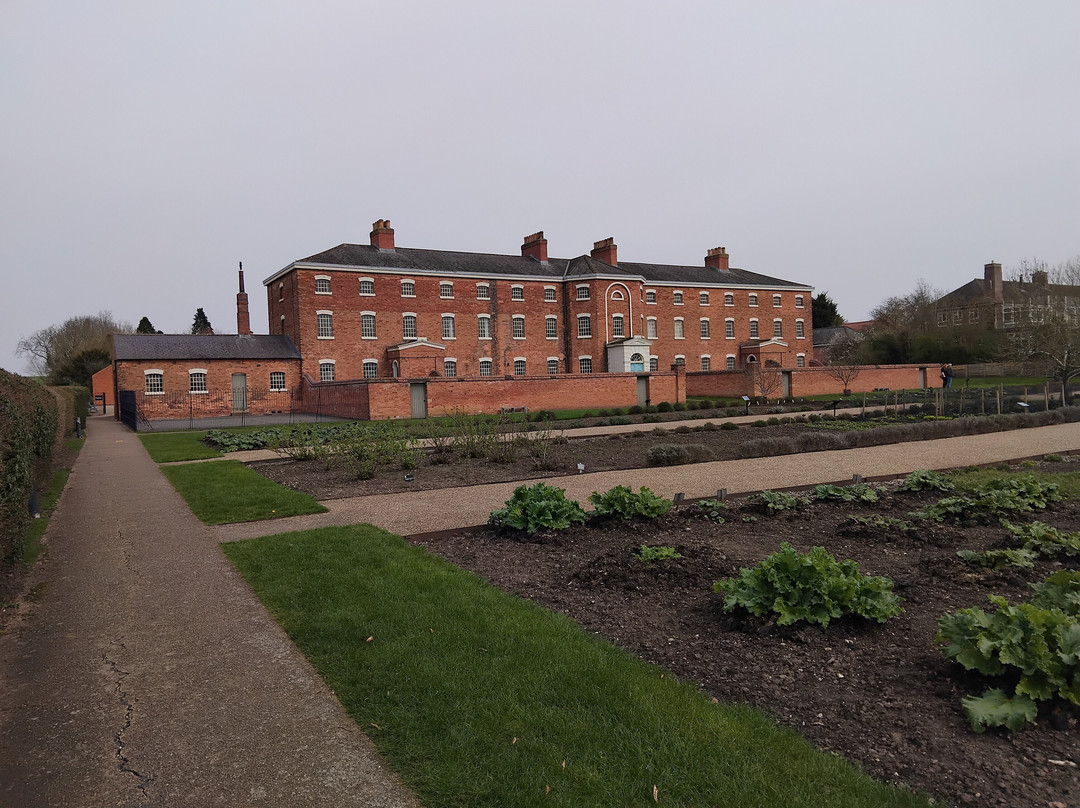
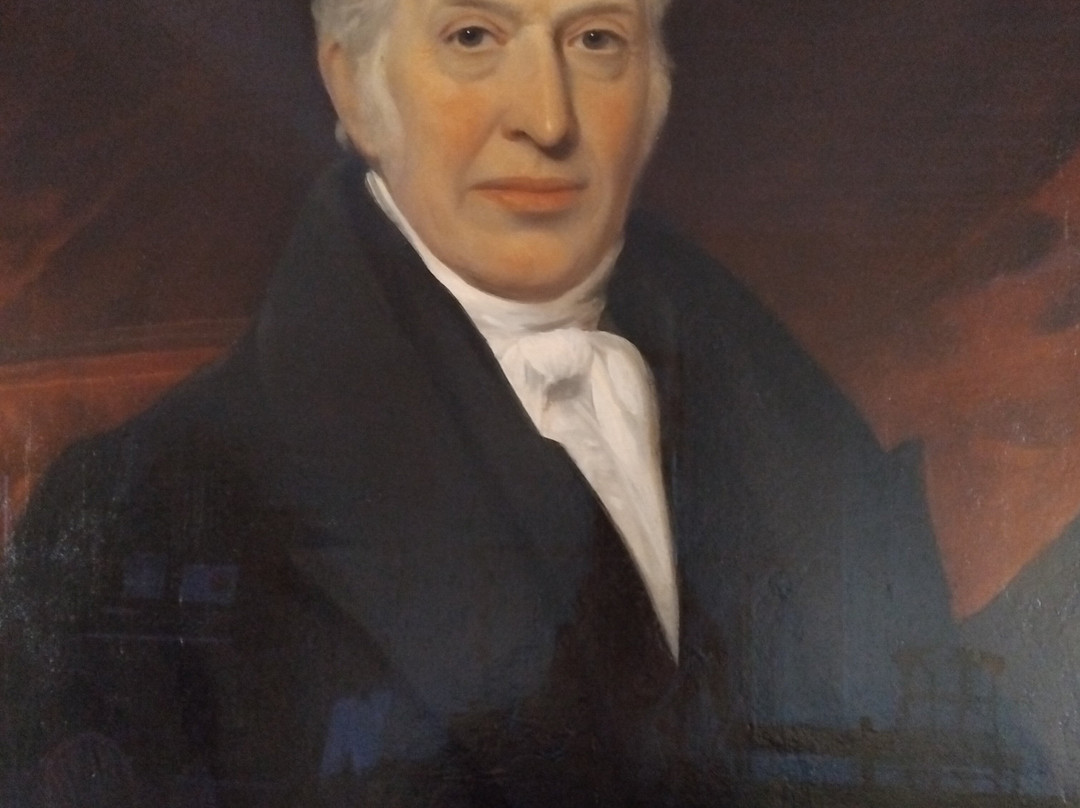
The Workhouse was founded by Reverend Becher in the early 19th century. In response to ‘The Poor Laws’ and ‘Workhouse Acts’, which made parish’s and hamlets responsible for their poor. The poor were broken into two groups, those who lived on the streets and paupers who lived and worked in the workhouse. This was seen as the end of all things even lower than living on the street.
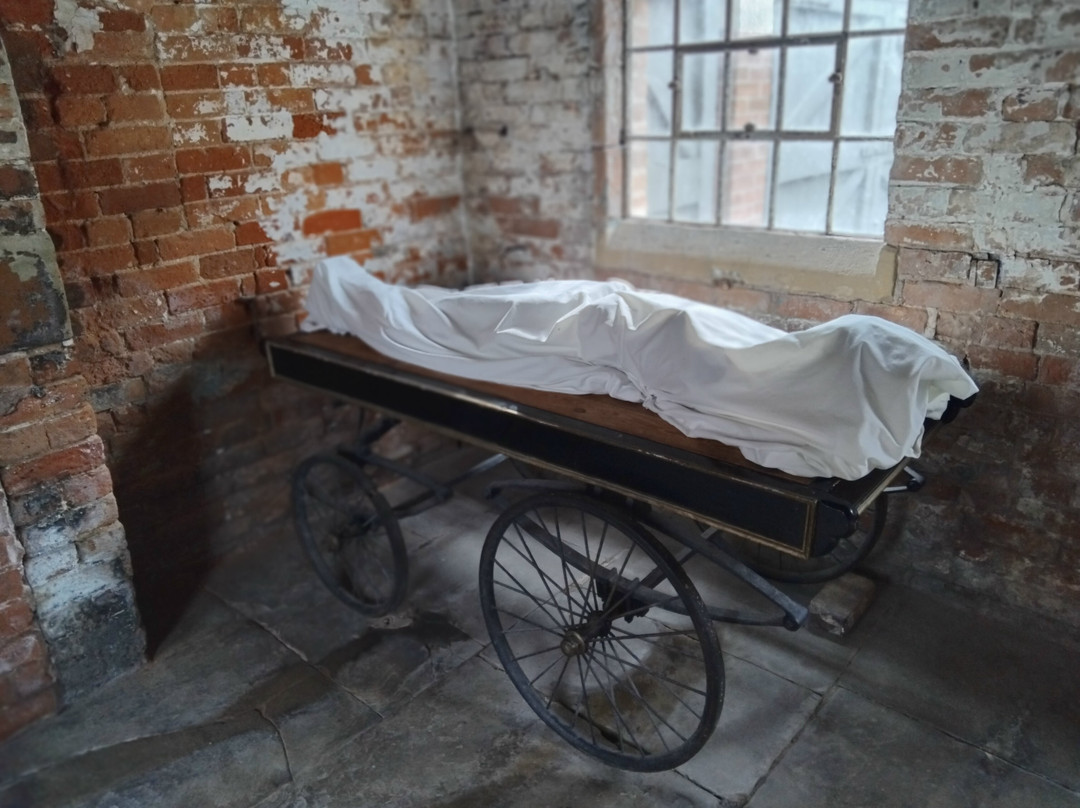
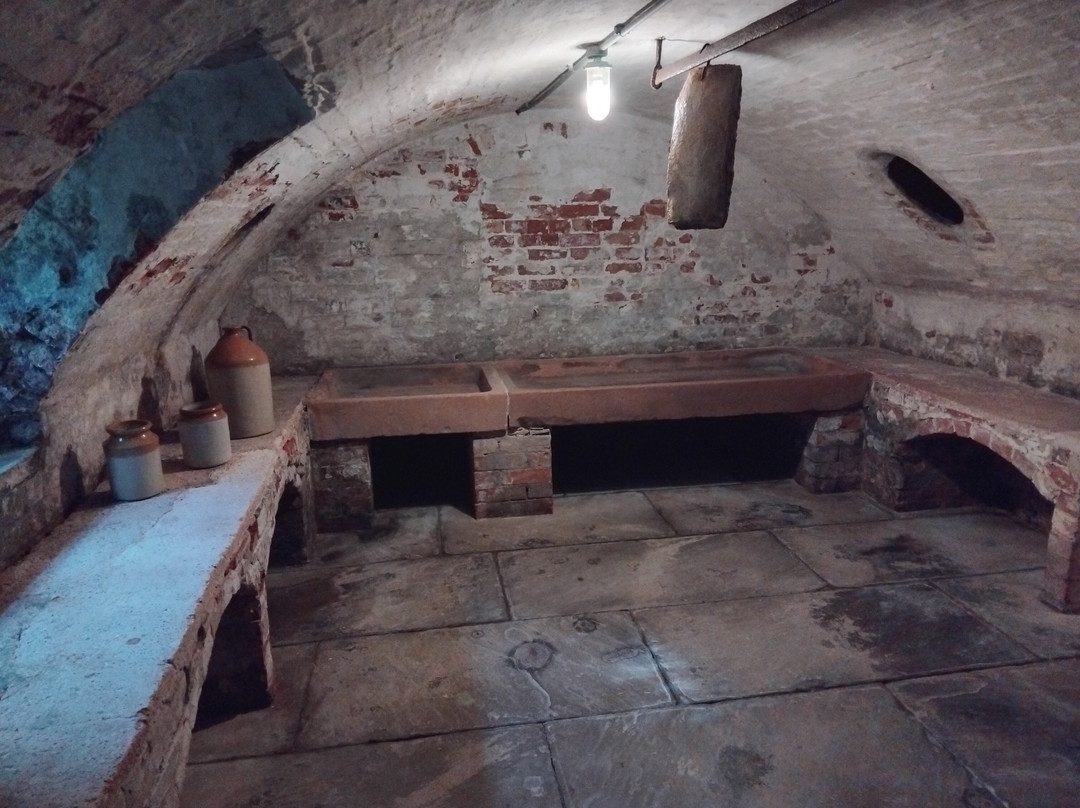
The tour takes you through the Workhouse from the moment you enter its doors and are segregated from your family, through the washhouse, work yards, day rooms, dormitories, master’s quarters and cellars. The kind of life you would lead and extracts from people who lived in the workhouse. It was still in use in the 1970’s as a home for homeless women but finally closed down in 1987. The National Trust purchased it for the bargain price of £ 150,000.00. The cost of renovation back to its former state runs into millions.
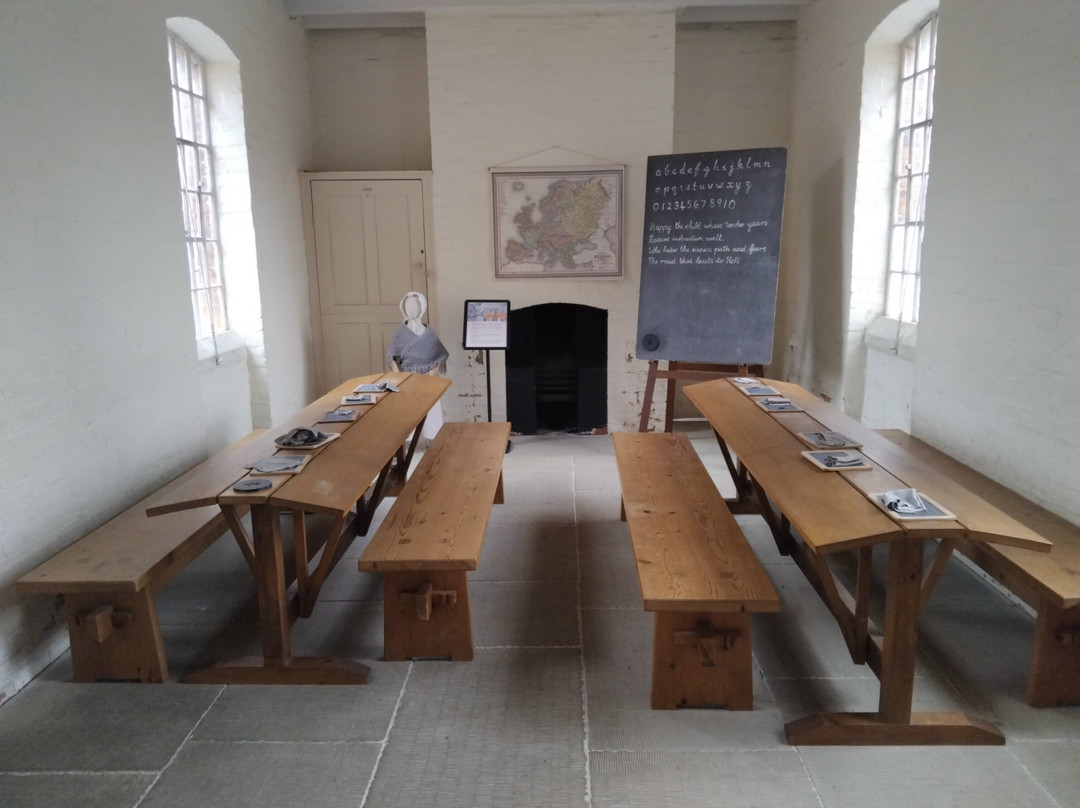
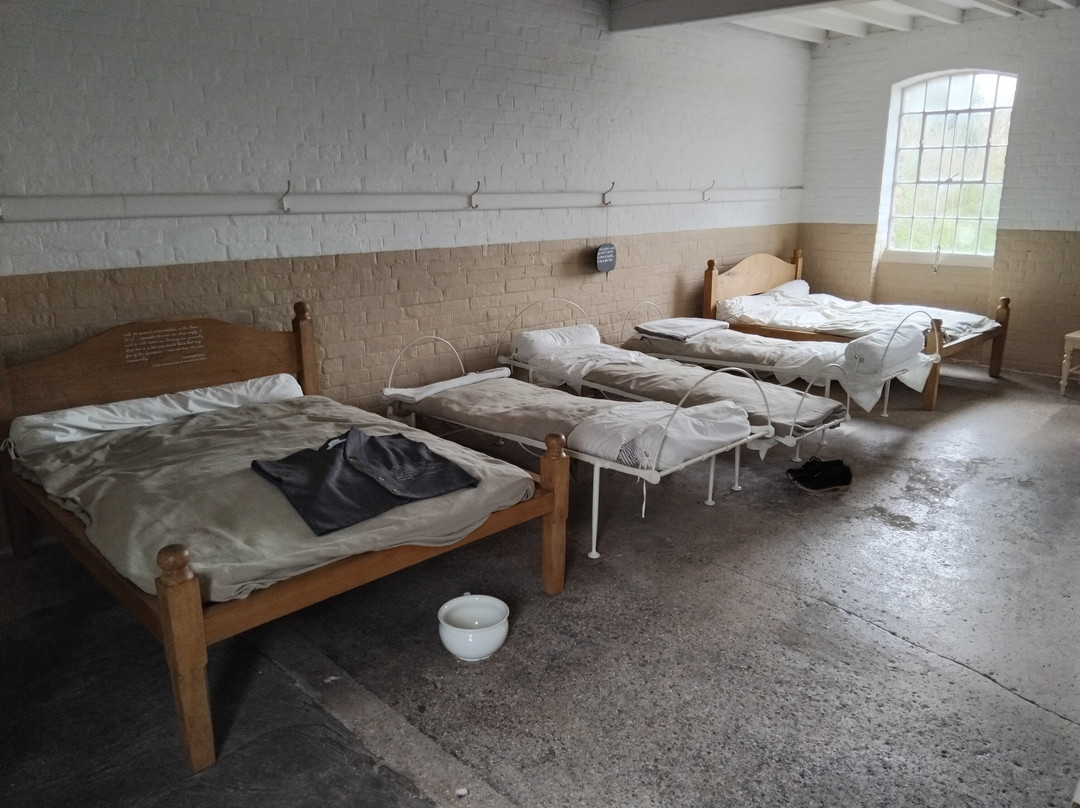
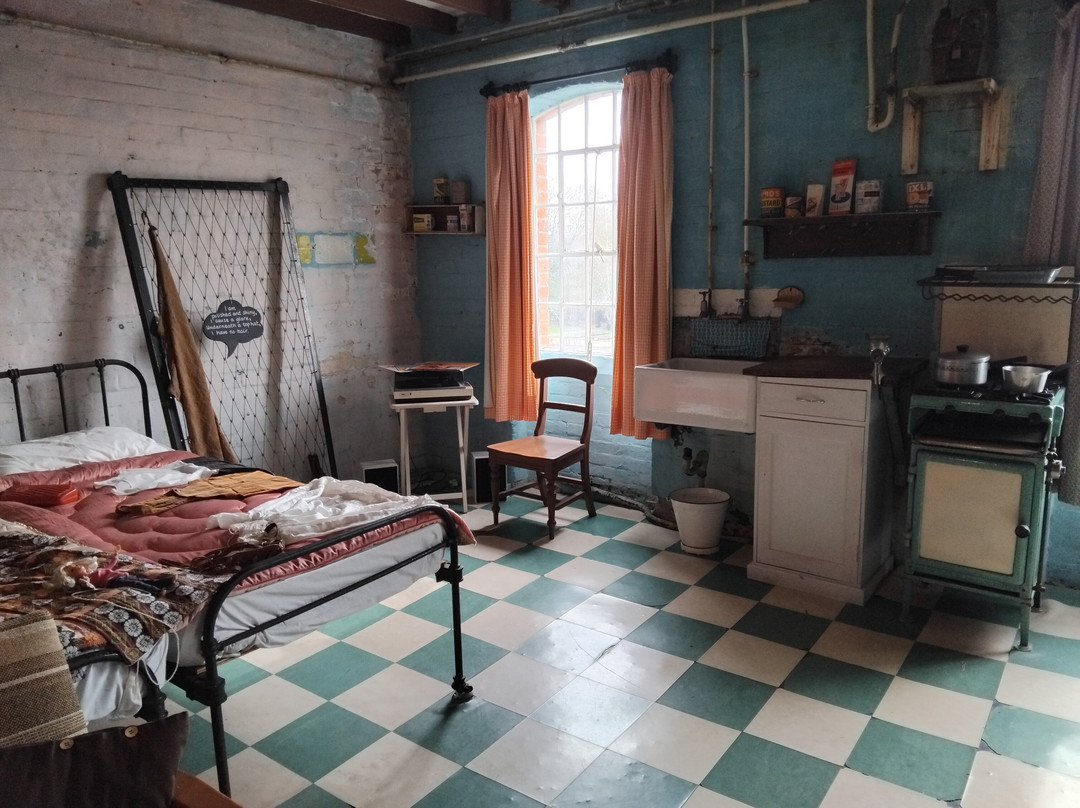
The National Trust has also furnished the workhouse as it would have been and have painted some of the room’s cream and khaki. Back in 2009, when we last visited it was still in its original state with peeling paint and cobwebs and unfurnished.
The Workhouse is a wonderful piece of social history and social reform; it shows how the ‘class’ system worked within our country. It also was a major force in changing the laws regarding poverty and being poor. The Benefit Service we know now is very gentle with those malingerers and homeless and affords them quite a substantial amount of money. The people who lived and worked in the workhouse had nothing except the rags they stood up in.
We had all decided to meet at ‘The Workhouse’ in Southwell owned by the National Trust. We arrived here and met Janet in the car park, and there were hugs and kisses all around as we had not seen each other for some time.
The Workhouse was founded by Reverend Becher in the early 19th century. In response to ‘The Poor Laws’ and ‘Workhouse Acts’, which made parish’s and hamlets responsible for their poor. The poor were broken into two groups, those who lived on the streets and paupers who lived and worked in the workhouse. This was seen as the end of all things even lower than living on the street.
The tour takes you through the Workhouse from the moment you enter its doors and are segregated from your family, through the washhouse, work yards, day rooms, dormitories, master’s quarters and cellars. The kind of life you would lead and extracts from people who lived in the workhouse. It was still in use in the 1970’s as a home for homeless women but finally closed down in 1987. The National Trust purchased it for the bargain price of £ 150,000.00. The cost of renovation back to its former state runs into millions.
The National Trust has also furnished the workhouse as it would have been and have painted some of the room’s cream and khaki. Back in 2009, when we last visited it was still in its original state with peeling paint and cobwebs and unfurnished.
The Workhouse is a wonderful piece of social history and social reform; it shows how the ‘class’ system worked within our country. It also was a major force in changing the laws regarding poverty and being poor. The Benefit Service we know now is very gentle with those malingerers and homeless and affords them quite a substantial amount of money. The people who lived and worked in the workhouse had nothing except the rags they stood up in.
翻译:2026年3月22日,星期日。我和丈夫醒来时,阳光明媚,温暖宜人。我们穿戴整齐,驱车前往诺丁汉郡的索斯韦尔,与朋友珍妮特见面。
我们约好在索斯韦尔的“济贫院”(The Workhouse)见面,这里由国民信托所有。我们到达后在停车场见到了珍妮特,大家热情拥抱亲吻,因为我们已经很久没见了。
济贫院由贝彻牧师于19世纪初创立。当时正值《济贫法》和《济贫院法案》颁布之际,这些法案规定教区和村庄有责任救济当地穷人。穷人被分为两类:流落街头的人和住在济贫院里工作的赤贫者。在当时,住在济贫院被视为人生的尽头,甚至比流落街头还要悲惨。
参观行程将带您从踏入济贫院大门的那一刻起,便开始与家人隔离,依次参观洗衣房、工作场、活动室、宿舍、院长住所和地窖。您将体验济贫院的生活,并聆听曾经居住在那里的人们讲述他们的故事。这座济贫院在20世纪70年代仍作为无家可归妇女的收容所使用,但最终于1987年关闭。国民信托以15万英镑的低价购得了它。将其修复至昔日风貌的费用高达数百万英镑。
国民信托还按照济贫院的原貌布置了家具,并将部分房间粉刷成米色和卡其色。2009年我们上次参观时,济贫院仍保持着原貌,油漆剥落,蛛网密布,空无一物。
济贫院是社会历史和社会改革的绝佳见证;它展现了英国的阶级制度是如何运作的。它也对改变有关贫困和穷人的法律产生了重大影响。我们现在所知的福利制度对那些装病者和无家可归者非常宽容,并给予他们相当可观的救济金。而那些在济贫院生活和工作的人们,除了身上穿的破烂衣服之外,一无所有。
我们约好在索斯韦尔的“济贫院”(The Workhouse)见面,这里由国民信托所有。我们到达后在停车场见到了珍妮特,大家热情拥抱亲吻,因为我们已经很久没见了。
济贫院由贝彻牧师于19世纪初创立。当时正值《济贫法》和《济贫院法案》颁布之际,这些法案规定教区和村庄有责任救济当地穷人。穷人被分为两类:流落街头的人和住在济贫院里工作的赤贫者。在当时,住在济贫院被视为人生的尽头,甚至比流落街头还要悲惨。
参观行程将带您从踏入济贫院大门的那一刻起,便开始与家人隔离,依次参观洗衣房、工作场、活动室、宿舍、院长住所和地窖。您将体验济贫院的生活,并聆听曾经居住在那里的人们讲述他们的故事。这座济贫院在20世纪70年代仍作为无家可归妇女的收容所使用,但最终于1987年关闭。国民信托以15万英镑的低价购得了它。将其修复至昔日风貌的费用高达数百万英镑。
国民信托还按照济贫院的原貌布置了家具,并将部分房间粉刷成米色和卡其色。2009年我们上次参观时,济贫院仍保持着原貌,油漆剥落,蛛网密布,空无一物。
济贫院是社会历史和社会改革的绝佳见证;它展现了英国的阶级制度是如何运作的。它也对改变有关贫困和穷人的法律产生了重大影响。我们现在所知的福利制度对那些装病者和无家可归者非常宽容,并给予他们相当可观的救济金。而那些在济贫院生活和工作的人们,除了身上穿的破烂衣服之外,一无所有。

© 2026 Tripadvisor 版权所有。
部分照片由 VFM Leonardo 提供。
TripAdvisor公司对外部网站的内容一概不负责。优惠价格中不含税和其他费用。
ICP证:沪B2-20200433
沪ICP备20013175号
 沪公网安备31010502005427号
鹰程信息技术(上海)有限公司