下载App
资质规则
旅行
账户
tomizuta1953
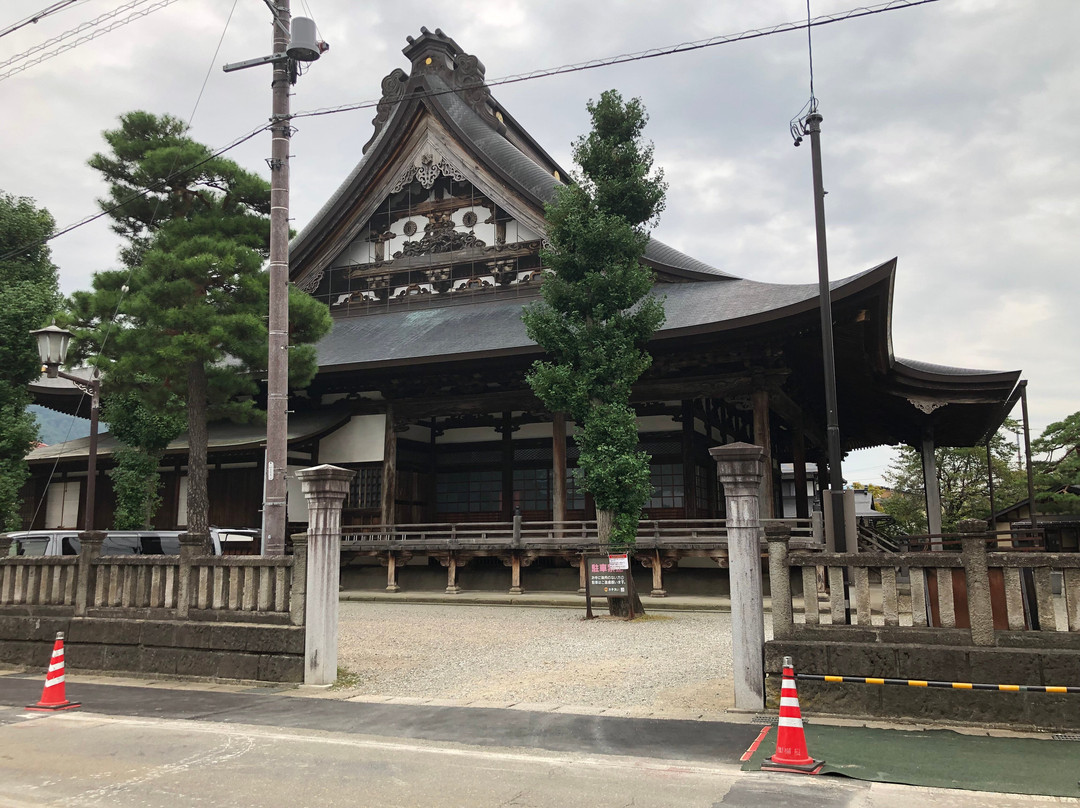
Honkouji Temple was much grander than I had expected.
Honkoji Temple的点评
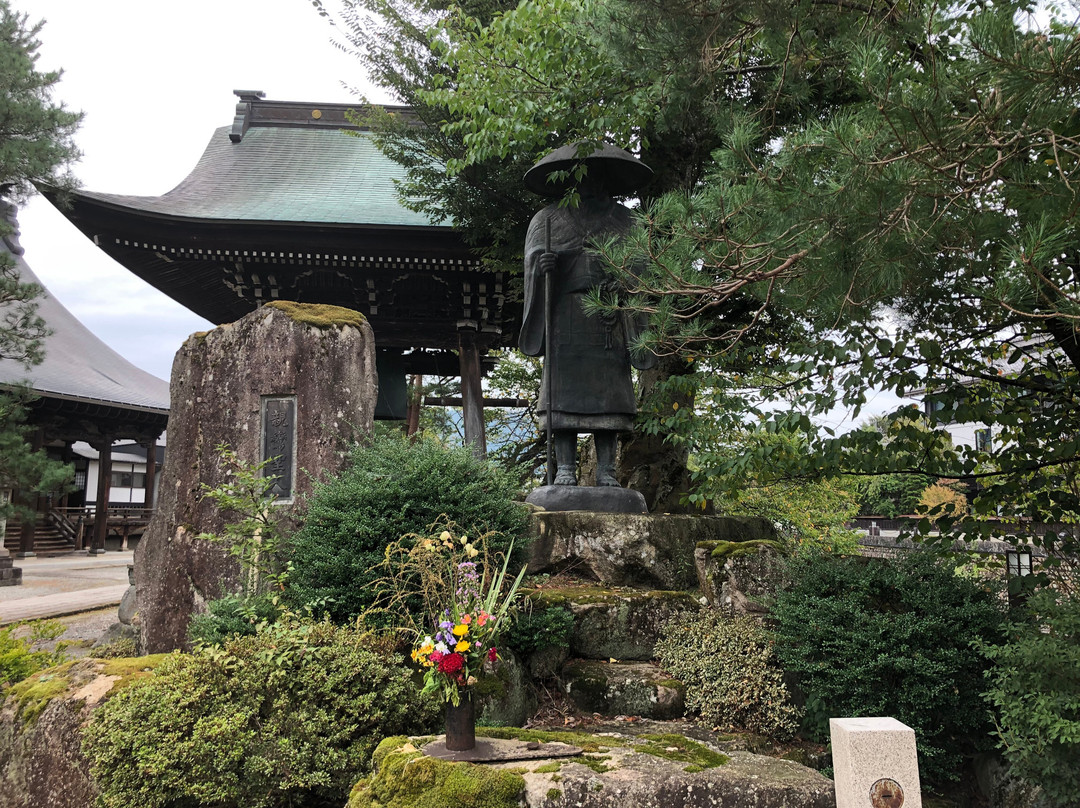
点评:Furukawa is unique in that it holds three festivals every year, the Sandera-mairi on January 15th, the Furukawa Festival on April 19th to 20th, and the Kitsunebi (a ghost light phenomenon where light is observed in the dark; most likely so called because foxes (kitsune) were thought to trick people) Festival on the fourth Saturday in September. Following Enkoji Temple, I paid a visit to this temple. Honkouji Temple was much grander than I had expected. Founded in the early 16th century, the temple boasts one of the grandest all Japanese cypress (hinoki) main temple building (hondou) and bell tower (shourou). It was a week day and there seemed to be no visitors, and the main temple was closed. It was hard to envisage thousands of visitors visiting this temple on January 15th. The custom of Sandera-mairi expanded from the early Meiji era (1870 onward) as many young girls from the Hida region went to work at silk-reeling factories in the Lake Suwa area in neighboring Nagano Prefecture under severe working conditions (raw silk was the top export product of Japan in those days). It became a custom for girls in their best kimono to perform the Sandera-mairi and pray for their future before leaving the region that they may never see again.
翻译:古川的独特之处在于,它每年举办三个祭典,分别是 1 月 15 日的 Sandera-mairi、4 月 19 日至 20 日的古川祭和 Kitsunebi(一种在黑暗中观察到光的鬼光现象;很可能是因为狐狸(kitsune)被认为会欺骗人们)九月的第四个星期六举行的节日。继圆光寺之后,我又参观了这座寺庙。本光寺比我想象的要宏伟得多。该寺庙建于 16 世纪初期,拥有最宏伟的全日本柏木(hinoki)主寺庙建筑(hondou)和钟楼(shourou)之一。那天是工作日,似乎没什么游客,主庙也关门了。很难想象 1 月 15 日会有成千上万的游客参观这座寺庙。 Sandera-mairi 的习俗从明治时代初期(1870 年起)开始扩大,许多来自飞騨地区的年轻女孩前往邻近长野县诹访湖地区的缫丝工厂工作,工作条件十分艰苦(生丝是生丝)。当时日本的顶级出口产品)。女孩们穿着最好的和服,在离开这个她们可能再也见不到的地方之前,表演 Sandera-mairi 并为自己的未来祈祷,这已成为一种习俗。

© 2026 Tripadvisor 版权所有。
部分照片由 VFM Leonardo 提供。
TripAdvisor公司对外部网站的内容一概不负责。优惠价格中不含税和其他费用。
ICP证:沪B2-20200433
沪ICP备20013175号
 沪公网安备31010502005427号
鹰程信息技术(上海)有限公司