下载App
资质规则
旅行
账户

drjavedrasheed
One of the greatest archeological landmarks
Group of Monuments at Hampi的点评
点评:Visited these monuments maybe after 55 years ! Hampi is one of India’s greatest archaeological landscapes. It was the capital of the Vijayanagara Empire, particularly flourishing between the 14th and 16th centuries, and the Group of Monuments at Hampi has been a UNESCO World Heritage Site since 1986. More than 1,600 surviving structures are spread across the rocky landscape and Tungabhadra river basin.
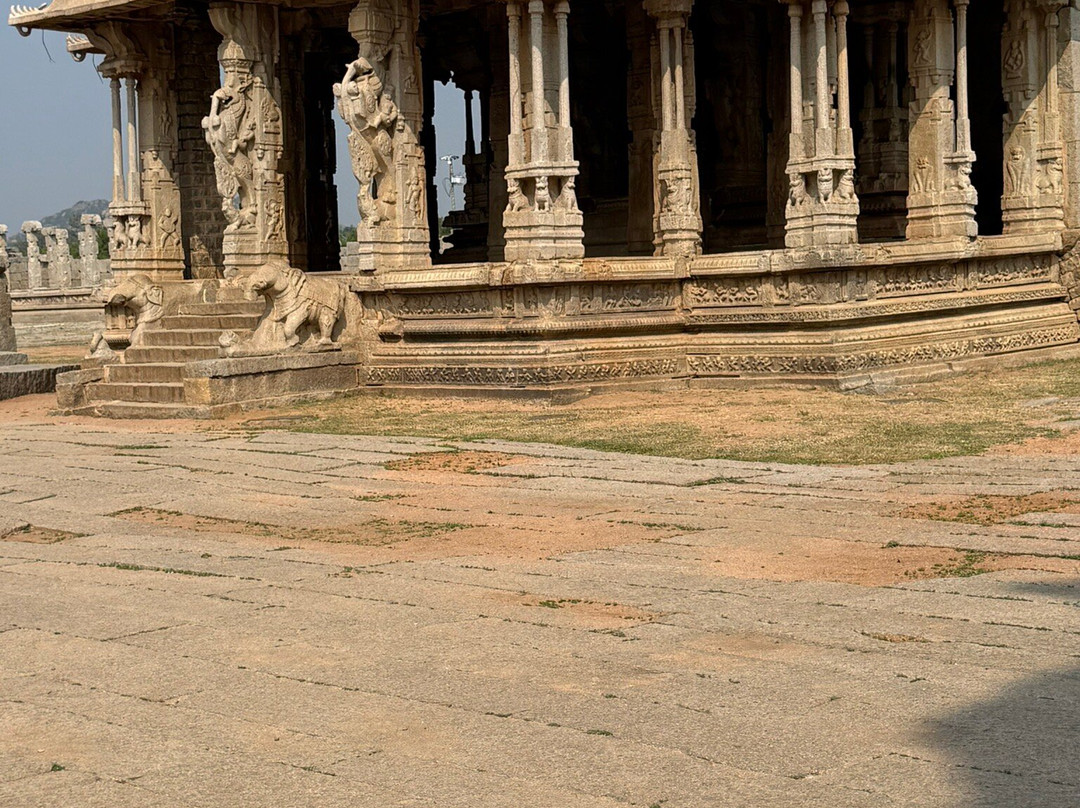
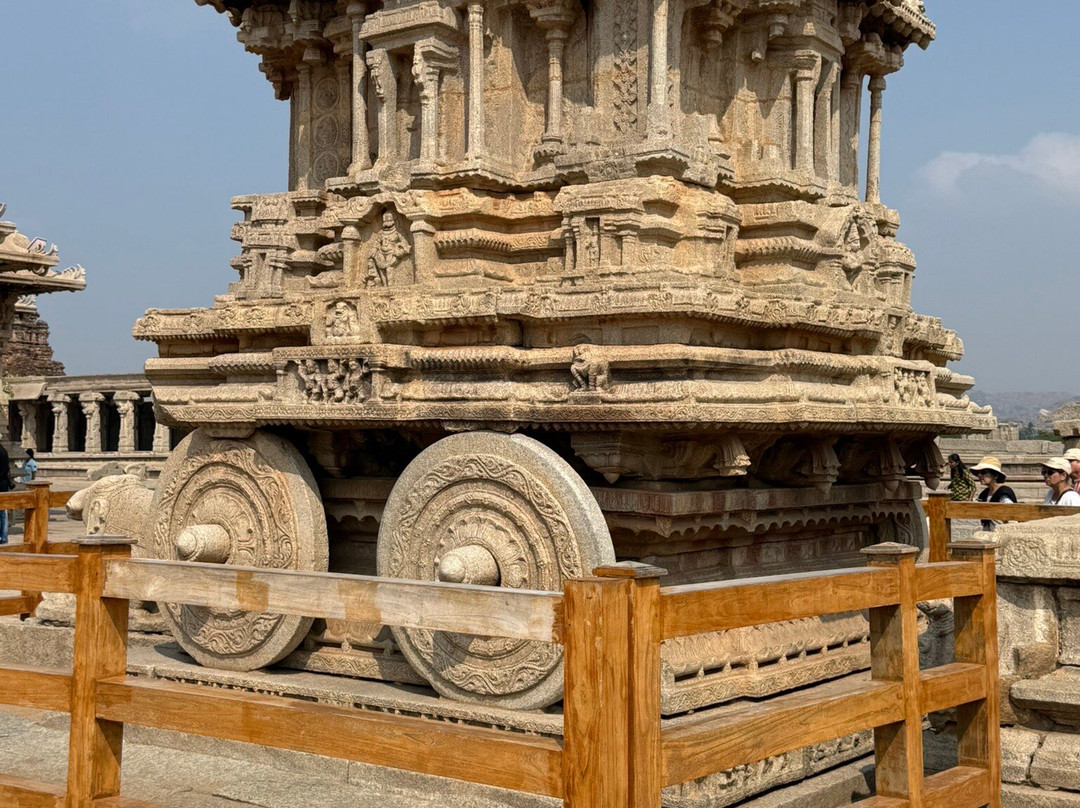
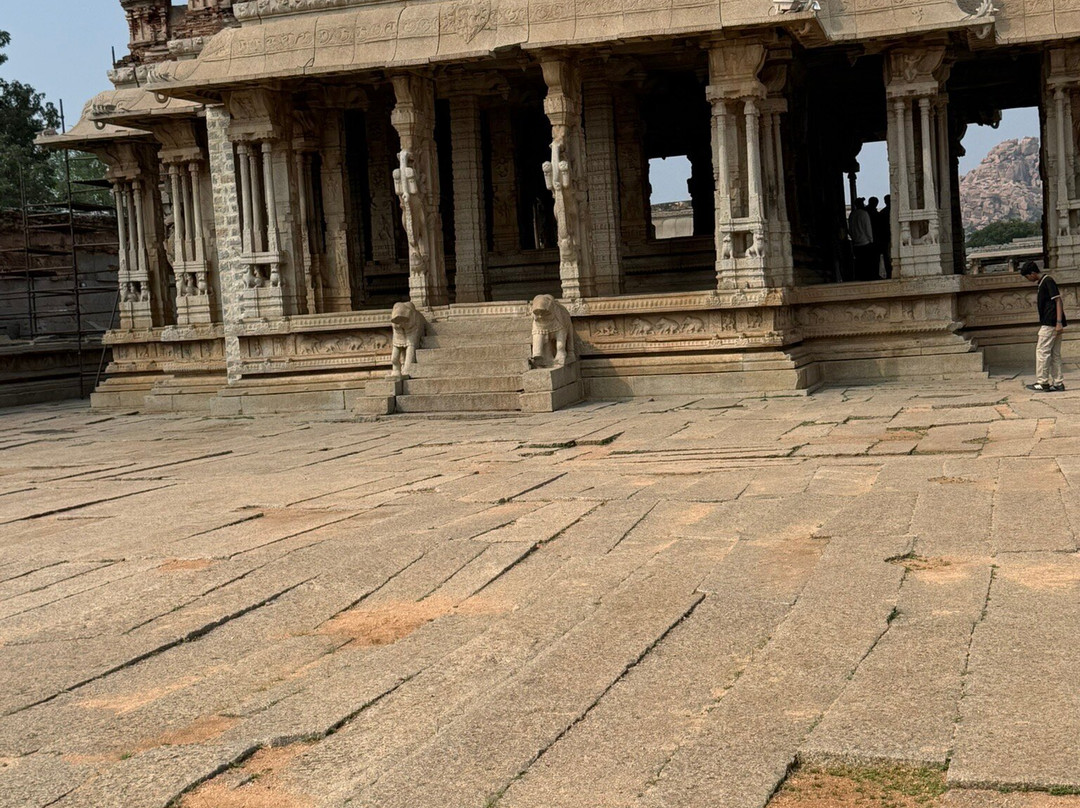
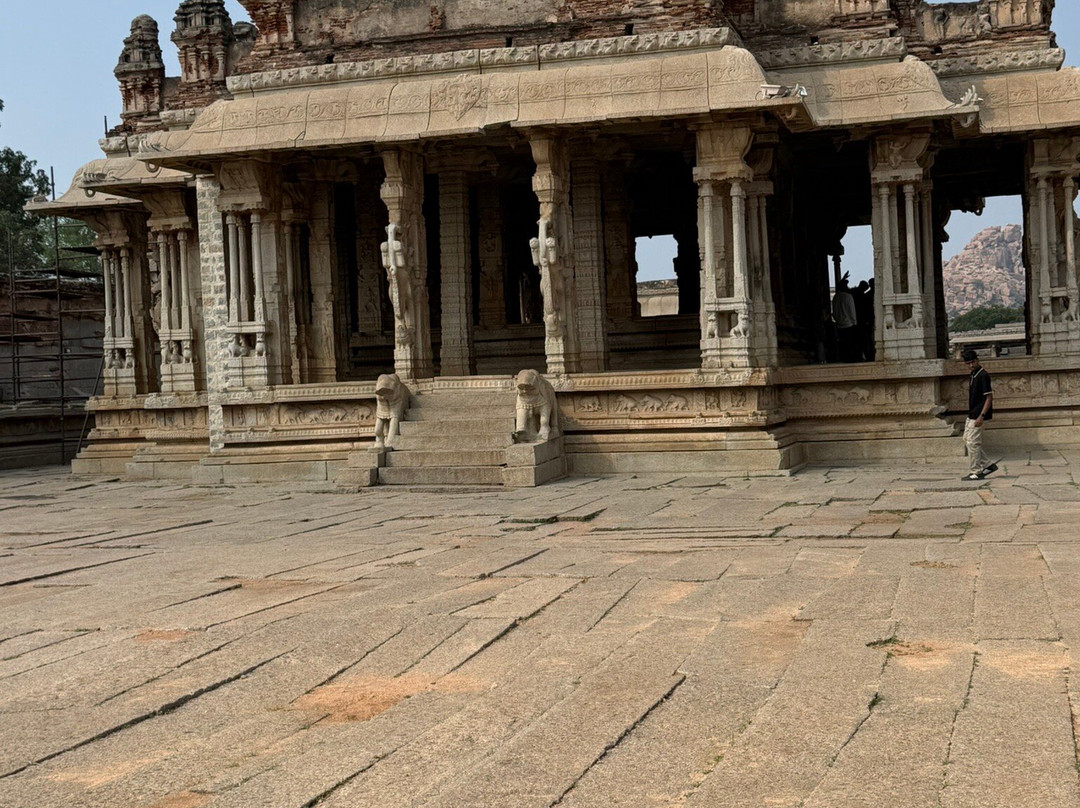
Vijaya Vittala Temple – Probably the architectural masterpiece of Hampi. It is famous for the Stone Chariot and the celebrated 56-pillared Ranga Mantapa, associated with the famous musical-pillars tradition.
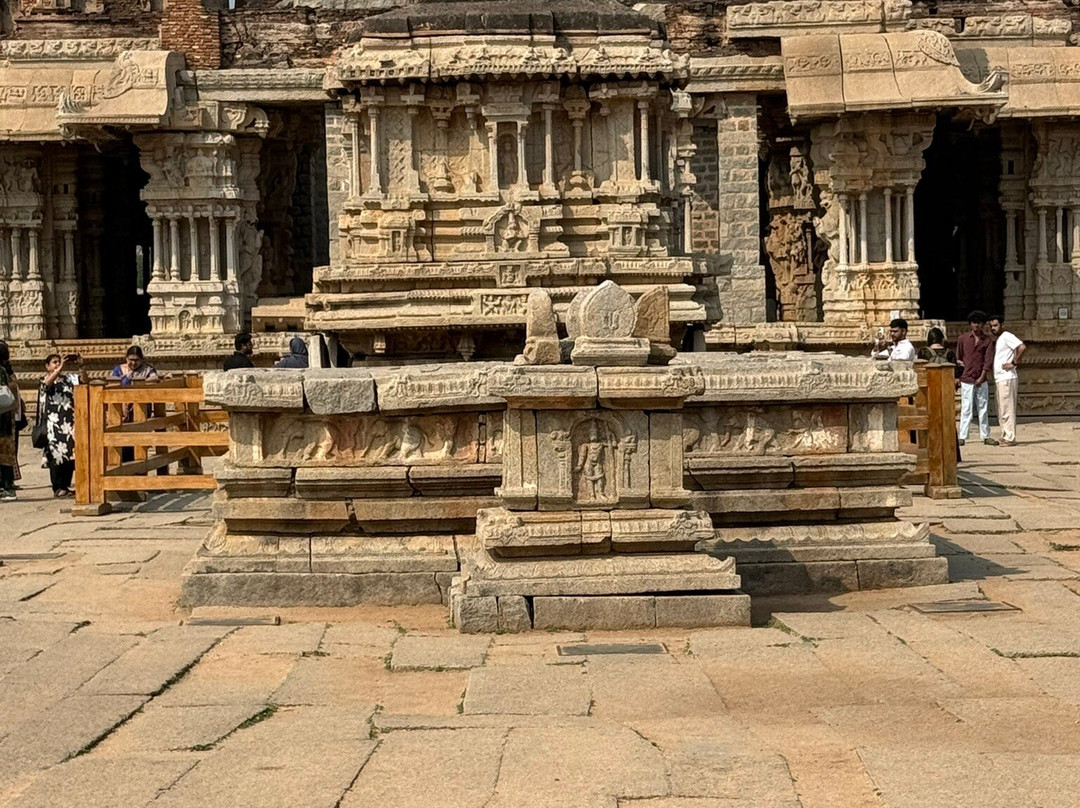
Stone Chariot – One of the most recognisable monuments of Hampi, representing a granite chariot/shrine dedicated to Garuda within the Vittala complex.
A lot has changed since the last time I visited these historic sights when I was a teenager and frankly it was sheer nostalgia and going down the memory lane but I feel these monuments could be better managed, supervised as they need constant care and attention going by the ruins and the depilated conditions !!
Dr. Javed Rasheed
翻译:时隔大概55年后,我再次造访了这些古迹!汉皮是印度最杰出的考古遗址之一。它曾是毗奢耶那伽罗帝国的都城,在14至16世纪间尤为繁荣。自1986年起,汉皮古迹群便被列为联合国教科文组织世界遗产。1600多座保存完好的建筑散布在多石的地形及通加巴德拉河流域中。
维贾亚·维塔拉神庙——堪称汉皮的建筑杰作。这里以石制战车以及著名的、拥有56根柱子的朗加·曼塔帕而著称,后者与著名的“音乐之柱”传统息息相关。
石制战车——汉皮最具标志性的古迹之一,是一辆花岗岩制成的战车/神龛,位于维塔拉建筑群内,用于供奉迦楼罗。
自从我十几岁时最后一次游览这些历史遗迹以来,这里发生了许多变化。说实话,这次造访纯粹是出于怀旧之情、重温往昔记忆罢了;不过我觉得这些古迹的管理方式还有改进的空间。这些人需要密切照料与关注,从周围的废墟和荒凉状况便可看出这一点!!
贾韦德·拉希德博士。
维贾亚·维塔拉神庙——堪称汉皮的建筑杰作。这里以石制战车以及著名的、拥有56根柱子的朗加·曼塔帕而著称,后者与著名的“音乐之柱”传统息息相关。
石制战车——汉皮最具标志性的古迹之一,是一辆花岗岩制成的战车/神龛,位于维塔拉建筑群内,用于供奉迦楼罗。
自从我十几岁时最后一次游览这些历史遗迹以来,这里发生了许多变化。说实话,这次造访纯粹是出于怀旧之情、重温往昔记忆罢了;不过我觉得这些古迹的管理方式还有改进的空间。这些人需要密切照料与关注,从周围的废墟和荒凉状况便可看出这一点!!
贾韦德·拉希德博士。

© 2026 Tripadvisor 版权所有。
部分照片由 VFM Leonardo 提供。
TripAdvisor公司对外部网站的内容一概不负责。优惠价格中不含税和其他费用。
ICP证:沪B2-20200433
沪ICP备20013175号
 沪公网安备31010502005427号
鹰程信息技术(上海)有限公司